
Kidney Oxalate Deposits Found in a Quarter of Icelandic Rock Ptarmigan Examined
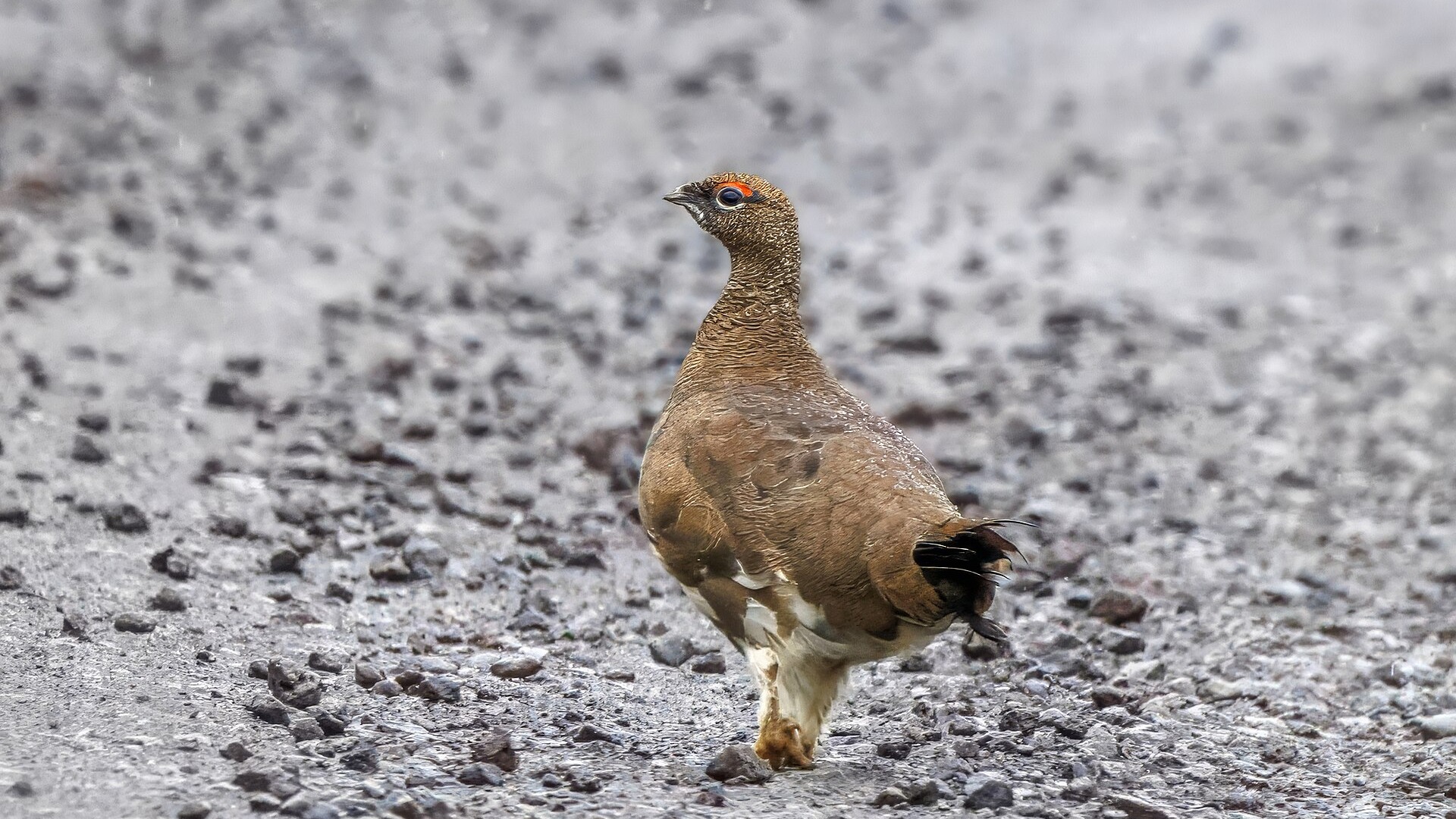
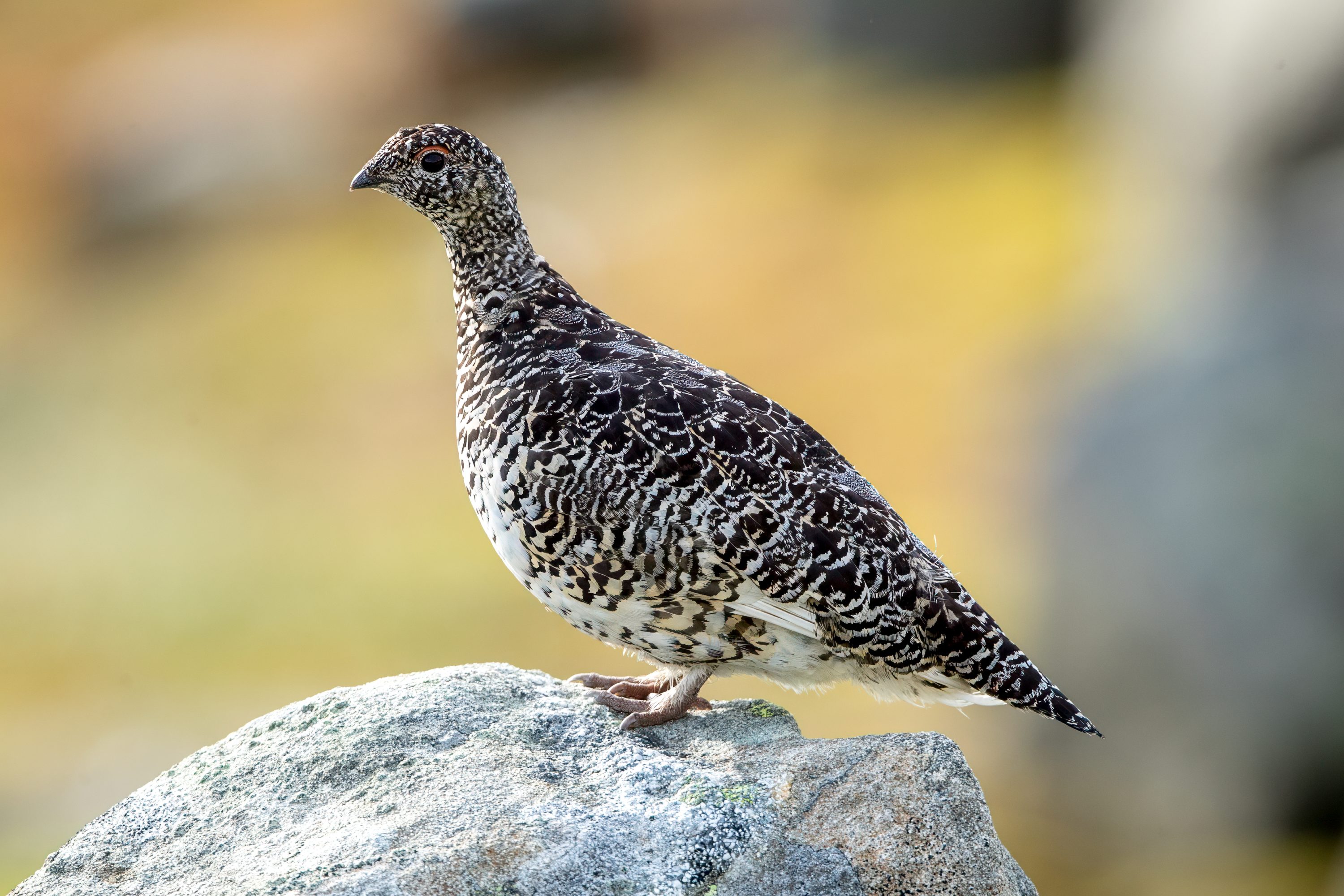
A 13-year survey of wild rock ptarmigan (Lagopus muta) in northeastern Iceland found two recurring conditions: oxalate crystal deposits in the kidney tubules and mange caused by skin mites. The pathology study used birds collected between 2006 and 2018 as part of long-term monitoring of health and population changes.
Kidney tissue from 1,263 birds was examined histologically, and oxalate crystals were found in 319, a prevalence of 25.3%. Prevalence did not differ significantly between age or sex groups, although juveniles had higher average severity scores than adults. The authors suggest that the birds most likely acquired oxalate through their diet. It remains unclear whether the deposits affected kidney function or overall health.
Mange was another common condition
Mange was recorded in 203 of 1,108 birds examined for skin lesions, a prevalence of 18.3%. It was associated with skin-mite infestation and was more common in juveniles than adults. Among adults, females had a higher prevalence than males, whereas juvenile males and females had similar prevalence.
Coccidia were detected in faecal material and intestinal tissue, but caused negligible histopathological damage to the intestinal lining in the examined samples. Previous traumatic lesions were found in 2.6% of 1,294 dissected birds, most often affecting the sternum and pectoral muscles. The authors considered collisions with human-made structures such as fences the most likely explanation for many of these injuries.
Disease, parasites & microbiology
Related news
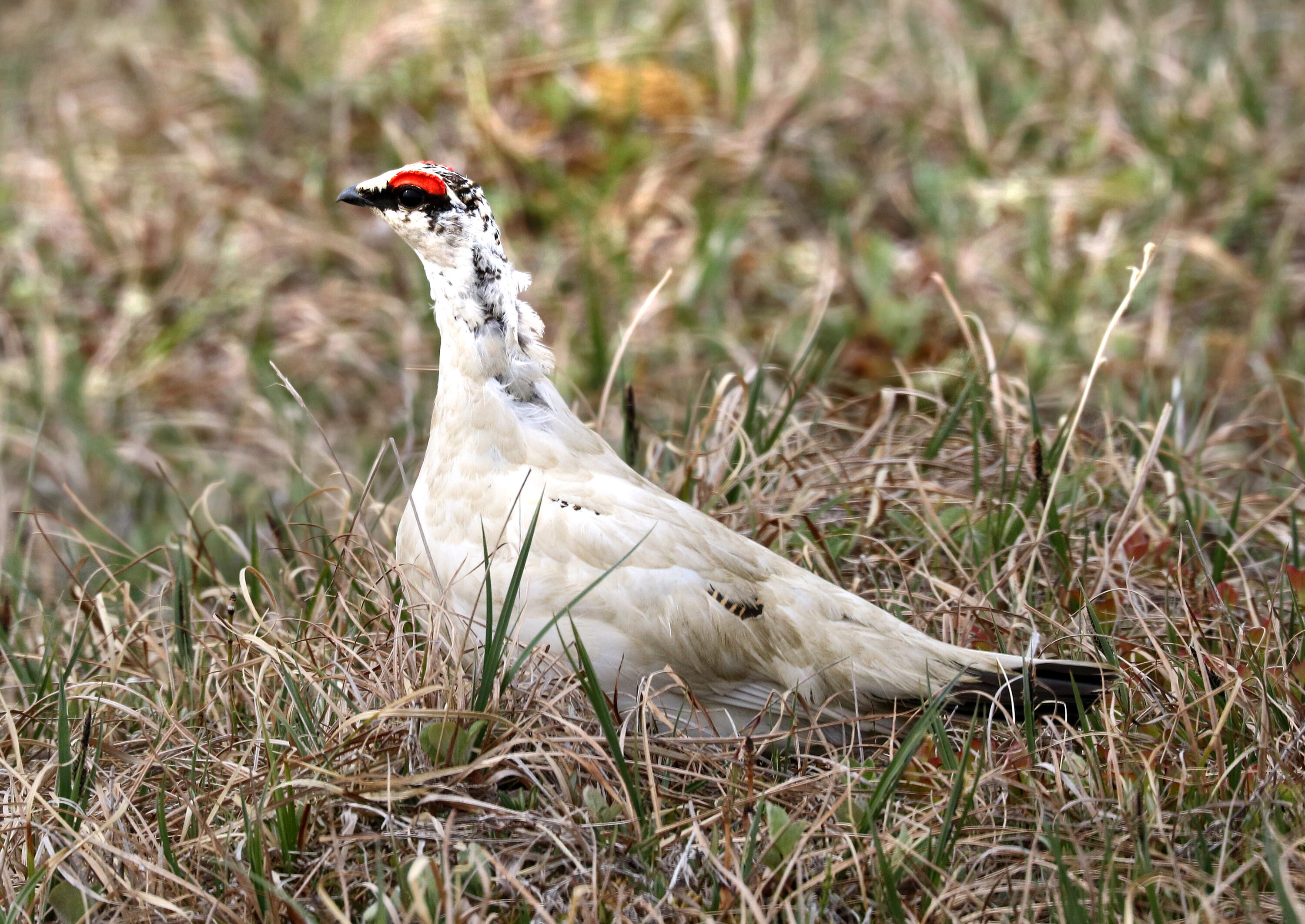
Record Ptarmigan Numbers and a Good Breeding Year for Alaska’s Gyrfalcons
Surveys on Alaska’s Seward Peninsula recorded the highest ptarmigan numbers in eleven years of monitoring. Gyrfalcons also had…
Read story →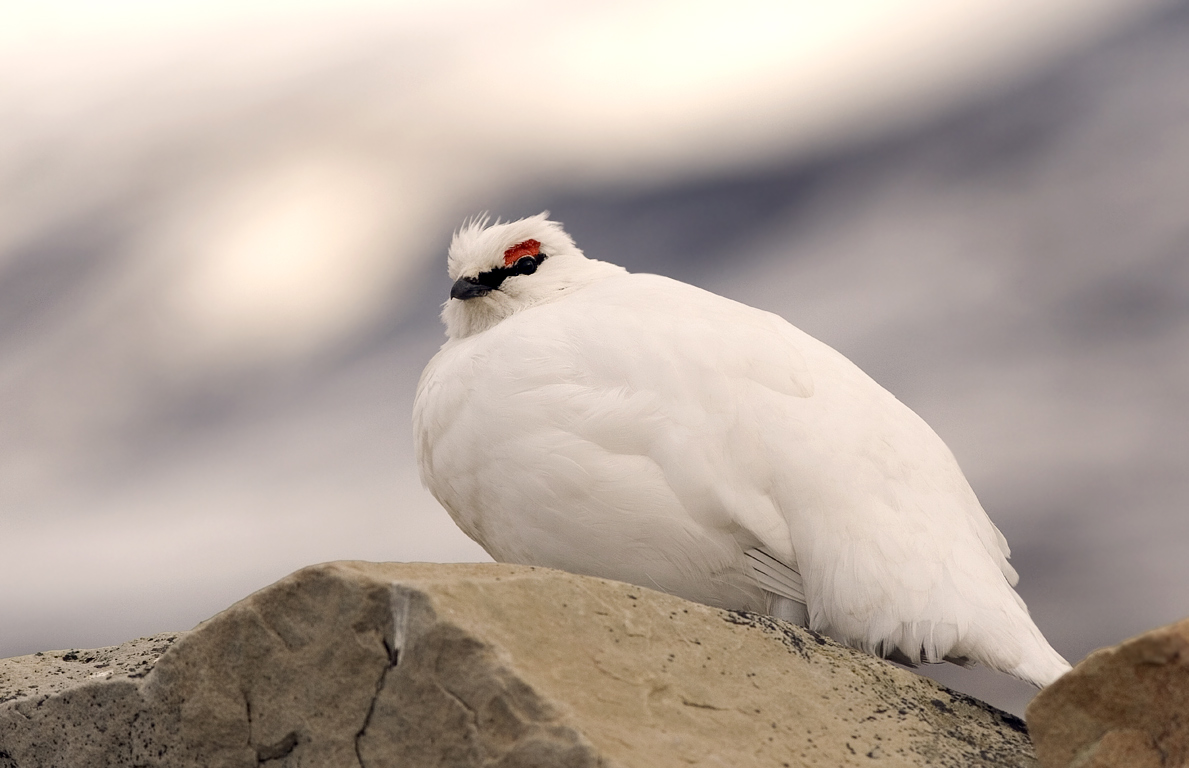
Svalbard Ptarmigan and Golden Hamsters Shared a TSH Pathway for Seasonal Timing
A comparison of neuroendocrine tissue in summer- and winter-like states found the same core TSH seasonal-timing pathway in…
Read story →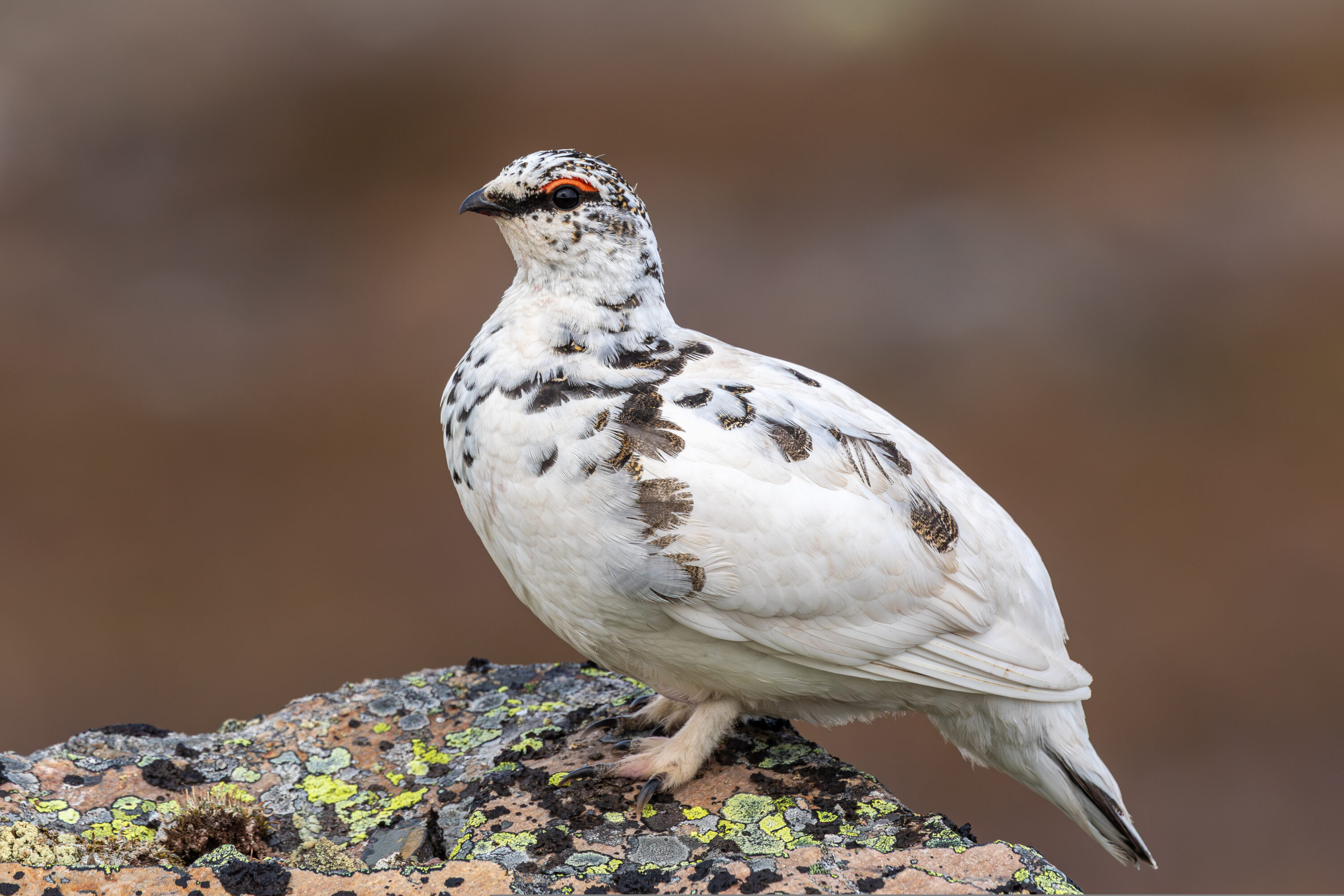
Dry Weather and Snow-Covered Ground Improved Genetic Monitoring From Rock Ptarmigan Droppings
Only 103 of 338 spring fecal samples yielded usable genotypes, but a 2026 study identified field and laboratory…
Read story →SPECIES IN THIS STORY
Species in this story
Independent research and conservation news archive
Did you find this information useful?
Wildlife Vagabond is independently built and maintained. Voluntary support helps cover source verification, hosting and continued work on research and conservation news.
Support Wildlife VagabondThe news archive will remain freely available.