
Heart Rate and Sympathetic Activity Fell When a Human Came Within 10 m of Large-billed Crows

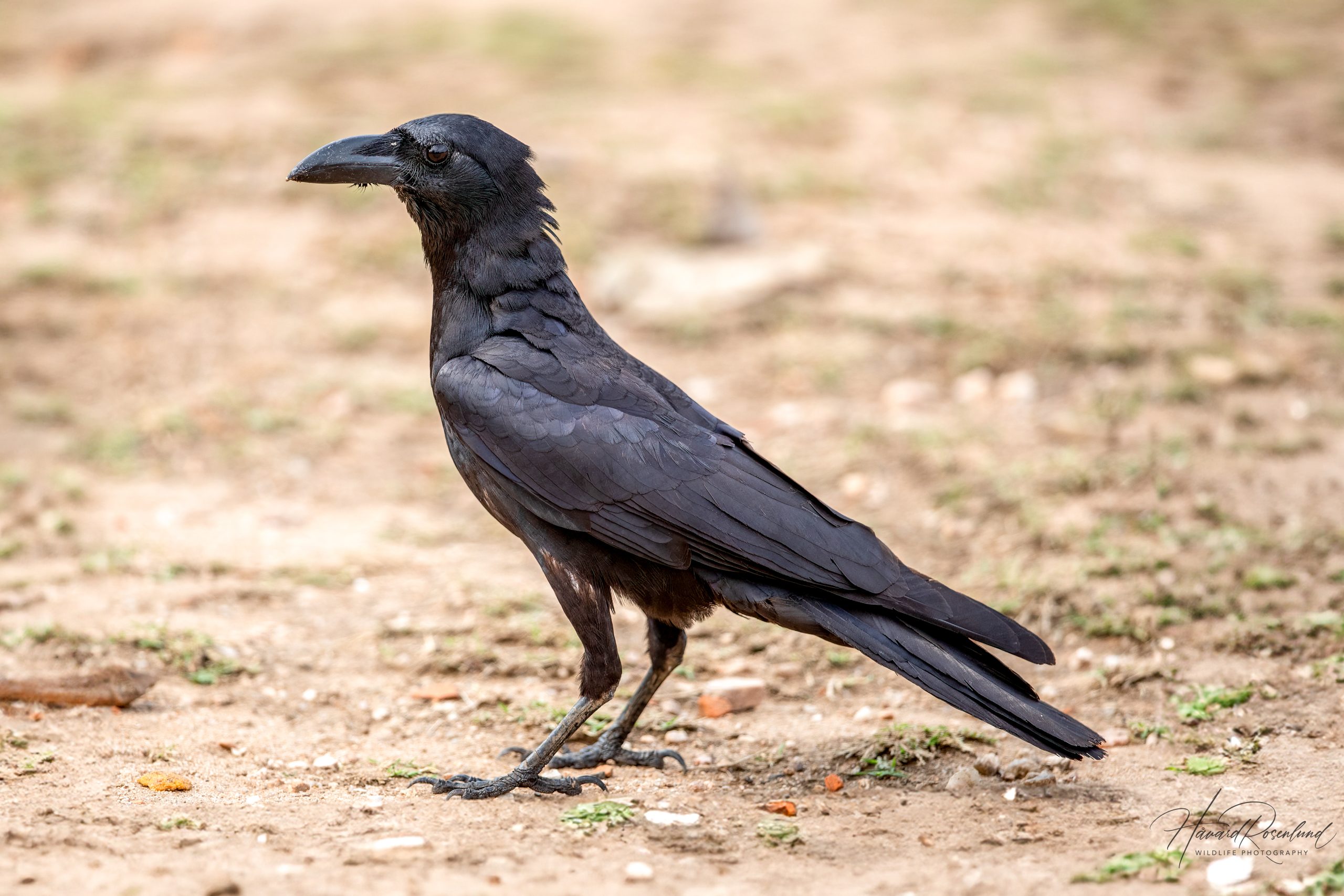
A 2026 short communication from Japan measured how captive large-billed crows (Corvus macrorhynchos) responded physiologically as a person approached them. The researchers recorded electrocardiograms and analysed both heart rate and variation in the intervals between heartbeats to assess the autonomic nervous system.
The autonomic nervous system regulates involuntary functions such as heart activity. Its sympathetic branch is generally associated with physiological mobilisation during arousal and challenge. Heart-rate variability provides information about how autonomic control changes even when the bird’s outward behaviour alone does not reveal its internal physiological state.
The clearest shift appeared within 10 metres
The striking result was not an increase in cardiac activation as the human came closer. Instead, when the experimenter reached 10 metres or less from the crow, heart rate fell sharply and the heart-rate-variability analysis indicated reduced sympathetic activity.
The study therefore documents a close-range physiological transition during human approach rather than a simple increase in cardiac activation.
The experiment used captive birds under controlled conditions, so its result applies to the physiological response measured in that setting rather than directly showing how the same shift relates to flight decisions in free-ranging urban crows.
Physiology
Related news
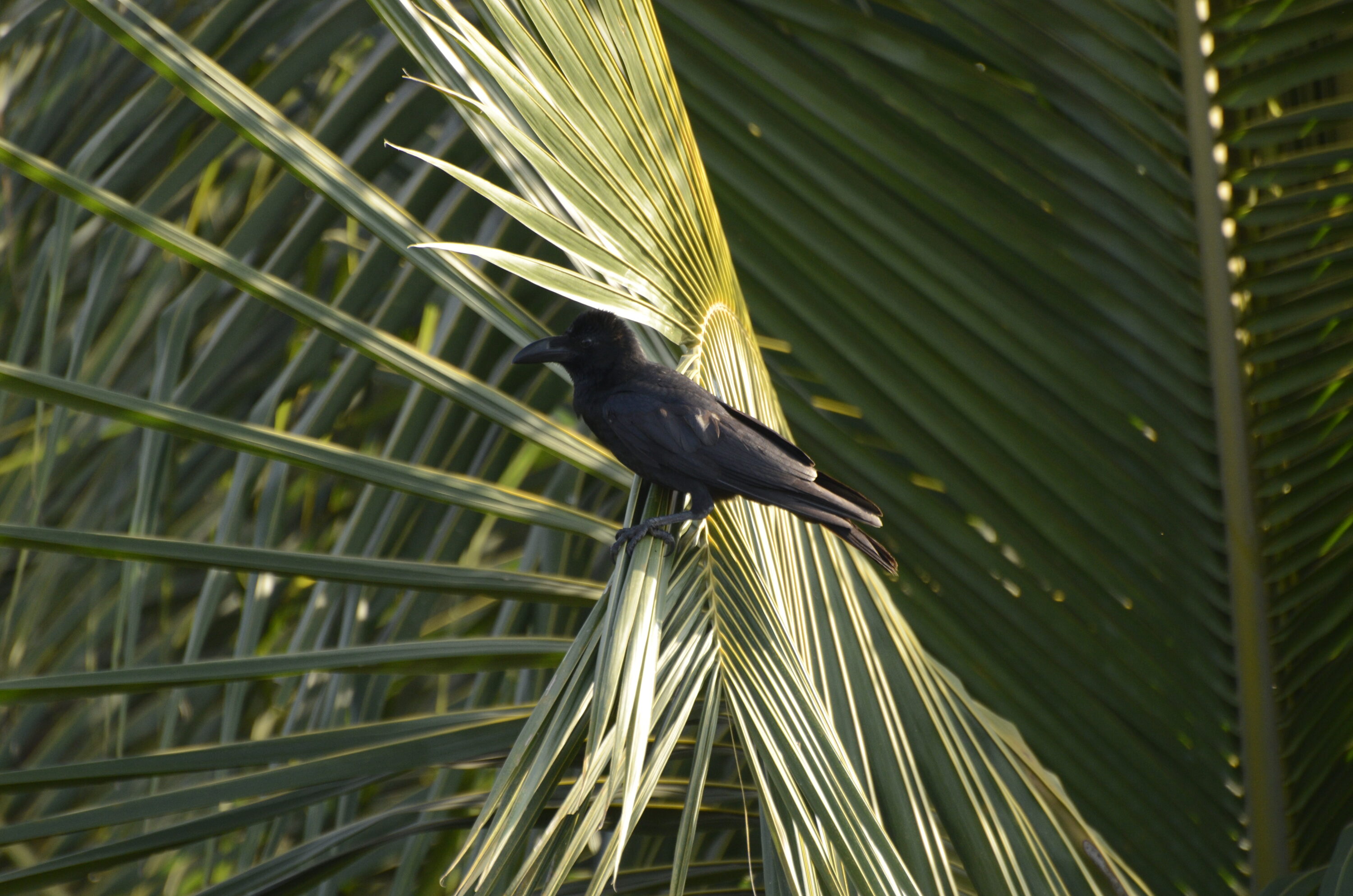
Two House Crows Began Anting After Watching a Large-billed Crow in Coonoor
In Coonoor, India, a Large-billed Crow rubbed yellow crazy ants through its plumage. Three House Crows arrived; one…
Read story →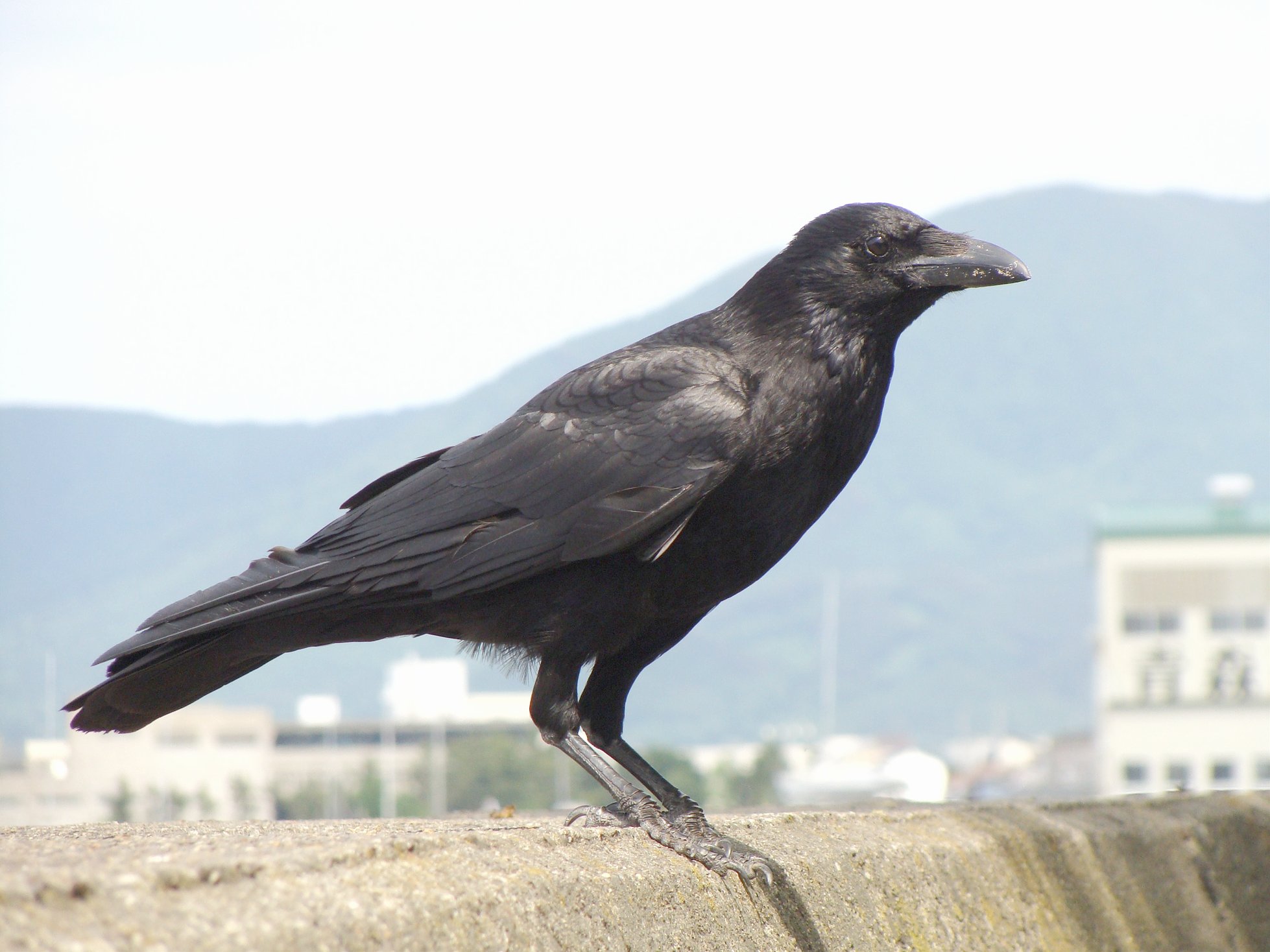
Carrion and Large-billed Crows Used Different Foods Until Winter Snow Narrowed Their Options
GPS tracking and year-round field observations in northern Japan found that non-breeding carrion crows mainly used farmland, large-billed…
Read story →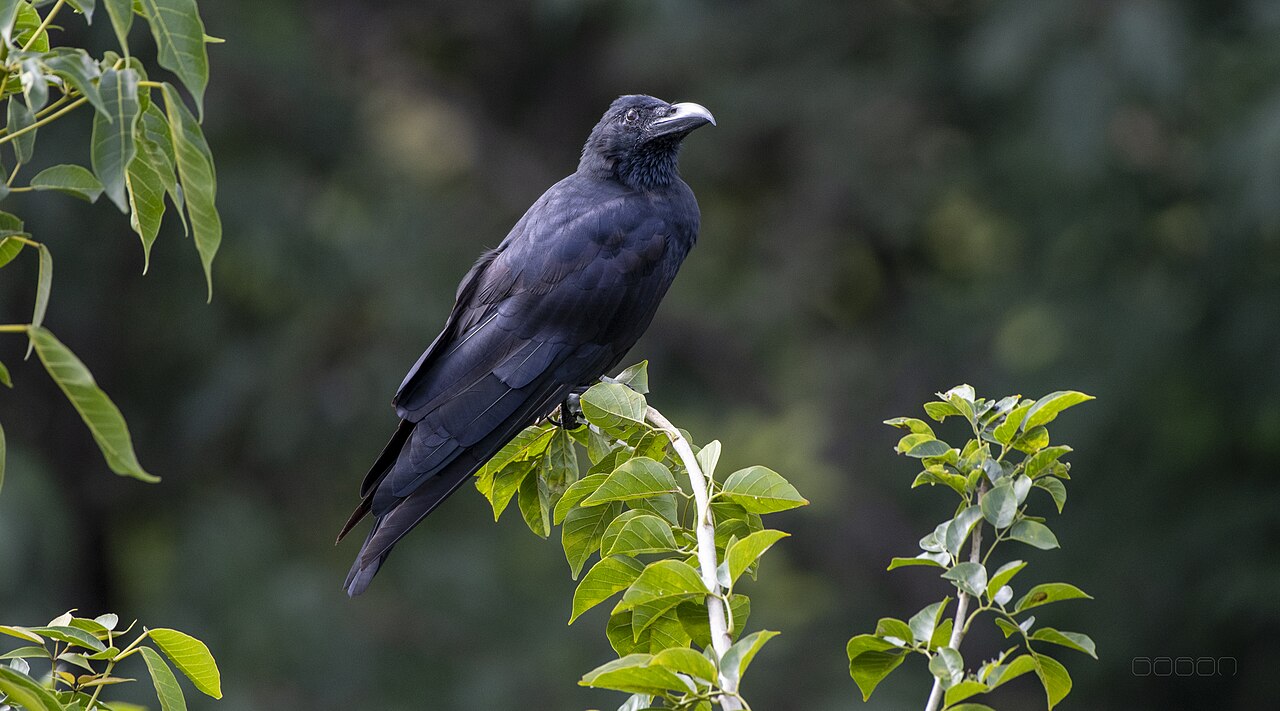
Updated India Index Estimated a 1.7% Annual Decline for Large-billed Crow
The 2026 State of India’s Birds interim update estimated a current annual decline of 1.7% in India’s large-billed…
Read story →SPECIES IN THIS STORY
Species in this story
Independent research and conservation news archive
Did you find this information useful?
Wildlife Vagabond is independently built and maintained. Voluntary support helps cover source verification, hosting and continued work on research and conservation news.
Support Wildlife VagabondThe news archive will remain freely available.