
Antimicrobial-resistant Bacteria Were Found in Little Stints and Shared Waters in Kenya
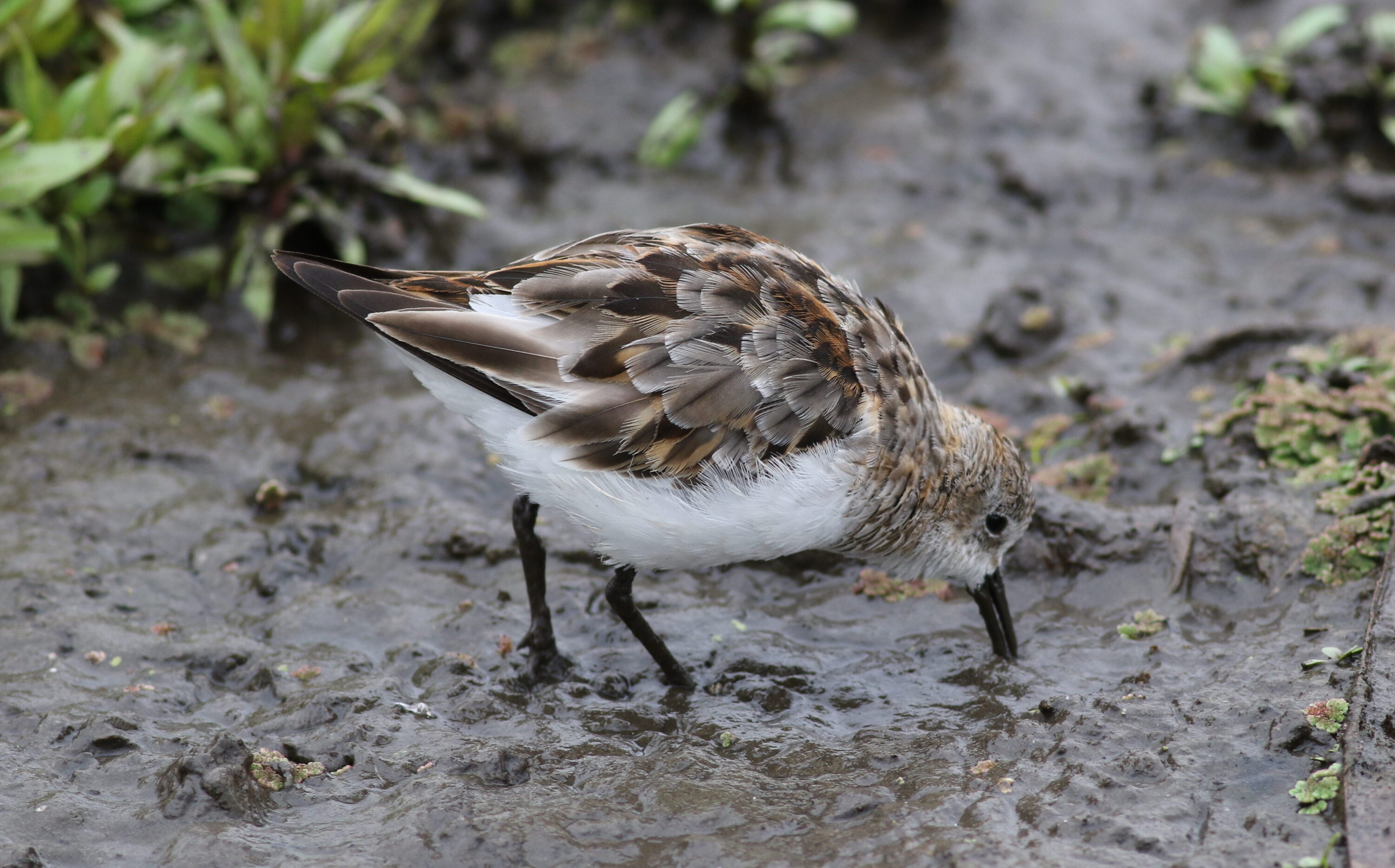
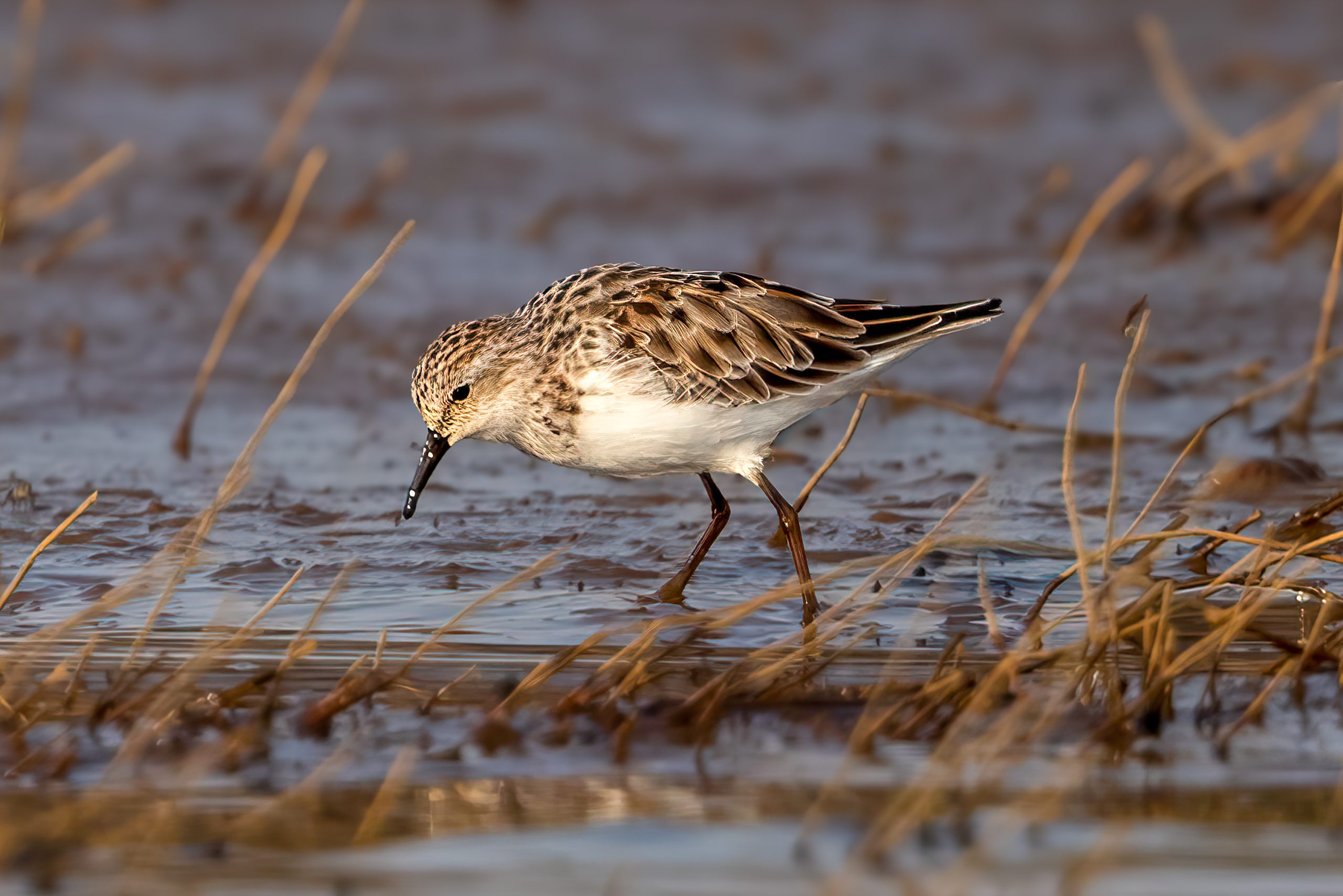
Wild little stints (Calidris minuta) wintering at Lakes Bogoria and Magadi in Kenya carried antimicrobial-resistant bacteria similar to those recovered from surrounding water sources shared by birds, people and livestock. A study published in March 2026 analysed 184 faecal or cloacal samples from little stints and 48 water samples collected when the birds arrived from the Arctic in October 2021 and before their northward departure in April 2022.
The researchers recovered 294 bacterial isolates representing 16 genera and 33 species. Bird samples produced 233 isolates and water samples 61. Enterobacter species were most frequent, accounting for 91 isolates, followed by Escherichia coli with 51. Of all isolates, 38 (12.9%) were multidrug resistant, meaning resistance extended across at least three antimicrobial classes. Another 37 (12.6%) combined multidrug resistance with an extended-spectrum beta-lactamase (ESBL) phenotype, while 19 (6.5%) were ESBL producers without meeting the multidrug-resistance definition. ESBLs are enzymes that can break down several important beta-lactam antibiotics and make them ineffective.
Ampicillin resistance was most common
Resistance was most frequent to ampicillin, detected in 50% of isolates, followed by amoxicillin–clavulanic acid at 36.4% and tetracycline at 32.7%. Resistance to meropenem, a last-resort carbapenem antibiotic, was low at 1.0%. Overall resistance frequencies did not show a clear difference between Little Stint and water isolates, between the more human-influenced Lake Magadi and less disturbed Lake Bogoria, or between the arrival and pre-departure sampling periods.
The authors interpret the occurrence of resistant bacteria in both birds and freshwater sources as evidence that these aquatic environments can act as interfaces for antimicrobial resistance. They describe Little Stints as useful sentinels for environmental AMR and potential participants in its wider movement through migration. The study did not include whole-genome sequencing, however, so the authors could not determine whether particular bacterial strains or resistance genes had moved between birds, water or other sources.
Disease, parasites & microbiology
Related news

Gut Microbiomes Across Nine Kruger Mammals Clustered More Strongly by Dietary Group Than Species
A study of 89 quality-filtered faecal samples from nine wild mammals in Kruger National Park found that carnivores,…
Read story →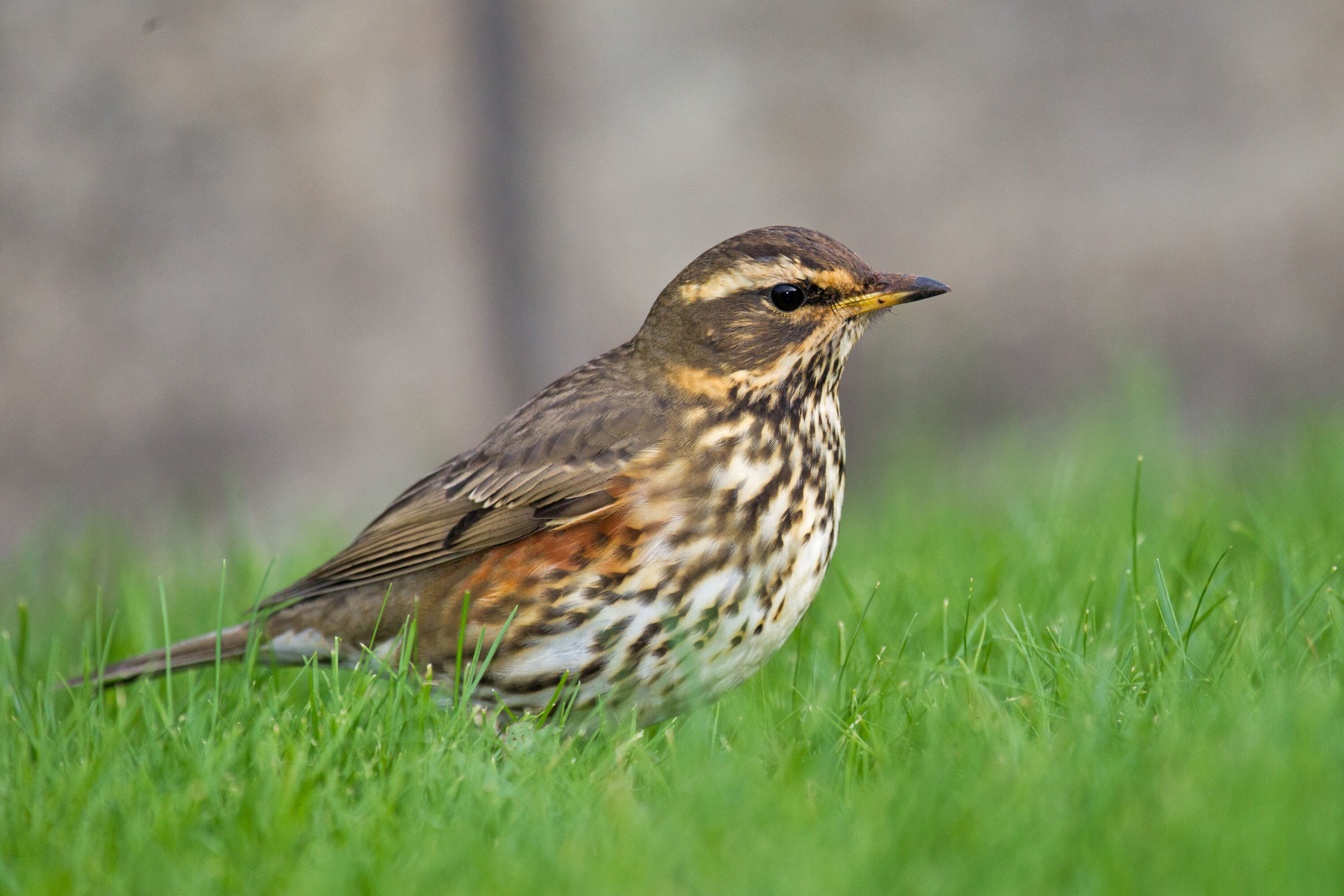
Nearly Three-quarters of Migrating Redwings Carried Ticks During Two Mild Belgian Autumns
Ticks were found on 72.9% of 284 redwings sampled during late-autumn migration in Belgium; 12.9% of 698 screened…
Read story →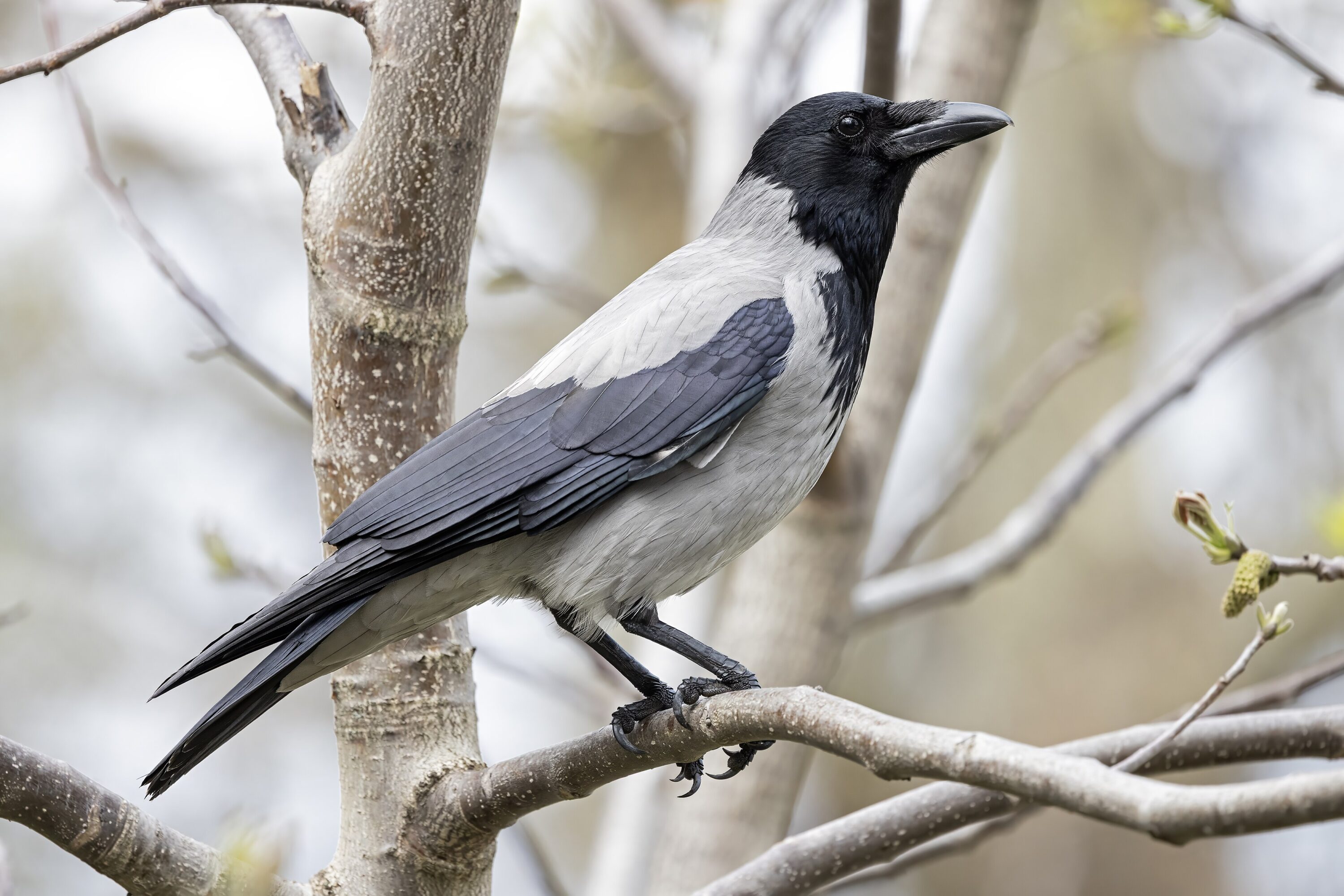
Hooded Crows Were Linked to 87 Reported West Nile Virus Bird Outbreaks in Europe
The September ECDC–EFSA report linked hooded crows to 87 reported West Nile virus bird outbreaks, Eurasian magpies to…
Read story →SPECIES IN THIS STORY
Species in this story
Independent research and conservation news archive
Did you find this information useful?
Wildlife Vagabond is independently built and maintained. Voluntary support helps cover source verification, hosting and continued work on research and conservation news.
Support Wildlife VagabondThe news archive will remain freely available.