
12 of 17 Male Eurasian Wrens Kept Winter Territories Into the Breeding Season

Male Eurasian wrens (Troglodytes troglodytes) remained territorial at a mountainous breeding site in Japan through the non-breeding season, according to a study first published online on 9 March 2026. Of 17 wrens that showed clear territorial behaviour during winter, all were identified as males, and 12 were still defending territories during the following breeding season.
The fieldwork was carried out in Ashiu Research Forest in Kyoto, where the study area followed about 5.5 kilometres of rivers and streams at roughly 650–700 metres above sea level. Winter surveys ran from 9 November to 14 December 2023, followed by breeding-season observations from April to July 2024.
Winter territories were defended with calls rather than song
The researcher used playback of the wrens’ short “tic” calls to locate and map winter territories. These calls were frequently used during vocal interactions between birds in winter, in a role similar to territorial song during the breeding season.
The 17 territorial birds were later sexed from breeding behaviour or molecular analysis, and all proved to be males. Twelve retained territoriality into the breeding season. Five were no longer observed, while six additional males that had not been recorded during winter established territories after the breeding season began.
Most returning males expanded their territories
Across all males, mean territory length was about 155 metres in winter and 206 metres in the breeding season, a statistically significant difference. Among the 12 males that retained territories across both periods, however, the change in territory length was not statistically significant. Eight of those 12 males expanded their territories.
The author suggests that defending a territory during winter may allow males to secure breeding sites earlier. In this polygynous species, males with higher-quality territories may have a better chance of attracting more than one female. Whether winter territoriality actually improves later reproductive success is now being tested.
The results show that territorial competition at a breeding site can begin months before the breeding season itself. The author notes that the study covered only one year and that longer-term observations are needed to determine how consistently the pattern occurs.
Behaviour
Related news
More Urbanised Streams Had Fewer Insectivorous Bird Species Across Five European Cities
Across 102 urban streams in five cities in Portugal, France, Italy, Belgium and Norway, insectivorous bird richness was…
Read story →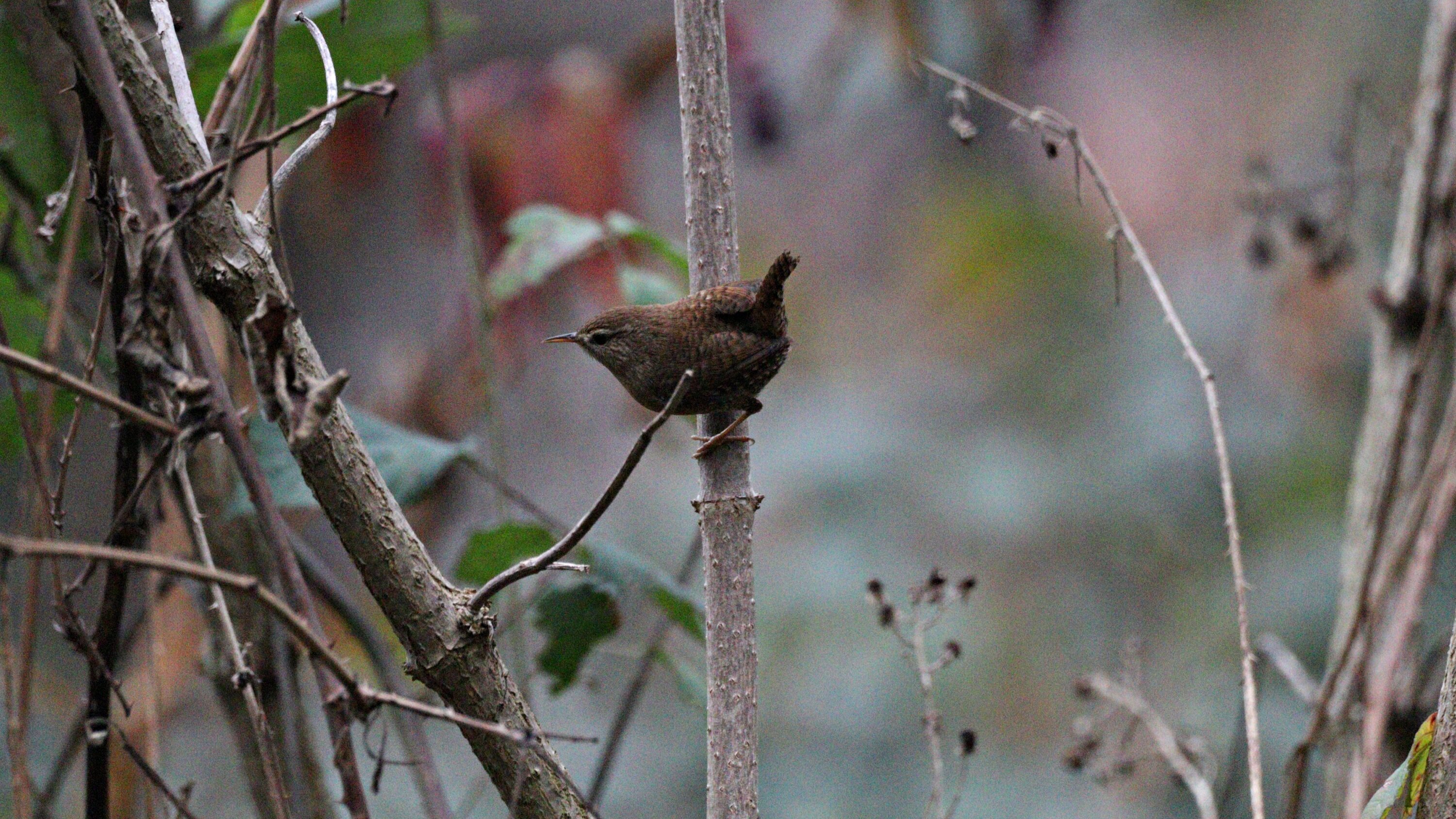
End of Eurasian Wren Spring Passage Shifted 5.7 Days Earlier Over 60 Years
Sixty years of ringing data from Hel in Poland show that the end of Eurasian wren spring passage…
Read story →
Lesser Whitethroat and Wren Captures Increased While Icterine Warbler Captures Declined at a Hungarian Ringing Site
A standardized 2016–2024 ringing study in southeastern Hungary found significant increases in lesser whitethroat and Eurasian wren captures,…
Read story →SPECIES IN THIS STORY
Species in this story

Independent research and conservation news archive
Did you find this information useful?
Wildlife Vagabond is independently built and maintained. Voluntary support helps cover source verification, hosting and continued work on research and conservation news.
Support Wildlife VagabondThe news archive will remain freely available.