
Mercury in Diving-Bird Droppings Rose at Most Kerala Wetlands
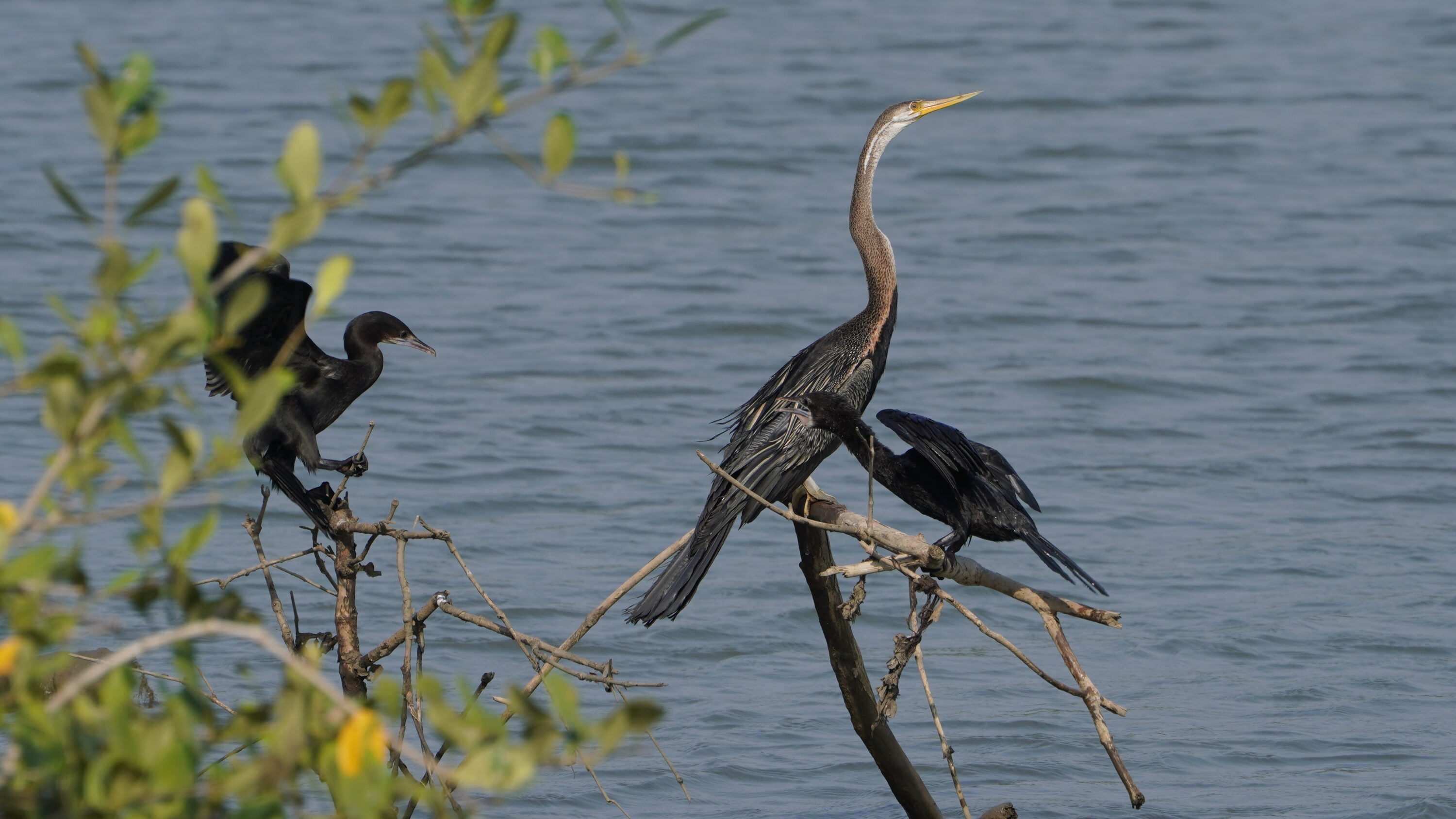
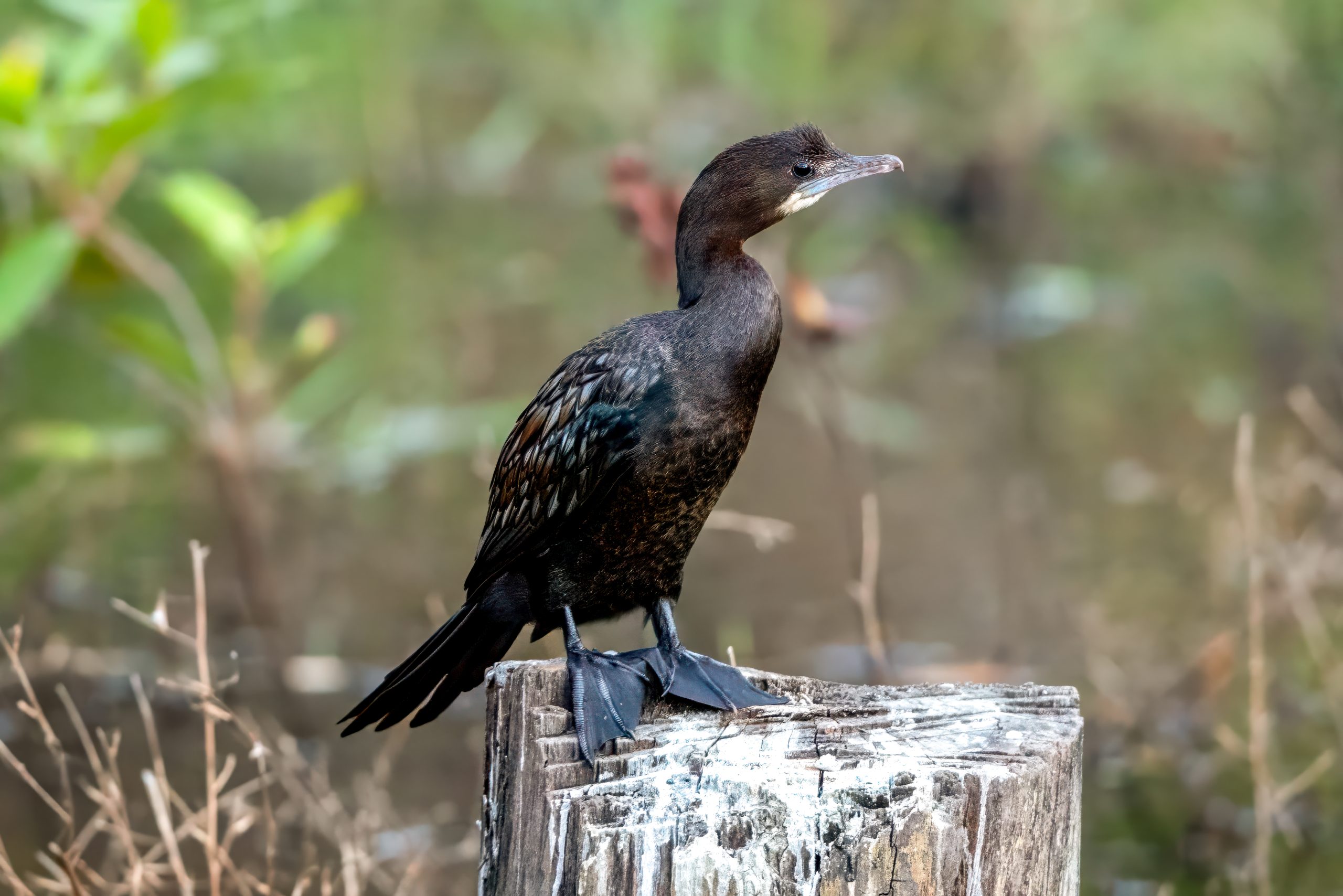
A 2026 study found strong spatial and temporal differences in total mercury measured in droppings from little cormorants (Microcarbo niger) and oriental darters (Anhinga melanogaster) across six wetlands in Kerala, India. Mercury increased at most sites from 2022 to 2024, but the size of the rise differed sharply among locations. Coastal wetlands were generally more contaminated than inland sites, and little cormorants generally had higher exposure proxies than oriental darters.
Researchers collected 72 fresh dropping samples between 2022 and 2024 from freshwater agricultural wetlands, a saline agricultural site, inland mangroves and coastal mangroves. Species identity was confirmed visually before samples were collected. In the laboratory the samples were digested and total mercury was measured with cold-vapour atomic absorption spectrophotometry, in which mercury is converted to vapour and quantified from how strongly it absorbs light at a characteristic wavelength. The authors describe droppings as a non-invasive indicator of recent, diet-derived mercury exposure rather than a direct measure of whole-body burden.
The strongest rises occurred at Puthuvype and Ulavaipu
The strongest increases occurred at Puthuvype and Ulavaipu. In little cormorant droppings, the highest reported mean concentration reached 48.79 mg/kg wet weight at Puthuvype in 2024, while oriental darter values reached up to 36.72 mg/kg by 2024. By contrast, inland Maramangalam remained below about 1 mg/kg and changed little over the three-year period. The contrast shows that the temporal increase was not uniform across Kerala’s wetlands.
Droppings tracked recent local exposure, not health effects
Mercury did not rise at one uniform rate: the temporal pattern depended on both species and location. The authors conclude that these strong site-specific patterns support using the two fish-eating birds as sentinels of recent local mercury exposure in tropical wetlands, with the more contaminated wetlands along Kerala’s coast a priority for continued monitoring. They also caution that the study measured an exposure proxy rather than toxic effects in the birds. High mercury values may indicate potential neurotoxic risk, but prey, blood or other biological matrices would be needed to connect faecal mercury more directly with body burden and health effects.
Threats
Related news
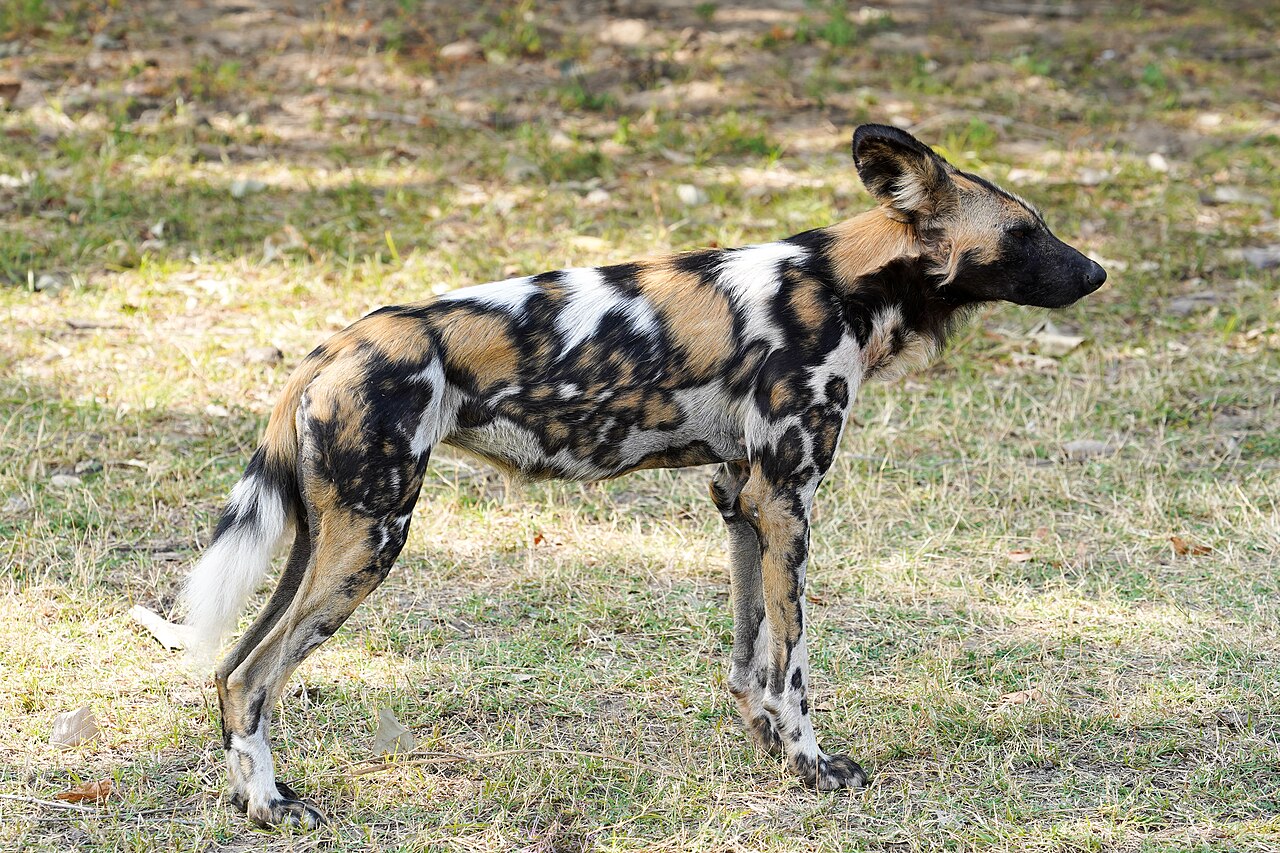
Four African Wild Dog Dispersals Totalled 9,863 km but Produced Little Genetic or Demographic Connectivity
GPS-tracked African wild dogs from Zambia crossed protected and human-dominated landscapes, including one journey of more than 2,300…
Read story →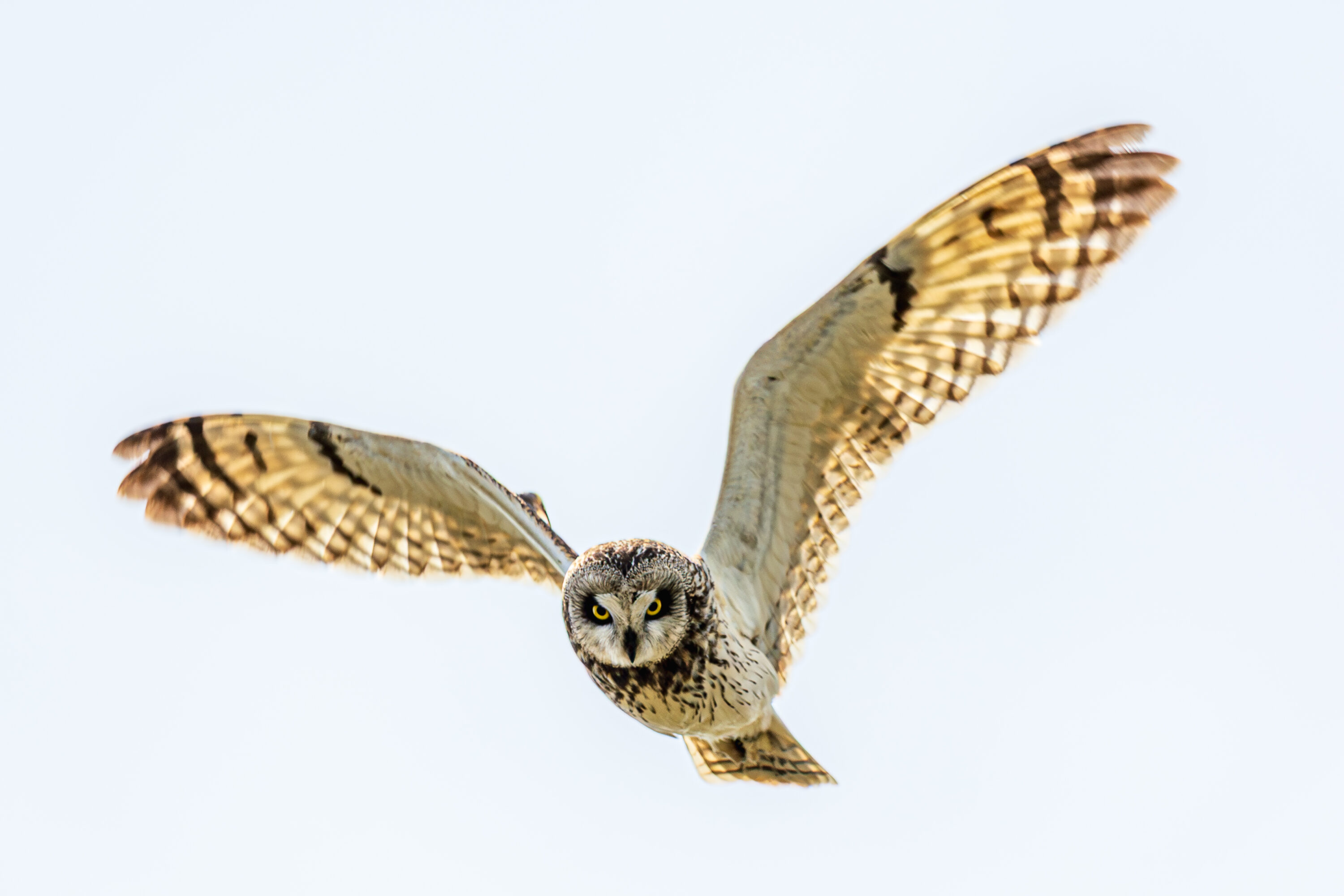
Western Finland’s Short-eared Owl Breeding Population Fell More Than 50% as Grassy Habitat Shrunk 46%
Over 47 years in western Finland, the local Short-eared Owl breeding population fell by more than 50% while…
Read story →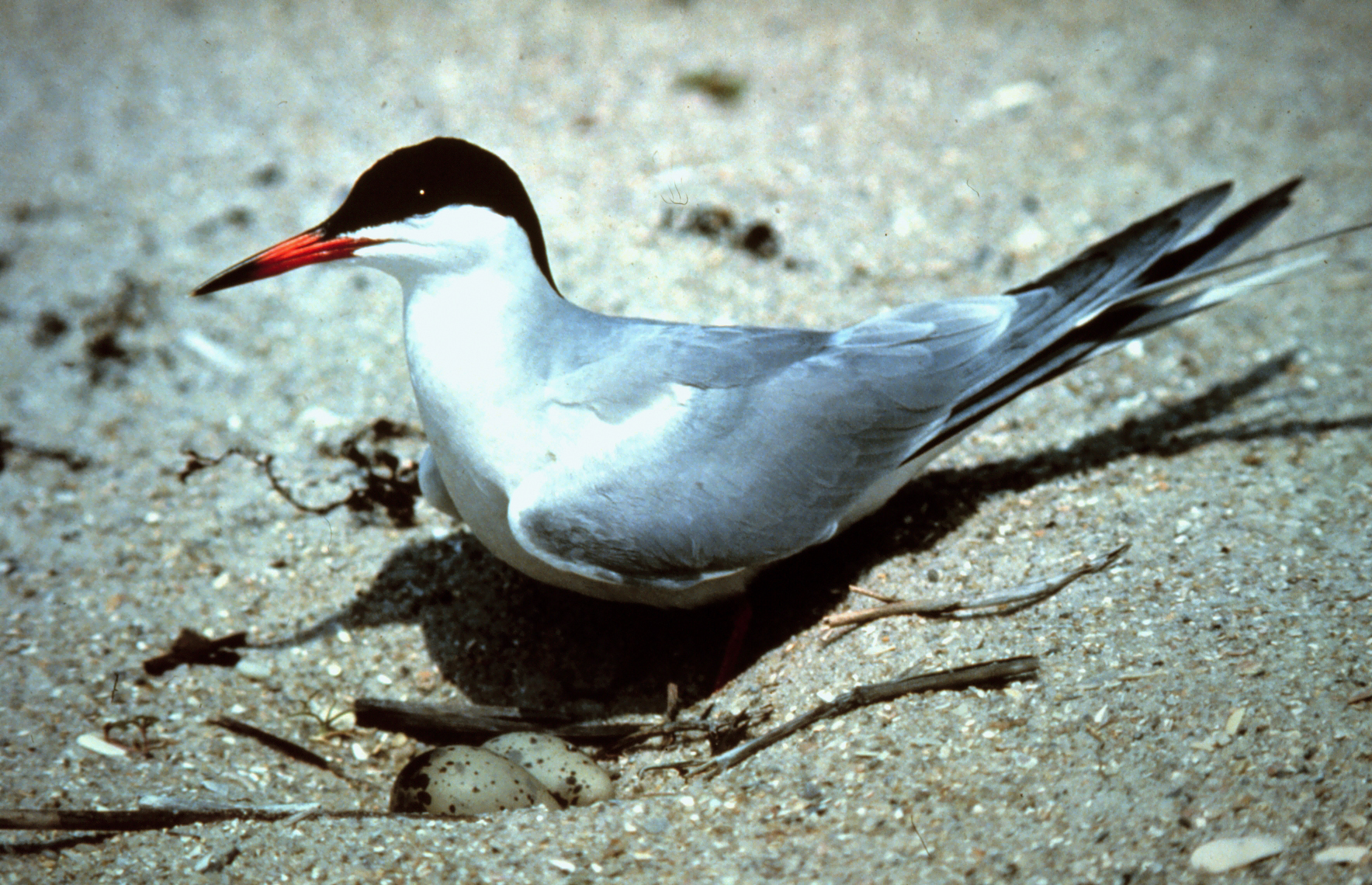
Common Tern Eggs Had More PCBs, HCB and Mercury Than Oystercatcher Eggs in 40-Year Wadden Sea Study
Monitoring from 1981–2023 found higher PCB, HCB and mercury levels in common tern eggs than in Eurasian oystercatcher…
Read story →SPECIES IN THIS STORY
Species in this story
Independent research and conservation news archive
Did you find this information useful?
Wildlife Vagabond is independently built and maintained. Voluntary support helps cover source verification, hosting and continued work on research and conservation news.
Support Wildlife VagabondThe news archive will remain freely available.