
Bird Droppings Contained Both Plant Nutrients and Resistance Genes
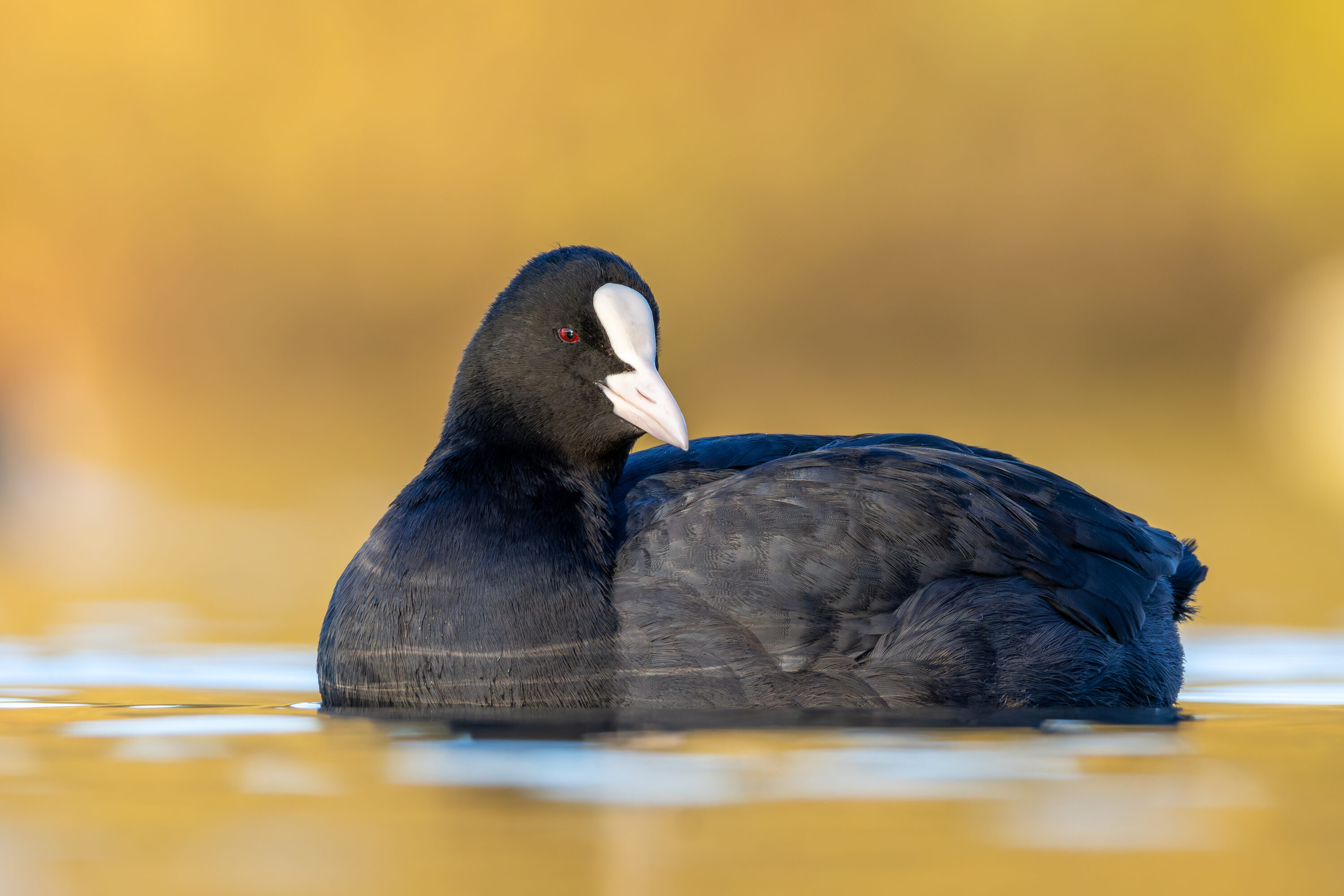
When waterbirds gather for winter, they also leave large amounts of droppings. At Caohai Wetland in southwest China, researchers found that these droppings contained phosphorus in forms that can readily nourish algae. They also found antibiotic-resistance genes and DNA from microbes that can cause disease.
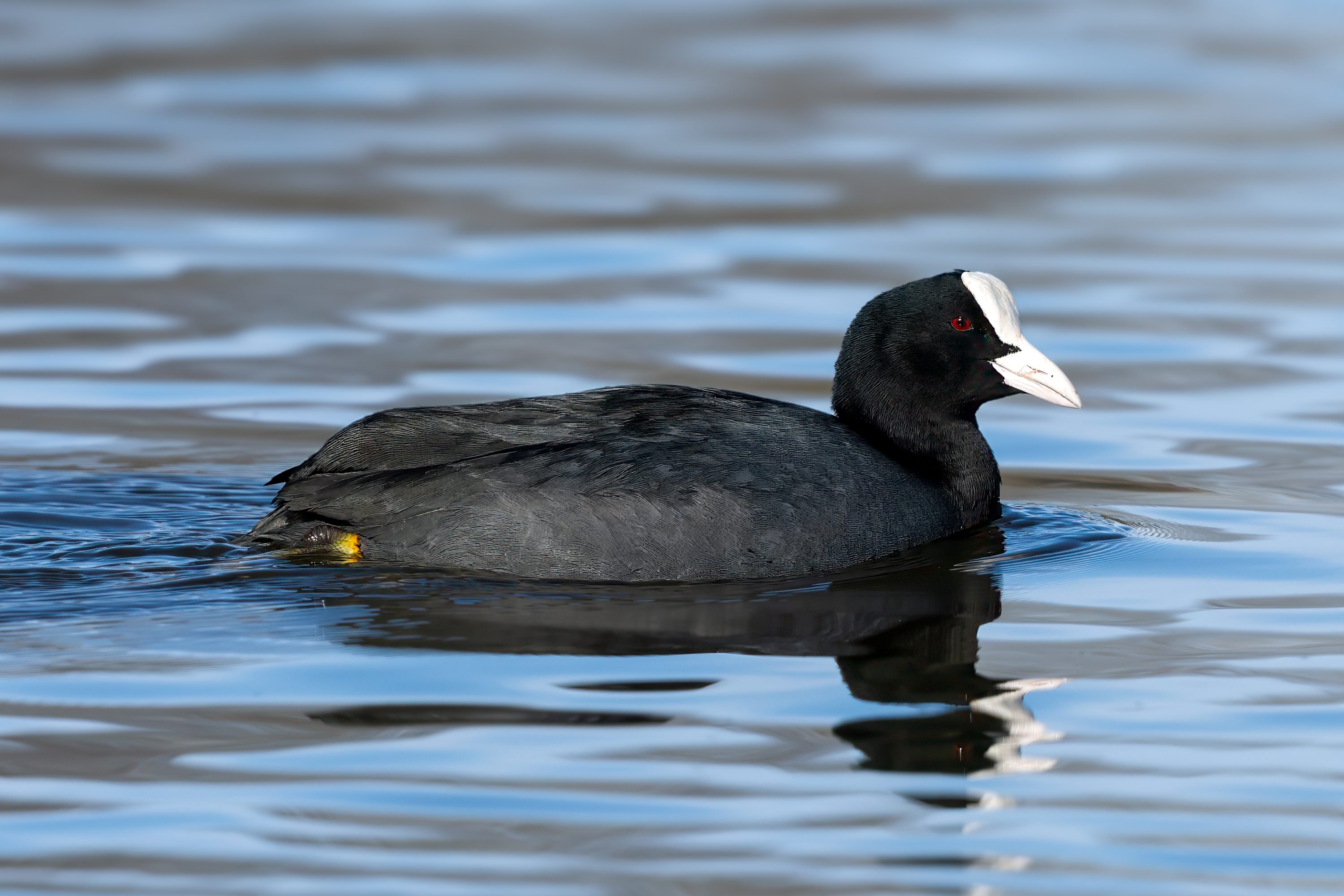
The researchers examined fresh droppings from seven bird species in 2024 and 2025. The samples came from two crane species, Eurasian Coots (Fulica atra) and four duck species wintering in the area. The aim was to understand how nutrients and microbes from birds could affect the wetland.
Phosphorus that is readily available
Droppings from the cranes and coots contained an average of 0.65 percent phosphorus by dry weight, compared with 0.36 percent for the four duck species. The first group therefore had almost twice as much phosphorus per amount of dry droppings.
Most of the phosphorus, averaging 90.7 percent, was orthophosphate. This form can readily be released into water and taken up by algae. The researchers also found organically bound phosphorus that can be broken down easily. Bird droppings could therefore contribute to eutrophication, or excessive nutrient enrichment, where large quantities accumulate.
Multidrug-resistance genes were most common
DNA analysis revealed 21 classes of antibiotic-resistance genes. Multidrug-resistance genes, which can make bacteria resistant to several types of antibiotics, were the most abundant class. The most widespread individual gene was macB, which forms part of a system bacteria use to pump antibiotics out of the cell.
The researchers also detected genetic traces of 231 potentially disease-causing microbes. Prominent among them were the bacteria Staphylococcus aureus, Salmonella enterica and Pseudomonas aeruginosa, all of which can cause infections in humans. The DNA findings identify the organisms the material came from, but do not establish that they were alive and infectious.
The researchers suggest that metals and nutrients may act together: metals such as copper and cadmium can favour resistant bacteria, while phosphorus supplies nutrients for growth. Associations between metal concentrations, phosphorus and different genes in the samples support this possible explanation, but gene transfer between bacteria was not tested directly.
The study thus points to bird droppings as a potential source of both nutrient enrichment and the spread of resistance. The size of their impact in the wetland’s water and sediments remains to be measured. The researchers recommend long-term monitoring of bacteria and resistance genes alongside protection and restoration of the birds’ habitats.
Ecology
Related news
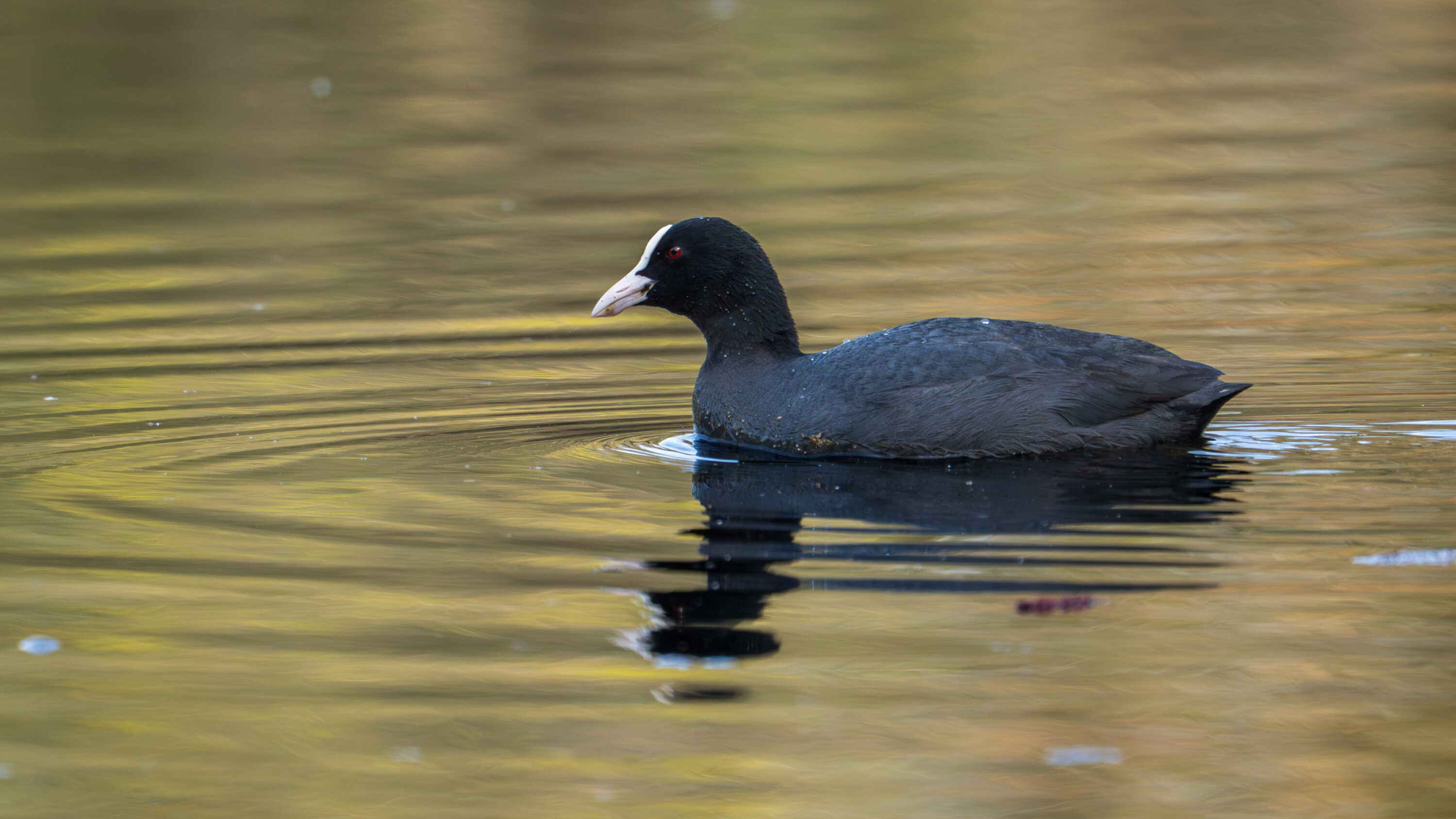
Long-Established Urban Eurasian Coots Returned Faster and Showed Less Neophobia Than Non-urban Birds
A 2026 Polish field experiment found that coots from a long-established urban population returned to their nests faster…
Read story →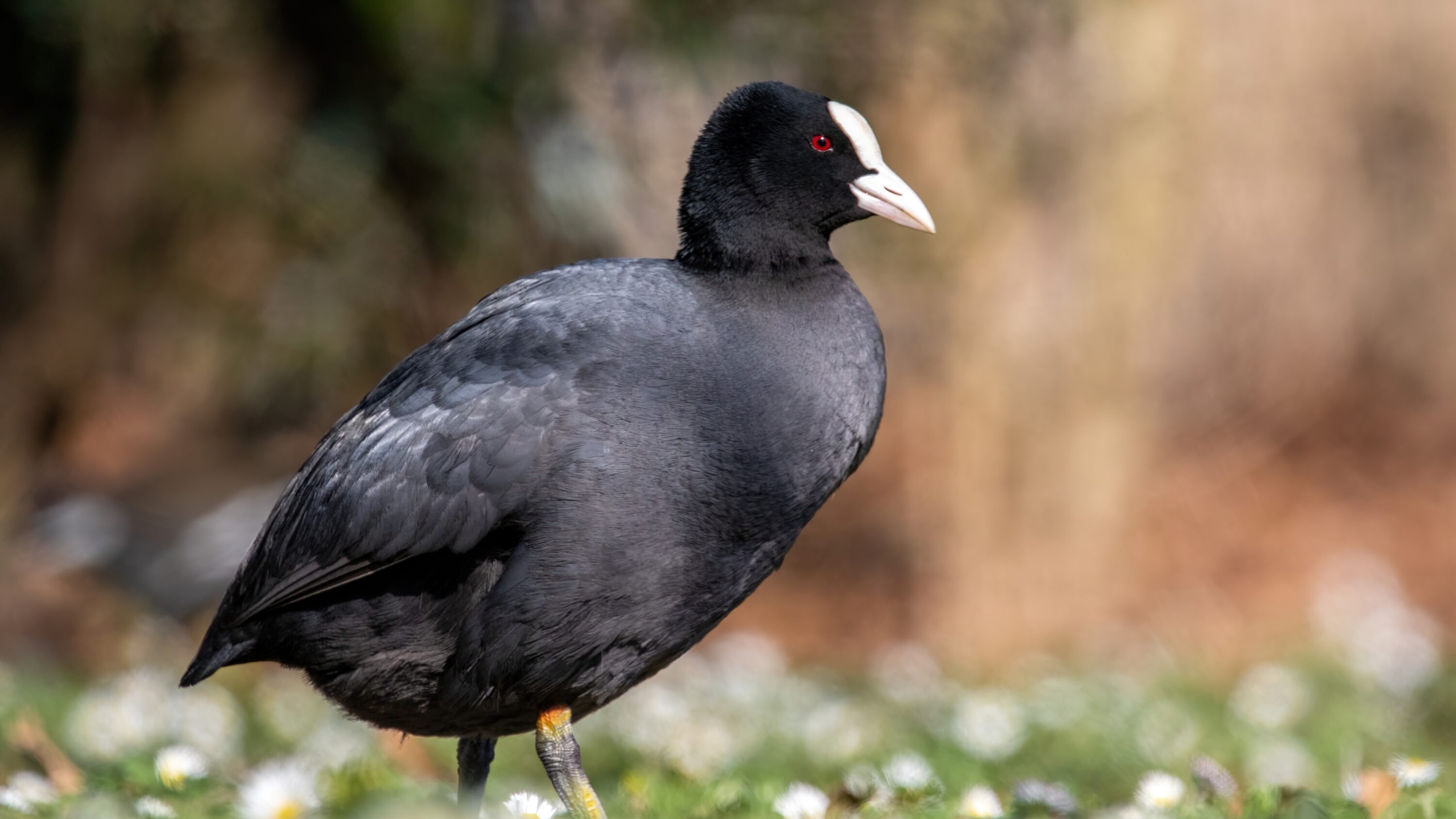
Boat traffic made wintering coots spend more time swimming in central Belgrade
A 2026 study of Eurasian coots wintering in central Belgrade found that exposure to boat traffic increased the…
Read story →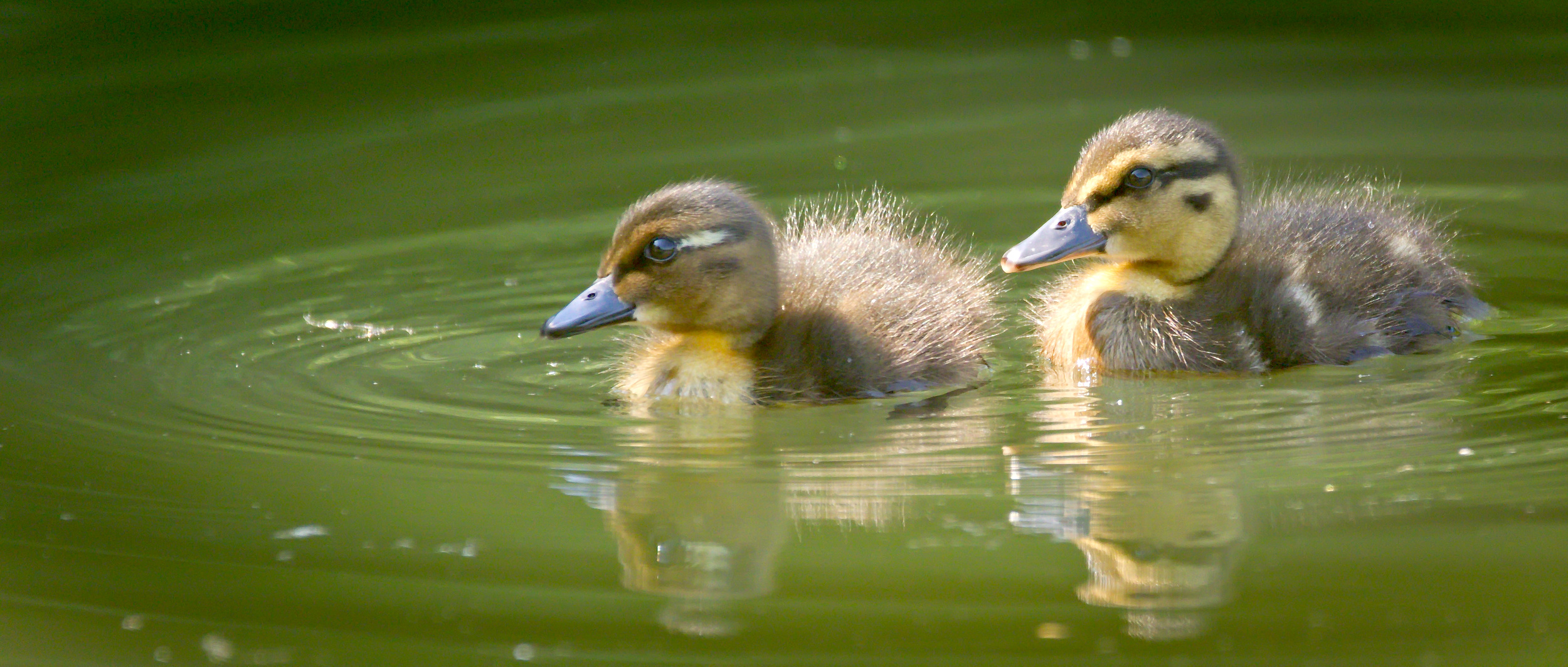
Longer Shorelines Were Associated With More Chicks in Four Urban Waterbird Species
Across 55 waterbodies in Gdańsk, Poland, longer shorelines were associated with more chicks in mallards, mute swans, Eurasian…
Read story →SPECIES IN THIS STORY
Species in this story
Independent research and conservation news archive
Did you find this information useful?
Wildlife Vagabond is independently built and maintained. Voluntary support helps cover source verification, hosting and continued work on research and conservation news.
Support Wildlife VagabondThe news archive will remain freely available.