
Nepal’s Wild Tiger Estimate Rose from 355 to 429 in Four Years
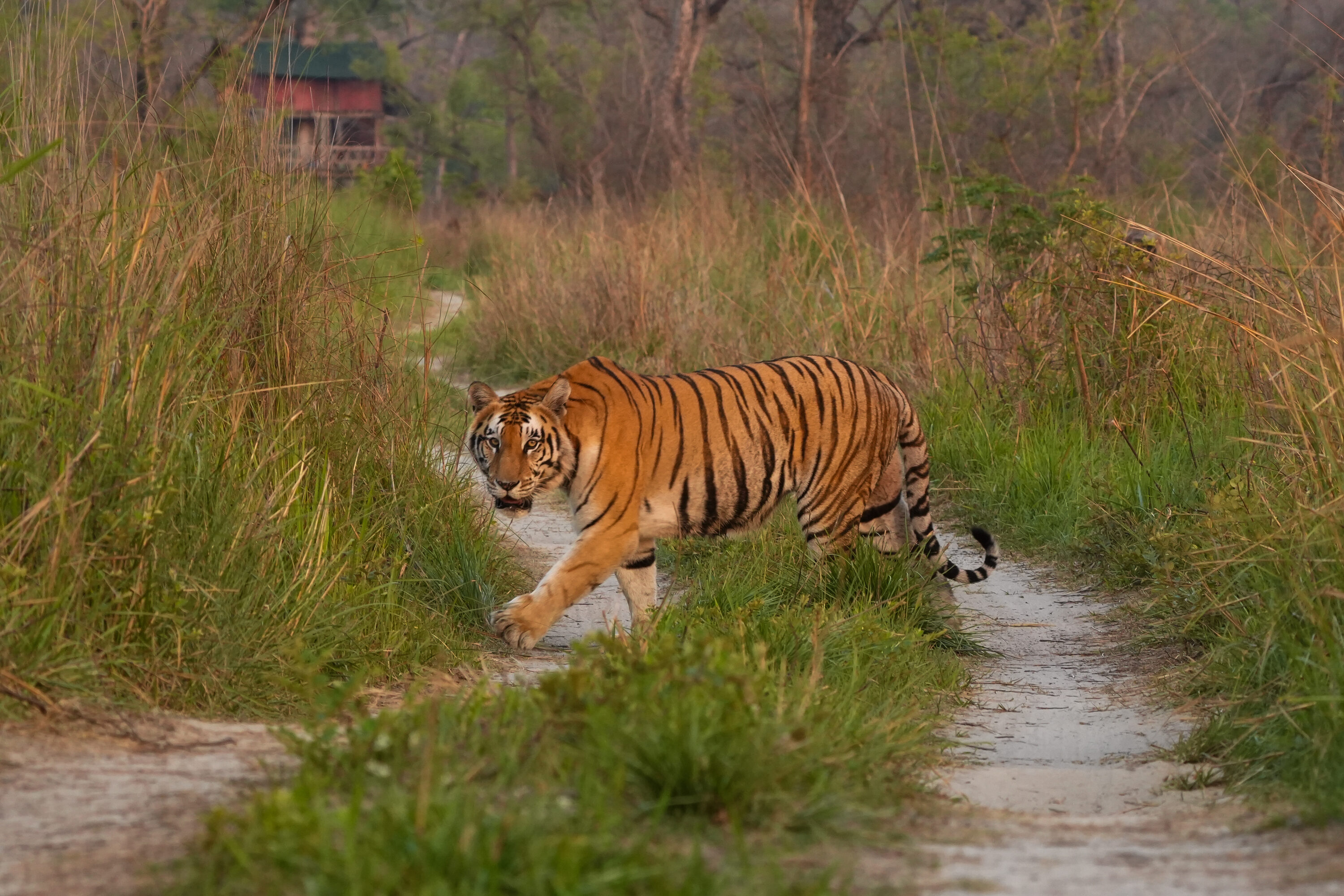
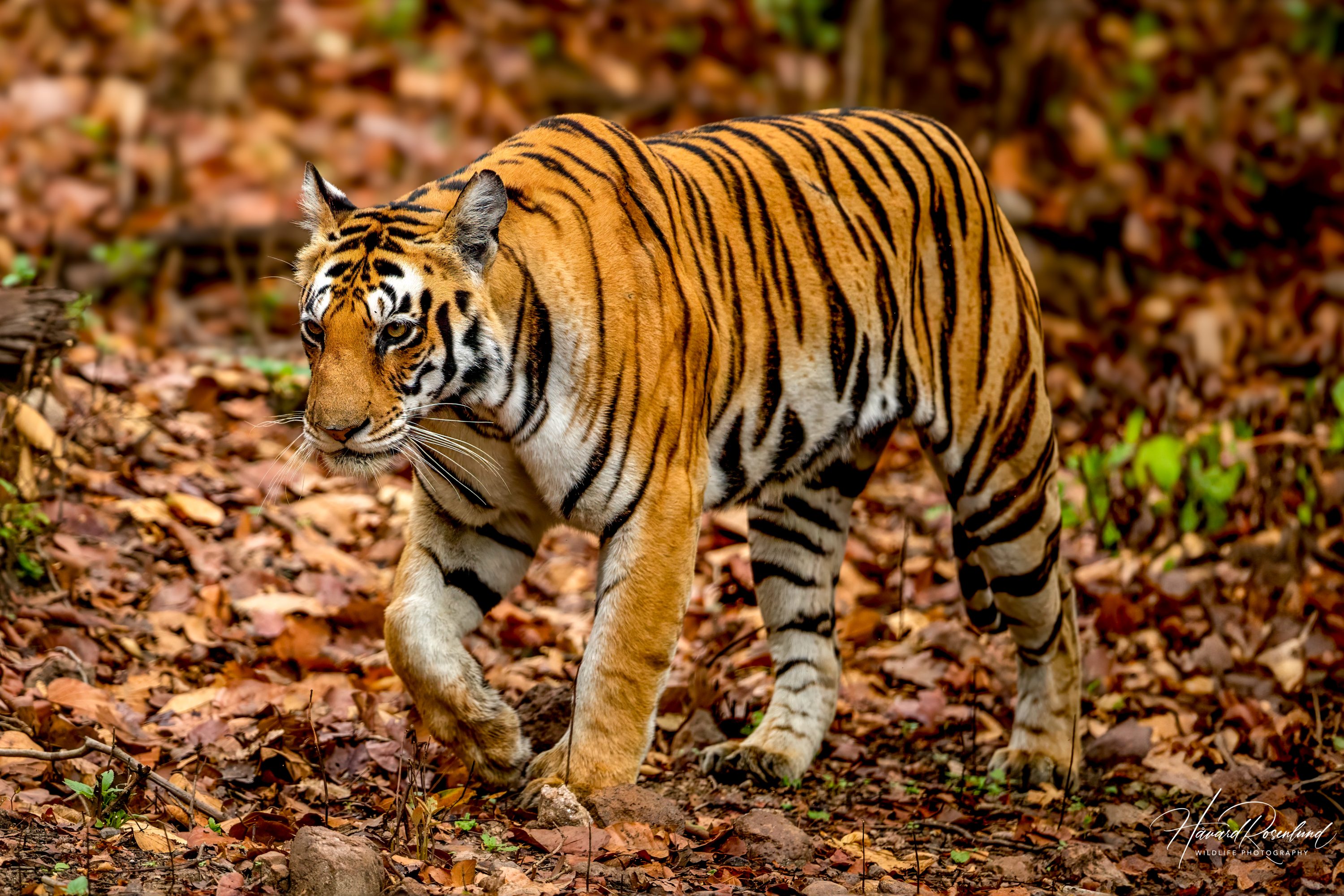
Nepal’s population of Bengal tigers (Panthera tigris tigris) has risen to an estimated 429 animals, according to the national tiger survey released by the Government of Nepal on 29 July 2026. The previous nationwide survey in 2022 estimated 355 tigers, making the new estimate 74 higher than in 2022.
The survey recorded 145 tigers in Chitwan National Park and surrounding areas, 112 in Bardiya, 71 in Parsa, 51 in Banke and 50 in Shuklaphanta. Tiger numbers increased in four of the five landscapes. Bardiya was the exception, falling from 125 tigers in 2022 to 112 in the new survey.
The largest numerical increase occurred in Parsa, where the estimate rose from 41 to 71. Banke increased from 25 to 51, Shuklaphanta from 36 to 50 and Chitwan from 128 to 145. Nepal’s national total has grown from 121 tigers in the 2009–2010 period to 198 in 2013, 235 in 2018, 355 in 2022 and 429 in 2026.
The census used camera traps across Nepal’s Terai Arc Landscape. The Department of National Parks and Wildlife Conservation led the survey with government agencies, the Nepal Army and conservation partners. Camera-trap photographs allow individual tigers to be distinguished by their unique stripe patterns and are used to estimate population size across the protected areas and connected forests.
The new estimate confirms continued national population growth but also shows that the trend is not uniform across all tiger landscapes. Nepal repeats the national census every four years, tracking tiger numbers, prey species and habitat conditions to guide future conservation planning.
Population & status
Related news
African Buffalo Herds Concentrated in Wetlands and Forest During Gambella's Dry Season
A two-year study in Ethiopia's Gambella National Park found similar but uncertain buffalo abundance estimates in 2022 and…
Read story →
Therthangal Spoonbill Colony Returned to 12 Active Nests After Complete Breeding Failure
Six breeding seasons at Therthangal Bird Sanctuary in Tamil Nadu ranged from 12 active Eurasian Spoonbill nests in…
Read story →
Cattle Egret Reporting Rate Rose From 0.38 to 0.60 in Southern African Atlas Data
A systematic review of 173 studies found generally stable or increasing cattle egret populations in the better-studied parts…
Read story →SPECIES IN THIS STORY
Species in this story
Independent research and conservation news archive
Did you find this information useful?
Wildlife Vagabond is independently built and maintained. Voluntary support helps cover source verification, hosting and continued work on research and conservation news.
Support Wildlife VagabondThe news archive will remain freely available.