
Banding Linked Seaside Heermann’s Gulls to a Gathering of About 120 Birds at Monterey State Beach
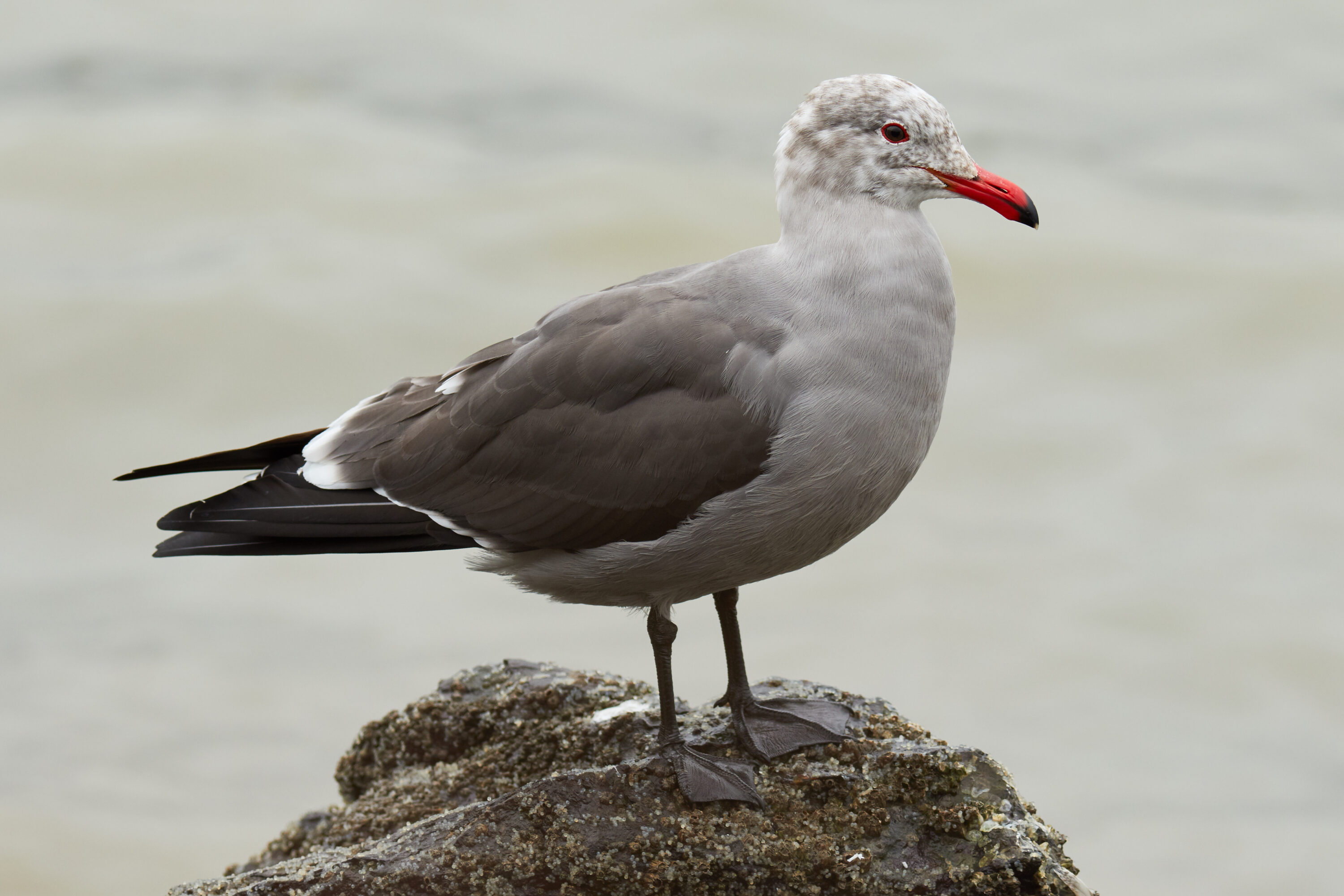
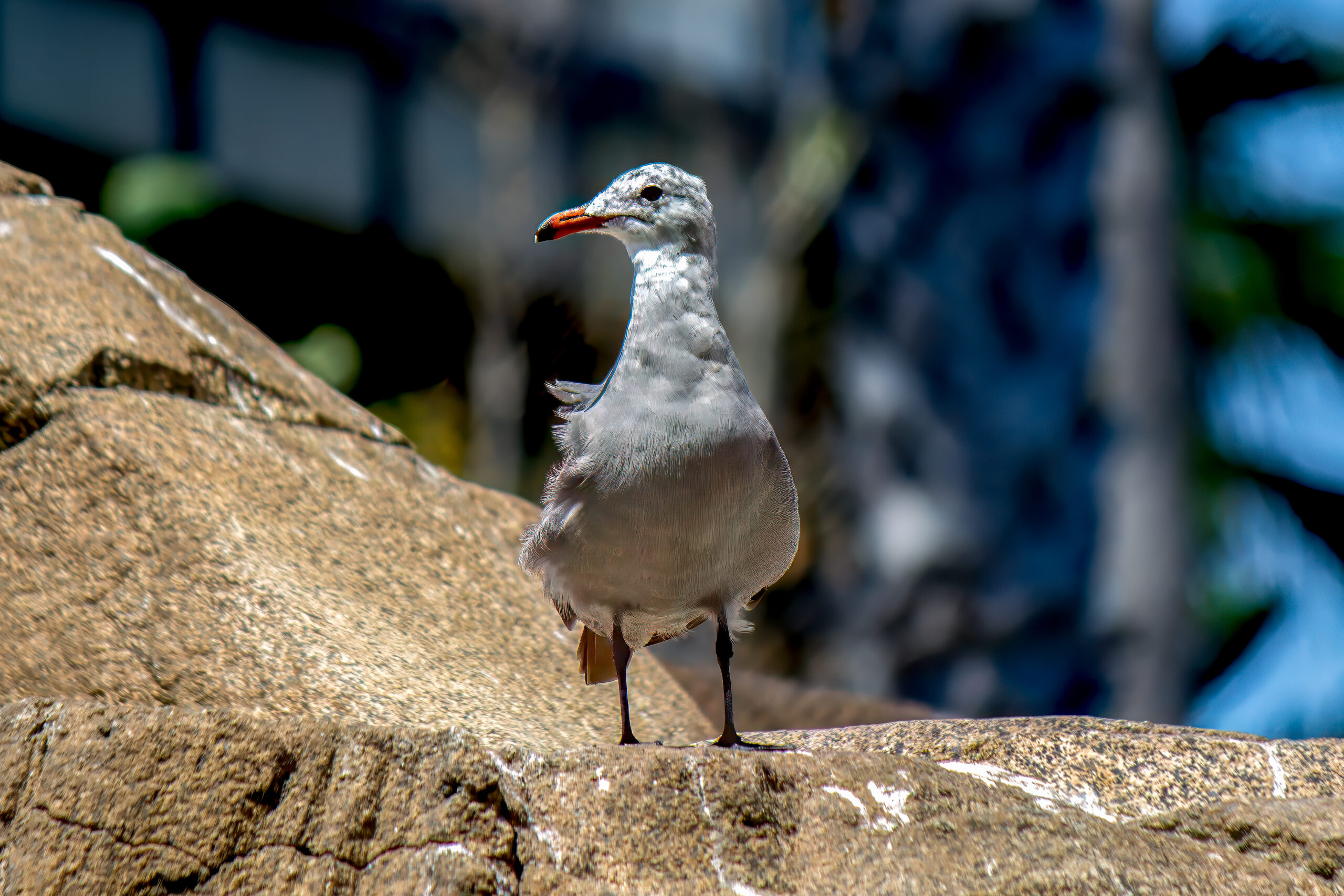
Leg bands on gulls from the only breeding colony of Heermann’s gull (Larus heermanni) in the United States have begun revealing where some of the Seaside birds go after leaving their rooftop nesting area. In a report published on 6 August 2026, project staff described counting about 120 Heermann’s gulls gathered beside an outfall at Monterey State Beach; some carried bands from the new Seaside monitoring programme, confirming that birds from the local colony were using the site.
The 2026 project brings together Monterey Audubon Society, the City of Seaside and students from California State University Monterey Bay. A primary project update from Monterey Audubon says monitoring began in March. Drones and a camera mounted on a pole were used to map rooftop nesting, and the team counted 62 nests at the seasonal peak, each containing two or three eggs.
Banding revealed where some colony birds went
Banding adds an individual-level view that counts alone cannot provide. When newly fledged birds ended up on streets below the commercial rooftops, volunteers moved them away from traffic; birds handled for return to the roofs could be fitted with metal leg bands under the supervision of a local bander. By the end of July, the project reported 14 gulls banded and five different banded individuals seen at the beach. The August observation of banded birds among the larger gathering showed that at least some Seaside birds were reaching this coastal site.
Rooftop nesting creates street-level risks
The urban colony also creates immediate risks. From 23 June through the end of July, 17 volunteers patrolled Broadway during busy periods, spoke with residents and visitors and moved grounded fledglings away from traffic. The city installed signs warning drivers about young birds in the road. Project coordinator Kyan Russell told Monterey County NOW that six birds had died in a single day in 2025, before the programme, whereas six deaths had been recorded in total during the 2026 season by the time of the 6 August report.
Most Heermann’s gulls breed in Mexico, while Seaside holds the only known breeding colony in the United States. The partners say their long-term aim is not to keep the colony on commercial rooftops but to develop a safer nesting option. Band sightings, nest monitoring, drone surveys and street-level protection are being used together to understand how the colony uses Seaside and where management can reduce risks to fledglings.
Management
Related news
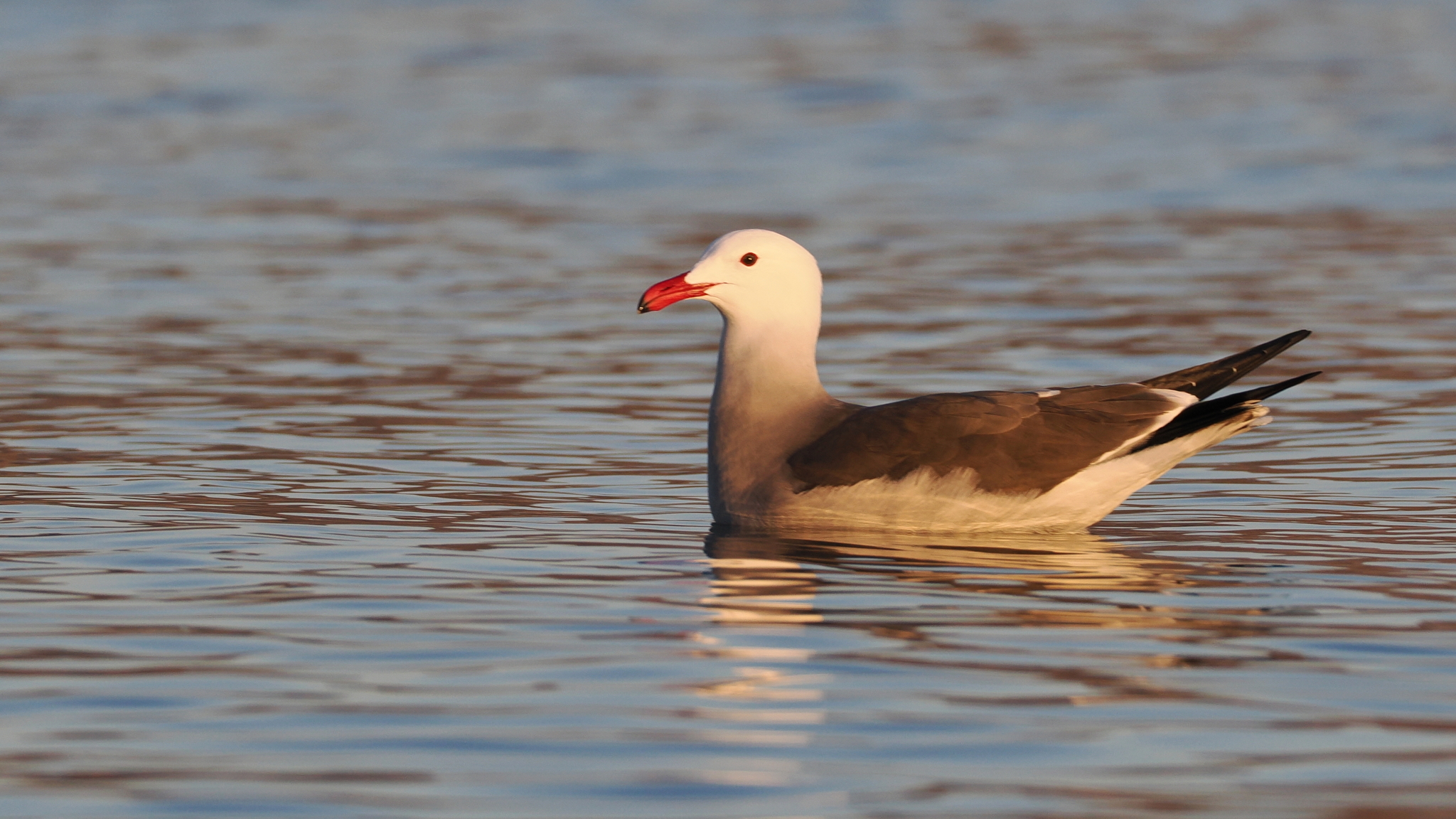
Three Pelagic Fishes Made Up 93.8% of Fish Prey Taken by Heermann’s Gulls and Elegant Terns at Isla Rasa
Eight breeding seasons of diet sampling at Isla Rasa found that 93.8% of the fish prey taken by…
Read story →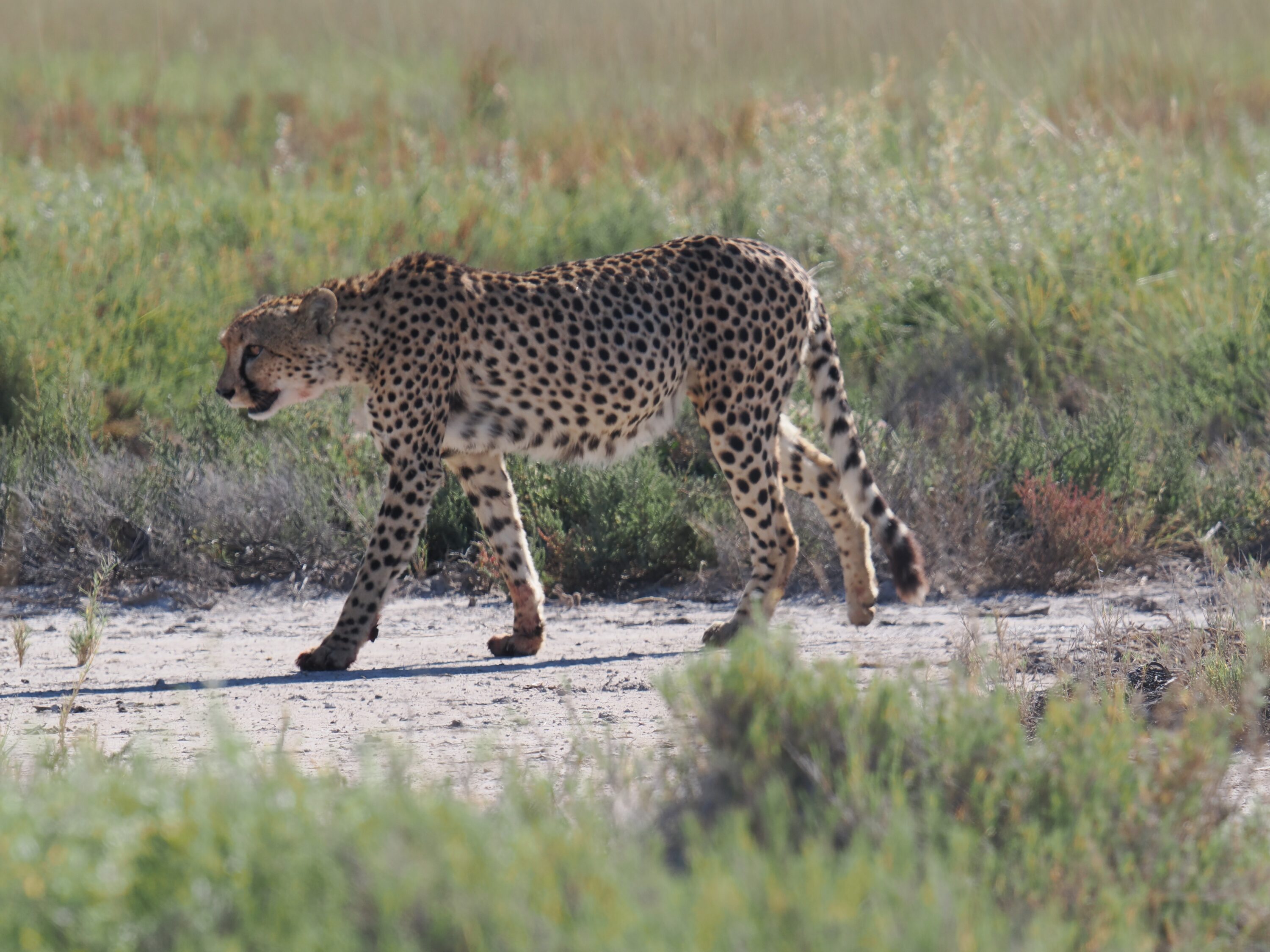
India’s Cheetah Project Sparked Debate Over Deaths, Transparency and Whose Expertise Counted
A review of 28 documents about Project Cheetah in India found sharply different accounts of its conservation goals,…
Read story →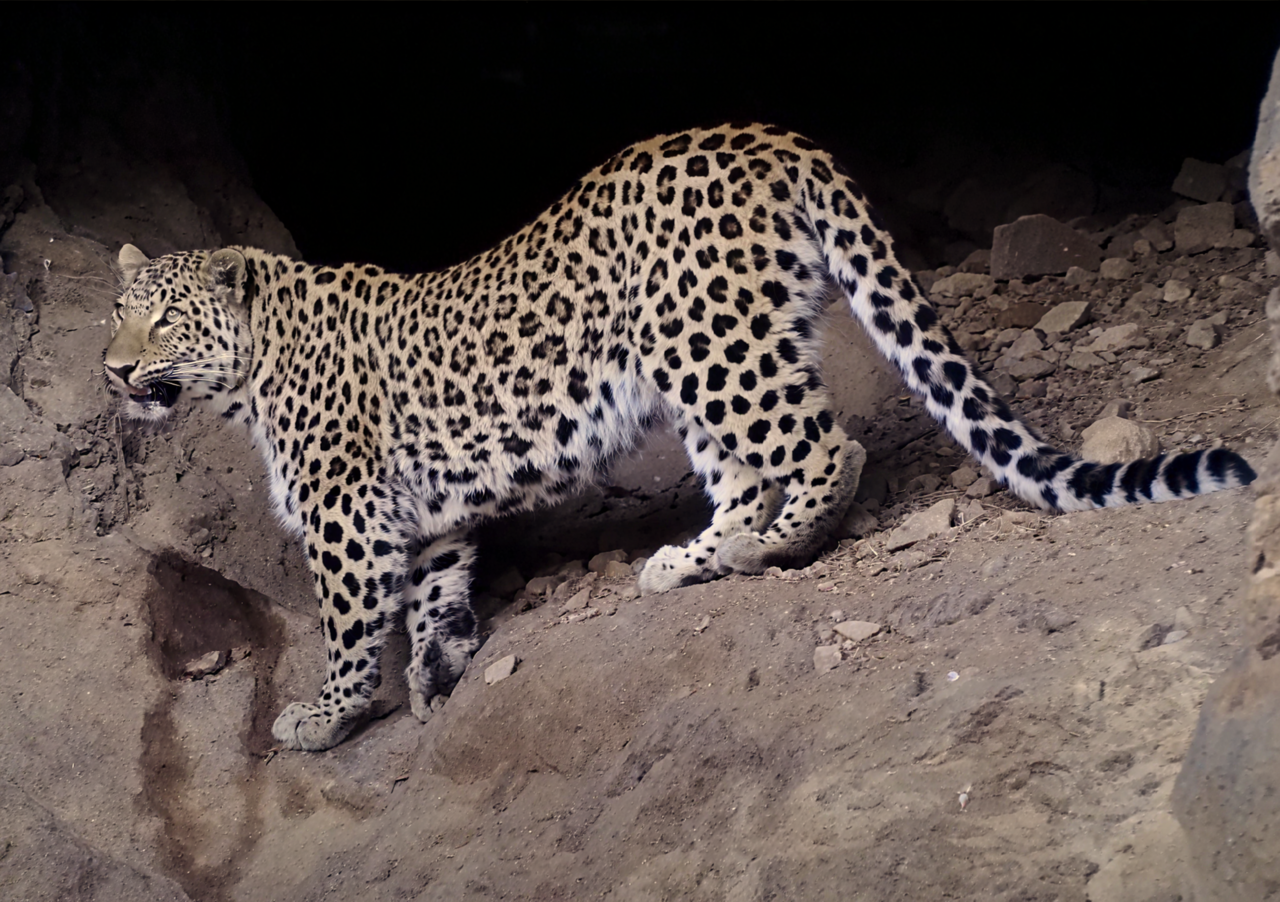
Living With Carnivores Is About More Than Livestock Losses
Near Iran’s Golestan National Park, researchers explored what was associated with people’s willingness to accept leopards, wolves and…
Read story →SPECIES IN THIS STORY
Species in this story
Independent research and conservation news archive
Did you find this information useful?
Wildlife Vagabond is independently built and maintained. Voluntary support helps cover source verification, hosting and continued work on research and conservation news.
Support Wildlife VagabondThe news archive will remain freely available.