
Nimule’s Modelled Warthog Density Ranked Among Africa’s Highest in a Continental Review
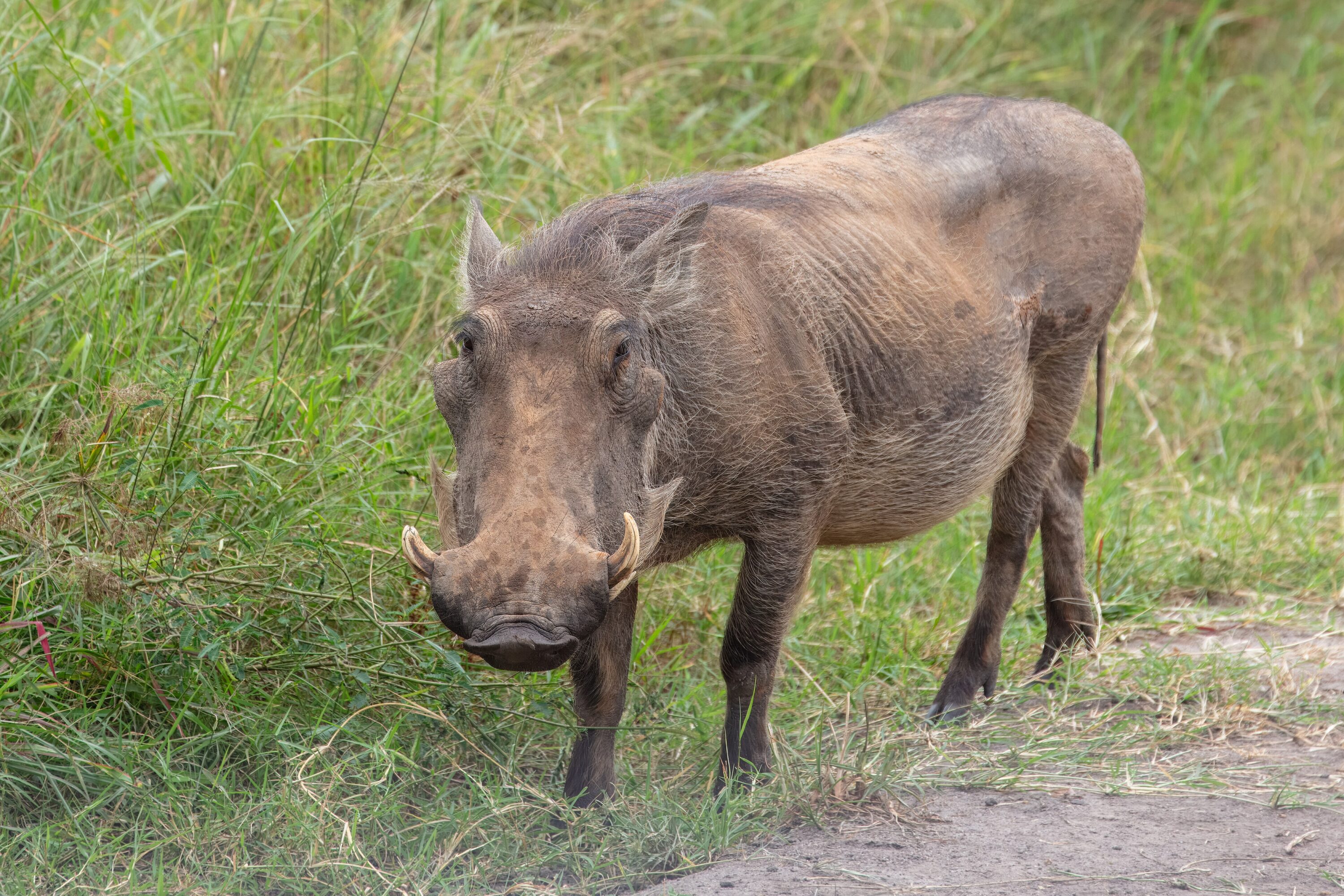
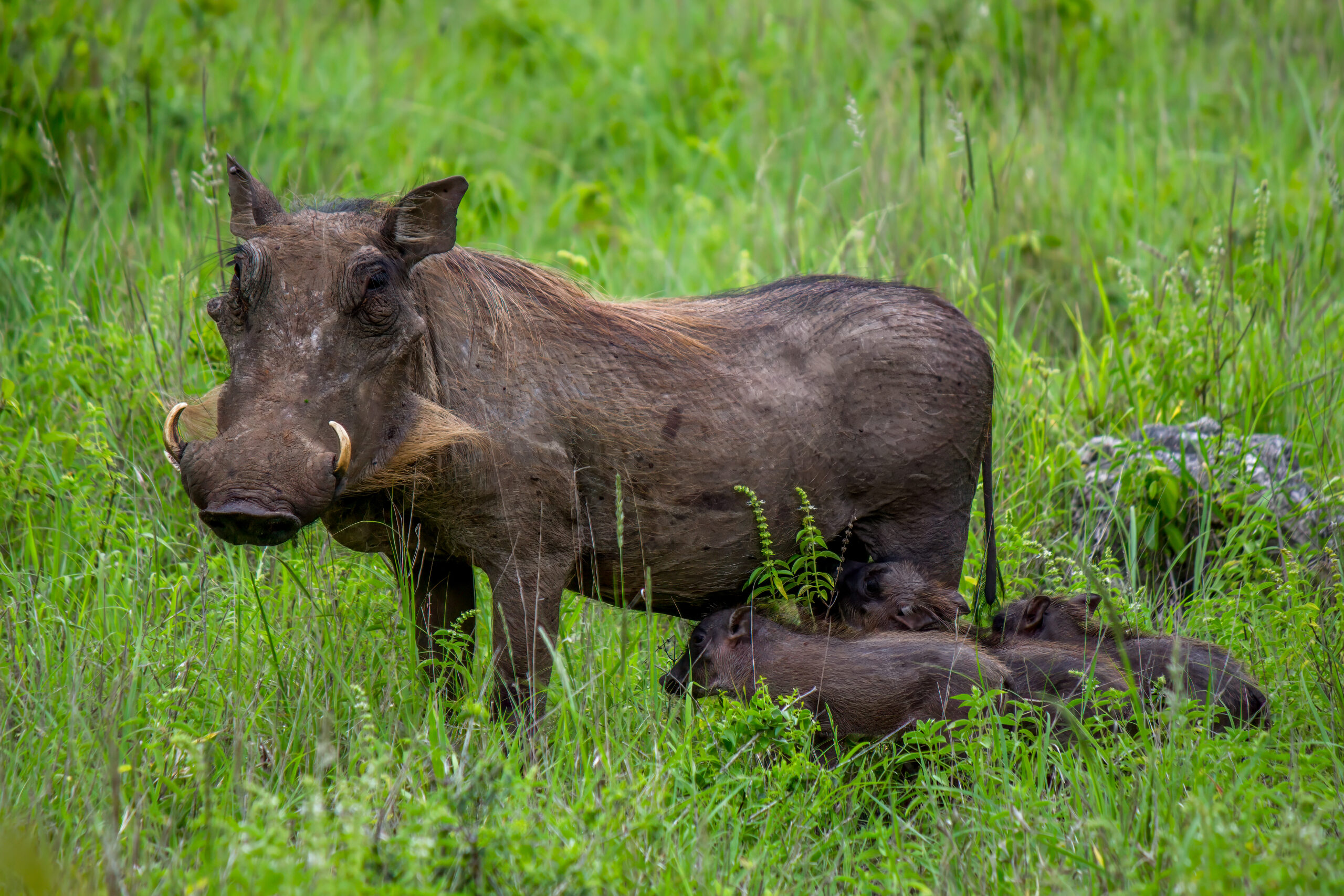
A study published on 31 May 2026 provided the first standardised, protocol-based assessment of common warthog (Phacochoerus africanus) density in Nimule National Park, South Sudan. The researchers also compared the modelled density with published warthog densities from sites elsewhere in Africa.
The fieldwork used 20 line transects distributed across three habitat types, with 264 kilometres of survey effort in 2015 and 2016. Observers searched along fixed routes and recorded detected warthogs, while distance-sampling methods accounted for the fact that animals farther from the transect line are less likely to be seen. In this context, density is the estimated number of animals per unit area, whereas abundance is the estimated total number within the park’s 256 km² core zone.
The model estimated roughly 4,000 warthogs in the core zone
Across the 2015–2016 study, distance sampling produced an abundance estimate of approximately 4,000 warthogs in the core zone. The authors note that this substantially exceeded the 265 animals recorded in 2000 but remained below historical estimates from 1987. In their continental review, Nimule’s modelled density ranked among the highest reported for African warthog populations.
Sightings and estimated abundance differed sharply between years
The two survey years did not describe a stable population level. Warthog sightings and modelled abundance increased by roughly 16–22 times between years. The authors link this strong interannual variation to changing environmental conditions and forage availability rather than interpreting the estimate as a fixed population size.
Burrow availability was an important part of the spatial pattern. Areas with more burrows had more warthog sightings and higher estimated abundance. Warthogs use underground burrows as shelter, particularly during dry periods, and the authors identify burrow-rich dry-season refuges as an important habitat feature in Nimule. Human disturbance, by contrast, did not receive statistical support as a predictor in the models used in this study.
The comparison across Africa also showed that local site-level conditions explained density variation better than broad geographical position alone. Densities differed greatly even among sites within the same country. The authors therefore emphasise long-term standardised monitoring in Nimule, where both the high modelled density and the large year-to-year variation make a single survey an incomplete picture of the population.
Population & status
Related news
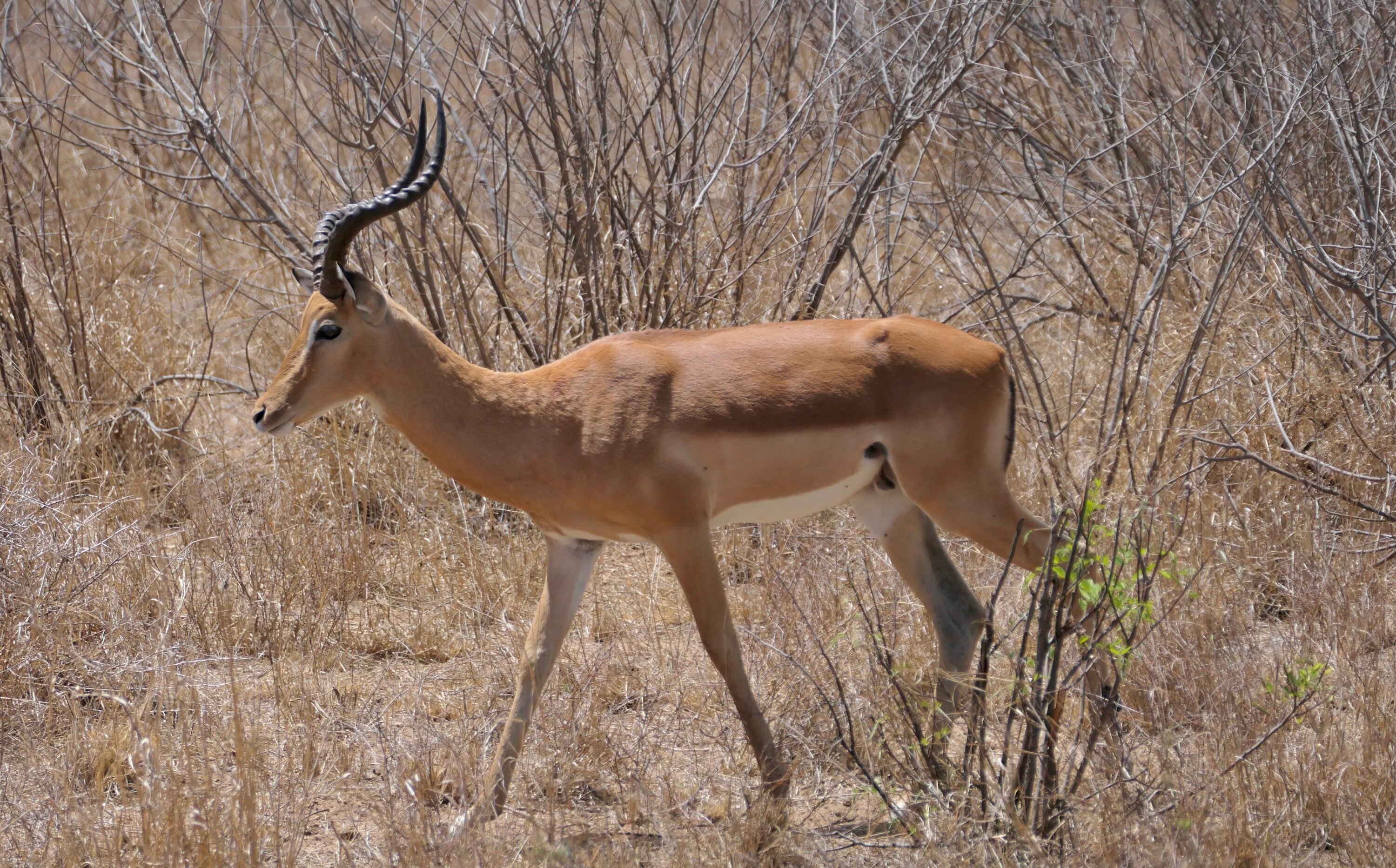
Faecal egg counts missed many nematode infections in African ungulates
In Kruger National Park, egg counts in faeces often detected fewer infections than counts of adult worms recovered…
Read story →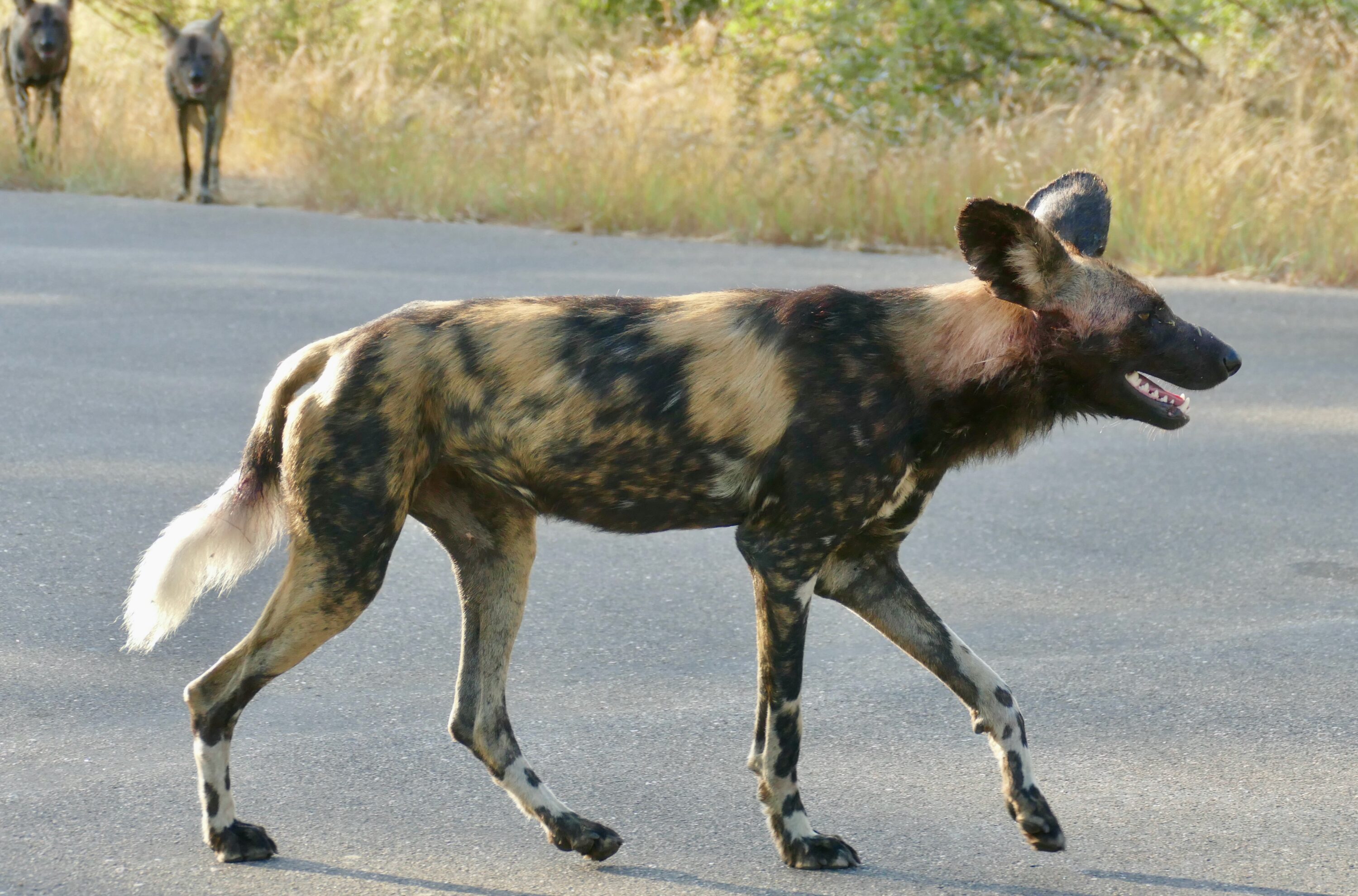
Food Leaves Its Mark on the Gut Bacteria of Kruger’s Wildlife
Gut bacteria in nine mammal species from Kruger National Park followed clear patterns linked to food and digestion.…
Read story →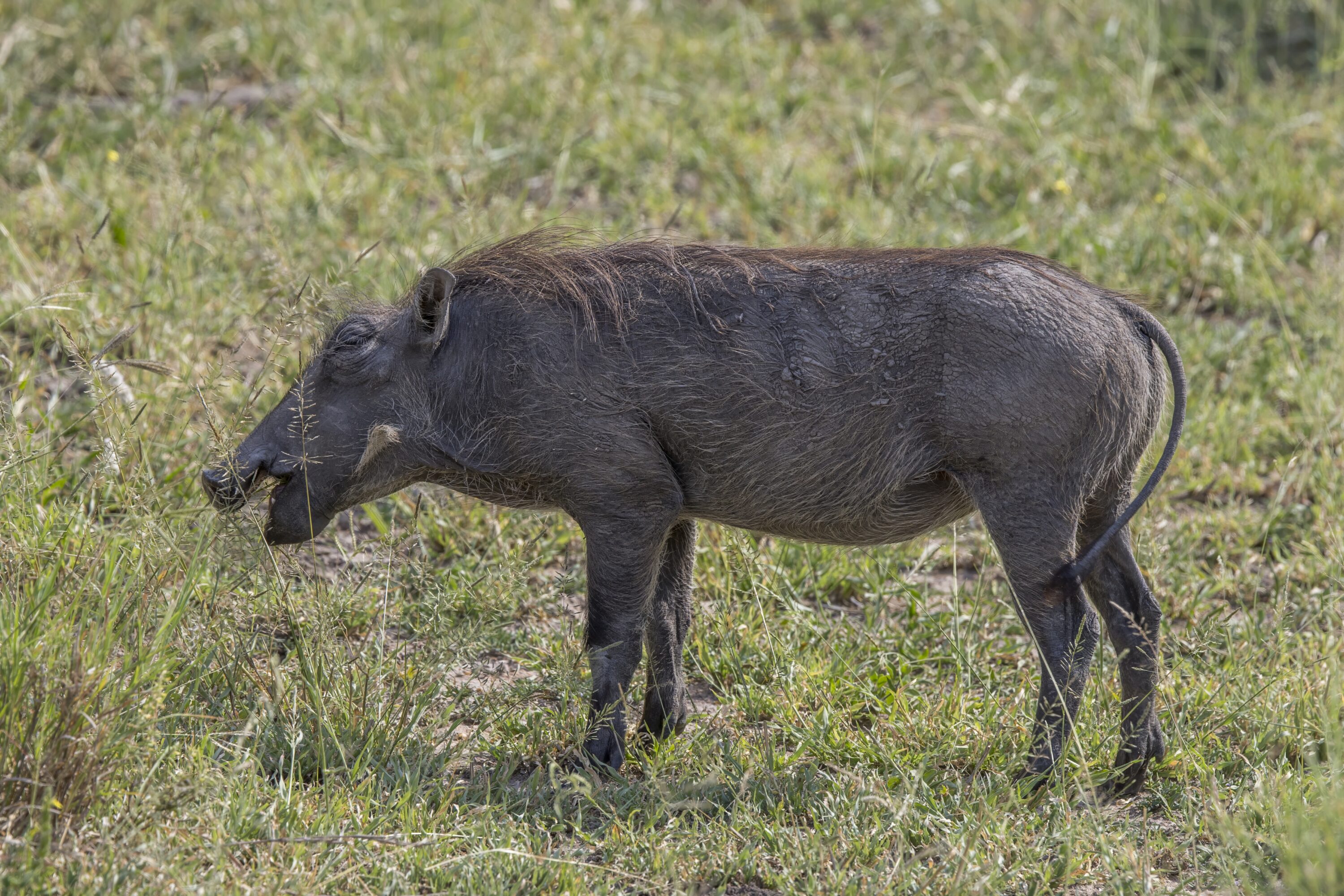
Antibodies reveal first evidence of hepatitis E exposure in wild warthogs
Antibodies to hepatitis E virus were detected in 22% of 267 free-ranging South African warthogs, providing the first…
Read story →SPECIES IN THIS STORY
Species in this story
Independent research and conservation news archive
Did you find this information useful?
Wildlife Vagabond is independently built and maintained. Voluntary support helps cover source verification, hosting and continued work on research and conservation news.
Support Wildlife VagabondThe news archive will remain freely available.