
Antibodies reveal first evidence of hepatitis E exposure in wild warthogs
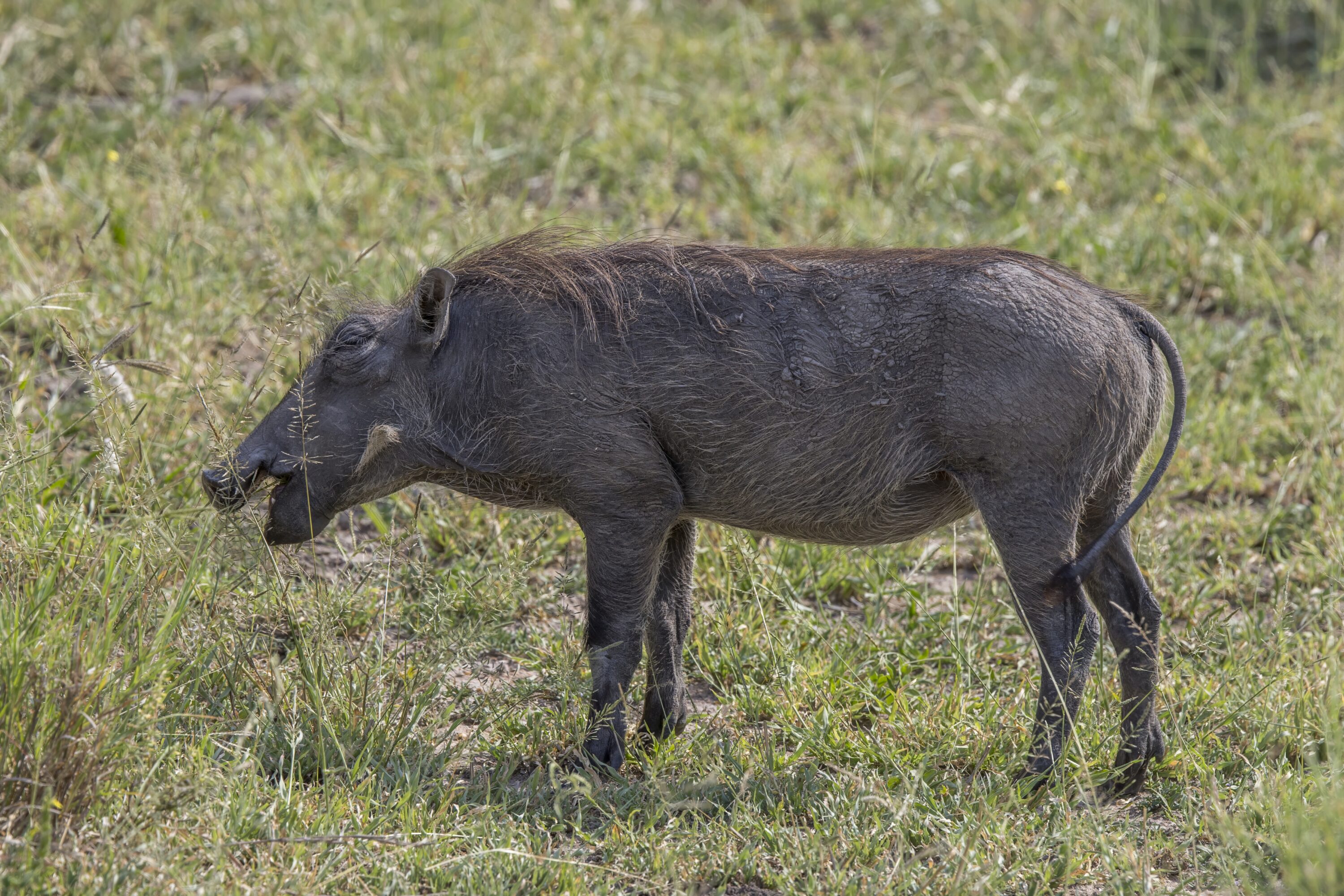
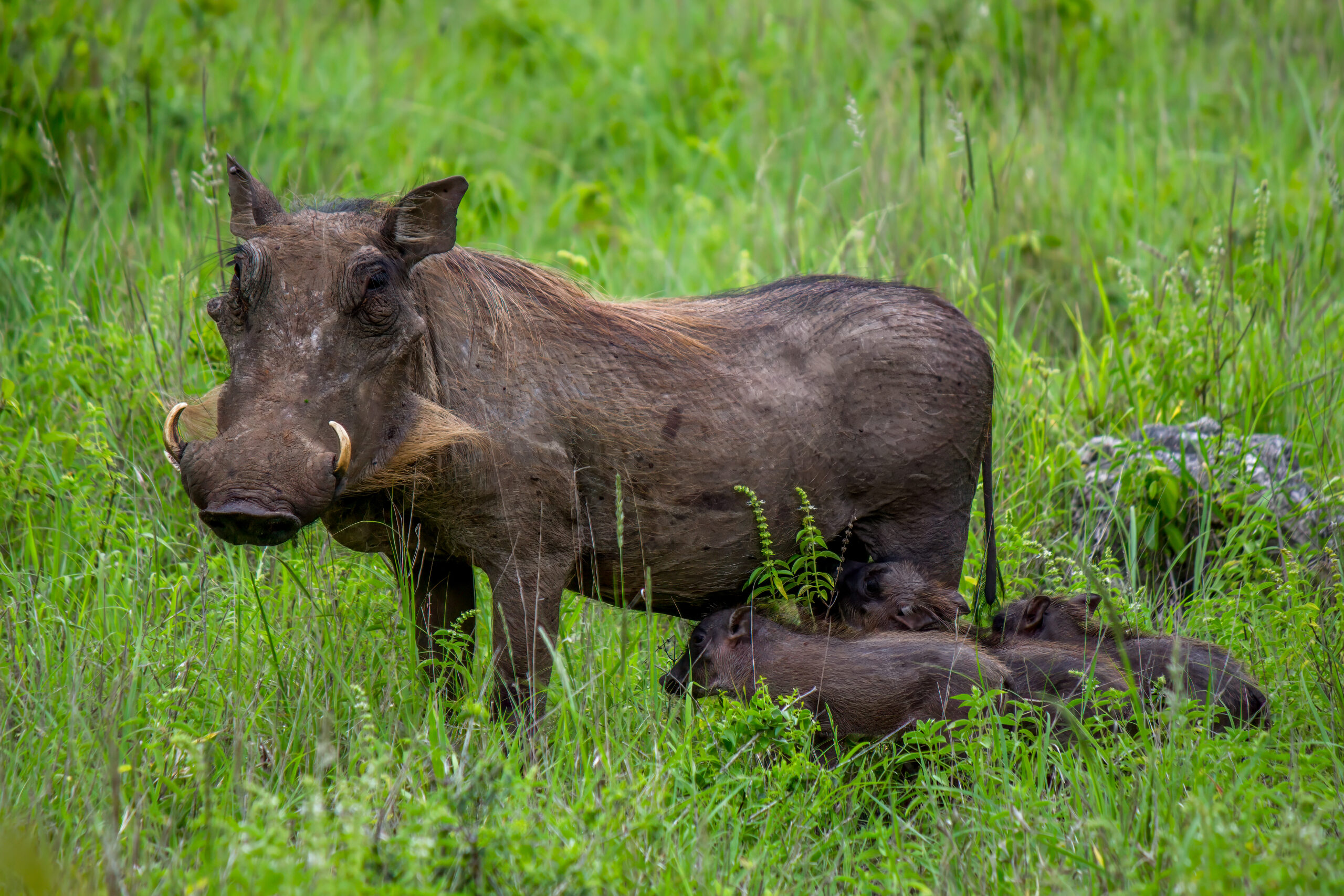
A study published in August 2026 has found the first serological evidence that free-ranging common warthogs (Phacochoerus africanus) can be exposed to hepatitis E virus (HEV). Serological evidence means that antibodies in blood show that an animal has encountered the virus previously; it does not by itself show an active infection. Researchers tested blood samples from 267 wild warthogs in Kruger and Mokala national parks in South Africa.
Hepatitis E is well known from domestic pigs and wild boar, which can act as reservoirs for forms of the virus capable of infecting people. Whether the virus also circulates among other members of the pig family in Africa has been much less clear.
Antibodies were found in 22% of sampled warthogs
The researchers tested the warthog serum for antibodies against HEV and also searched for viral RNA. Antibodies were found in 58 of the 267 animals, giving an overall seroprevalence of 22%. The proportion differed substantially between the two national parks: 32% of the sampled warthogs in Mokala were antibody-positive, compared with 13% in Kruger. Across both parks, adults and older animals were more likely to be antibody-positive than piglets and juveniles, consistent with exposure accumulating over an animal’s lifetime. Antibody prevalence was also higher in samples from later periods, but the authors caution that the opportunistic sampling and the different sampling periods in the two parks do not allow this to be treated as a reliable population trend through time.
No HEV RNA was detected
No HEV RNA was detected in any of the serum samples or in the eight faecal samples available for RNA testing. The antibody results therefore document previous exposure to the virus, while the study did not detect virus RNA in blood at the time the samples were collected. The authors note that eight faecal samples were too few to give a strong test of viral shedding. The authors describe the finding as the first serological evidence of HEV exposure in African warthogs.
The difference between Mokala and Kruger shows that exposure was not evenly distributed between the two sampled populations. The study does not establish how the animals became exposed or whether warthogs can maintain and transmit HEV as a reservoir species. Instead, the authors present the finding as a reason to investigate HEV ecology in African wild suids more closely, particularly from a One Health perspective linking wildlife, domestic animals and human health.
Disease, parasites & microbiology
Related news
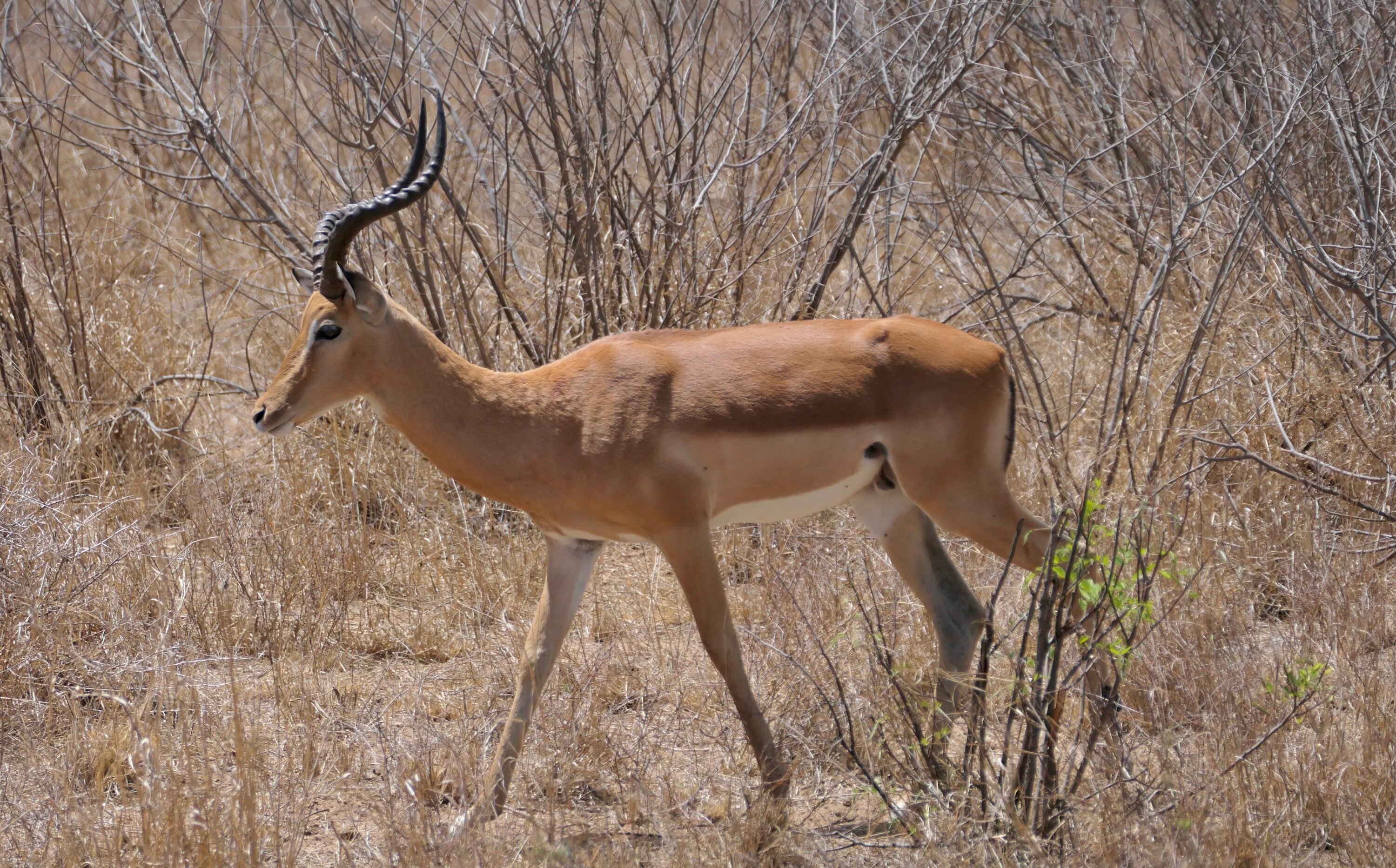
Faecal egg counts missed many nematode infections in African ungulates
In Kruger National Park, egg counts in faeces often detected fewer infections than counts of adult worms recovered…
Read story →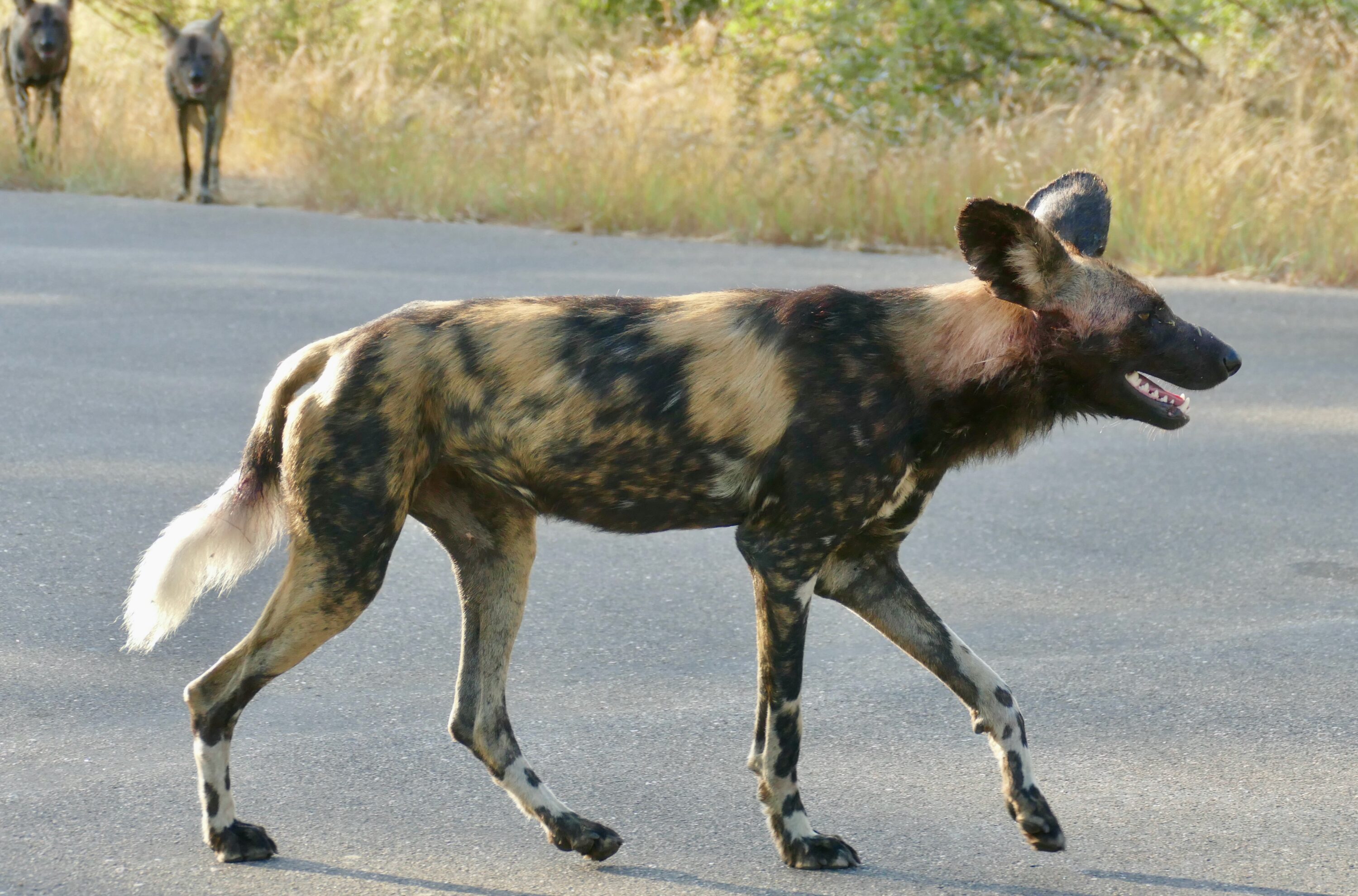
Food Leaves Its Mark on the Gut Bacteria of Kruger’s Wildlife
Gut bacteria in nine mammal species from Kruger National Park followed clear patterns linked to food and digestion.…
Read story →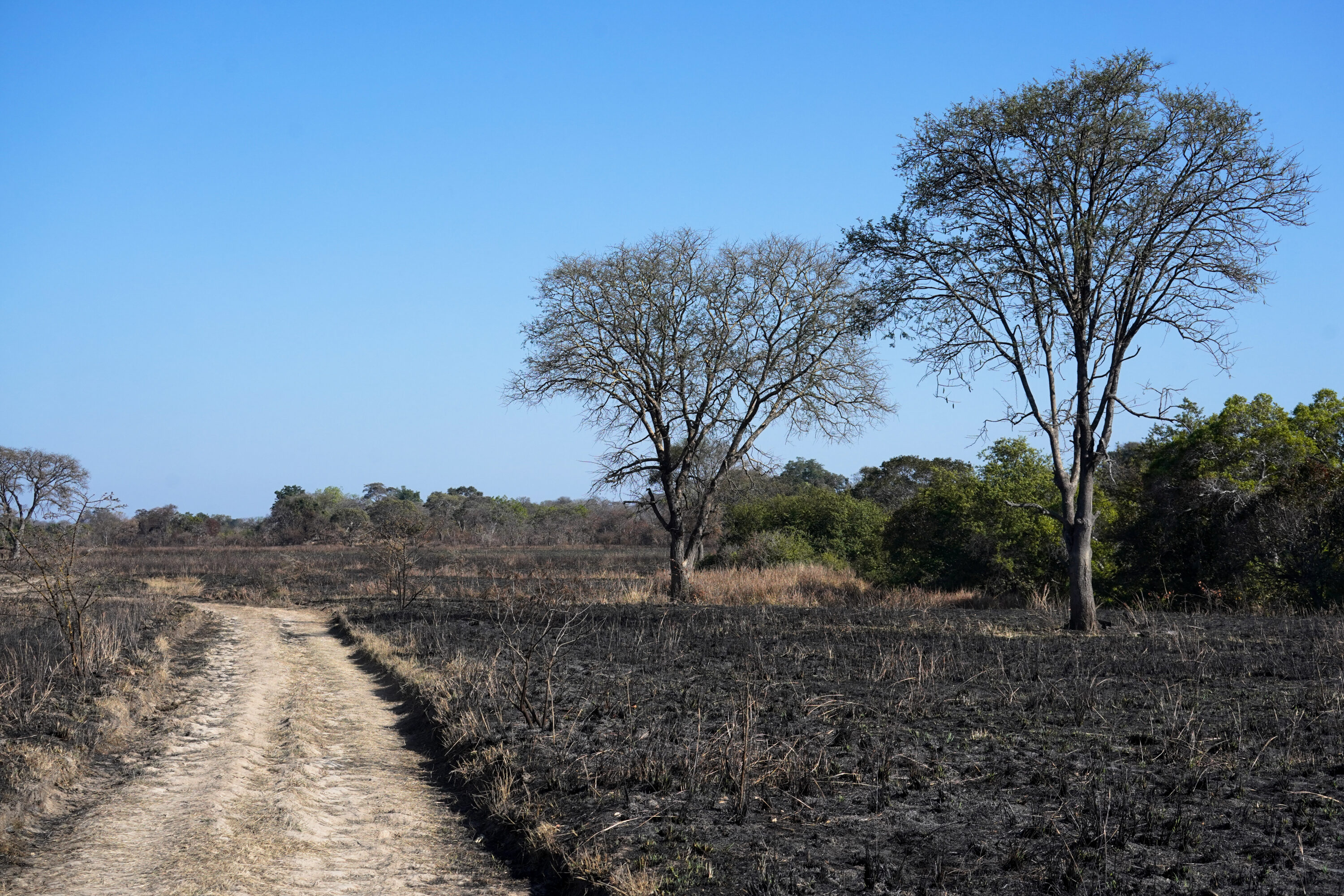
Local Mammal Site Use Fell in Burned Namibian Savanna During the First Five Months After Wildfire
Camera traps following 31 medium- and large-sized mammal species in eastern Namibia found that local site use in…
Read story →SPECIES IN THIS STORY
Species in this story
Independent research and conservation news archive
Did you find this information useful?
Wildlife Vagabond is independently built and maintained. Voluntary support helps cover source verification, hosting and continued work on research and conservation news.
Support Wildlife VagabondThe news archive will remain freely available.