
Preliminary Norwegian Assessment Keeps Egyptian Goose at Very High Ecological Risk
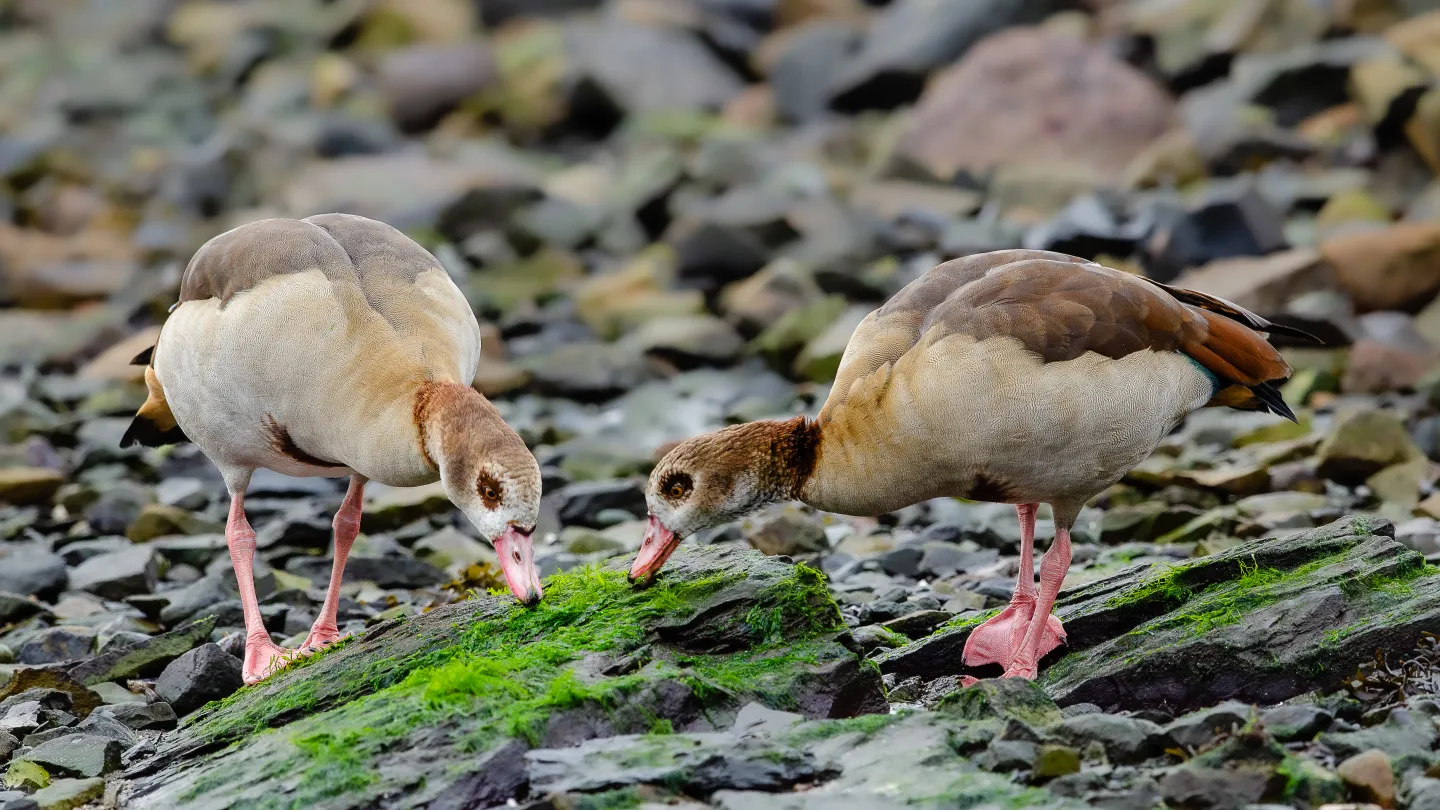
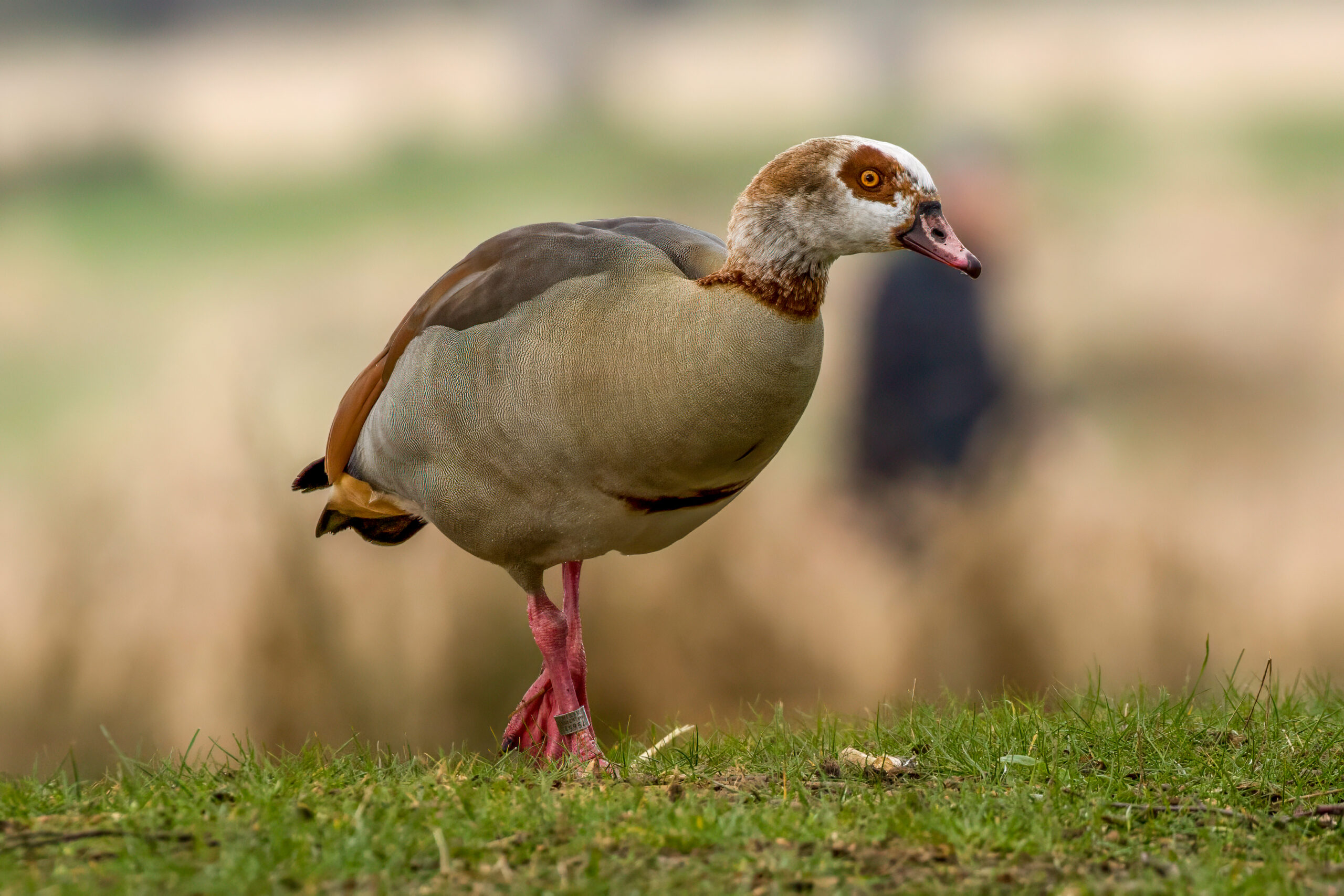
A preliminary Norwegian assessment published in June 2026 continues to classify Egyptian goose (Alopochen aegyptiaca) as an alien species with very high ecological risk in mainland Norway. The assessment was prepared by Artsdatabanken’s expert committee for birds as part of the work towards Fremmedartslista 2029 and was published for public review on 11 June 2026.
Very high risk combines invasion potential with ecological effect
The species is placed in the SE category, very high risk, with uncertainty extending down to HI, high risk. Fremmedartslista combines two axes: invasion potential, which describes the species’ ability to establish, persist and spread, and negative ecological effect on native nature. Egyptian goose receives the highest invasion-potential score, 4, with uncertainty to a lower score, while ecological effect is scored 3, described by the assessment as moderate. The overall SE category therefore reflects the combination of strong future establishment potential and ecological effects rather than evidence that severe damage is already occurring in Norway.
Egyptian goose is native to Africa but has established free-ranging populations in several European countries after introductions as an ornamental bird. The Norwegian assessment notes established populations in countries including Denmark, Germany and the Netherlands. Birds recorded in Norway are considered to originate from these established populations abroad.
Egyptian goose is still a doorstep species in Norway
The expert committee reports that Egyptian goose was first recorded in Norway in 2002. Up to and including 2024, 20 observations involving 23 individuals had been documented. No breeding has been confirmed in Norway, and the committee found no increasing trend in observations of pairs. Artsdatabanken therefore treats it as a doorstep species: it occurs in Norwegian nature but has not yet established a self-reproducing outdoor population, while future establishment is considered plausible.
Despite the currently low number of Norwegian records, the assessment gives the species a high invasion-potential score because of its expansion in neighbouring parts of Europe and the possibility of future establishment. The experts suggest that climate may currently limit the species in Norway, but that this could change with warming. Based on developments in neighbouring countries, they consider it possible that Egyptian goose could establish as a breeding bird in southern Norway within a 50-year perspective, where many wetlands could provide suitable breeding habitat.
Competition drives the ecological-effect score
The ecological-effect score is based mainly on competition. Egyptian geese can behave dominantly and aggressively towards other birds during breeding, potentially displacing ducks, geese, coots and birds of prey from feeding areas or nesting sites. The assessment specifically lists competition for space involving common shelduck (Tadorna tadorna) and mallard (Anas platyrhynchos). The experts describe the documented effects as generally low to moderate even in areas with high Egyptian goose densities, but note uncertainty in the evidence.
The 2026 assessment does not represent a new increase in risk category: Egyptian goose was also classified as SE in Norway’s 2023 assessment. It is a preliminary assessment released for public review, not a final Fremmedartslista 2029 result. Artsdatabanken states that both the content and the outcome can change after submitted evidence has been reviewed; a consolidated updated list for all groups is planned for 2029.
Threats
Related news
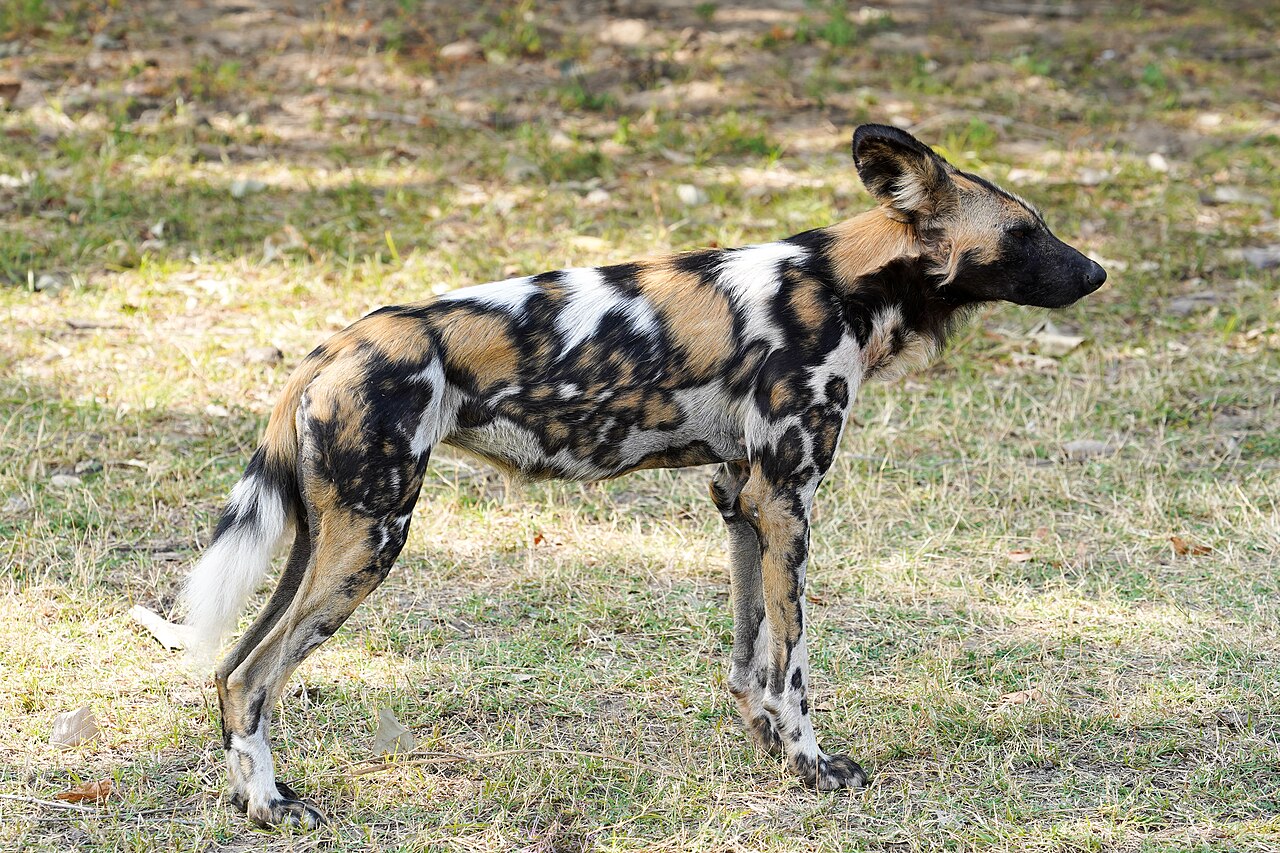
Four African Wild Dog Dispersals Totalled 9,863 km but Produced Little Genetic or Demographic Connectivity
GPS-tracked African wild dogs from Zambia crossed protected and human-dominated landscapes, including one journey of more than 2,300…
Read story →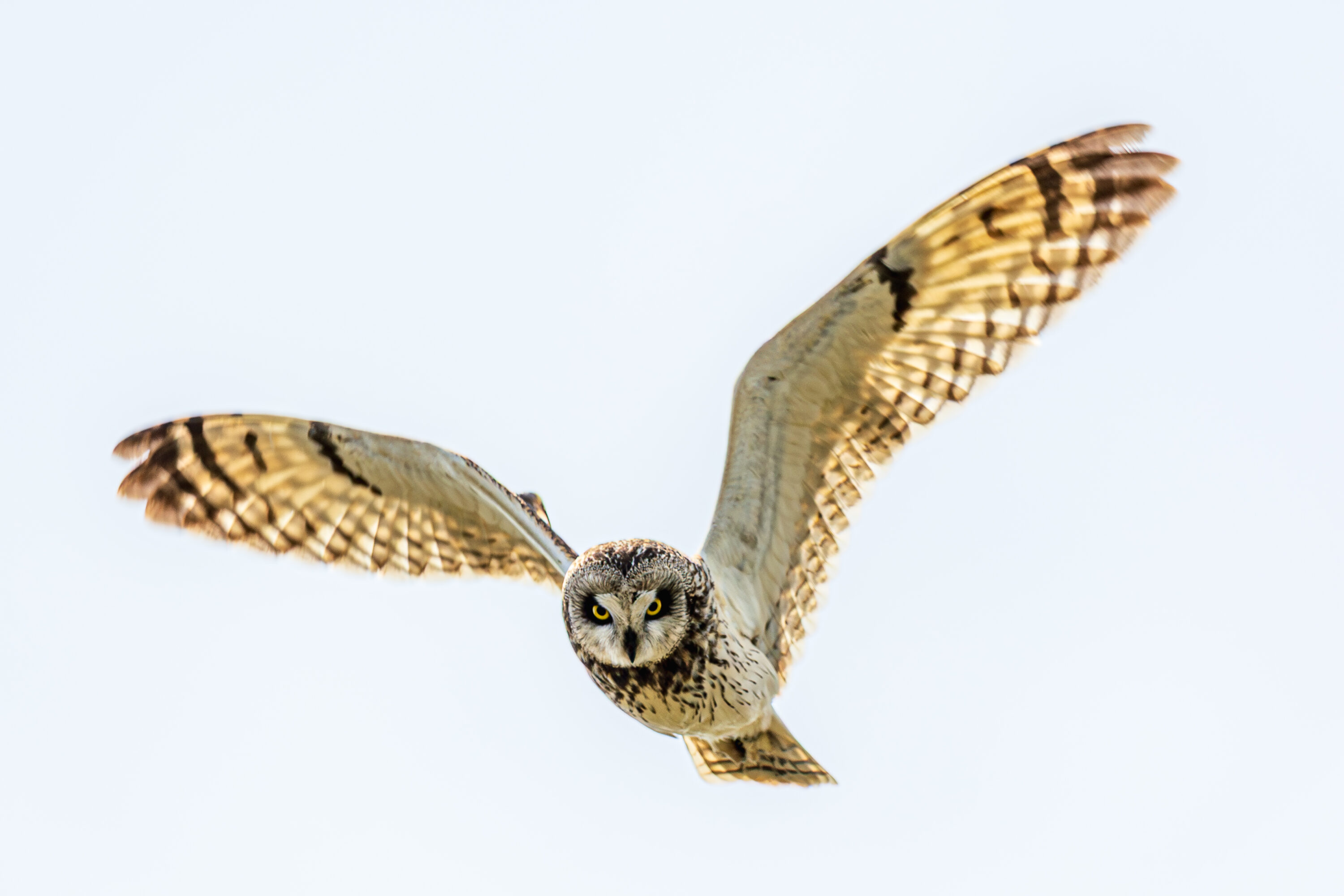
Western Finland’s Short-eared Owl Breeding Population Fell More Than 50% as Grassy Habitat Shrunk 46%
Over 47 years in western Finland, the local Short-eared Owl breeding population fell by more than 50% while…
Read story →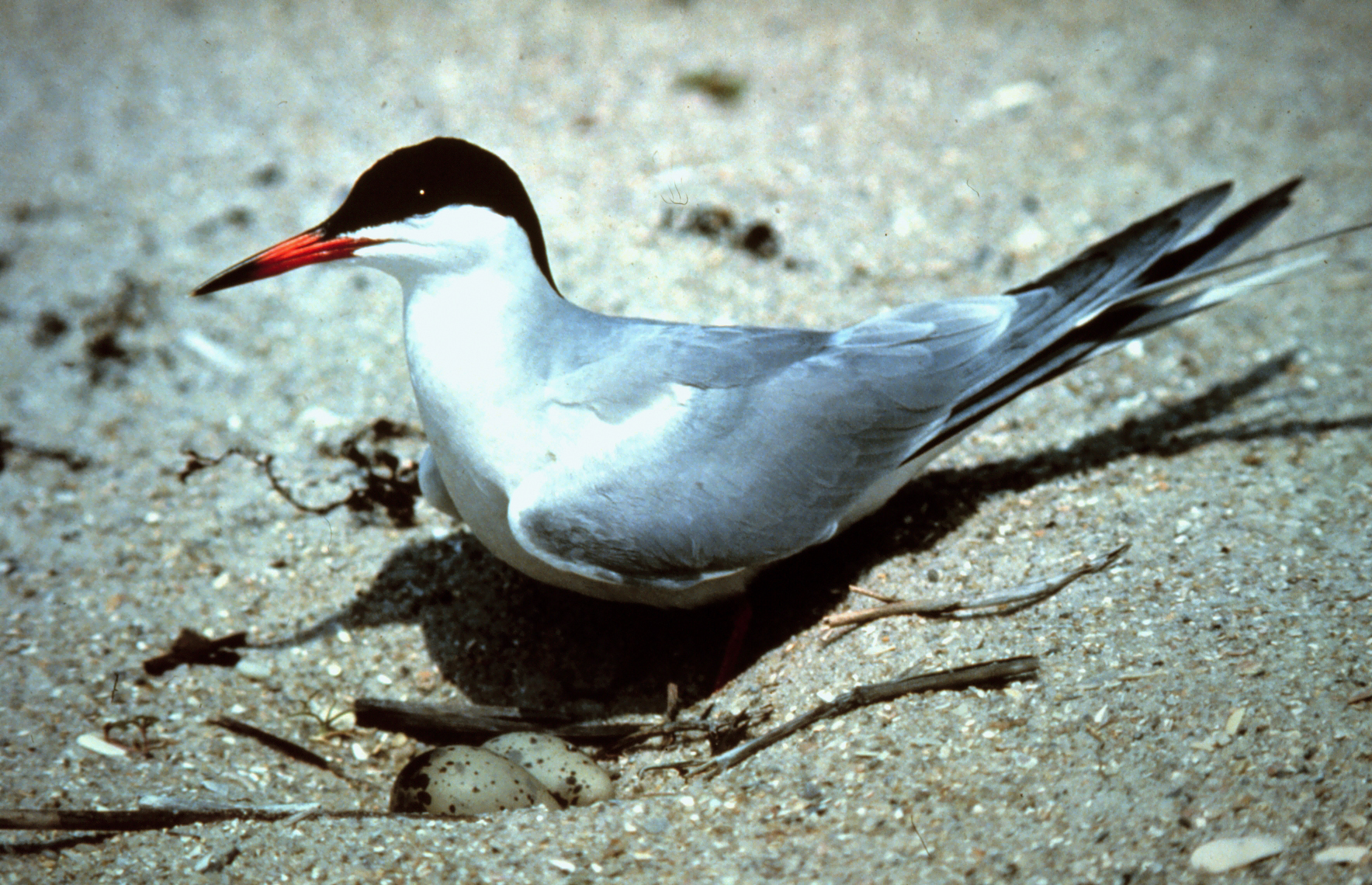
Common Tern Eggs Had More PCBs, HCB and Mercury Than Oystercatcher Eggs in 40-Year Wadden Sea Study
Monitoring from 1981–2023 found higher PCB, HCB and mercury levels in common tern eggs than in Eurasian oystercatcher…
Read story →SPECIES IN THIS STORY
Species in this story
Independent research and conservation news archive
Did you find this information useful?
Wildlife Vagabond is independently built and maintained. Voluntary support helps cover source verification, hosting and continued work on research and conservation news.
Support Wildlife VagabondThe news archive will remain freely available.