
VKM: Exporting Up to 26 Osprey Young to Ireland Would Not Harm Conservation Status in Norway
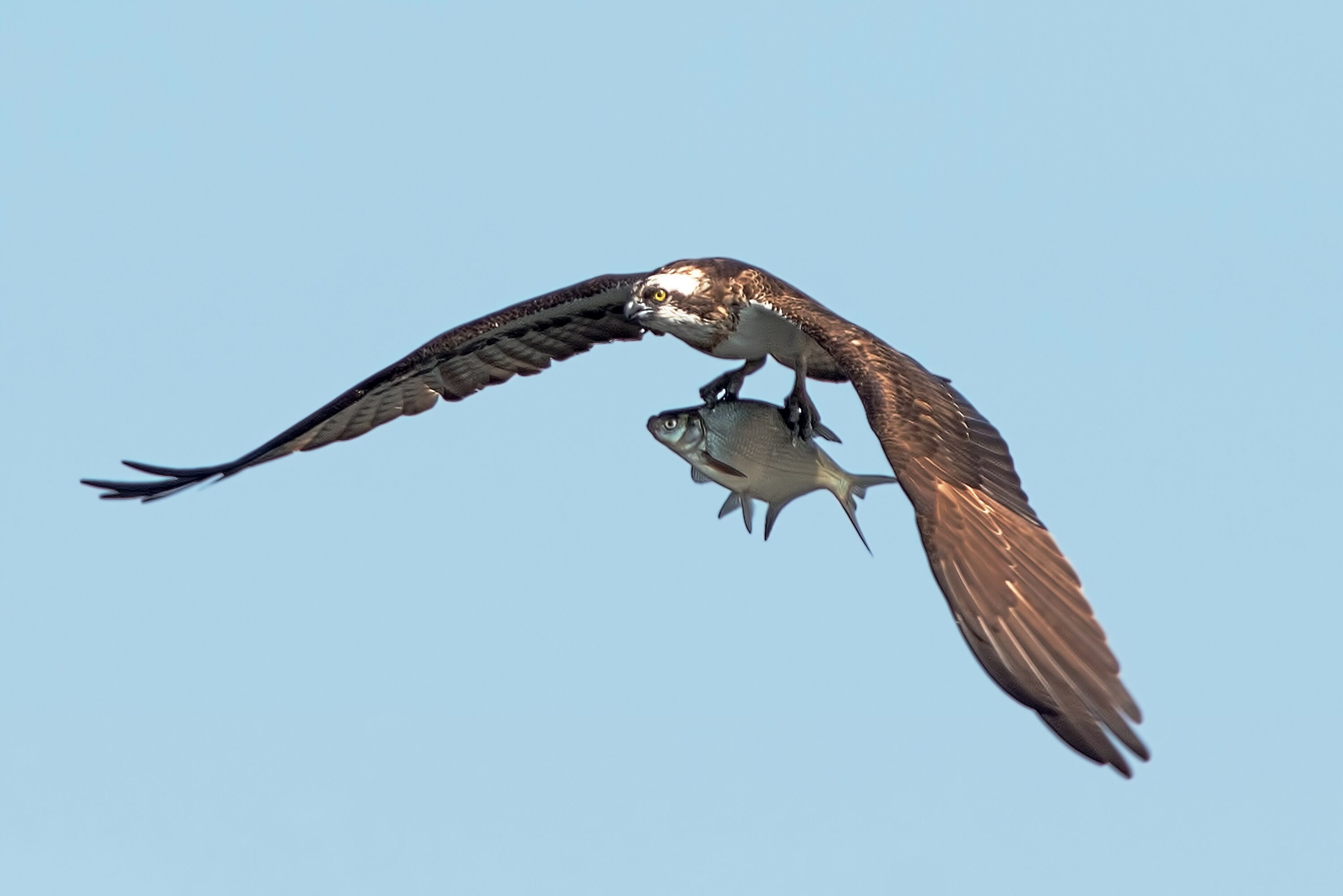
Exporting up to 26 wild young ospreys (Pandion haliaetus) from Norway to Ireland would not harm the species’ conservation status in Norway if the proposed safeguards are followed, according to a non-detriment finding published by the Norwegian Scientific Committee for Food and Environment (VKM) on 22 June 2026. The assessment concerns year four of Ireland’s planned five-year osprey reintroduction programme.
Collection is limited by region and nest size
The proposal allows up to 16 young to be collected in Trøndelag and up to ten in Akershus and Østfold. Each donor area is estimated to hold about 35 breeding pairs, and VKM found no indication that either local population is declining. Young may be taken only from nests containing two or three young, with at least one live young remaining in every nest.
VKM also considered the wider population context. Norway is estimated to hold about 400–600 breeding pairs, while Sweden has roughly 2,700–4,200 breeding pairs. The Norwegian donor populations are part of this larger, continuous Norwegian–Swedish population, and this wider population context formed part of VKM’s assessment of whether the proposed collection would be detrimental.
The Irish programme is still too young to judge breeding establishment
The birds are intended for Ireland’s osprey reintroduction programme, coordinated by the Norwegian Institute for Nature Research (NINA) in collaboration with Ireland’s National Parks and Wildlife Service. The programme began in 2023 with the aim of restoring osprey as a breeding species after a long absence.
Available data cited by VKM indicate high survival of released birds in Ireland and through migration, with all tracked individuals reaching West Africa. However, survival after arrival in Africa, return rates to Ireland and eventual breeding establishment remain unknown because the programme has not yet run long enough for released birds to complete the full cycle back to Ireland.
A non-detriment finding is the scientific assessment required under CITES to determine whether an export from the wild is sustainable and compatible with the species’ conservation status. VKM’s positive conclusion therefore provides the scientific basis for an export decision; it is not itself an export permit or evidence that the 26 young have already been collected.
Reintroductions & translocations
Related news
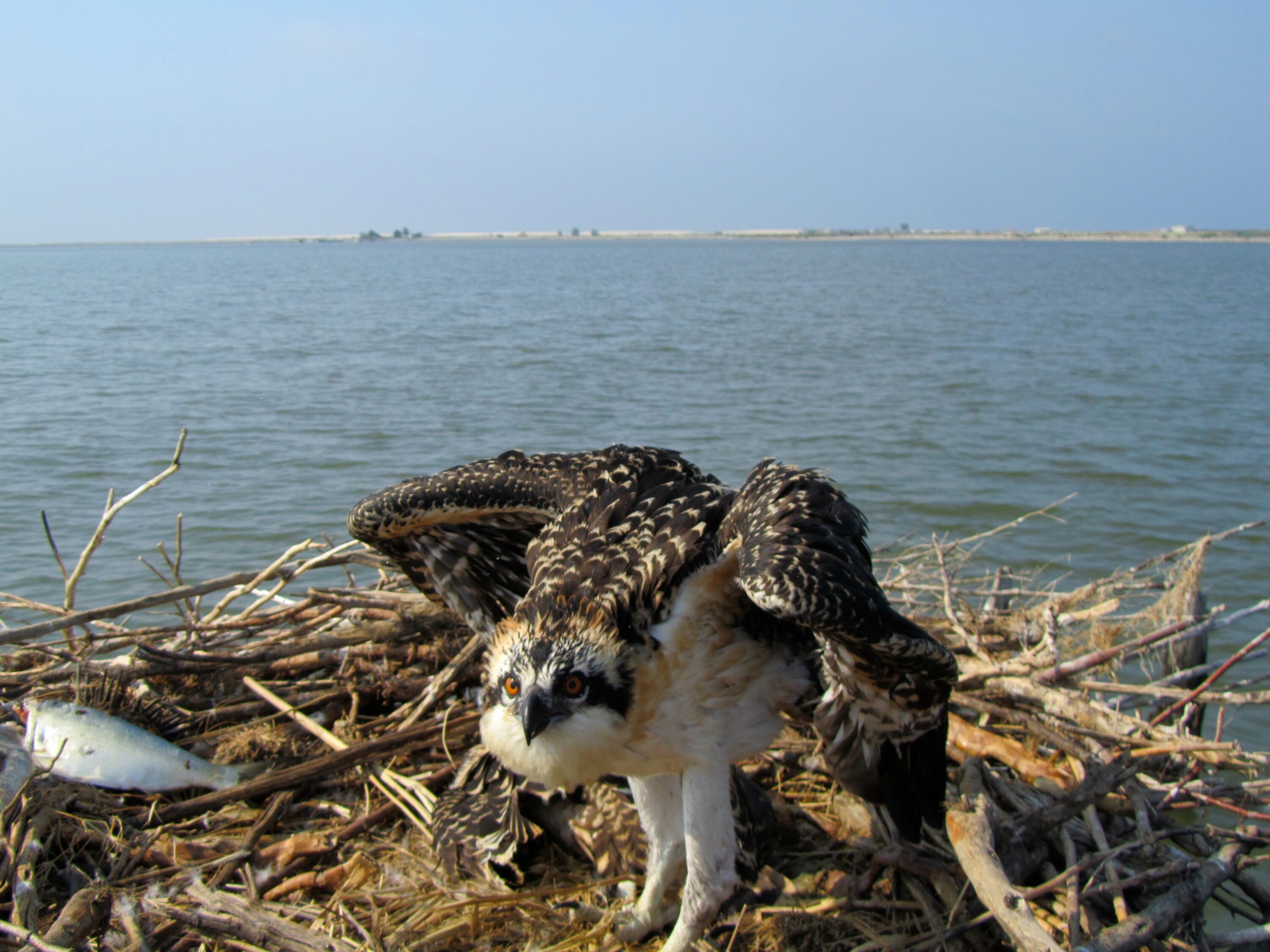
24 Osprey Chicks Fledged From 12 Rutland Nests
Rutland Osprey Project reported 24 chicks fledged from 12 nests in 2026. The season produced 14 chicks assessed…
Read story →
Ospreys Raised Three Chicks in Switzerland’s First Breeding in 112 Years
A male released by the Swiss reintroduction project and an unringed female of unknown origin raised three chicks…
Read story →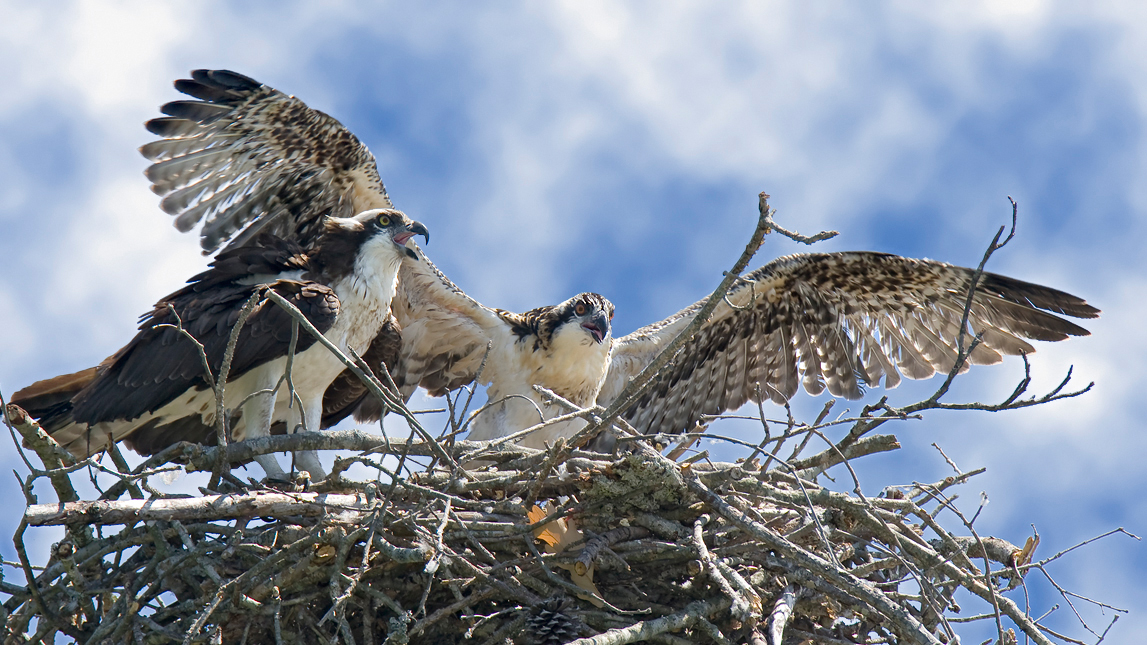
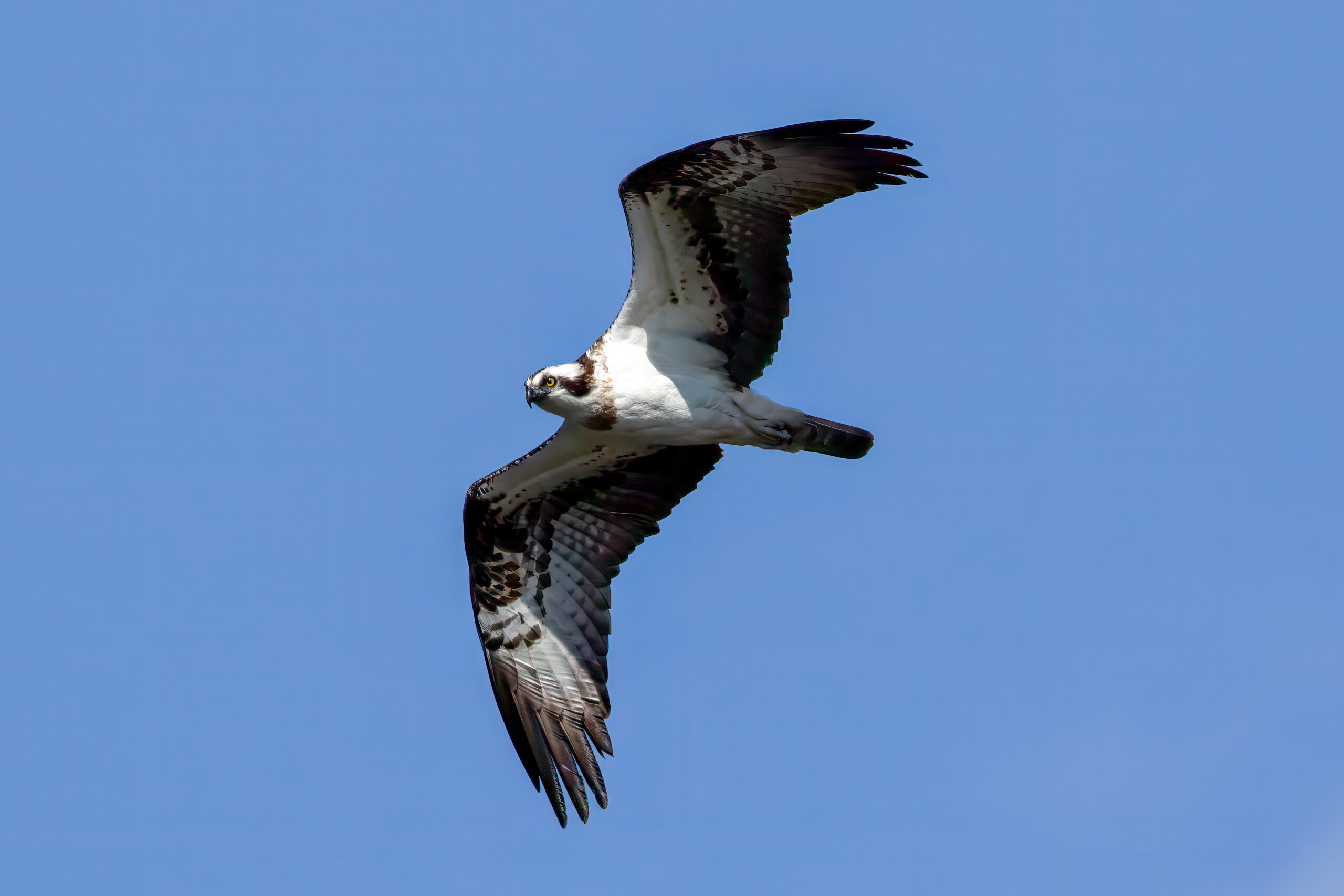
Kielder Forest Reached 150 Fledged Osprey Chicks Since Breeding Returned in 2009
A male named Kielder became the 150th osprey chick to fledge from Kielder Forest since breeding returned to…
Read story →SPECIES IN THIS STORY
Species in this story
Independent research and conservation news archive
Did you find this information useful?
Wildlife Vagabond is independently built and maintained. Voluntary support helps cover source verification, hosting and continued work on research and conservation news.
Support Wildlife VagabondThe news archive will remain freely available.