
Ontario Shifted Seven Days of Goose Hunting to February to Increase Harvest of Temperate-Breeding Canada Geese
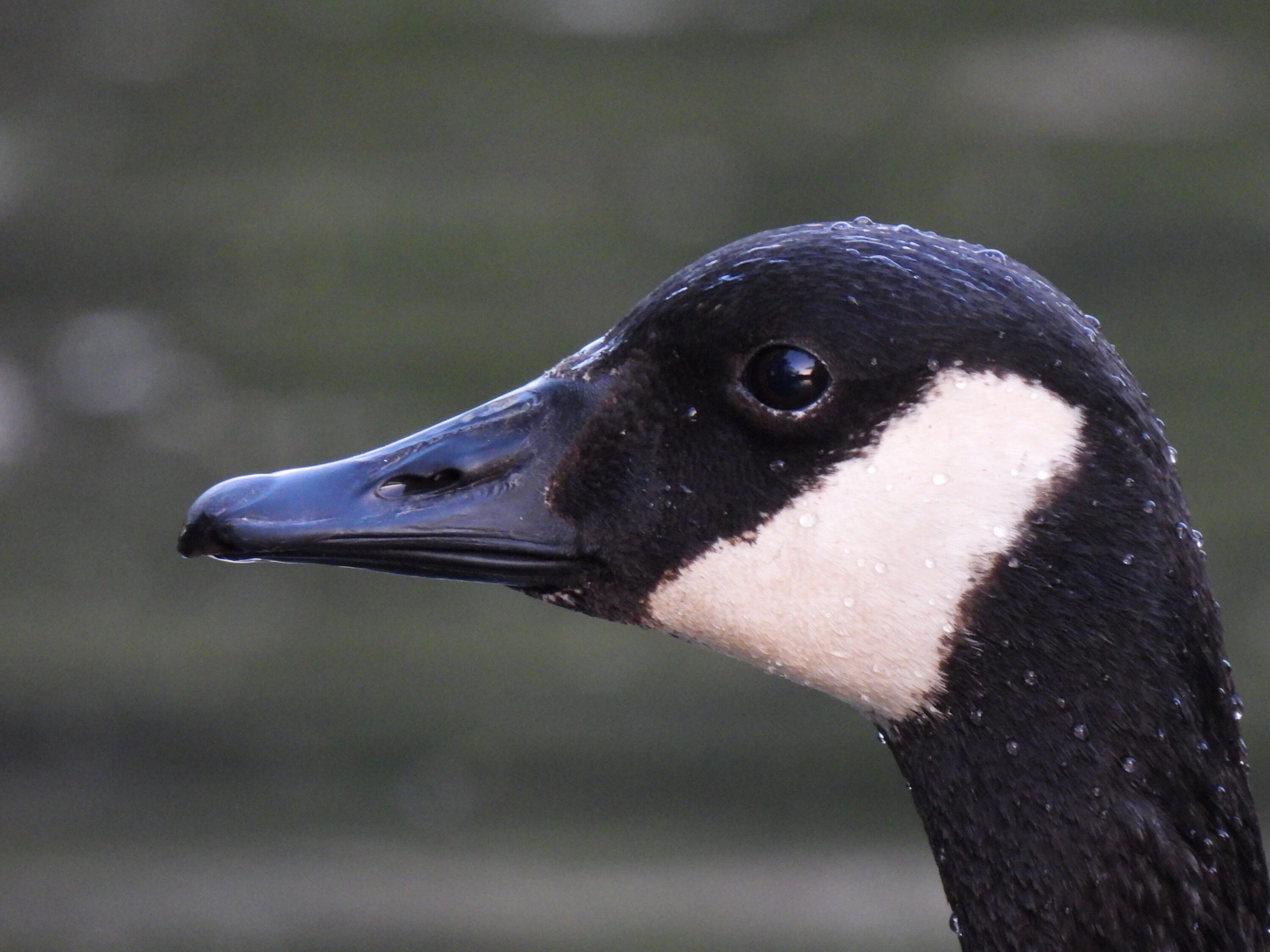
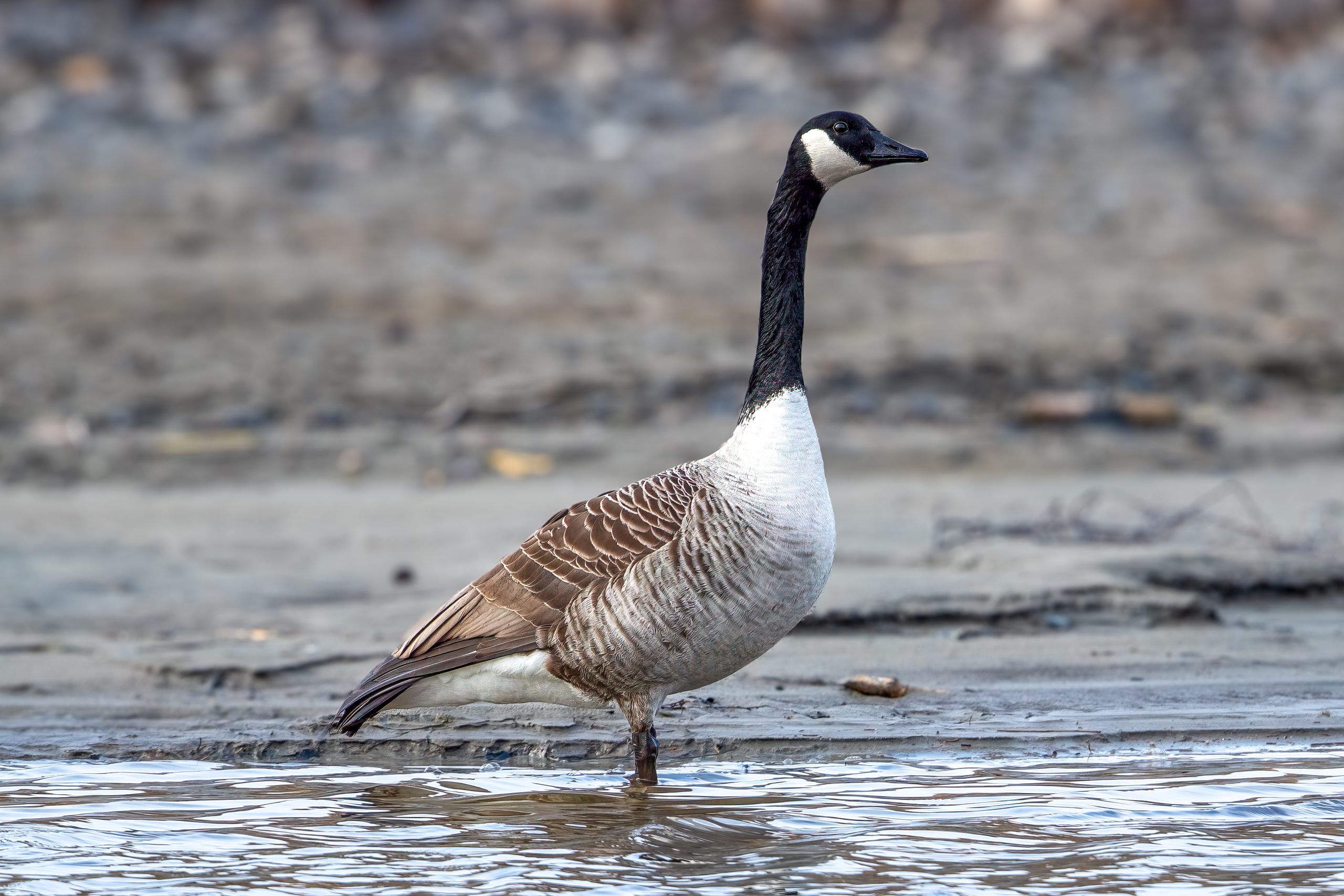
Rules published on 1 July 2026 shift part of the goose hunting season in southern Ontario from autumn to late winter. In selected Wildlife Management Units (WMUs), the new seven-day winter season covers Canada goose (Branta canadensis), cackling goose (Branta hutchinsii), snow goose (Anser caerulescens) and Ross’s goose (Anser rossii). Environment and Climate Change Canada (ECCC) says the Canada goose component is intended to increase harvest of temperate-breeding Canada geese that are relatively abundant in southern Ontario during winter and are associated with human–goose conflicts. “Temperate-breeding” refers to Canada geese that breed in the temperate parts of southern Canada rather than in subarctic and Arctic breeding areas farther north.
Seven days were shifted rather than simply added
The winter season applies in WMUs 69A, 70–73, 77–81 and 86–93. It begins on the fourth Saturday in February and runs through the following Friday. For the 2026–2027 season, that means 27 February to 5 March 2027.
The additional winter opportunity is paired with a later start to the regular autumn season in the same units. Canada and cackling geese now begin their regular season on the Saturday following the fourth Saturday in September rather than one week earlier. Snow and Ross’s geese are also shifted to the later autumn start in these units and are included in the same seven-day winter window. The early September Canada and cackling goose season remains unchanged.
ECCC also removed references to municipal Sunday-hunting restrictions from these provisions. The department says the change simplifies the rules and makes it clearer where and when the late-winter season applies.
The management aim centres on temperate-breeding Canada geese
The management rationale is not the same for all four goose species. ECCC specifically expects the late-winter season to increase harvest of Canada geese from the temperate-breeding population in southern Ontario. These geese remain relatively abundant in parts of the region during winter, and the department identifies the new season as an additional tool for reducing conflicts between people and geese.
Most consultation comments supported the new late-winter opportunity. Hunting and agricultural organisations cited high goose numbers, agricultural damage and clearer rules. Most opposition came from individual hunters who objected to losing a week in September, when goose hunting overlaps with duck seasons and can be more accessible. Other comments argued that February hunting may be impractical in some units because of severe winter conditions or a lack of geese at that time of year.
A separate change restored the five-goose limit in WMU 65
Another Ontario amendment applies to WMU 65. A temporary restriction introduced for the 2020–2021 season had reduced the combined daily bag limit for Canada and cackling geese from five birds to three during part of the autumn. That restriction has now been removed, restoring a five-goose combined daily limit for the regular season. Season length and possession limits are unchanged.
This separate decision is tied to the updated Atlantic Population Canada Goose Harvest Strategy. The strategy now incorporates a prediction of breeding-pair numbers for the following year, and its recommendation for Canada in the 2026–2027 season was the liberal regulatory package—the option allowing greater hunting opportunity under the strategy. The winter-season change and the WMU 65 bag-limit change therefore address different parts of goose management, even though both affect Canada geese.
The adopted regulations apply to the 2026–2027 and 2027–2028 hunting seasons. They preserve the seven-day transfer from autumn to late winter in the selected southern Ontario units rather than simply lengthening the Canada goose season.
Management
Related news
Seven overlaps linked wild-bird H5 clusters with poultry outbreaks in the US
Across seven periods between 2022 and 2025, clusters of H5 detections in wild waterfowl overlapped in time and…
Read story →
Adult Canada Geese Became Less Likely to Be Harvested Despite More Liberal Hunting Rules in Arkansas
From 2005 to 2020, estimated adult harvest probability declined while adult survival increased among Canada geese breeding in…
Read story →
Quebec Restored the Combined Daily Limit for Canada and Cackling Geese From Three to Five
Federal rules published on 1 July 2026 removed a temporary restriction in Quebec hunting districts A, C, D…
Read story →SPECIES IN THIS STORY
Species in this story
Independent research and conservation news archive
Did you find this information useful?
Wildlife Vagabond is independently built and maintained. Voluntary support helps cover source verification, hosting and continued work on research and conservation news.
Support Wildlife VagabondThe news archive will remain freely available.