
Rain Was Followed by Higher Nile Monitor Capture Probability One Day Later in Cape Coral
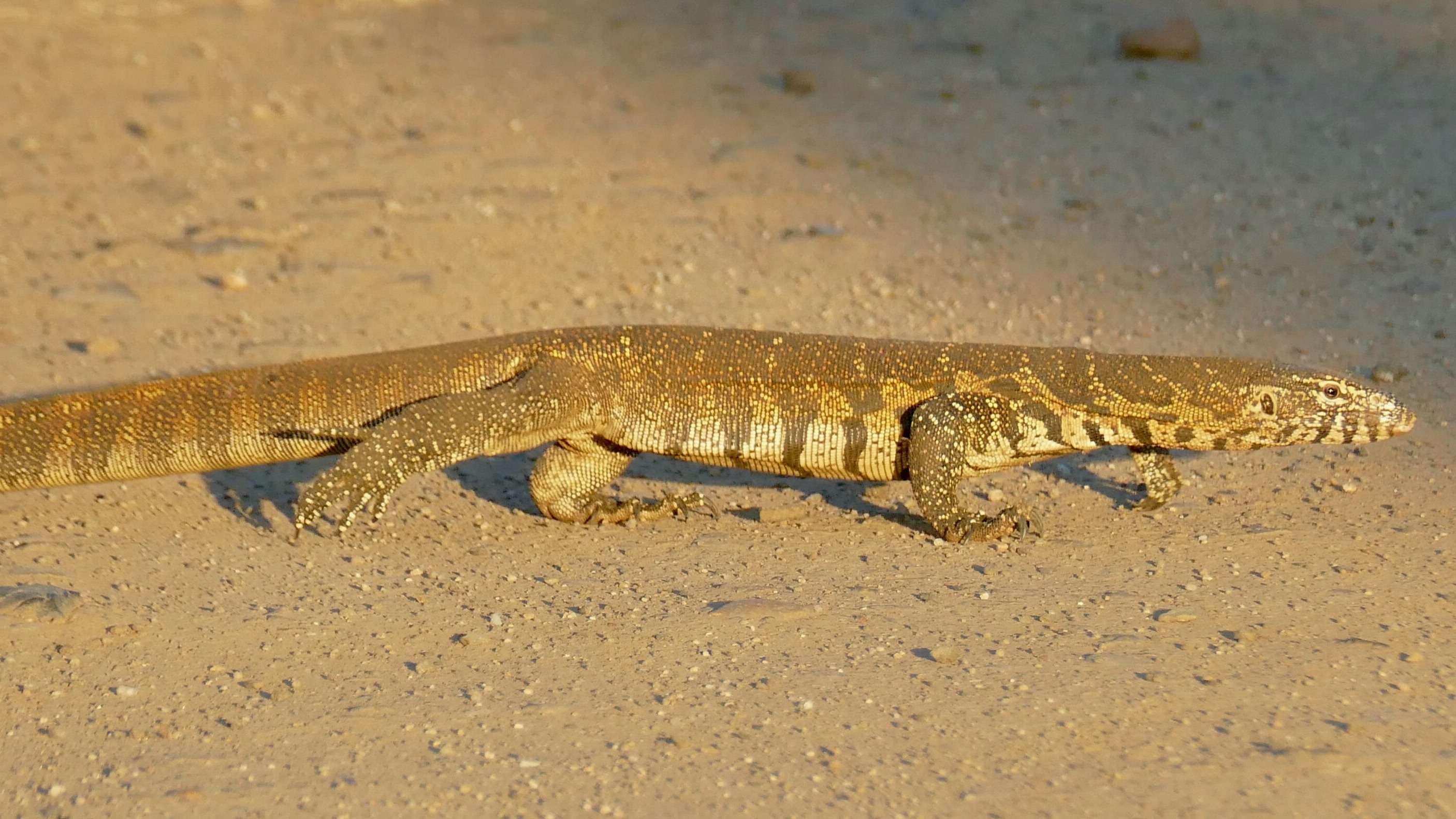
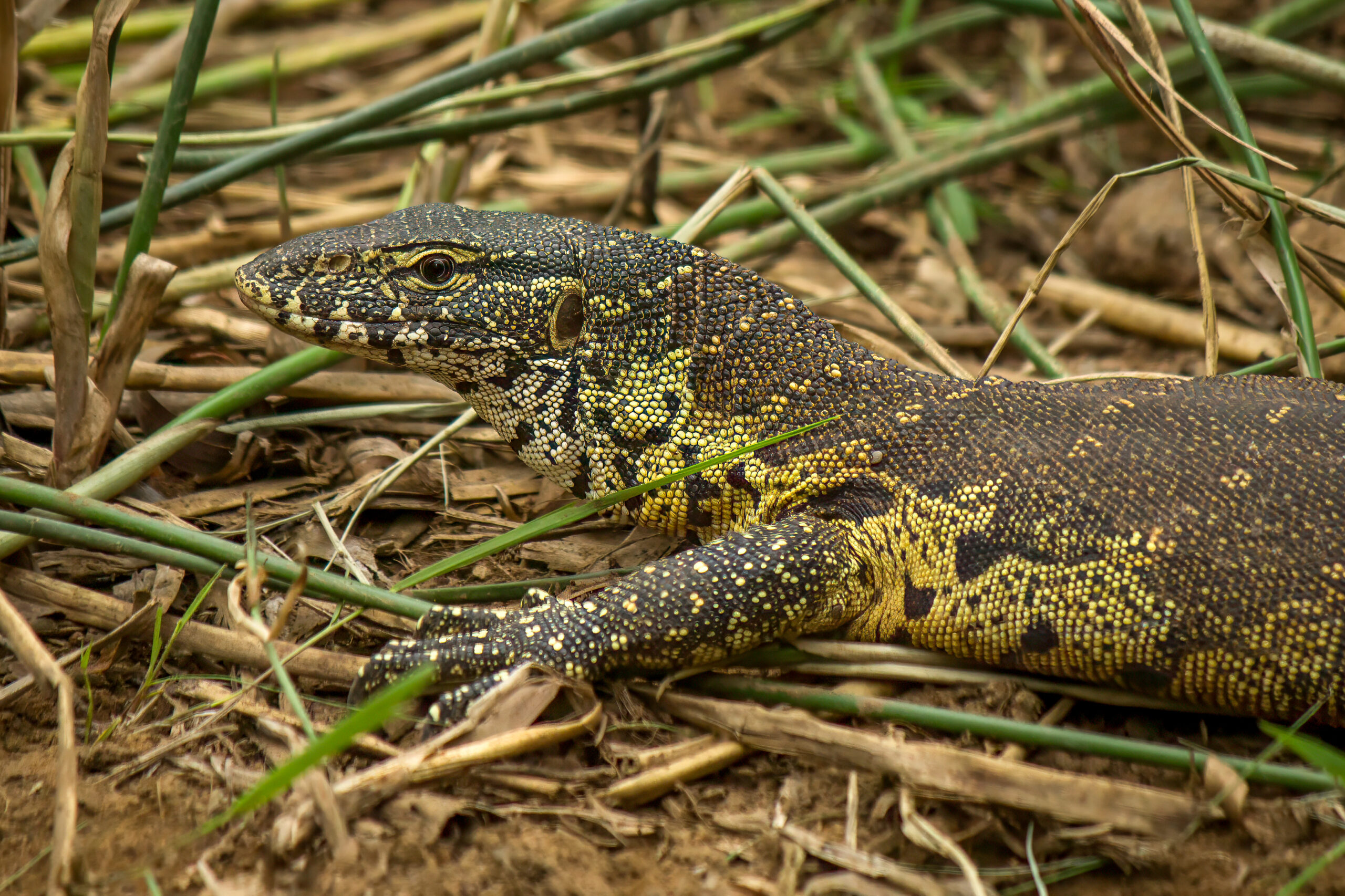
Rainfall was followed by a higher probability of capturing invasive Nile monitors (Varanus niloticus) in Cape Coral, Florida, USA, according to a 2026 study using long-term trapping records from the city’s control programme. Researchers analysed daily weather and capture data from baited live-animal traps deployed in terrestrial habitat along canals between July 2007 and December 2022. The traps were checked daily while deployed.
The strongest positive pattern appeared one day after rain
The day-by-day model showed the clearest positive relationship one day after rainfall. Capture probability was lower on the day it rained and again three days afterwards. A second, simpler analysis comparing rainy and non-rainy days also found that captures were positively associated with rain one and two days earlier. Together, the analyses therefore point to a short delay after rainfall rather than an immediate same-day increase.
Capture probability is not the same as measured activity
The authors suggest that conditions after rainfall may increase Nile monitor movement and therefore the chance of animals encountering baited traps, potentially as part of altered foraging activity. Movement and foraging were not measured directly, however. The result is therefore a trapping pattern that may reflect animal behaviour, trap encounter rates or both.
Ecology
Related news
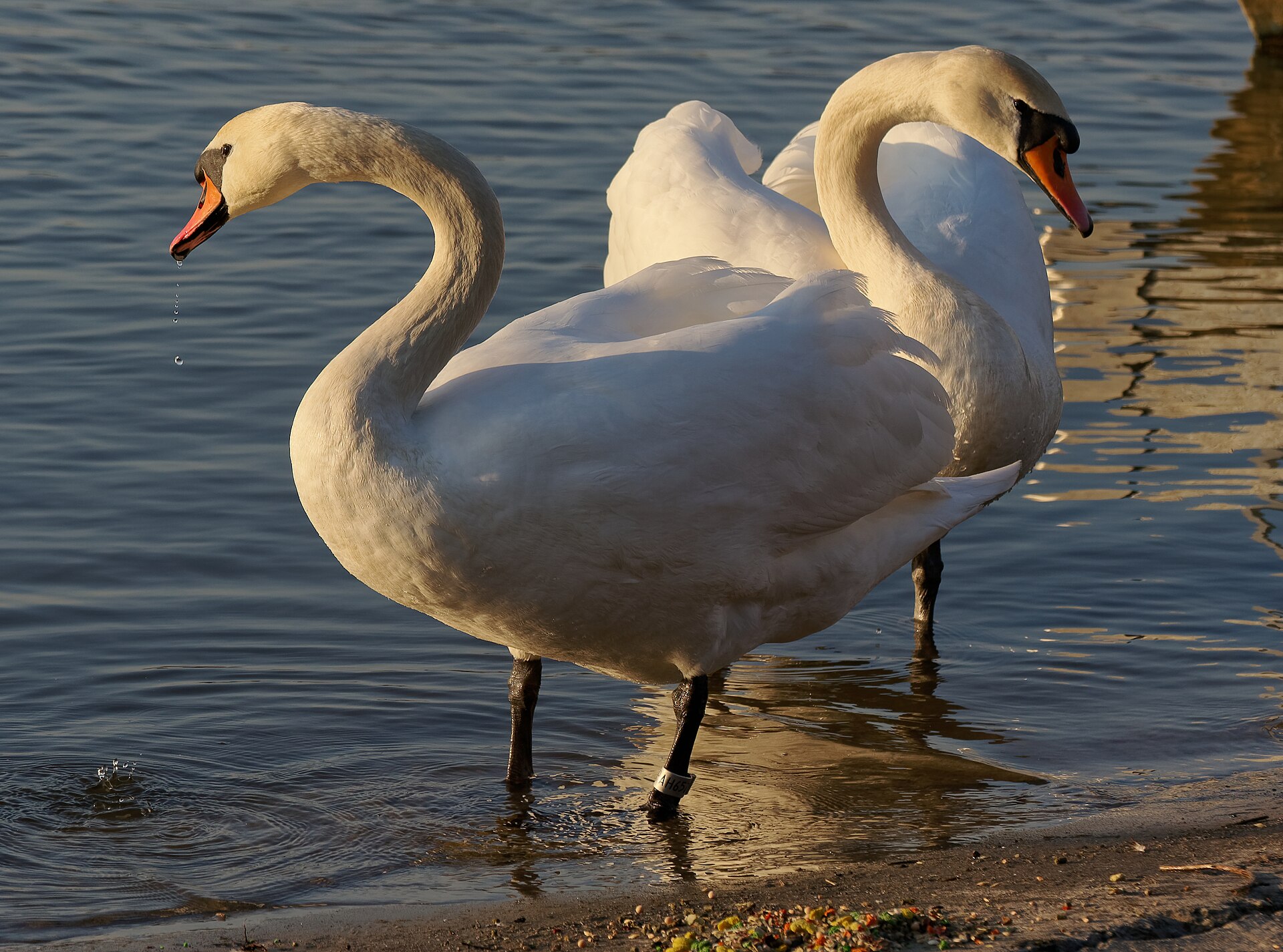
Inland Mute Swans Had Higher Winter Body Condition Despite Harsher Winters and Supplemental Feeding
A study of 853 mute swans from four Polish wintering regions found higher body condition inland than on…
Read story →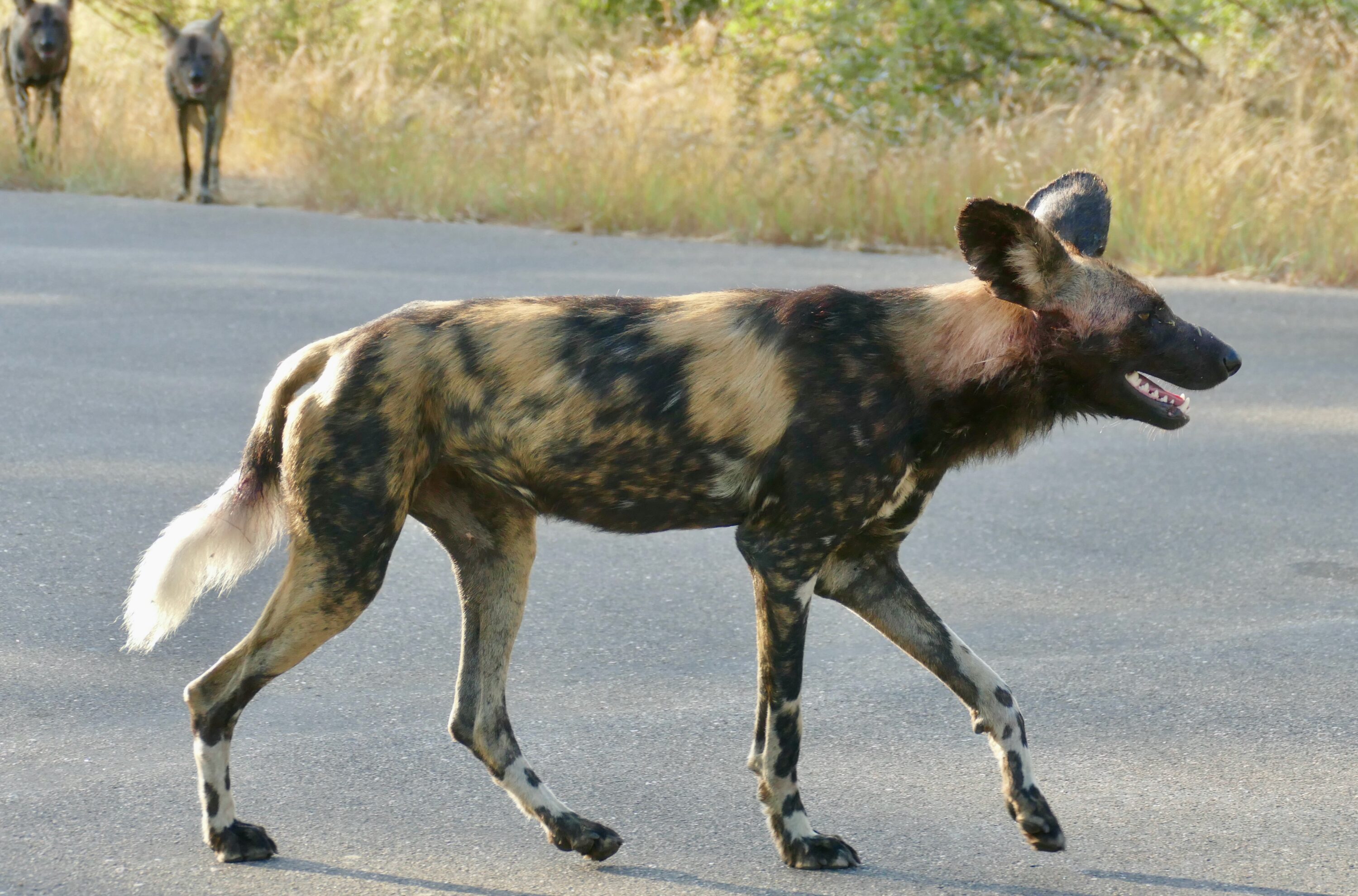
Gut Microbiomes Across Nine Kruger Mammals Clustered More Strongly by Dietary Group Than Species
A study of 89 quality-filtered faecal samples from nine wild mammals in Kruger National Park found that carnivores,…
Read story →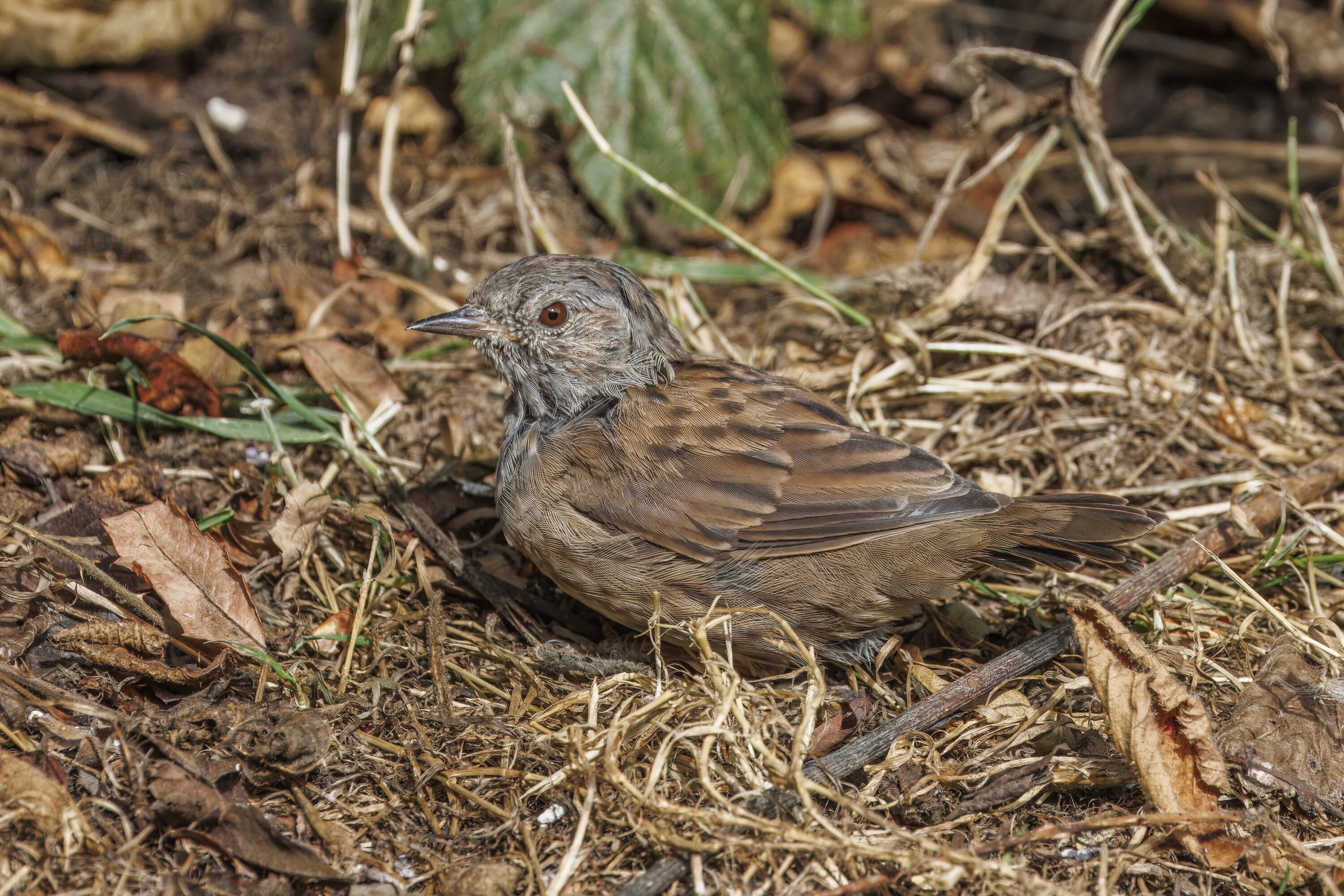
Dunnock Spring Passage Advanced by Up to 8.3 Days Over 61 Years at Hel
Standardised ringing data from northern Poland showed that the first, median and last phases of dunnock spring passage…
Read story →SPECIES IN THIS STORY
Species in this story
Independent research and conservation news archive
Did you find this information useful?
Wildlife Vagabond is independently built and maintained. Voluntary support helps cover source verification, hosting and continued work on research and conservation news.
Support Wildlife VagabondThe news archive will remain freely available.