
Recombinant Myxoma Virus Reached European Hares in Czechia and Slovakia
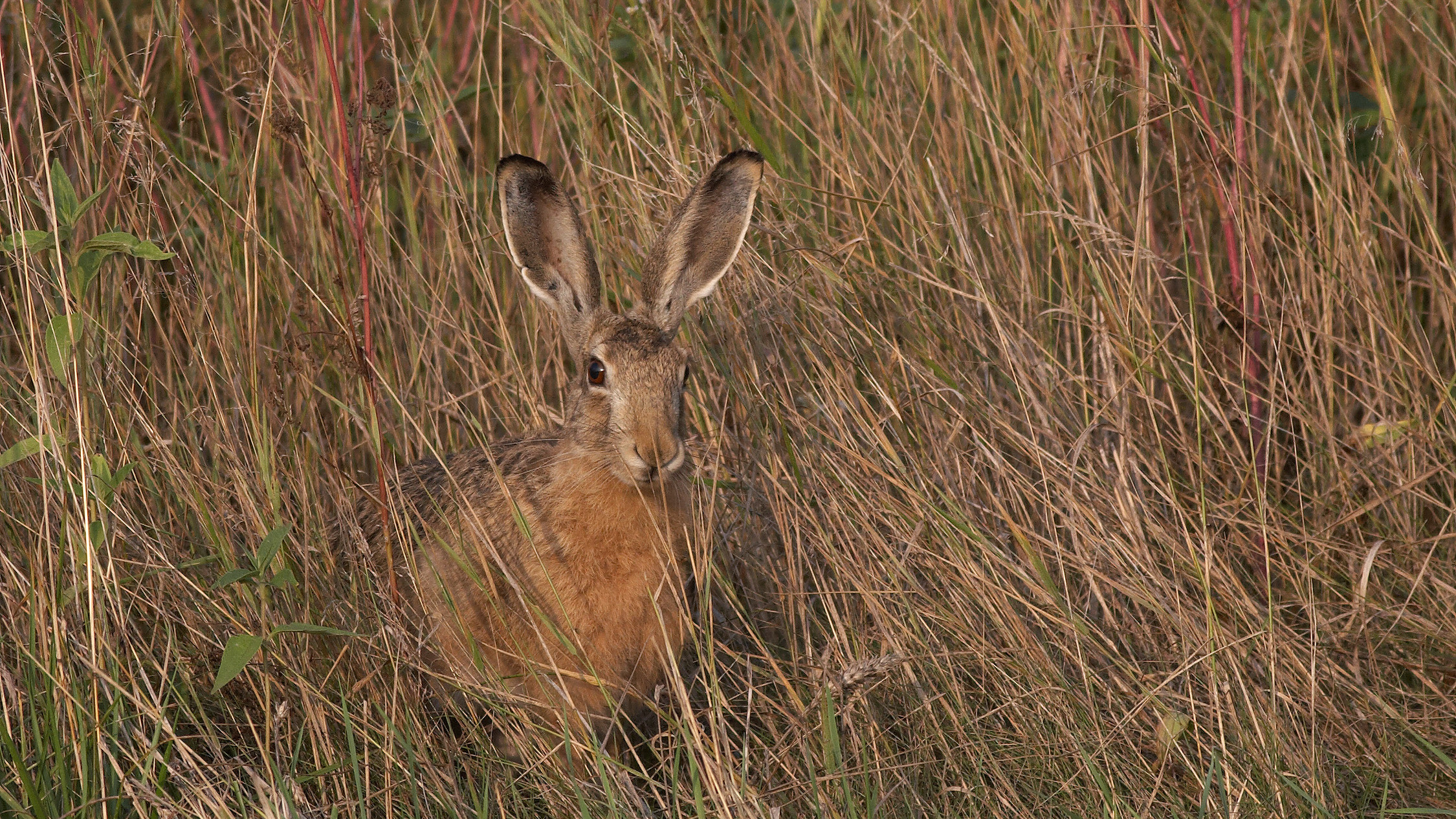
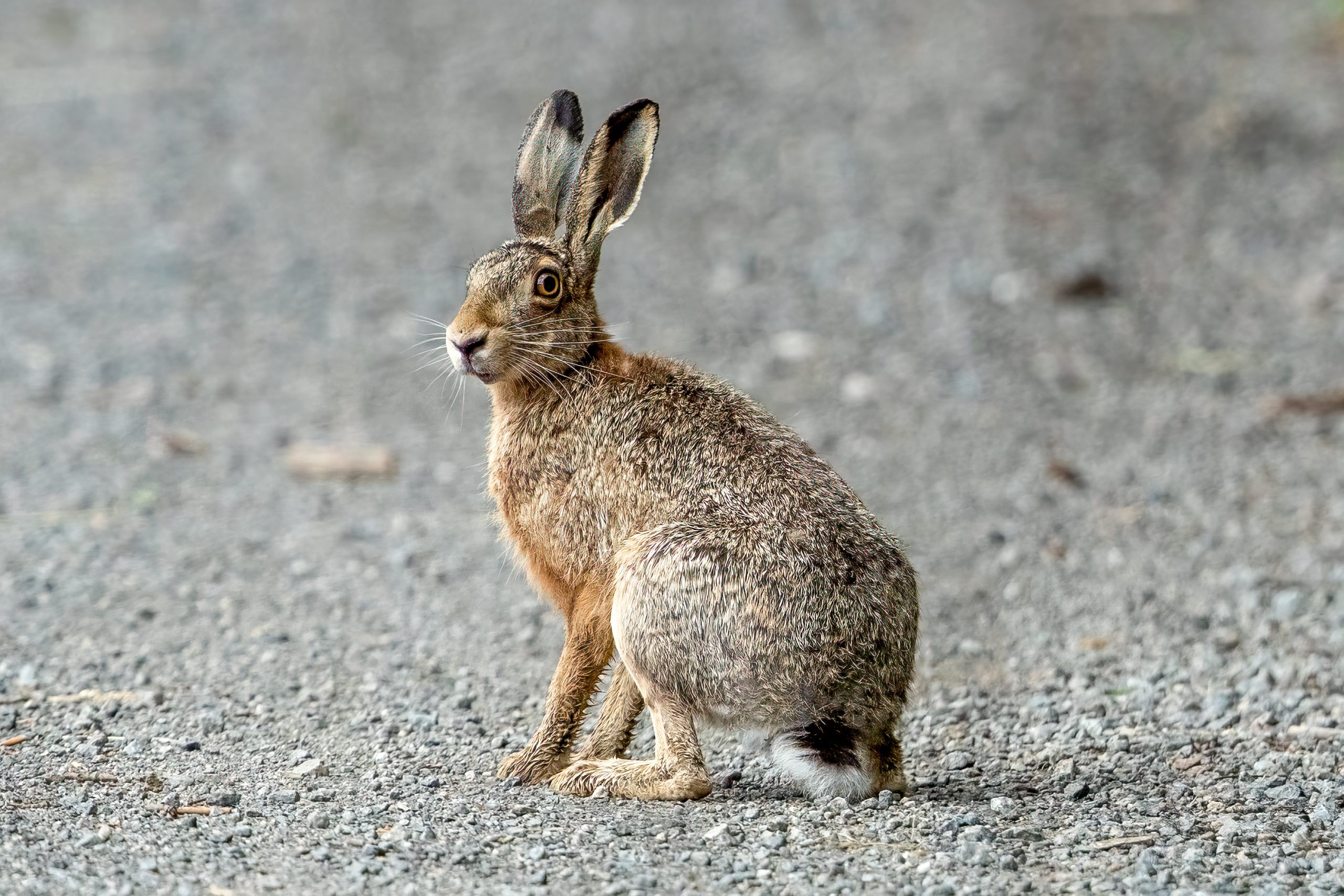
A study published on 23 January 2026 reported the first confirmed hare-adapted recombinant myxoma virus (ha-MYXV) in European hares (Lepus europaeus) from Czechia and Slovakia. Sixteen wild hares found dead in Czechia and four in Slovakia tested positive for myxoma virus, and discriminatory molecular testing confirmed the recombinant hare-adapted variant in all 20.
The word recombinant matters biologically. Classical myxoma virus primarily causes severe disease in rabbits and historically posed little threat to European hare populations. The hare-adapted virus that emerged on the Iberian Peninsula in 2018 originated through recombination between classical MYXV and an unidentified poxvirus, creating a genetically distinct virus capable of causing fatal myxomatosis in hares.
The Czech hares showed severe myxomatosis
The 16 Czech hares were submitted for post-mortem examination after being found dead with lesions suggestive of myxomatosis. Swelling of the eyelids, lips or nostrils was recorded in half of them, while eye or nasal discharge was common. Thirteen of the 16 also had congestion and oedema of the lungs. Histology of selected skin lesions showed inflammatory changes, characteristic myxoma cells and viral inclusion bodies.
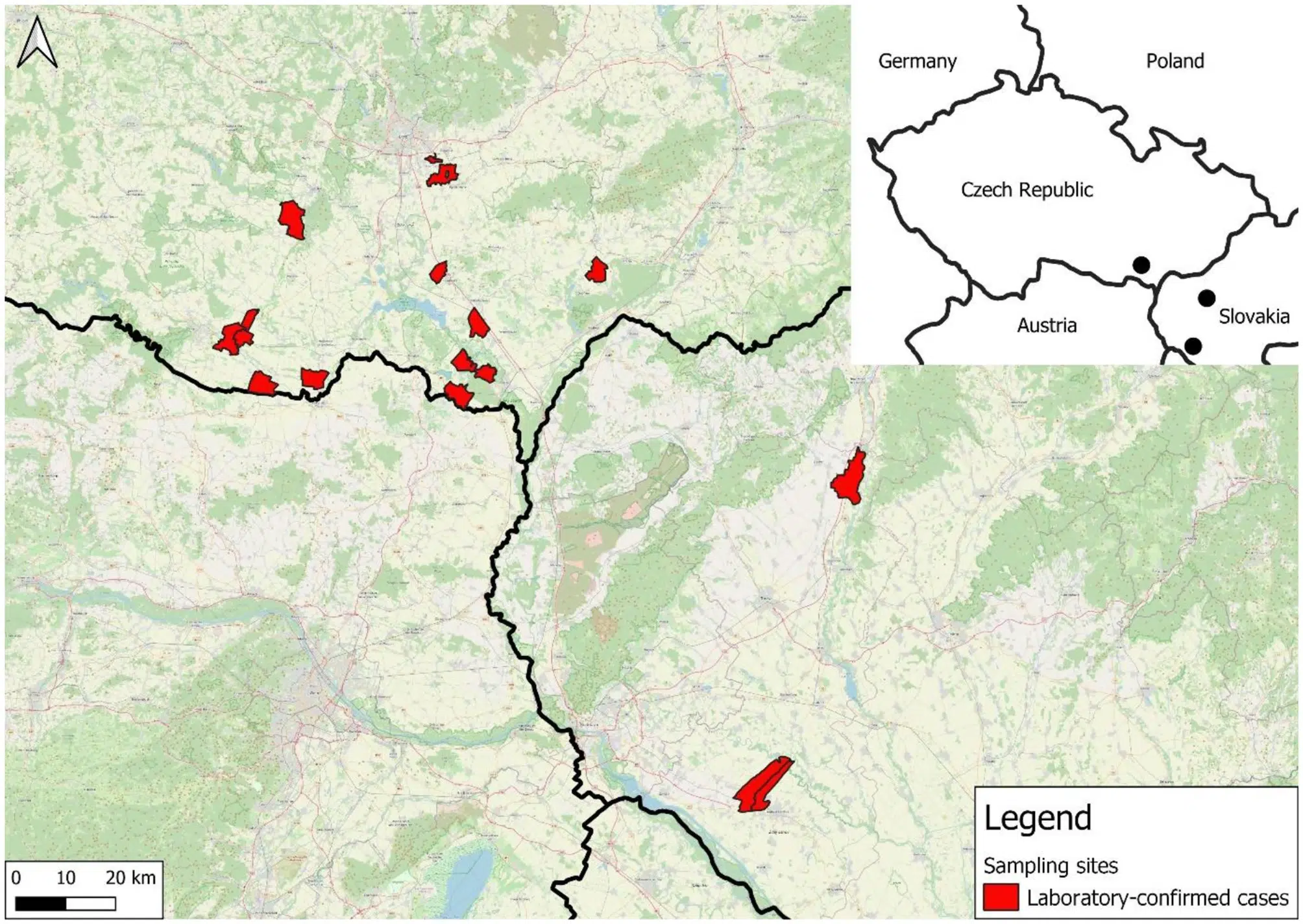
The first confirmed Czech case was found on 25 August 2025 in the South Moravian Region. In Slovakia, the first positive hare was found on 9 October, followed by three additional cases. A European rabbit (Oryctolagus cuniculus) from the Czech outbreak area also carried recombinant ha-MYXV, showing that the detected variant was not confined to hares.
The Czech virus belonged to the same hare-adapted recombinant group
Whole-genome sequencing of a representative Czech isolate showed very close genetic similarity to hare-adapted recombinant strains previously detected in Spain, Germany and the Netherlands. Phylogenetic analysis placed it clearly within the same recombinant ha-MYXV group.
The genetic data could not establish the exact route by which the virus reached Czechia. The authors consider recent introduction from Austria, or possibly Slovakia, plausible because of the geography and phylogenetic pattern, but note that genomic data from affected regions remain too sparse to resolve the route. They also suggest that local transmission during late summer and autumn may have involved arthropod vectors, as occurs with classical myxoma virus.
The findings therefore document a further geographic expansion of ha-MYXV into Central Europe. The virus has caused high mortality in hare outbreaks elsewhere, but the authors emphasise that its population-level effect on European hares in Central Europe remains unknown. They also note that Europe lacks standardised ha-MYXV surveillance, so absence of confirmed cases in an area does not necessarily mean the virus is absent there.
Disease, parasites & microbiology
Related news
Cryptosporidium Deer Mouse Genotype IV Was Recorded in Europe for the First Time in European Hares
Five of 370 faecal samples from wild European hares in Czechia and Slovakia contained Cryptosporidium deer mouse genotype…
Read story →
Classic and Recombinant Myxoma Viruses Were Found Together in Pooled Tissue From Two Hares in West Hungary
Whole-genome sequencing of pooled material from two European hares in western Hungary detected both classic MYXV and the…
Read story →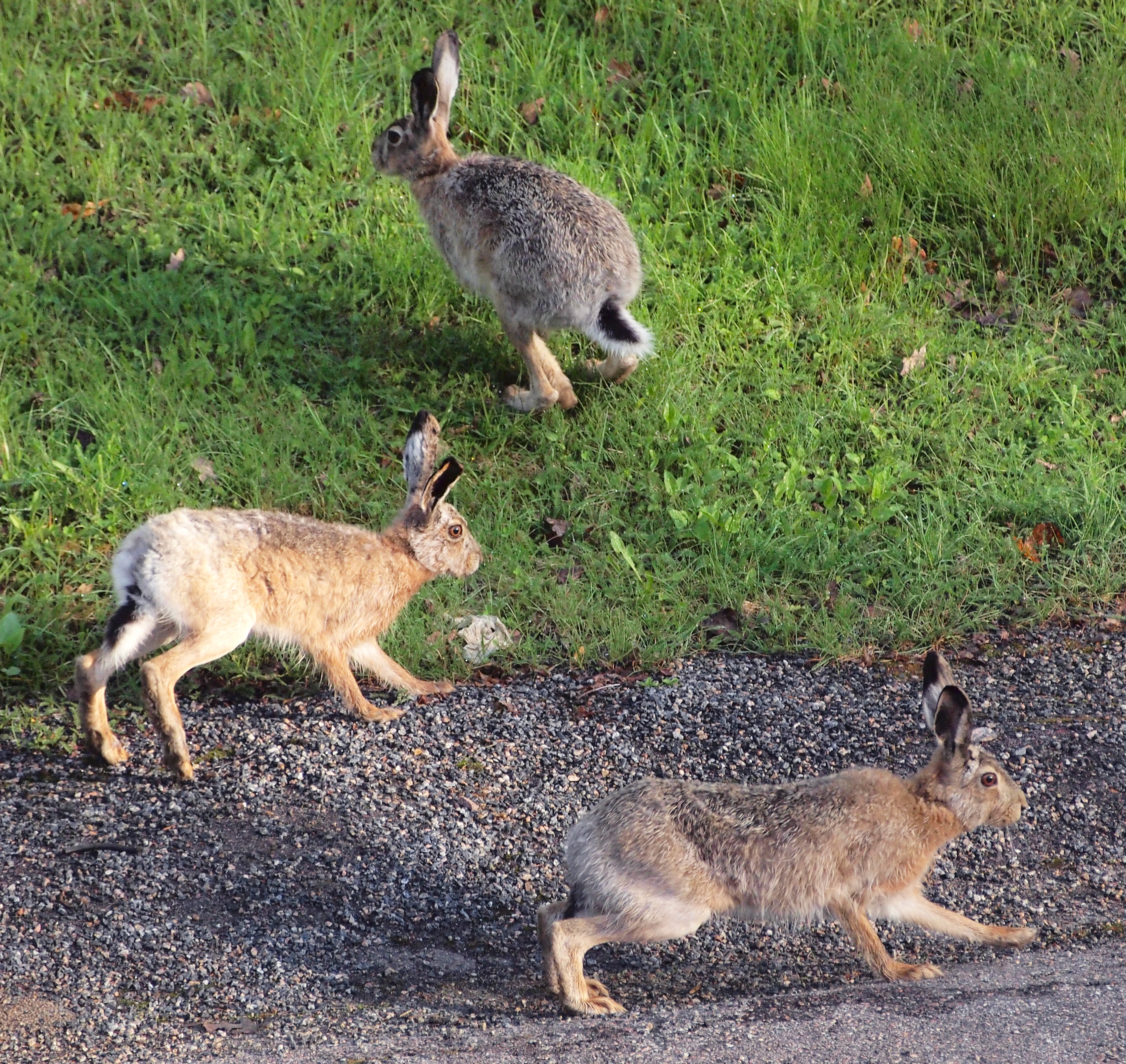
Hungary’s First ha-MYXV Outbreak Was Confirmed in 33 of 37 Targeted Hare Samples
During Hungary’s first confirmed outbreak of hare-adapted recombinant myxoma virus, 33 of 37 targeted European hare samples from…
Read story →SPECIES IN THIS STORY
Species in this story
Independent research and conservation news archive
Did you find this information useful?
Wildlife Vagabond is independently built and maintained. Voluntary support helps cover source verification, hosting and continued work on research and conservation news.
Support Wildlife VagabondThe news archive will remain freely available.