
Four Trematode Species Found in One Red-crested Pochard, Two New for Türkiye
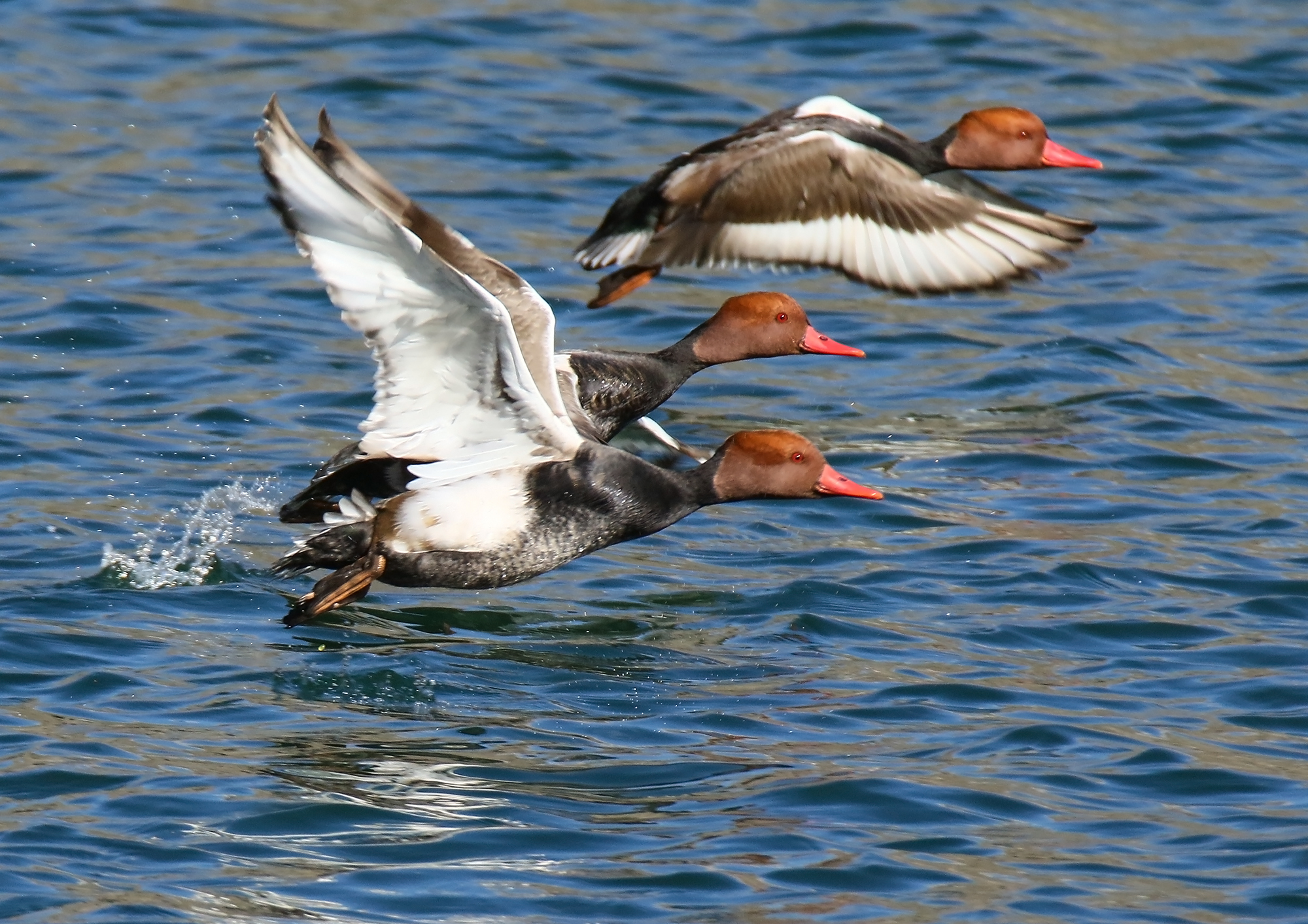
A parasitological survey of wild aquatic birds from the Kızılırmak Delta in Türkiye found four species of notocotylid trematodes—parasitic flatworms—in the single red-crested pochard (Netta rufina) examined. Two of them — Paramonostomum bucephalae and P. pseudoalveatum — had not previously been recorded in Türkiye.
The study examined 57 birds representing 21 species. Notocotylid trematodes were found in only three host species: common pochard (Aythya ferina), red-crested pochard and water rail (Rallus aquaticus). Across those three hosts, the researchers recovered 56 trematodes belonging to six species.
Four parasite species in one red-crested pochard
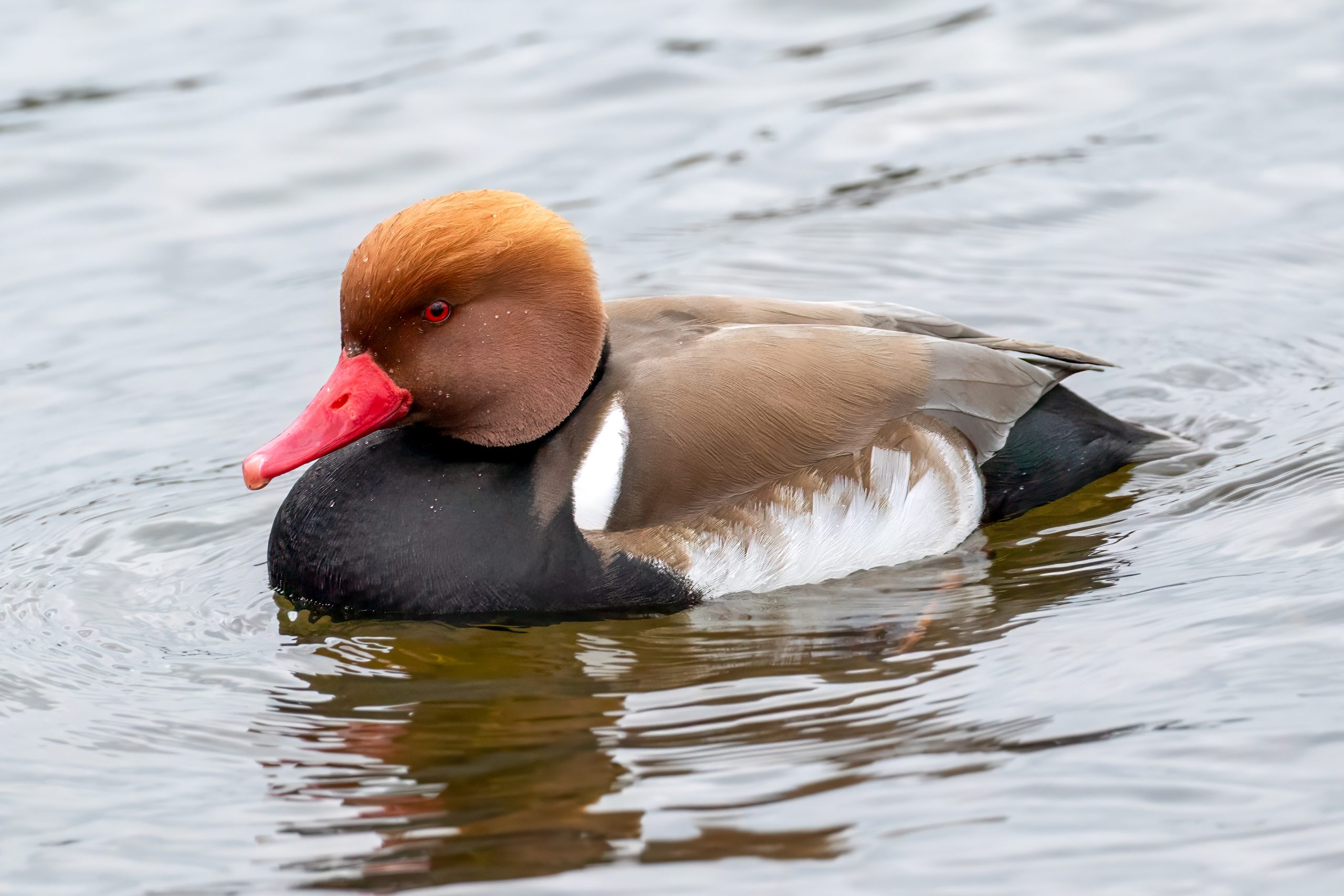
The red-crested pochard contained 14 trematodes: four Notocotylus attenuatus, four Paramonostomum alveatum, three P. bucephalae and three P. pseudoalveatum. The parasites were identified by examining their shape and measuring diagnostic body structures, then photographed and illustrated.
Because only one red-crested pochard was examined, the study cannot show how common these infections are in the species. It does, however, document which notocotylids were present in that bird and extends the known national distribution of two parasite species.
The wider survey added four species to Türkiye’s records
Across all three infected bird species, the study reported four notocotylids for the first time in Türkiye: Notocotylus skrjabini, Paramonostomum alveoelongatum, P. bucephalae and P. pseudoalveatum. Notocotylids commonly use aquatic snails as intermediate hosts. Birds can become infected by eating infected snails or larval stages attached to aquatic vegetation, making wetlands such as the Kızılırmak Delta suitable settings for the life cycle.
The authors conclude that the known diversity of this parasite family in Türkiye has been underestimated and that further surveys are needed to clarify its distribution among wetland birds.
Disease, parasites & microbiology
Related news
Tunisia’s Largest Known Winter Gathering of Red-crested Pochards Reached 159 Birds
Tunisia’s largest known winter gathering of red-crested pochards reached 159 birds at Sidi Saâd in December 2025, followed…
Read story →
Two Red-crested Pochard Pairs Produced Five Chicks in Tunisia’s First Confirmed Breeding Record
Two red-crested pochard pairs nested at Khniss wetland in 2025, producing five chicks and providing the first confirmed…
Read story →
Red-crested Pochards Bred at a Newly Documented Site in Southeastern Türkiye
Observations from four shallow ponds near the Devegeçidi Dam documented red-crested pochard breeding at a newly identified site…
Read story →SPECIES IN THIS STORY
Species in this story
Independent research and conservation news archive
Did you find this information useful?
Wildlife Vagabond is independently built and maintained. Voluntary support helps cover source verification, hosting and continued work on research and conservation news.
Support Wildlife VagabondThe news archive will remain freely available.