
Climate Models Projected 5–11% Habitat Gains for Red-headed Vulture in Three Future Scenarios
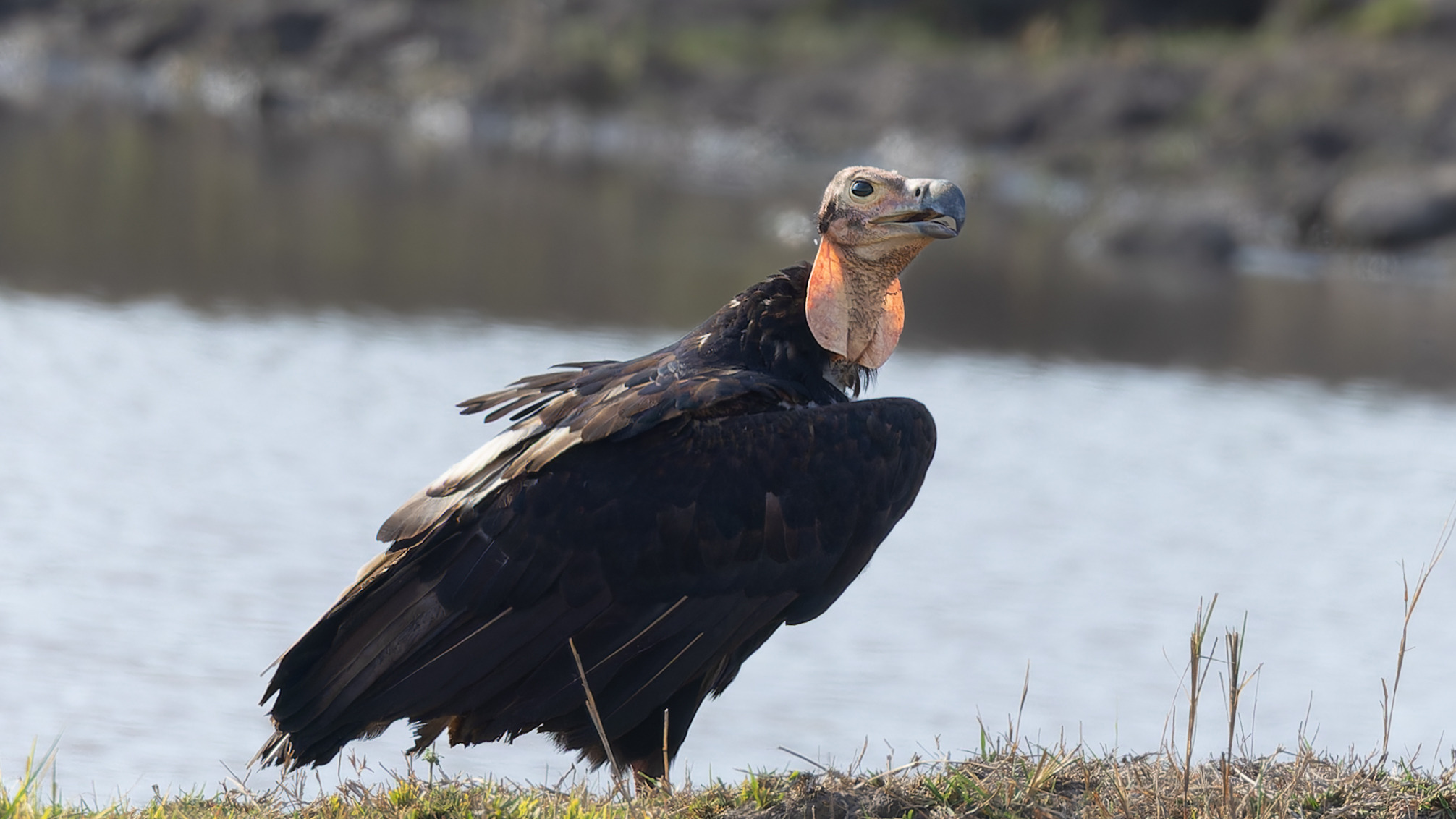
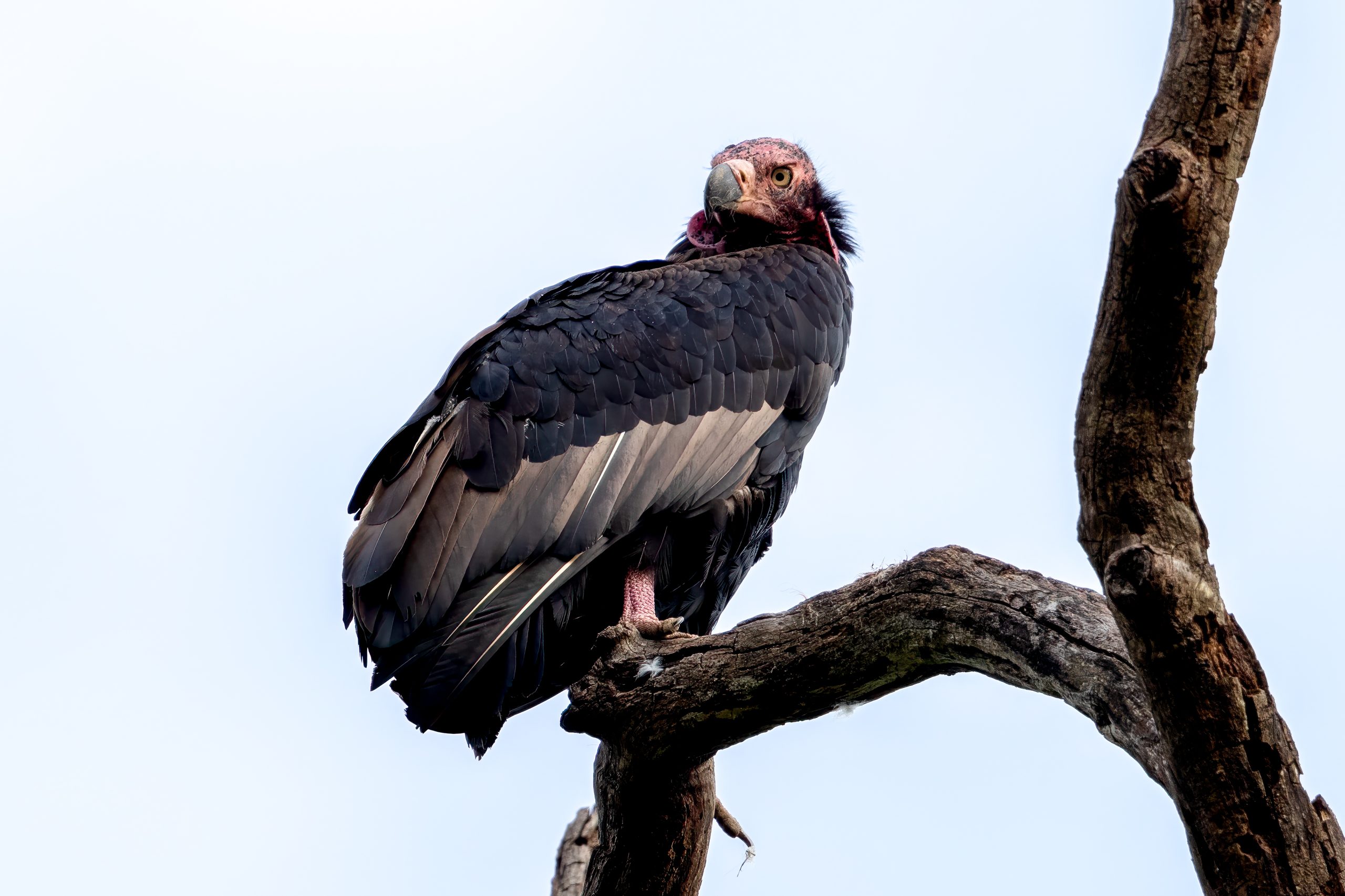
Climate modelling for the critically endangered red-headed vulture (Sarcogyps calvus) in Central India projected modest increases in suitable habitat under three future scenarios, but a small net loss under a fourth. The study estimated about 91,201 km² of suitable habitat under current conditions and examined how that area could shift as climate changes.
Radhika Jha and Kaushalendra Kumar Jha used MaxEnt, a species-distribution modelling approach, with climate variables and broader landscape factors. Isothermality — a measure comparing day-to-night temperature variation with variation across the year — together with precipitation seasonality and mean diurnal temperature range accounted for about 85% of the contribution in the climatic models. In a broader model of the realised niche — the environmental conditions the species actually occupies rather than climate alone — land cover and livestock abundance also became important, reflecting the importance of shelter and food availability.
Three scenarios projected habitat gains
Three future projections produced net gains of roughly 5–11% in suitable habitat, while one projected a net loss of about 4%. The centre of suitable area shifted by approximately 3–14 km, mainly towards the north-east or north-west. The models therefore suggested redistribution rather than a uniform expansion or contraction across Central India.
Other threats remain more important than the modelled habitat shifts
The authors identify continued exposure to diclofenac and other pressures as major constraints on recovery despite the relatively limited habitat changes projected in the models. They also projected only a nominal population increase and described the outlook as offering limited promise. They recommend combining protection from toxic veterinary drugs with habitat improvement and other recovery measures.
Ecology
Related news
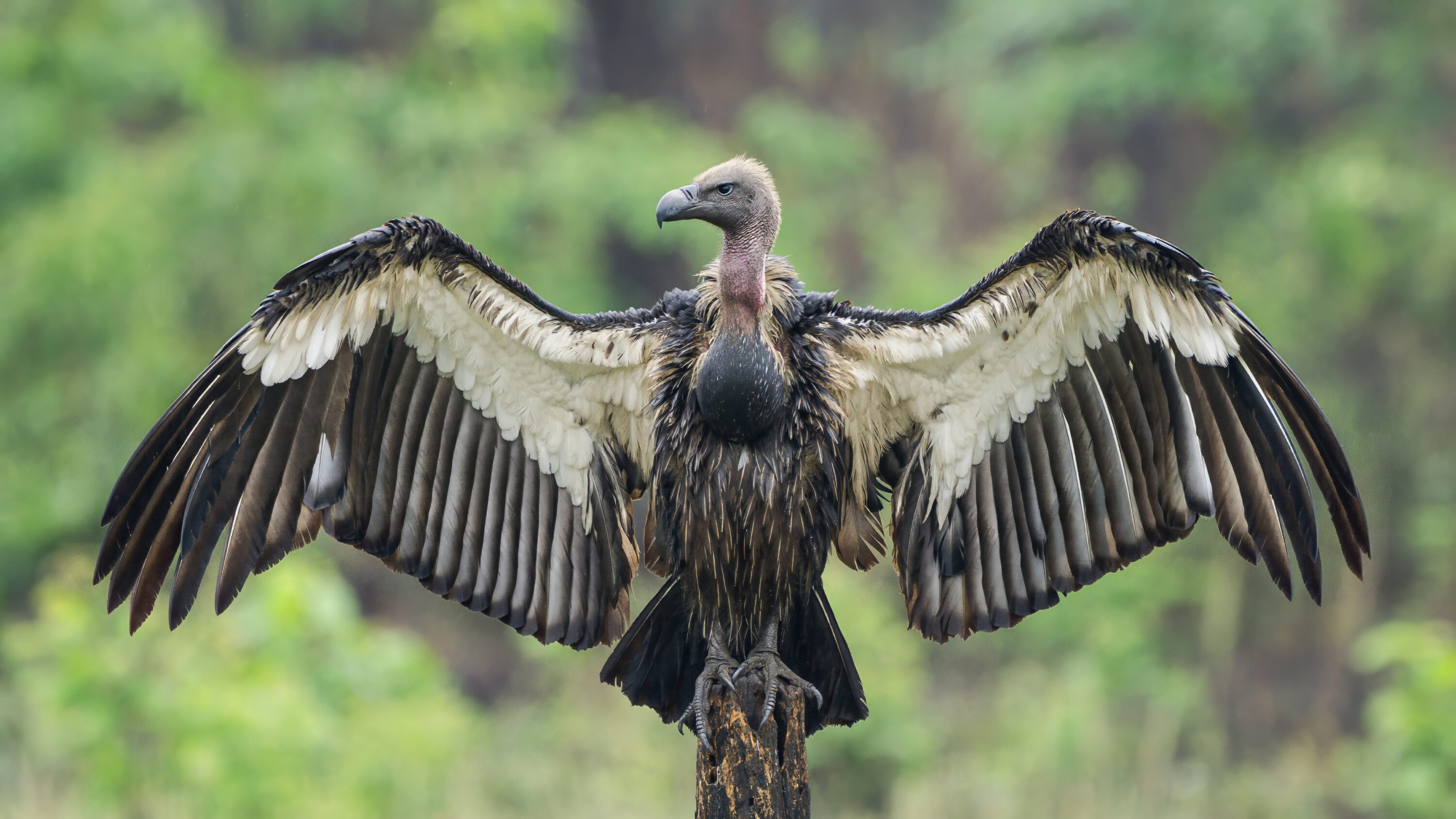
Cambodia Counted at Least 163 Vultures in 2025, Up 22% From 2024
Cambodia’s official 2025 minimum estimate counted 163 white-rumped, slender-billed and red-headed vultures combined—22% more than in 2024 and…
Read story →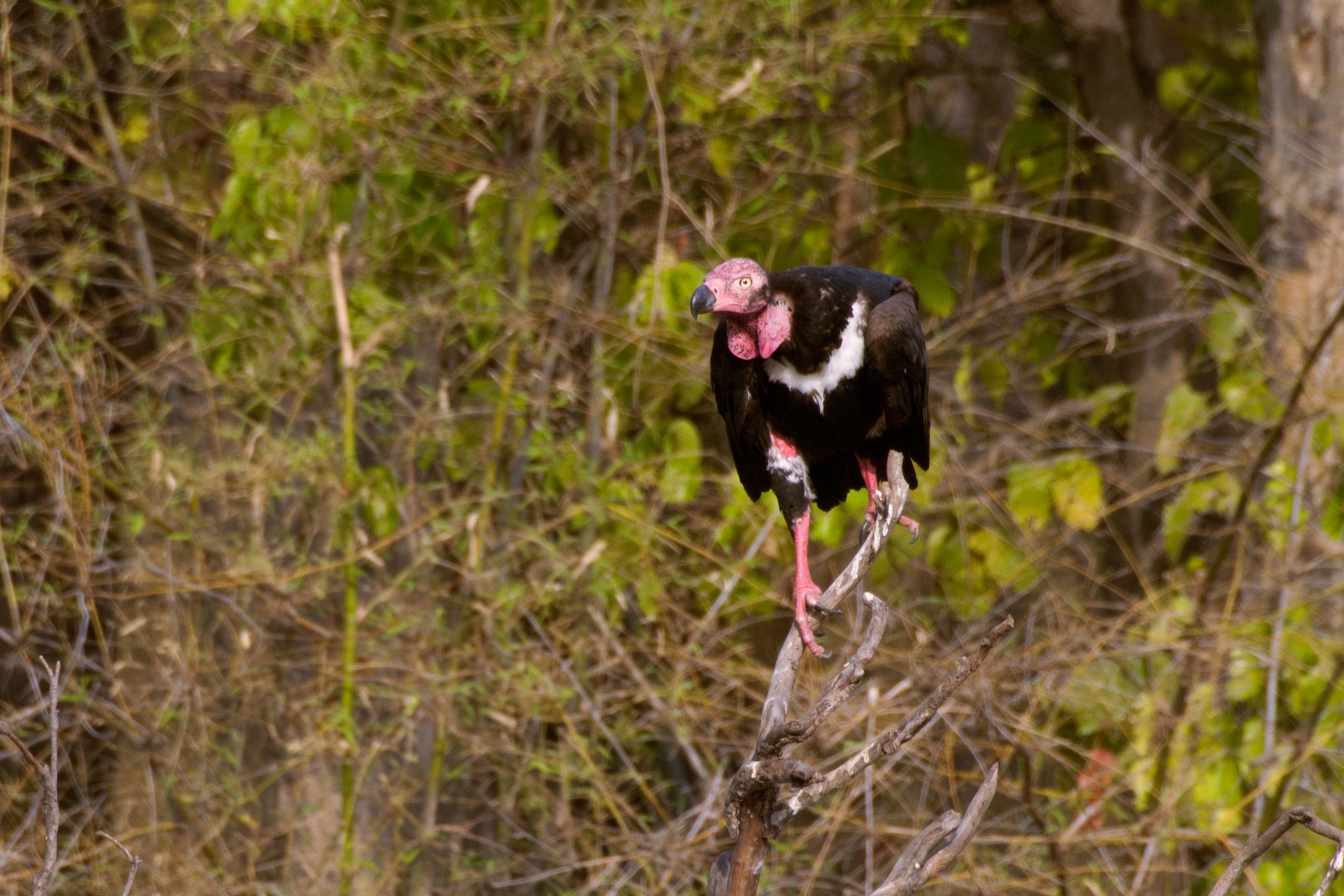
Red-headed Vulture Index Was 86.1% Lower Long Term and Still Declining Recently in India
The 2025 State of India’s Birds update estimated a −86.1% long-term trend for red-headed vulture in India, leaving…
Read story →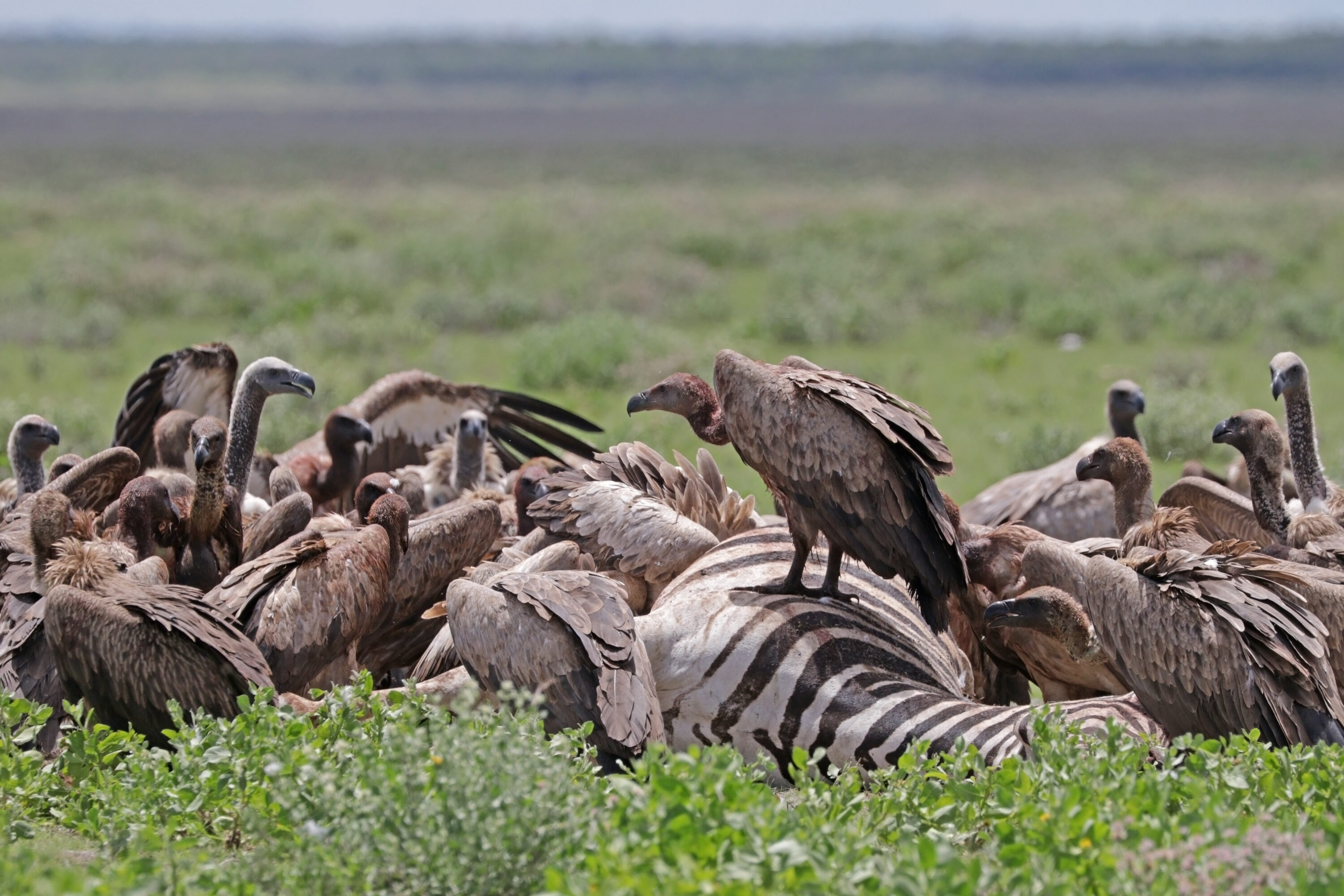
The Scavenging Lifestyle of Vultures Evolved in Three Separate Raptor Lineages
A 2026 review of all 23 living vulture species concluded that the specialised scavenging lifestyle evolved independently in…
Read story →SPECIES IN THIS STORY
Species in this story
Independent research and conservation news archive
Did you find this information useful?
Wildlife Vagabond is independently built and maintained. Voluntary support helps cover source verification, hosting and continued work on research and conservation news.
Support Wildlife VagabondThe news archive will remain freely available.