
The Scavenging Lifestyle of Vultures Evolved in Three Separate Raptor Lineages
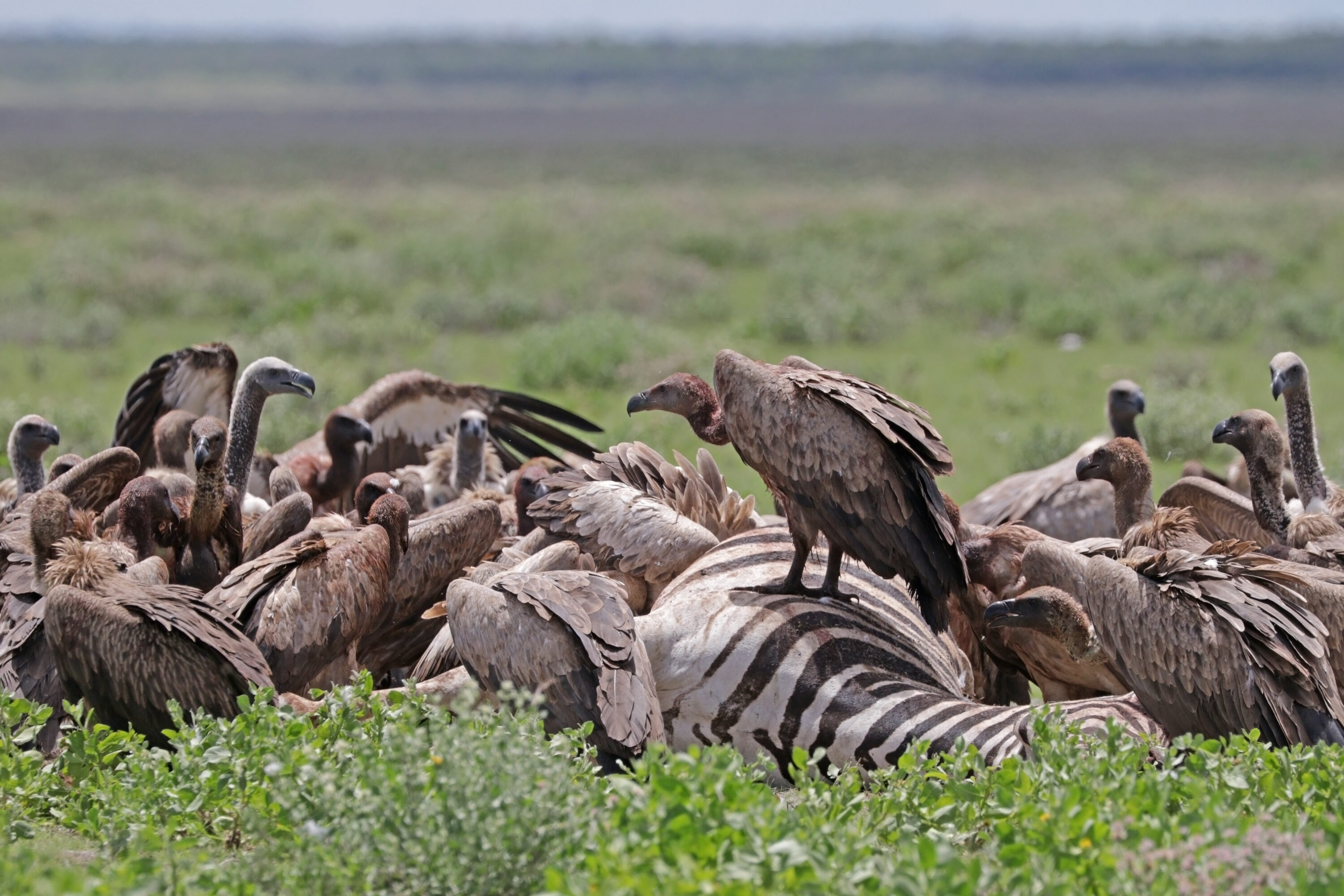
Vultures are not a single evolutionary lineage. A review of all 23 living species compared molecular phylogeny with morphology, feeding biology, breeding behaviour and ecology and concluded that the specialised scavenging lifestyle evolved independently in three groups of raptors.
The three lineages are New World vultures in Cathartidae, the Aegypiinae of the Old World — including Gyps vultures and cinereous vultures — and the Gypaetinae, which contains bearded, Egyptian and palm-nut vultures. The review therefore treats “vultures” as an ecological and functional group rather than a single taxonomic group.
Scavenging traits evolved convergently
Because the three lineages are only distantly related, similarities associated with feeding on carcasses are examples of convergent evolution. Different raptor lineages independently evolved combinations of traits that help them find, process and consume carrion.
The convergence is not complete. New World vultures and Aegypiinae most closely fit the familiar image of large obligate scavengers, while Gypaetinae are more specialised and variable. Bearded vultures are strongly adapted to eating bones, Egyptian vultures use a broader range of foods, and palm-nut vultures consume substantial amounts of plant material. The authors describe this group as a bridge between classic vultures and more typical predatory raptors.
Different lineages solve the same ecological problem in different ways
Food detection is one example. The three Cathartes species, including turkey vulture (Cathartes aura), have a highly developed sense of smell and can locate carrion using odour. Many other vultures depend much more heavily on vision and on cues from other scavengers.
Breeding biology also retains strong lineage differences. Old World vultures build nests, whereas New World vultures typically lay their eggs in natural cavities or sheltered sites without constructing a comparable nest. These contrasts show that adaptation to scavenging did not erase the different evolutionary histories of the three groups.
The review also discusses earlier genomic studies that found signs of positive selection in genes linked to digestion and immune defence in some vultures. Such findings are consistent with the challenges of consuming carrion, but they come from selected species and do not show that exactly the same genetic changes evolved in all three lineages.
The central evolutionary result is therefore that the 23 living vultures are far from monophyletic. What unites them is repeated adaptation to the same ecological role, not descent from one specialised vulture ancestor.
Evolution & taxonomy
Related news
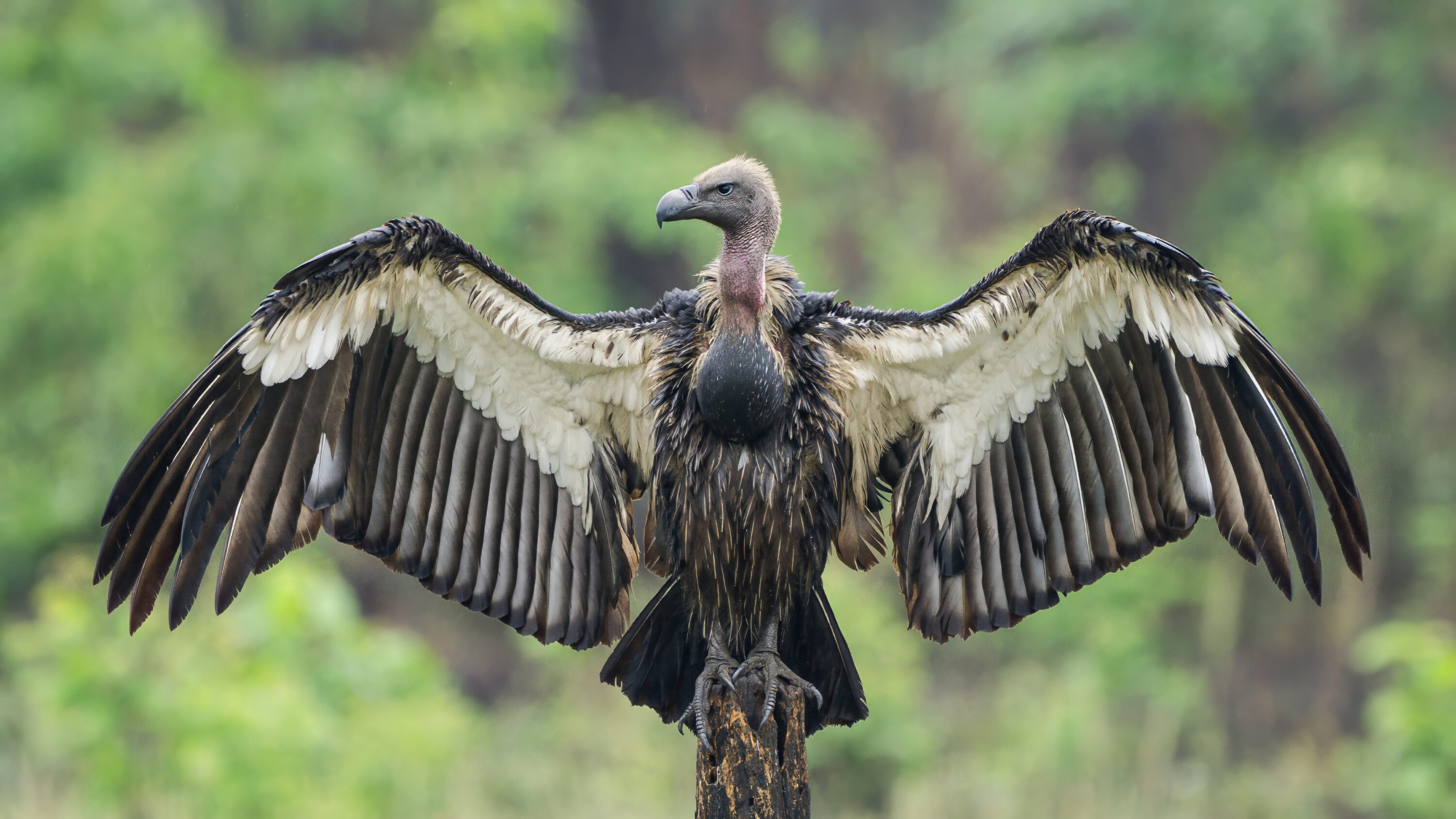
Cambodia Counted at Least 163 Vultures in 2025, Up 22% From 2024
Cambodia’s official 2025 minimum estimate counted 163 white-rumped, slender-billed and red-headed vultures combined—22% more than in 2024 and…
Read story →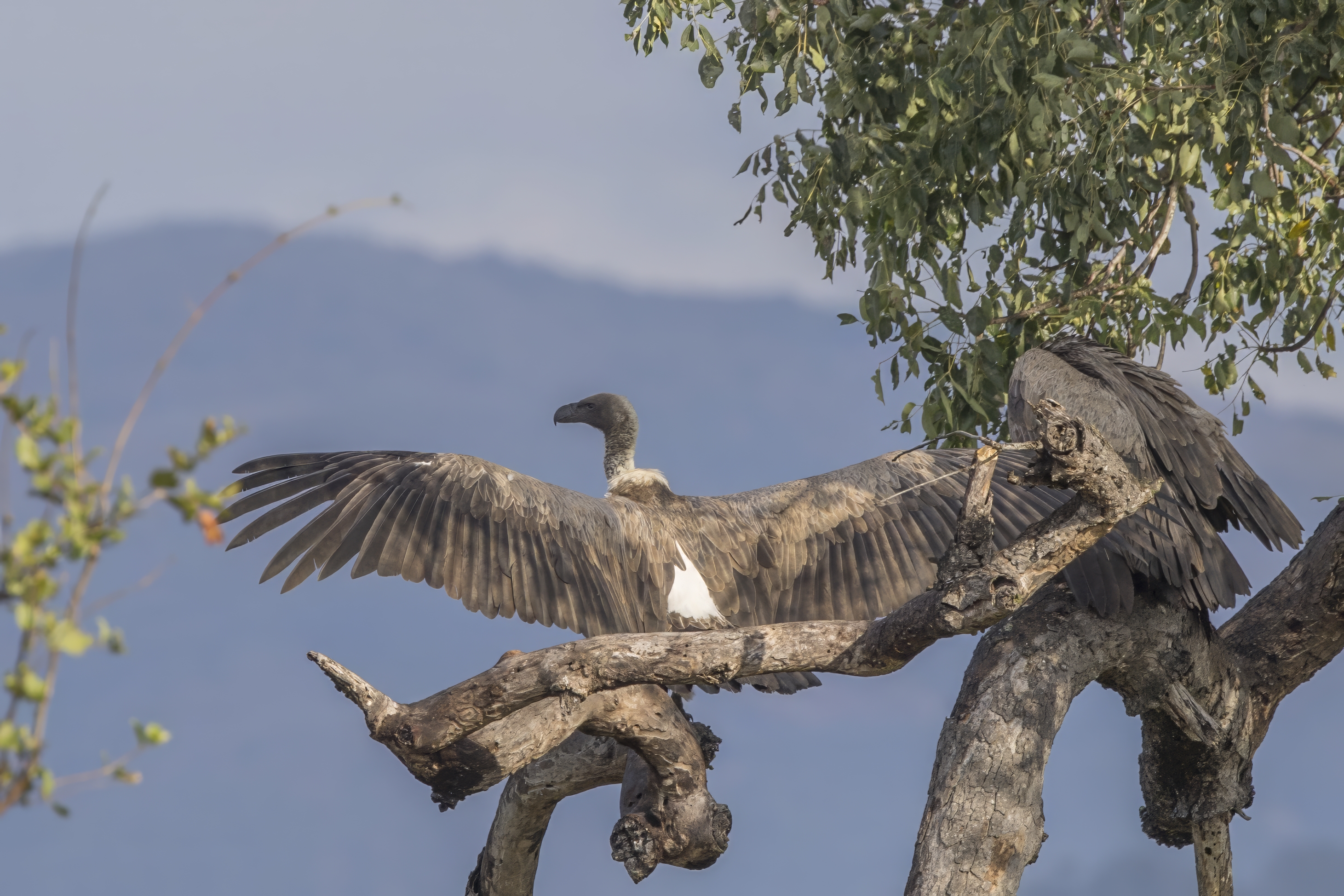
CT Reveals the Organs and Blood Vessels Inside a White-backed Vulture
A contrast-enhanced CT scan of one adult male white-backed vulture revealed major organs and vessels, while also showing…
Read story →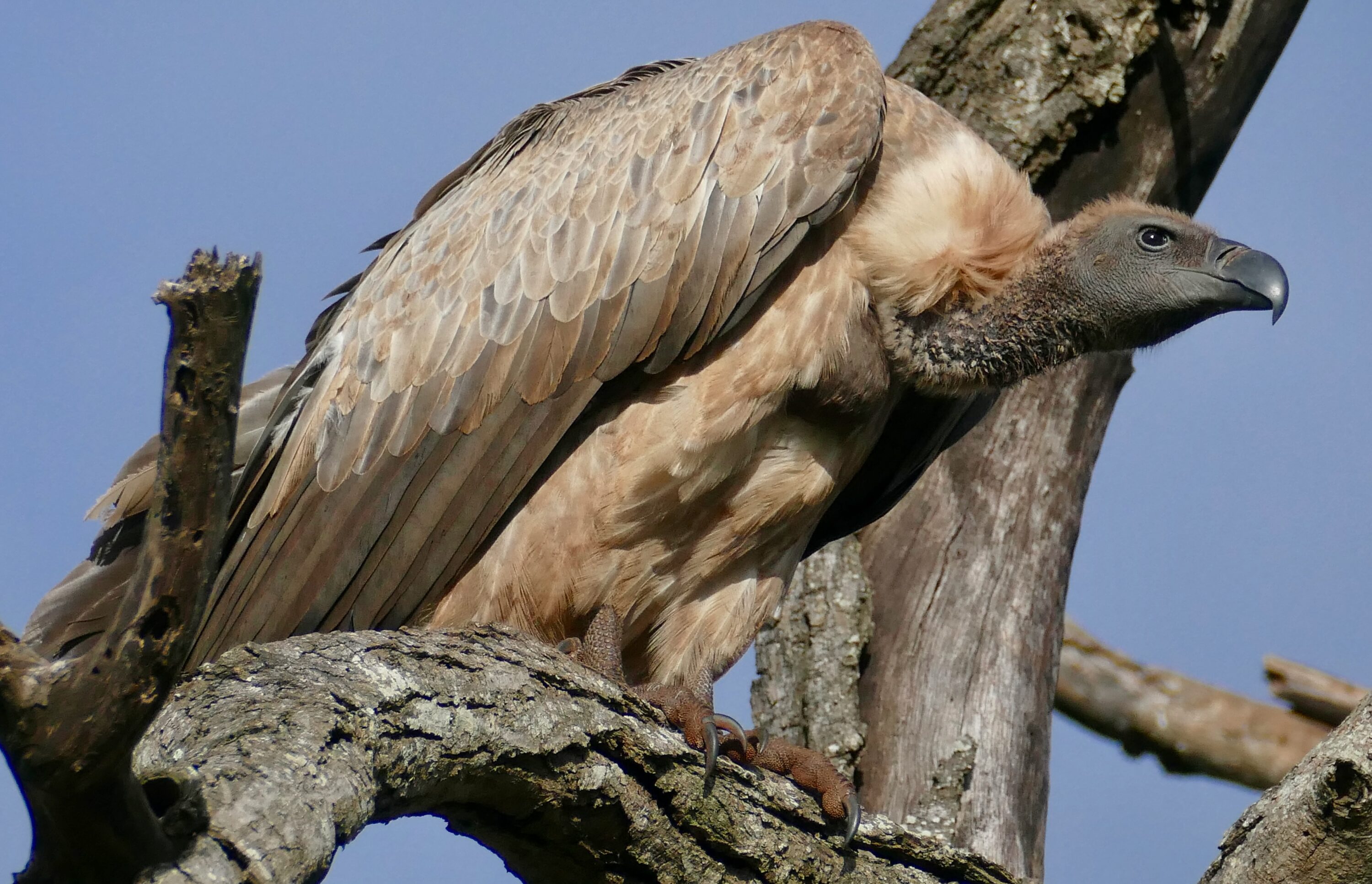
Two new studies sharpen the conservation map for white-backed vultures in Ethiopia
New surveys and habitat modelling from southwest Ethiopia identify important breeding, roosting and foraging areas for the critically…
Read story →SPECIES IN THIS STORY
Species in this story
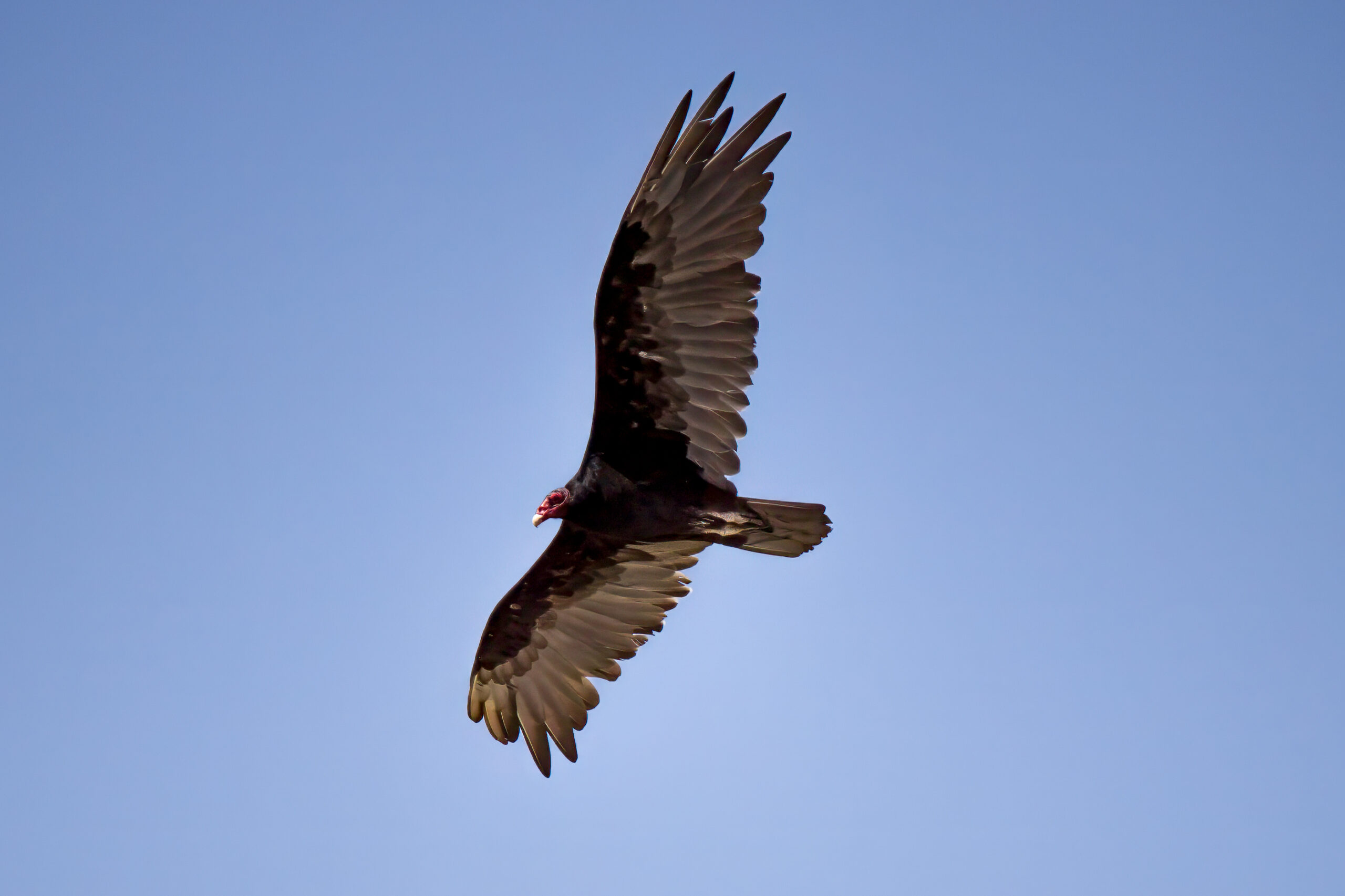 Turkey Vulture
Cathartes aura Explore species →
Turkey Vulture
Cathartes aura Explore species →
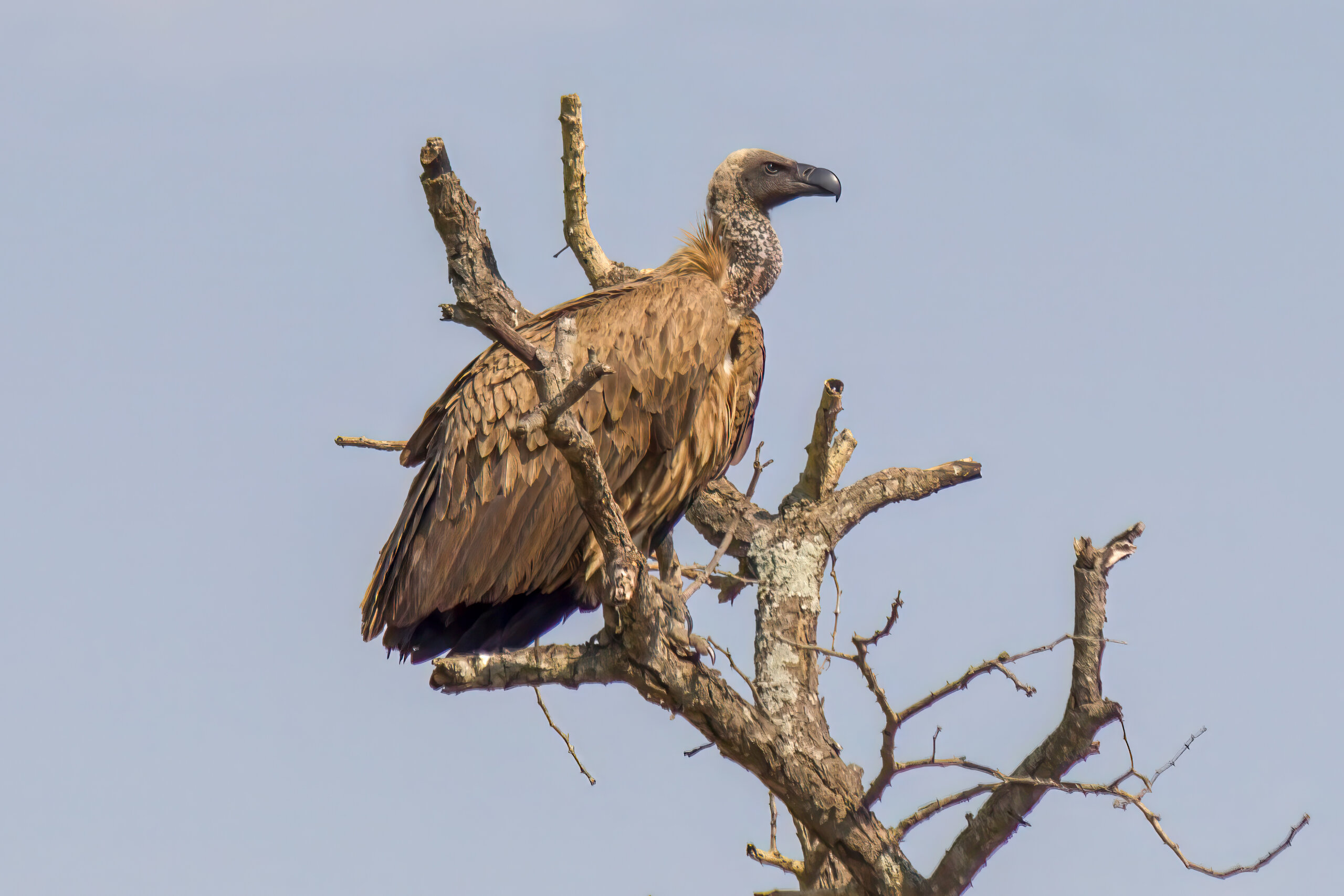 White-backed Vulture
Gyps africanus Explore species →
White-backed Vulture
Gyps africanus Explore species →
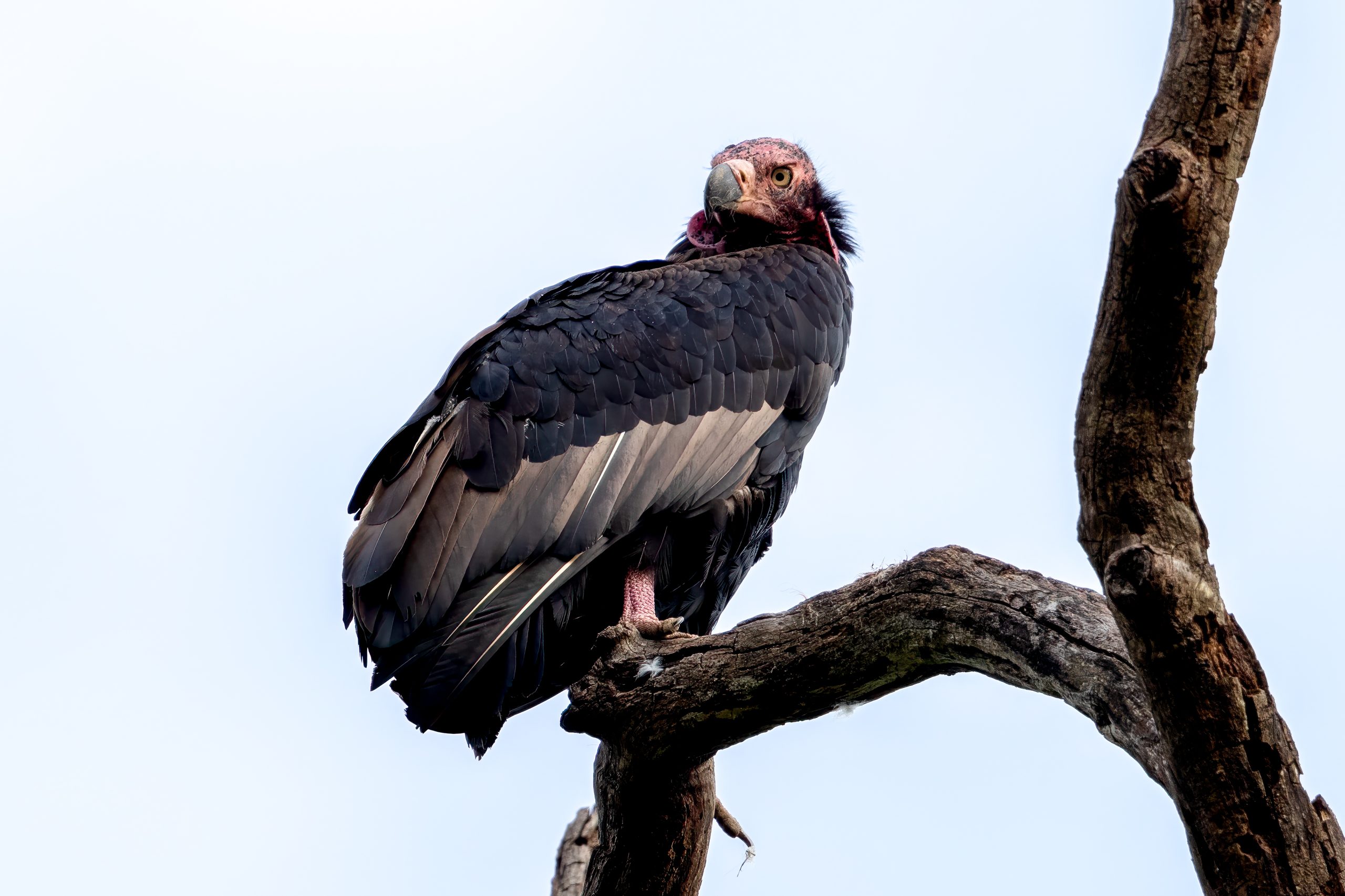 Red-headed Vulture
Sarcogyps calvus Explore species →
Red-headed Vulture
Sarcogyps calvus Explore species →
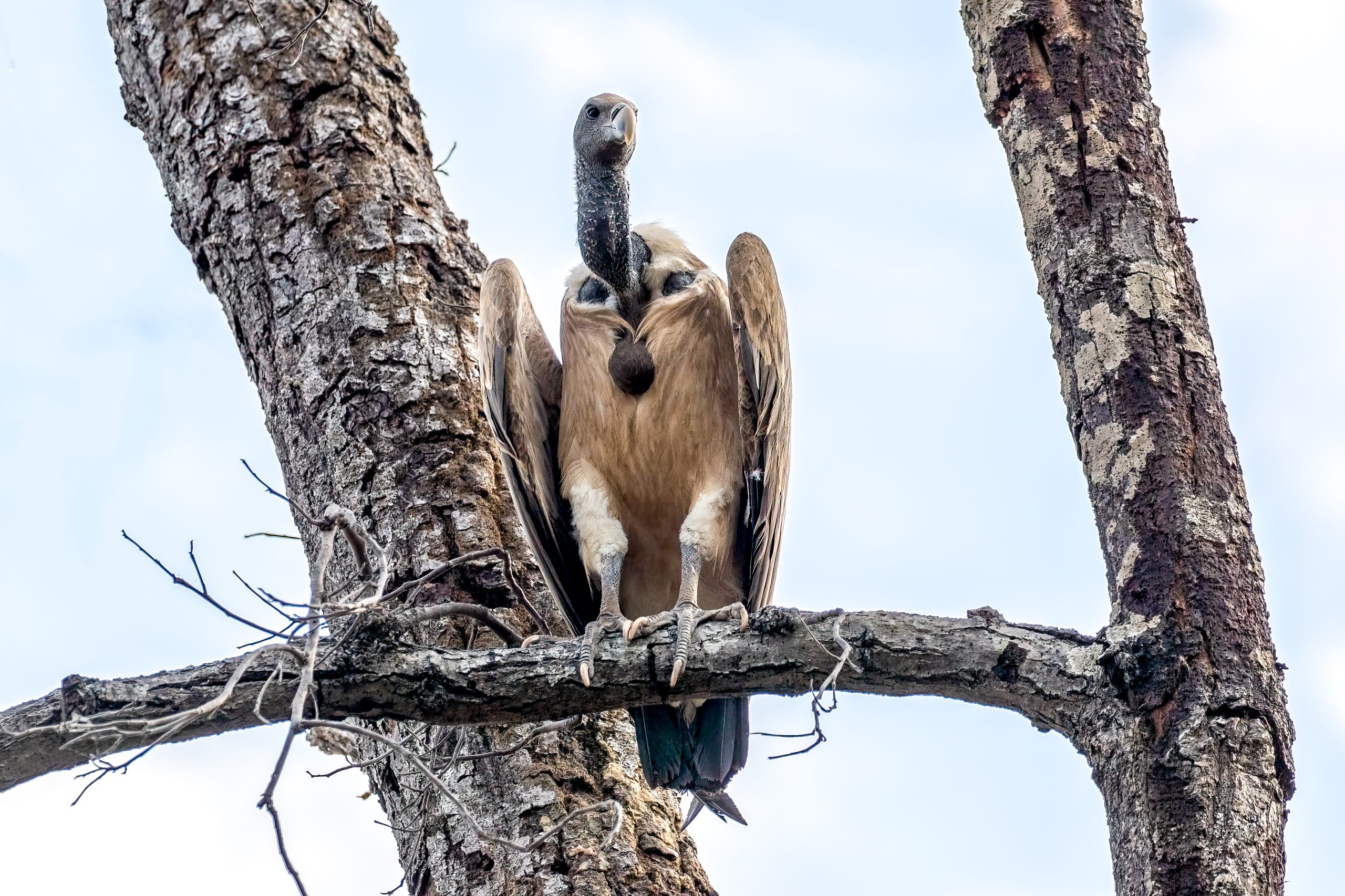 Indian Vulture
Gyps indicus Explore species →
Indian Vulture
Gyps indicus Explore species →
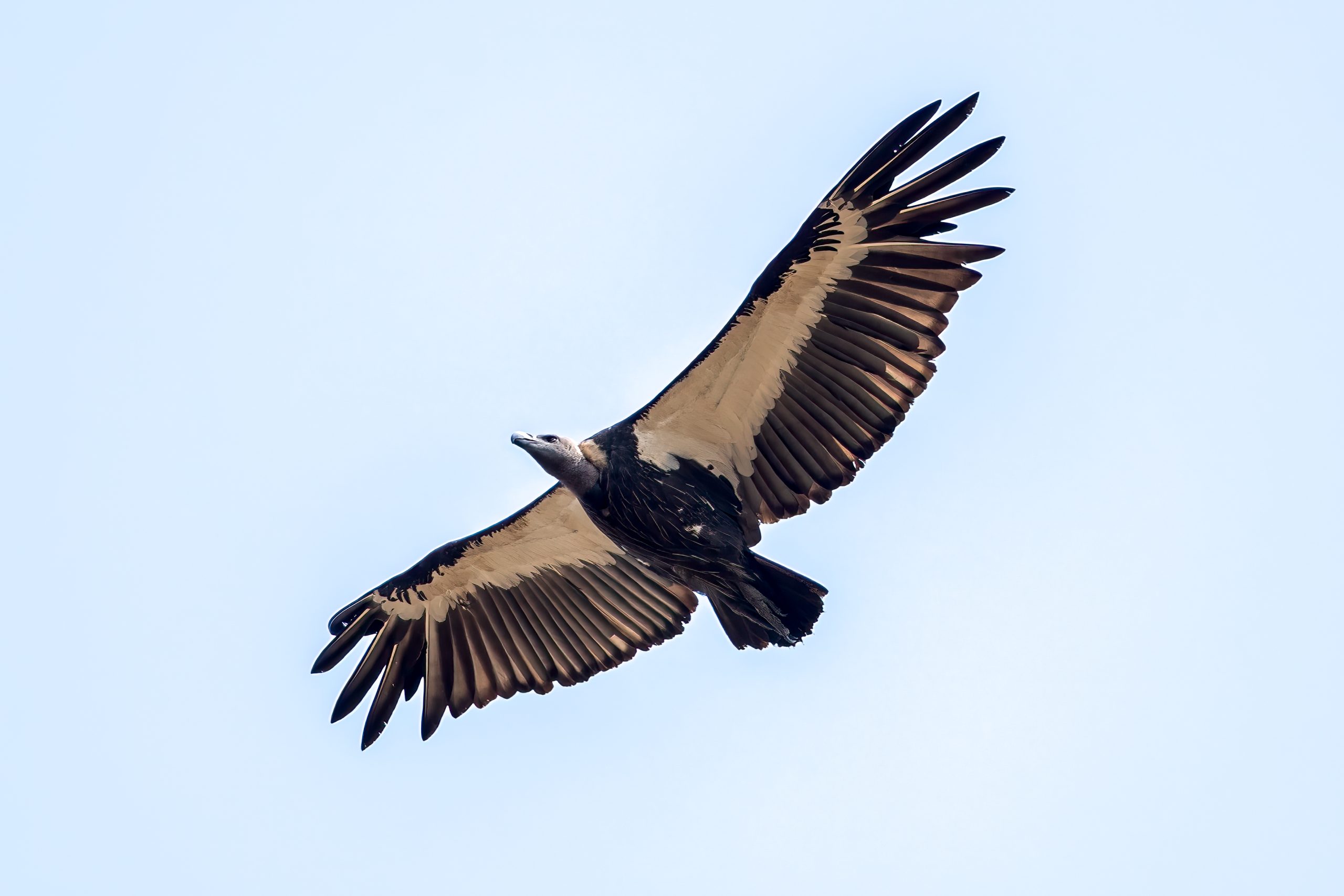 White-rumped Vulture
Gyps bengalensis Explore species →
White-rumped Vulture
Gyps bengalensis Explore species →
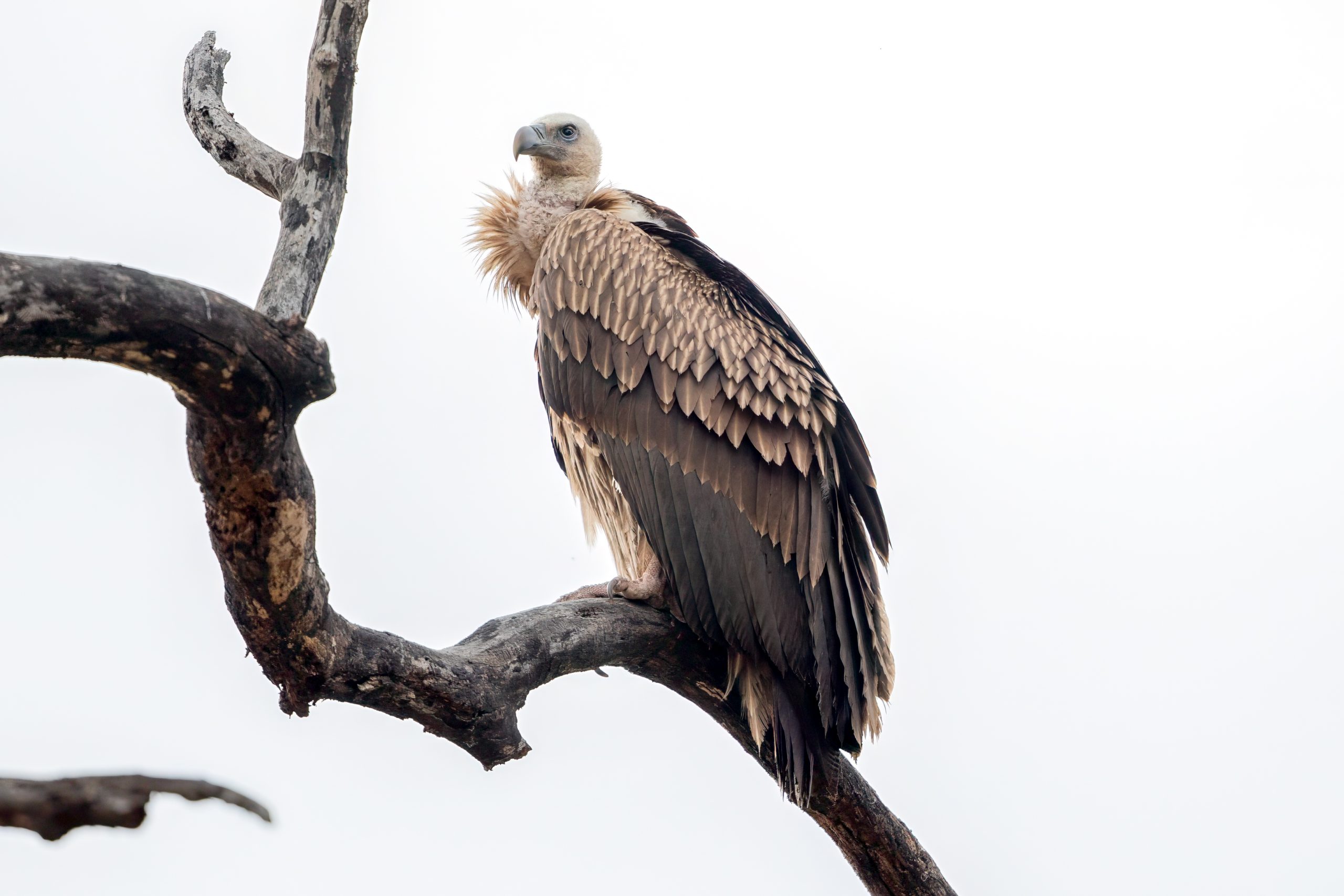 Himalayan Griffon
Gyps himalayensis Explore species →
Himalayan Griffon
Gyps himalayensis Explore species →
Independent research and conservation news archive
Did you find this information useful?
Wildlife Vagabond is independently built and maintained. Voluntary support helps cover source verification, hosting and continued work on research and conservation news.
Support Wildlife VagabondThe news archive will remain freely available.