
Reintroduced African Wild Dogs Had High Diversity and Less Realised Genetic Load Than Kruger Dogs
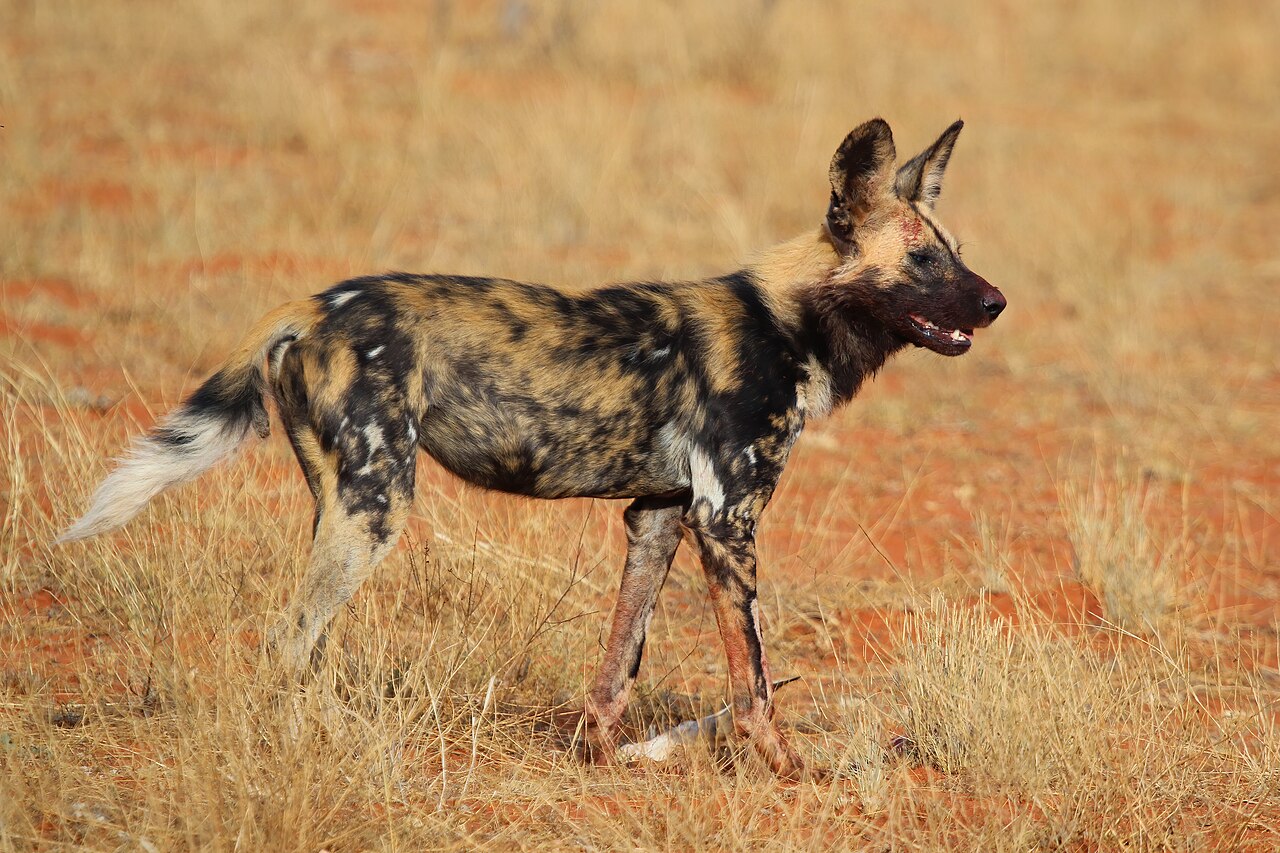
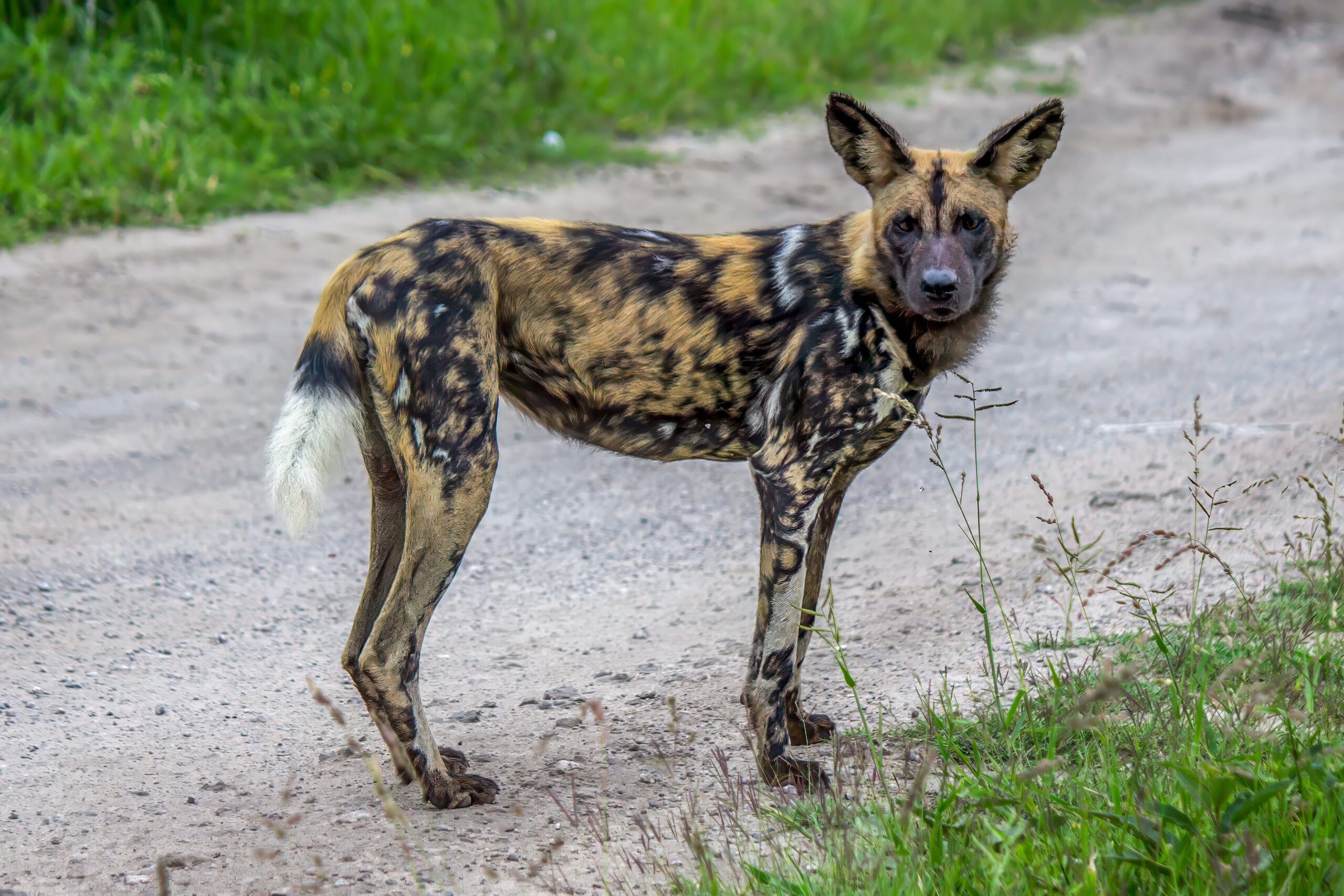
A genomic study of African wild dogs (Lycaon pictus) found that South Africa’s managed reintroduced metapopulation carried high genetic diversity and comparatively favourable inbreeding and genetic-load patterns. Researchers compared whole genomes from animals in Kruger National Park, the managed network of private-reserve populations, and free-roaming wild dogs in South Africa and Zimbabwe. The comparison supports the authors’ interpretation that repeated translocations and mixing among founder lineages can rebuild genetic resilience, although it is not a controlled experiment in which management is the only difference among populations.
The managed metapopulation retained more genomic variation
The team analysed 30 whole genomes, ten from each of the three population groups. Genetic diversity was assessed partly through heterozygosity — how often an individual carries two different versions of a DNA position. Higher heterozygosity means more variation is retained within the genome. The researchers also measured runs of homozygosity (ROHs), continuous chromosome stretches where both inherited copies are the same. Long ROHs are especially informative about recent mating among relatives because closely related parents are more likely to pass down identical chromosome segments.
Kruger wild dogs had more extensive long ROHs and lower genome-wide heterozygosity, consistent with stronger recent inbreeding. When the ROH regions were removed, most between-population differences in heterozygosity disappeared. The managed metapopulation showed the highest overall diversity and less extensive homozygosity, although individuals varied because the population combines several founder backgrounds.
The managed population carried less realised load than Kruger
The study estimated genetic load by identifying derived missense and loss-of-function variants predicted to alter or disable proteins. Such variants are not automatically harmful in every animal, so this is a genomic proxy rather than a direct measurement of health or reproductive success. When a potentially deleterious variant is homozygous, both copies carry it and a recessive effect can be expressed more readily; when it is heterozygous, the variant may remain partly “masked” by the other copy.
Kruger individuals had the highest cumulative genetic load and consistently more homozygous derived alleles than the reintroduced animals, indicating more realised load. The managed metapopulation carried a larger share of its load in heterozygous, masked form, while its total cumulative load was not significantly different from the free-roaming population. The authors link this combination of high diversity, less homozygosity and more masked load to repeated transfers and admixture among several founder lineages, arguing that sustained gene flow can reduce some genetic consequences of founder events and isolation.
Genomes retained signs of much wider historical gene flow
The study also found close genetic relationships across geographically separated animals, including affinity with a Kenyan wild-dog genome. The authors interpret the short ancient ROHs and broad genetic affinities as evidence that African wild dogs historically behaved more like a panmictic species — a population with extensive mixing and gene flow across large distances — than today’s fragmented populations do. This does not mean every animal mixed freely across the continent at the same time; it describes weak long-term genetic subdivision relative to the present-day isolation.
South Africa’s managed wild-dog metapopulation now contains more than 150 animals and also serves as a source for reintroductions elsewhere in southern Africa. The results support a conservation strategy in which isolated reserves are not treated as genetically closed populations. Planned transfers and admixture can imitate some of the connectivity that wild dogs once achieved naturally across much larger landscapes.
The authors conclude that reintroduced populations can regain genetic diversity when admixture and connectivity are maintained. In the managed metapopulation, higher heterozygosity, less extensive homozygosity and a larger share of potentially deleterious variants remaining masked in heterozygous form are consistent with gene flow counteracting part of the legacy of recent inbreeding within a few generations. These are genomic indicators of resilience, not direct measurements of survival or reproductive fitness.
Genetics & genomics
Related news
Food Leaves Its Mark on the Gut Bacteria of Kruger’s Wildlife
Gut bacteria in nine mammal species from Kruger National Park followed clear patterns linked to food and digestion.…
Read story →
Wild Dogs Travelled Thousands of Kilometres in Search of a Mate
GPS tracking in Zambia shows how African wild dogs can cross enormous distances between populations. But snares and…
Read story →
Twenty African Wild Dogs Return to Matusadona After Decades of Local Extinction
Two established packs comprising 20 African wild dogs have been returned to Matusadona National Park in Zimbabwe after…
Read story →SPECIES IN THIS STORY
Species in this story
Independent research and conservation news archive
Did you find this information useful?
Wildlife Vagabond is independently built and maintained. Voluntary support helps cover source verification, hosting and continued work on research and conservation news.
Support Wildlife VagabondThe news archive will remain freely available.