
Record Ptarmigan Numbers and a Good Breeding Year for Alaska’s Gyrfalcons
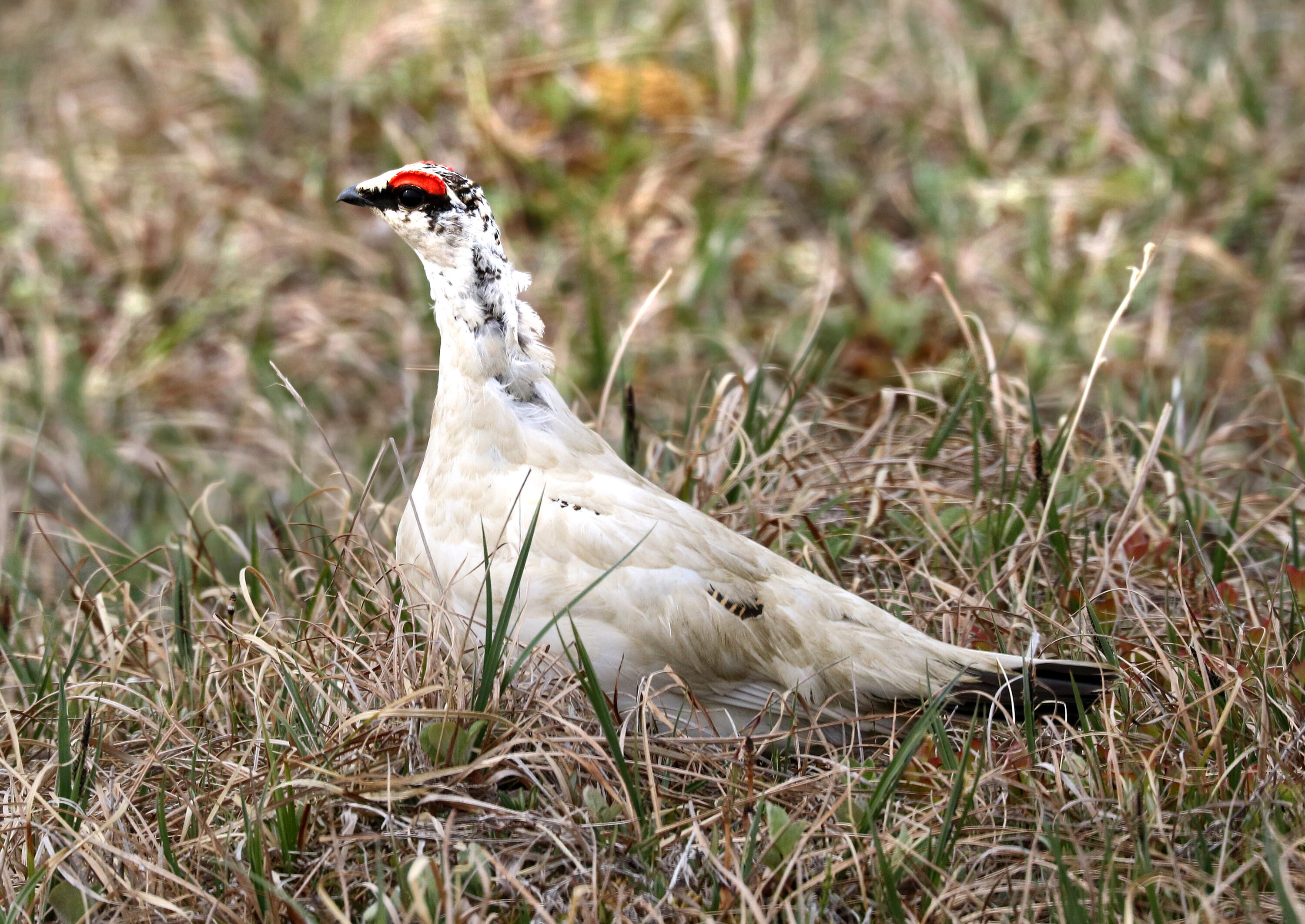
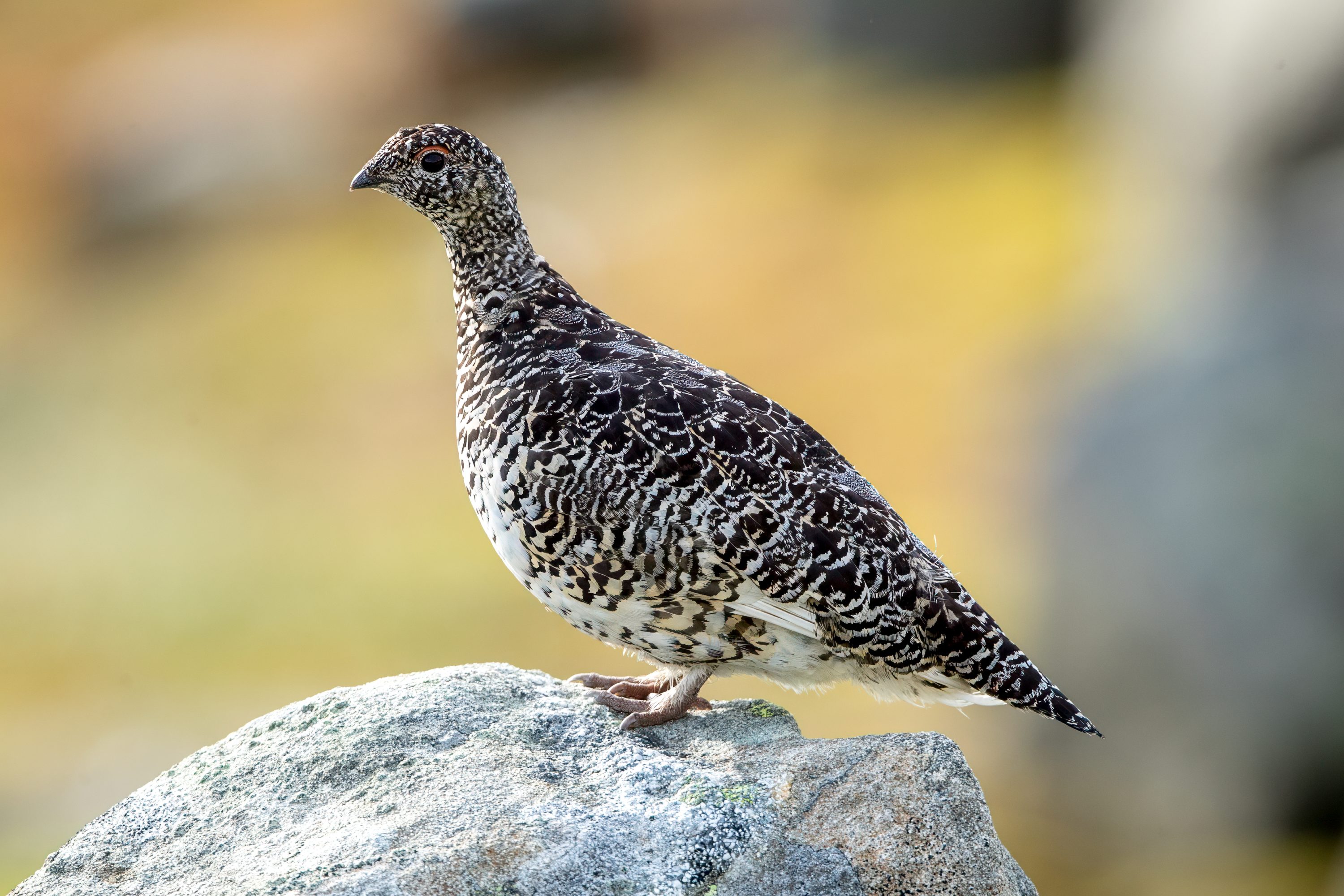
Spring surveys on the Seward Peninsula in Alaska, USA, recorded the highest ptarmigan numbers in eleven years of monitoring by The Peregrine Fund. Field teams count both rock ptarmigan (Lagopus muta) and willow ptarmigan (Lagopus lagopus), which make up much of the diet of gyrfalcons (Falco rusticolus) in the region. The results cover spring and summer 2026.
Plenty of food before breeding
Willow ptarmigan stood out especially strongly: their count was more than twice the previous record, which had been set only in 2025.
The prey peak coincided with one of the stronger recent breeding seasons for gyrfalcons. Helicopter surveys conducted with the Alaska Department of Fish and Game documented 45 breeding pairs, the second-highest number since 2016, and 74 nestlings, above the long-term average. The researchers suggest that abundant ptarmigan appear to have given the gyrfalcons a good start to the breeding season.
Younger gyrfalcons attempt to breed
Gyrfalcons normally do not begin breeding until their third year, but in 2025 the team recorded five second-year birds attempting to breed. The same pattern appeared again in 2026. One possibility raised by the researchers is that higher adult mortality could be opening territories and allowing younger, less experienced birds to enter the breeding population earlier. The cause has not yet been established.
The researchers will watch whether younger birds continue to take up nesting territories. A year with plenty of food and many chicks can therefore bring good news while other changes in the population warrant closer investigation.
Population & status
Related news
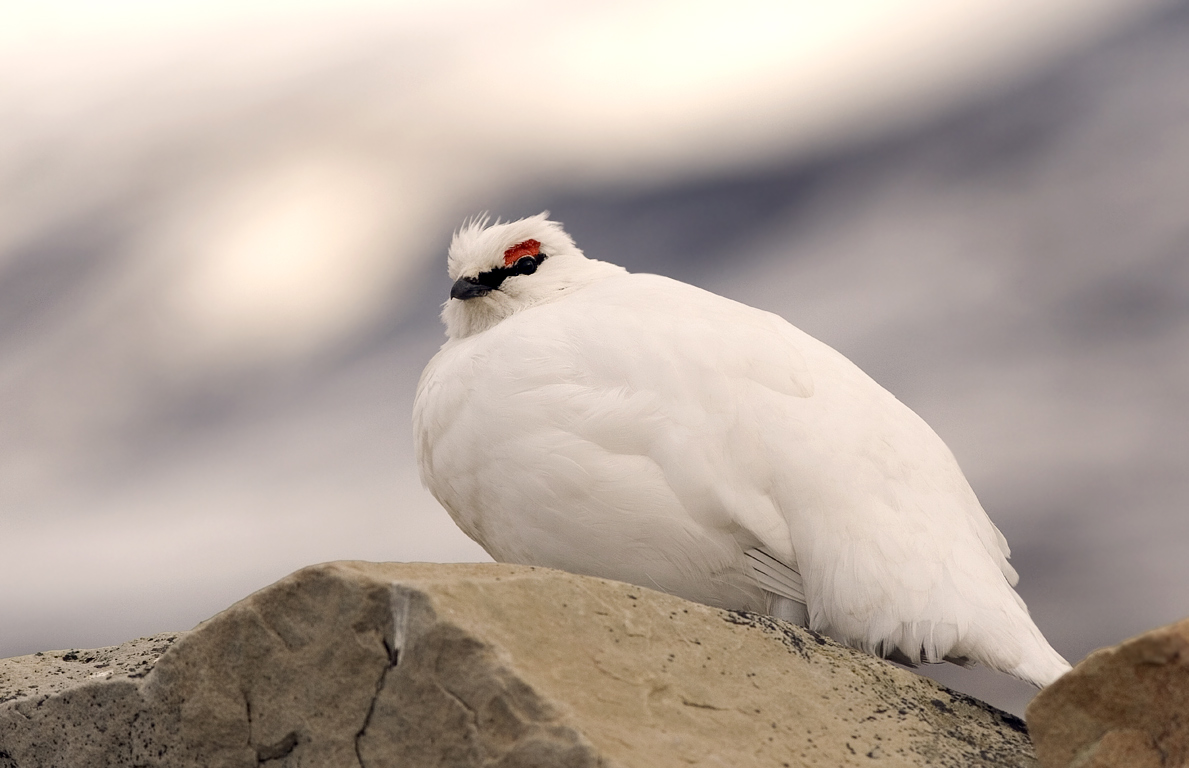
Svalbard Ptarmigan and Golden Hamsters Shared a TSH Pathway for Seasonal Timing
A comparison of neuroendocrine tissue in summer- and winter-like states found the same core TSH seasonal-timing pathway in…
Read story →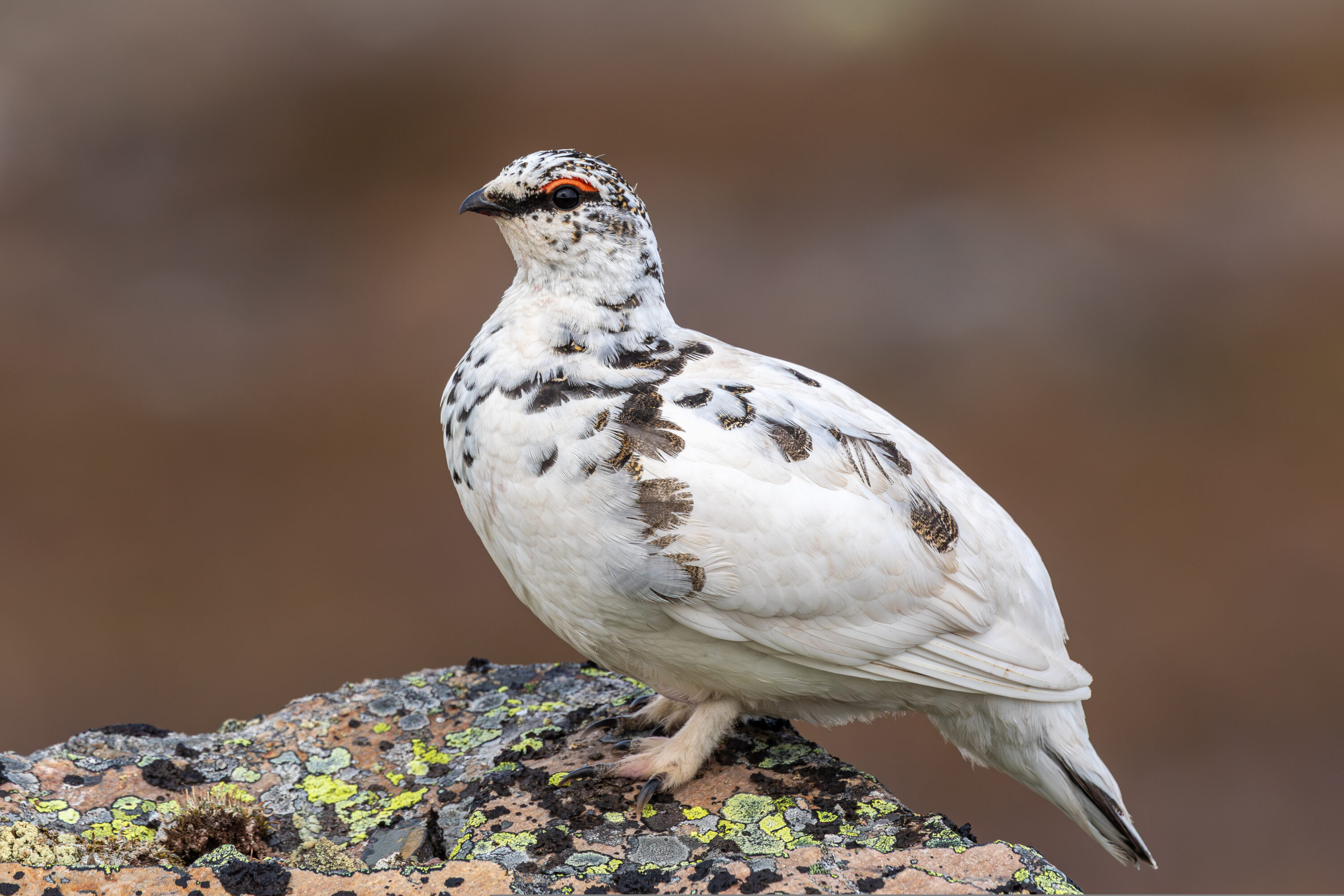
Dry Weather and Snow-Covered Ground Improved Genetic Monitoring From Rock Ptarmigan Droppings
Only 103 of 338 spring fecal samples yielded usable genotypes, but a 2026 study identified field and laboratory…
Read story →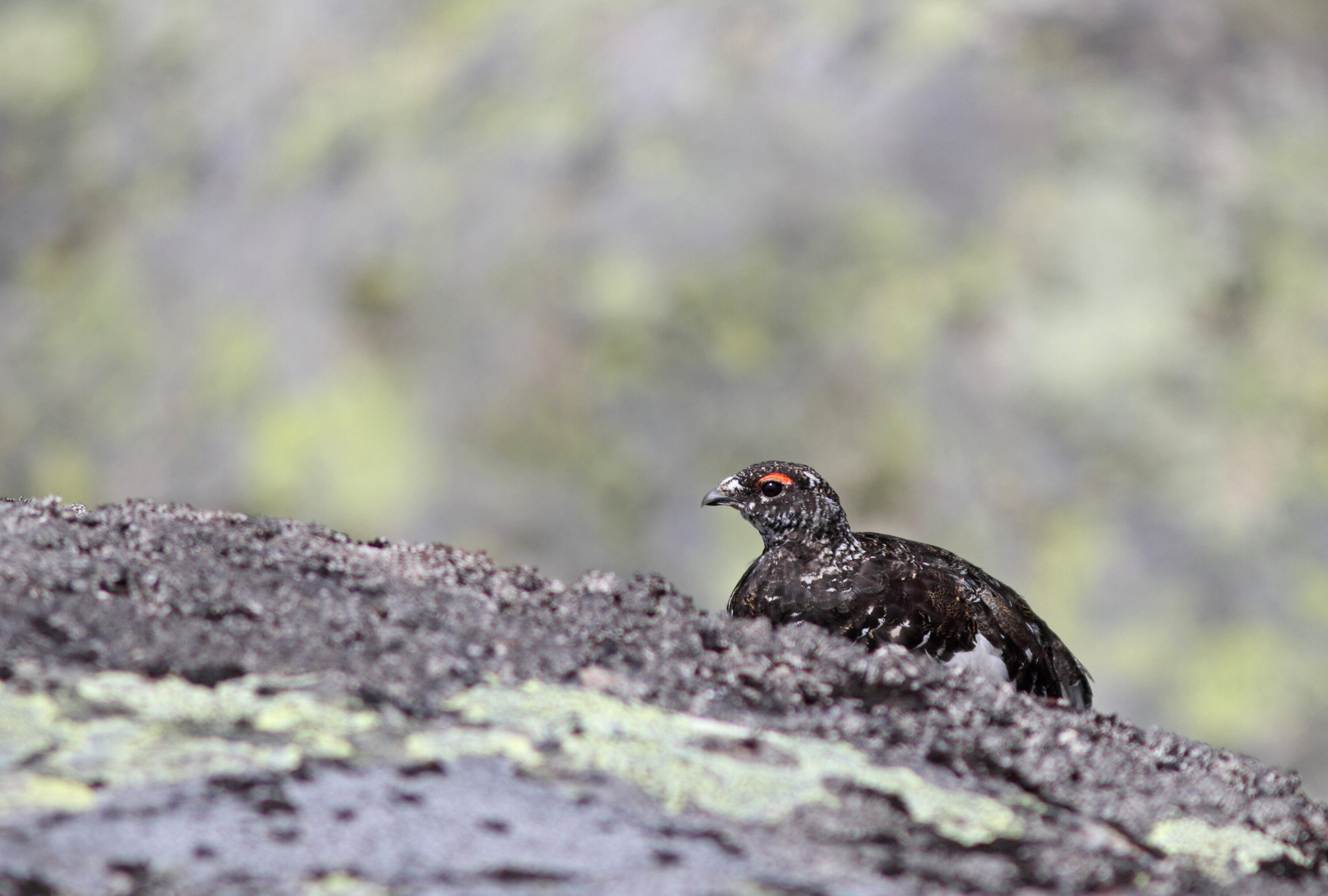
Rock Ptarmigan Kept a Narrower Diet as Willow Ptarmigan Expanded Its Spring Niche in Central Norway
At Lifjellet, DNA metabarcoding showed that willow and rock ptarmigan shared many food plants but used them in…
Read story →SPECIES IN THIS STORY
Species in this story
Independent research and conservation news archive
Did you find this information useful?
Wildlife Vagabond is independently built and maintained. Voluntary support helps cover source verification, hosting and continued work on research and conservation news.
Support Wildlife VagabondThe news archive will remain freely available.