
Roe Deer Diet Markers Shifted With Season and Sex in Northern Iran
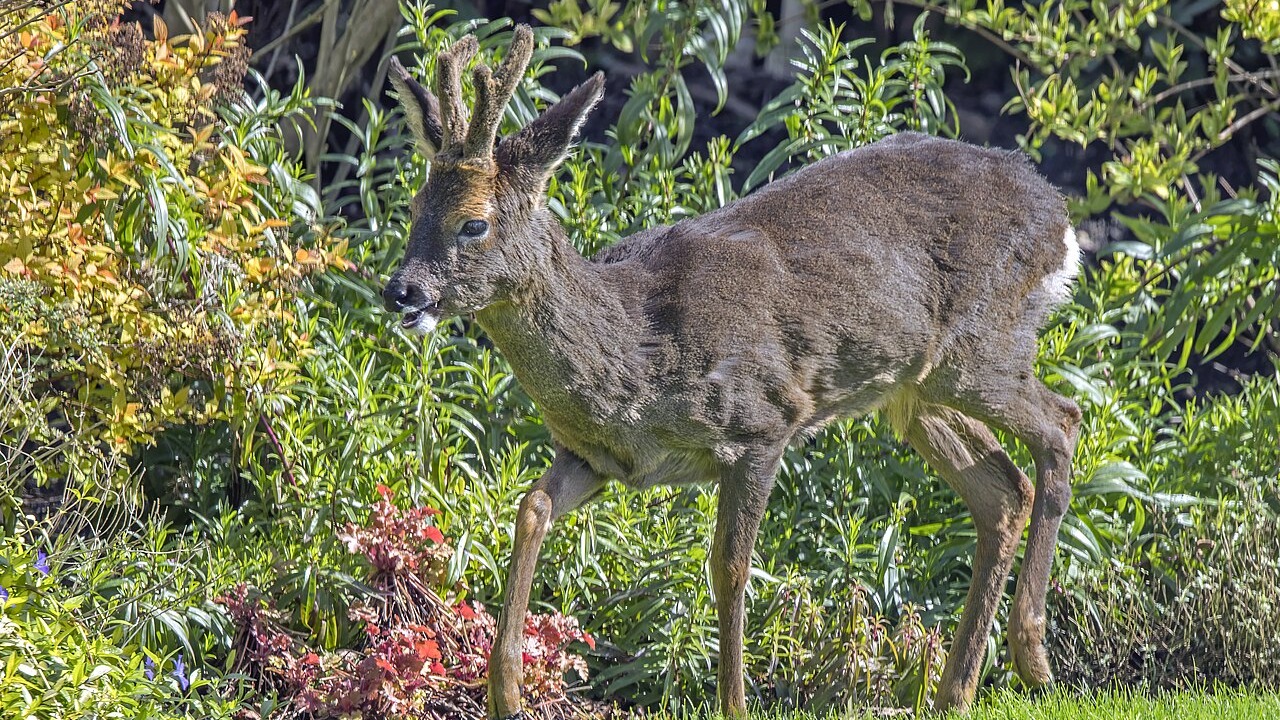
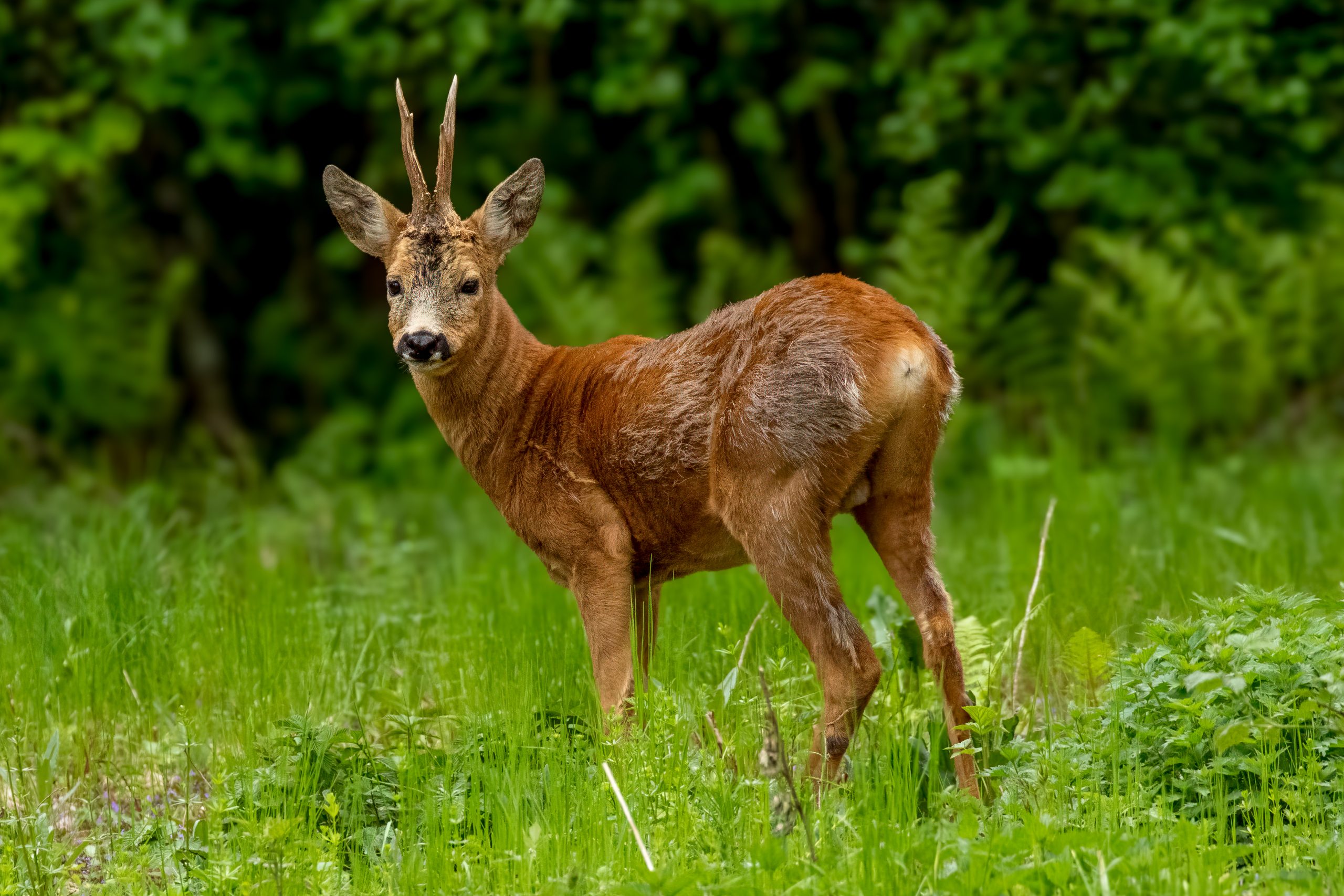
A study of a protected European roe deer (Capreolus capreolus) population in northern Iran found that the nutritional composition reflected in droppings varied with season and sex. The research article was published online in Global Ecology and Conservation on 11 June 2026.
Seasonal samples from a protected landscape
The researchers collected fresh faecal samples across all four seasons, dried and powdered them, and analysed 13 chemical components. They then related those measurements to season, elevation, habitat greenness and sex. Habitat was represented partly by NDVI, a satellite-based index of vegetation greenness: higher values generally indicate denser or more photosynthetically active vegetation, not a particular plant species. This non-invasive approach avoids capturing the deer, but faecal chemistry is an indirect dietary marker. What remains in droppings reflects both what the animal ate and what it digested or absorbed, so a high or low faecal value cannot automatically be read as the same high or low concentration in the plants consumed.
Clear differences through the year
The strongest pattern was seasonal. Faecal dry matter was lower in autumn. Summer samples contained less fat and starch, more fibre fractions associated with lower digestibility, and less hemicellulose, while spring was characterised by more organic matter and less ash. In practical terms, the chemical profile of what remained after digestion changed markedly through the year, consistent with seasonal shifts in the types or quality of forage being used. The measurements do not by themselves show exactly which plant species caused those changes.
Sex was also related to some of the measured components. Male faecal samples contained more fat and fatty acids than female samples, with the difference particularly evident in summer. Higher elevation and higher NDVI were also associated with more faecal fat and fatty acids. By contrast, crude protein, nitrogen and non-fibre carbohydrates showed no significant relationship with season, sex, elevation or NDVI. Together, these results show that sex, elevation and vegetation greenness were associated with the fat-related components measured in the faeces, while several other nutrient measures did not show the same pattern.
Why habitat context matters
For a selective browser such as roe deer, the quality and availability of young shoots, leaves and other plant material can change rapidly with plant growth, temperature and moisture. Elevation and vegetation cover can also determine where suitable forage is available. By analysing season, habitat and topography together, the study places the chemical findings in the landscape in which the animals were feeding.
The authors argue that the patterns have practical implications for habitat management. In particular, they highlight high-elevation areas with high NDVI because these conditions were associated with more faecal fat and fatty acids, and they recommend maintaining diverse vegetation to accommodate seasonal changes in nutrient components. They also emphasise that sex-specific nutritional patterns should be considered, especially the higher fat and fatty-acid values recorded in males.
Ecology
Related news
Roe Deer and Wild Boar Remained Key Wolf Prey as Diet Shifted Across North-western Italy
From 2021 to 2025, wolves in north-western Italy continued to feed mainly on wild prey. In the Po…
Read story →
Estimated M. bovis Seroprevalence Was 26.6% in Exmoor Red Deer
A survey of 432 wild deer in the Exmoor area estimated Mycobacterium bovis seroprevalence at 26.6% in red…
Read story →
Roe Deer in Similar Scottish Habitats Had More Similar Diets
DNA metabarcoding from 198 Scottish roe deer found that study site explained about 18% of dietary variation, while…
Read story →SPECIES IN THIS STORY
Species in this story
Independent research and conservation news archive
Did you find this information useful?
Wildlife Vagabond is independently built and maintained. Voluntary support helps cover source verification, hosting and continued work on research and conservation news.
Support Wildlife VagabondThe news archive will remain freely available.