
Roe Deer and Wild Boar Remained Key Wolf Prey as Diet Shifted Across North-western Italy
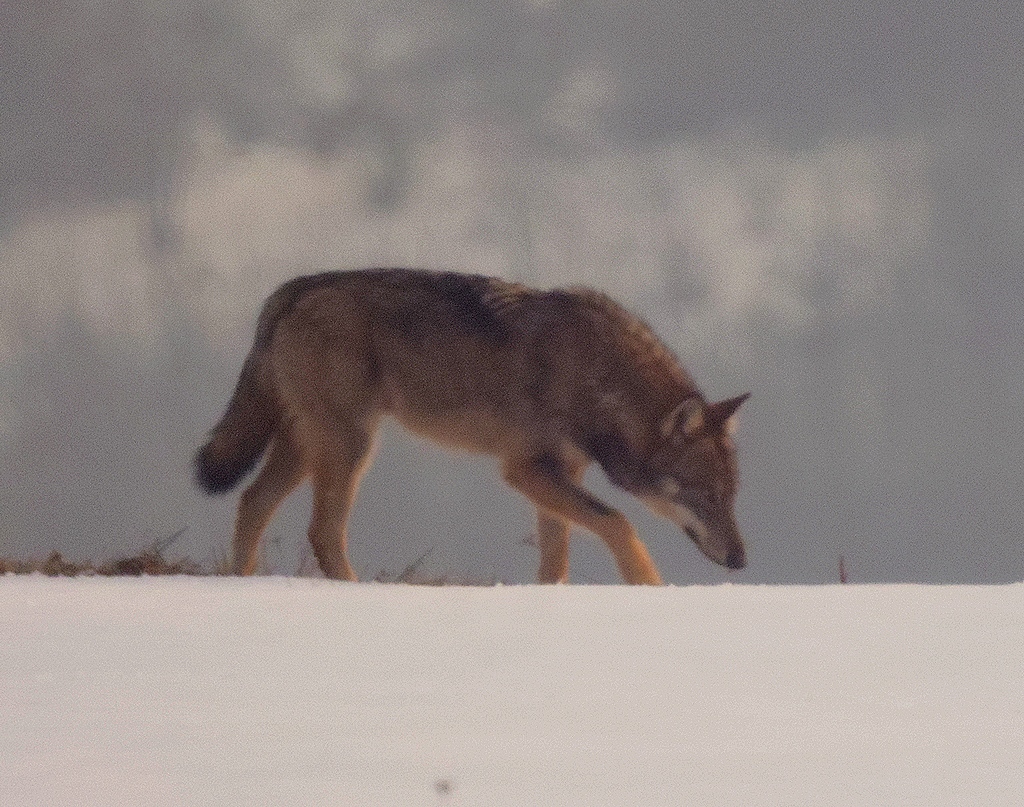
Wolves in north-western Italy continued to rely overwhelmingly on wild prey after expanding into densely human-modified lowlands, but they changed which prey they used. A five-year comparison of wolf diet in the Apennines and the recently recolonized Po Plain found that roe deer and wild boar remained central ungulate prey, while coypu became especially important in the lowlands.
The researchers analysed wolf scats collected from 2021 to 2025 and compared diet composition, trophic niche width and changes in key prey between the two regions. Livestock, pets and other human-associated food made up only a negligible part of the diet in both areas.
Wild ungulates dominated in the Apennines
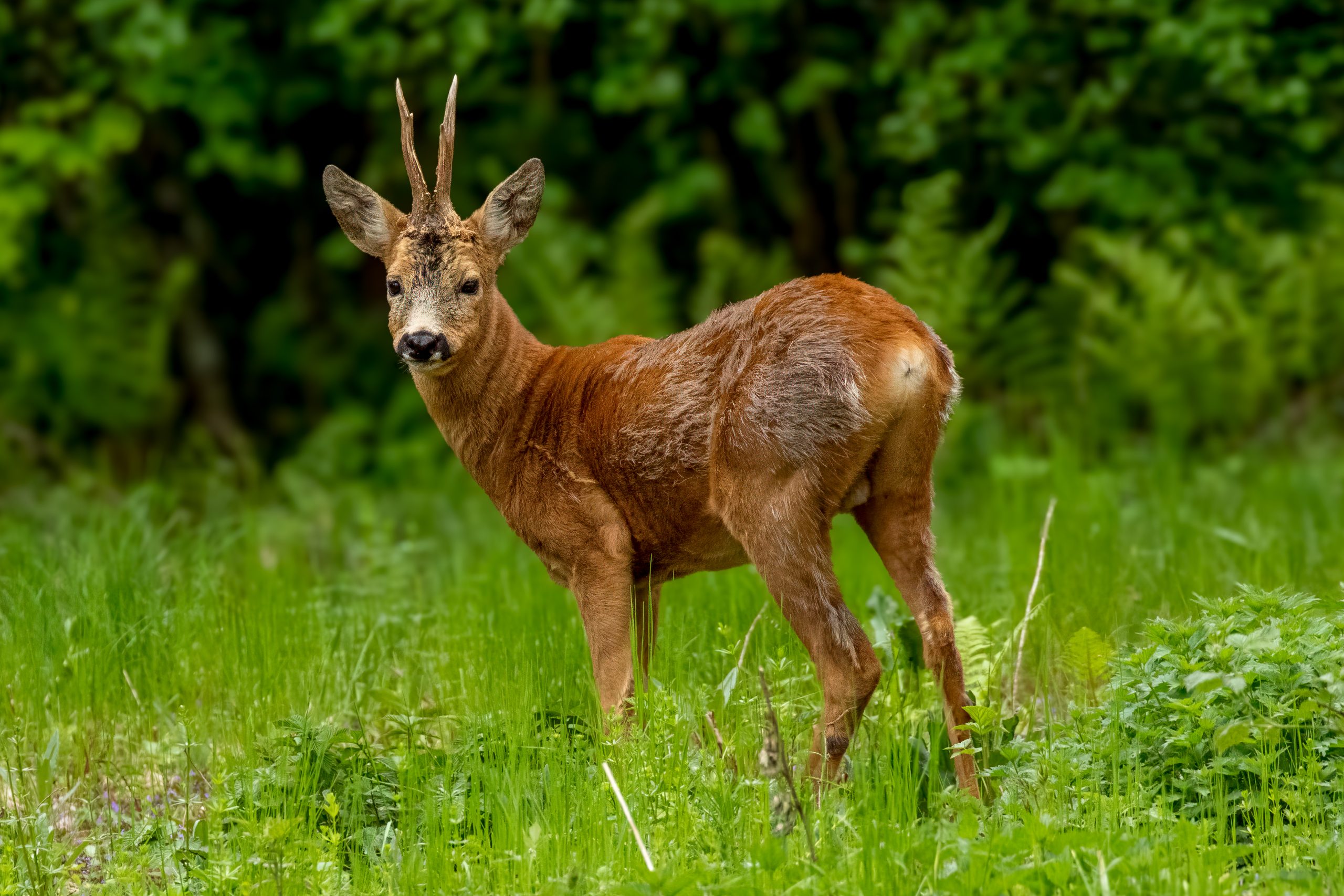
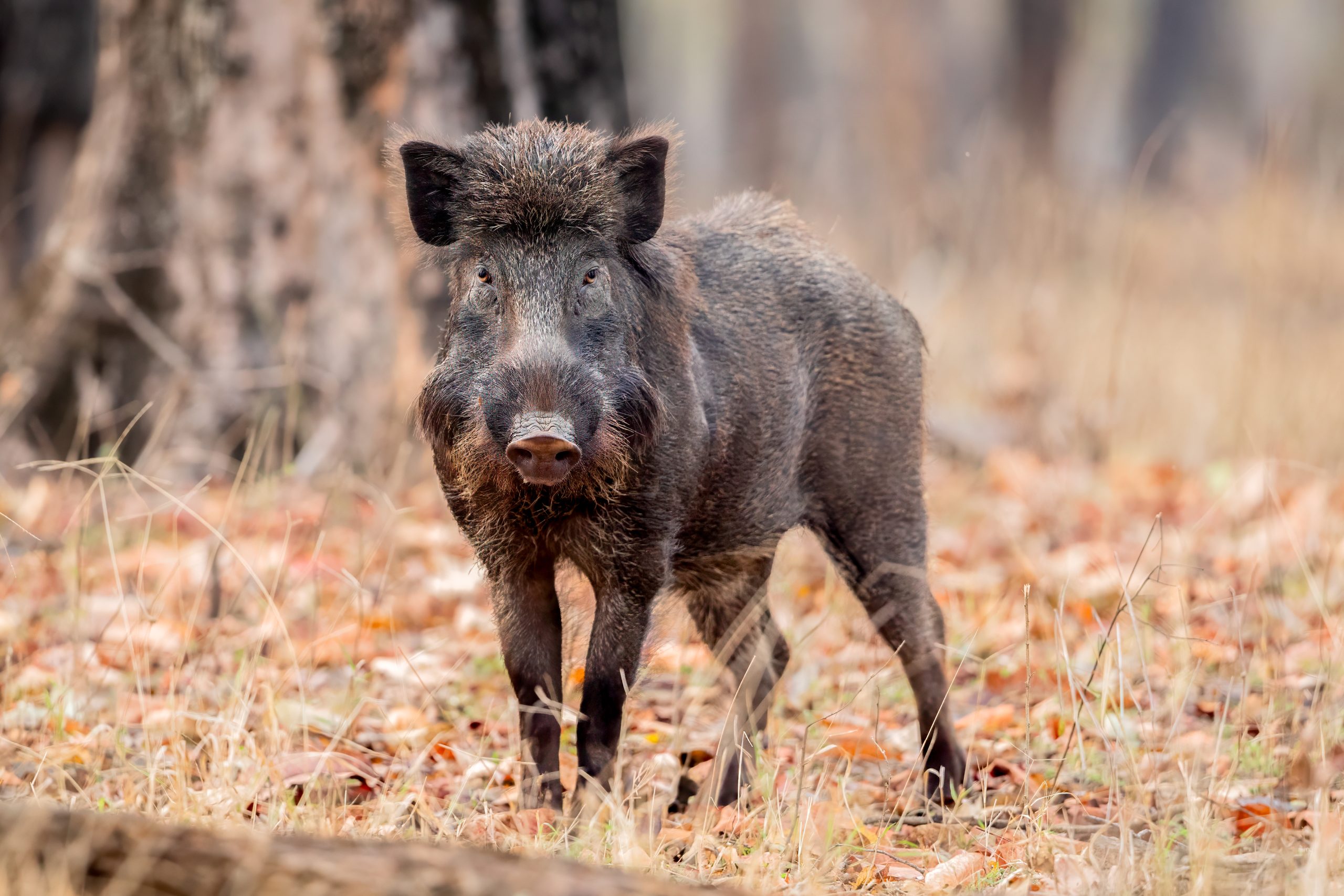
In the historical Apennine range, wild ungulates formed the main part of the diet. European roe deer (Capreolus capreolus) and wild boar (Sus scrofa) were the most consumed ungulates, but their contributions changed in opposite directions through the study.
Wild boar consumption increased from 2021 to a peak in 2023 and then declined markedly through 2025. Roe deer showed the reverse broad pattern, decreasing until 2023 before increasing again. Fallow deer and red deer contributed comparatively little and did not show the same pronounced changes.
Lowland wolves shifted toward coypu
In the Po Plain, medium-sized mammals were much more important than in the Apennines. Coypu (Myocastor coypus) was the dominant contributor to this difference and became a key prey resource in the newly colonized lowlands.
Coypu and roe deer together accounted for most of the dietary difference between the two regions. Roe deer consumption in the Plain increased overall from the first to the last study year, while wild boar use remained comparatively stable apart from a dip in 2024.
Wild prey remained dominant despite human-dominated surroundings
The contrast between regions did not arise because lowland wolves switched to livestock or human food. Instead, they adjusted their diet to a different wild-prey community. The lowland trophic niche broadened over time as the wolves incorporated prey that were abundant in the agricultural and wetland landscape.
The authors also discuss African swine fever as a possible contributor to the temporary rise and subsequent decline in wild-boar consumption in the Apennines. Infected boar can become weakened and easier to catch, but the study does not directly demonstrate that disease caused the dietary shift.
The results illustrate dietary flexibility during wolf range expansion. For the prey species, they also show that roe deer and wild boar remained important components of wolf feeding ecology even as wolves adapted to newly occupied lowland landscapes.
Ecology
Related news
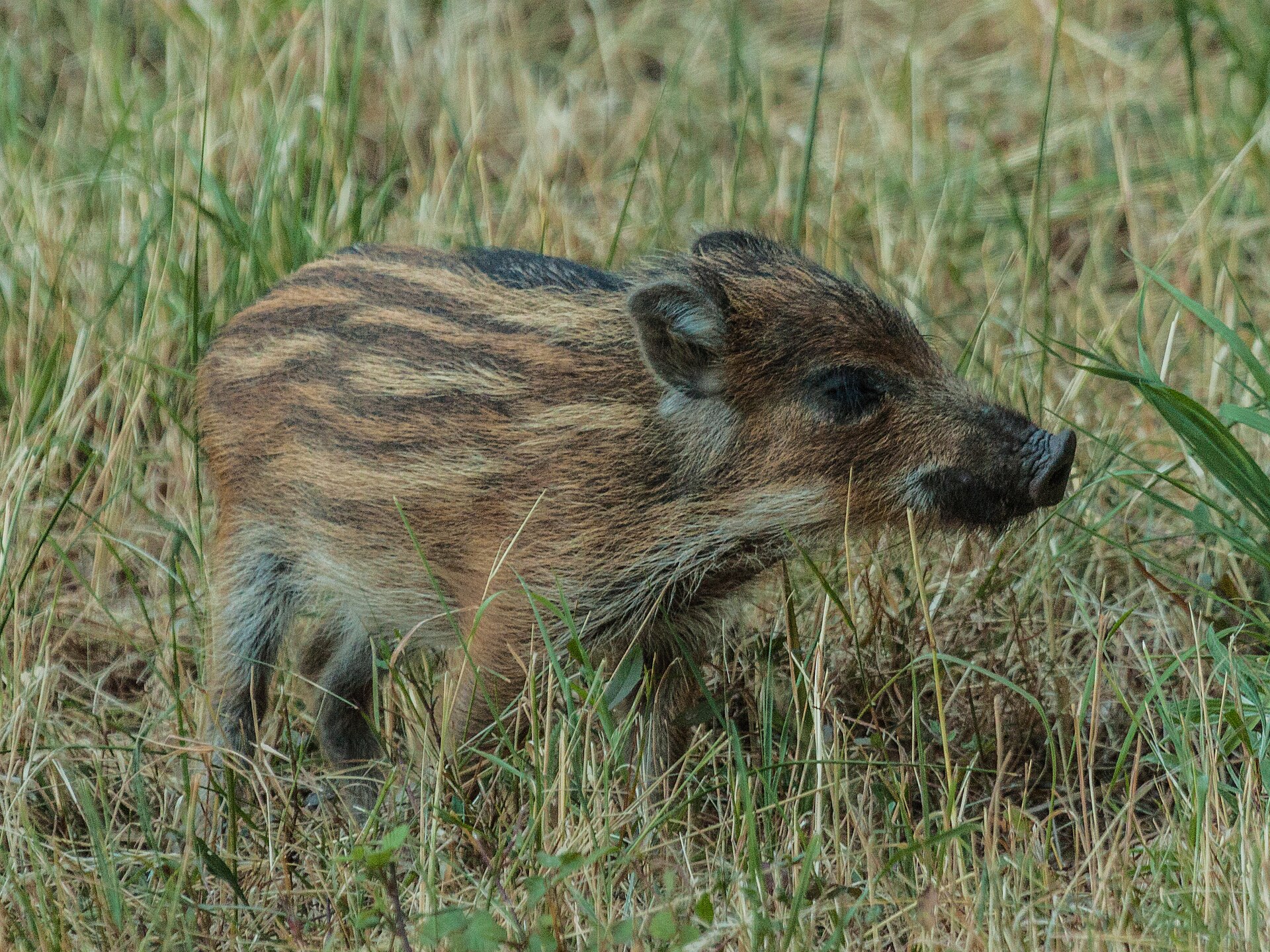
Wild-Boar-Type Juvenile Stripes Were Linked to MC1R, KIT and Local TYRP1 Regulation
A study of 932 crossbred pigs linked the wild-boar-type juvenile stripe pattern to genomic regions containing MC1R and…
Read story →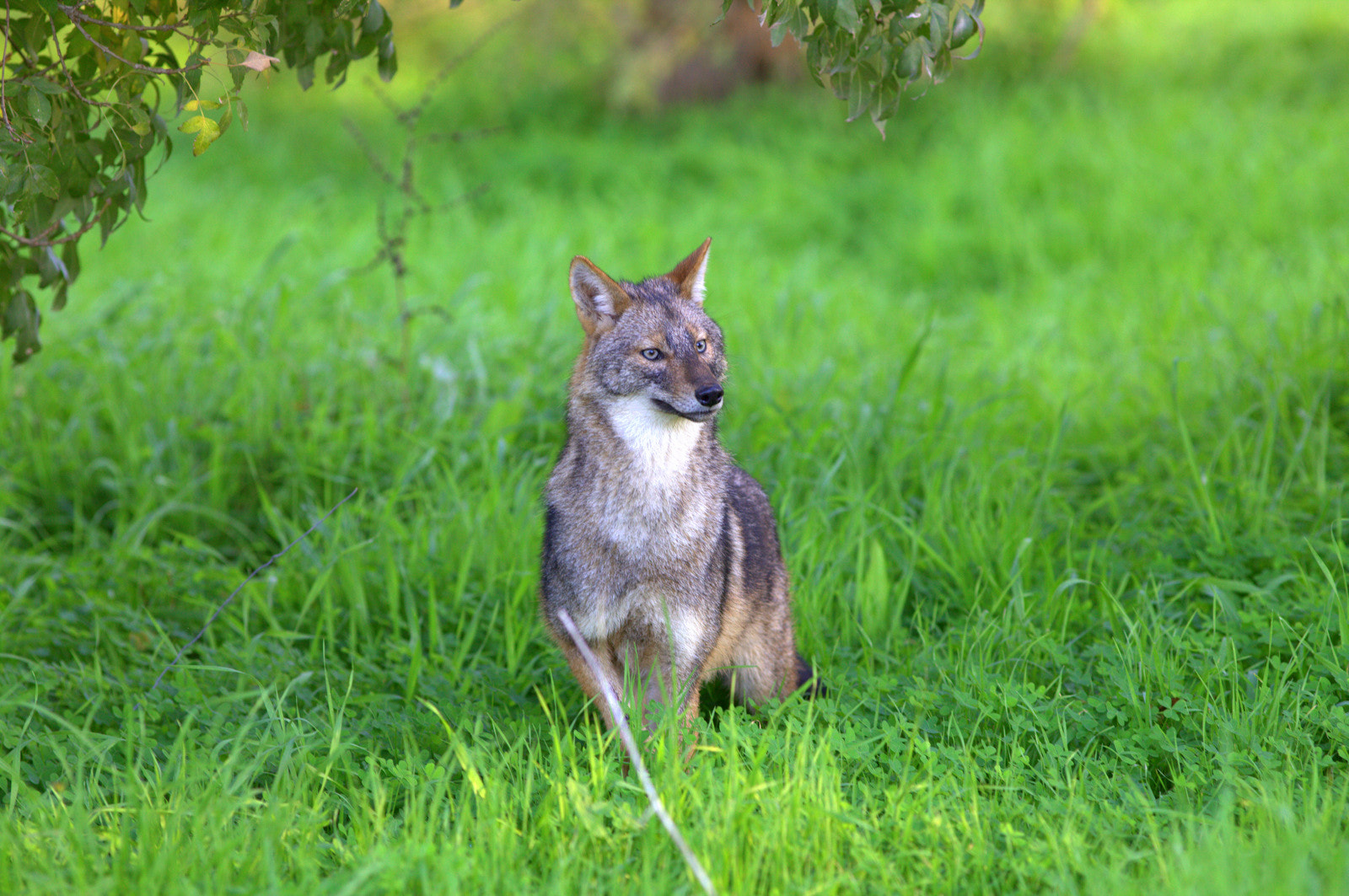
Grazed and Non-Grazed Sites Had Similar Mammal Richness but Different Species Associations
Across 75 camera traps in four northern Israeli reserves, grazed and non-grazed areas had similar mammal richness and…
Read story →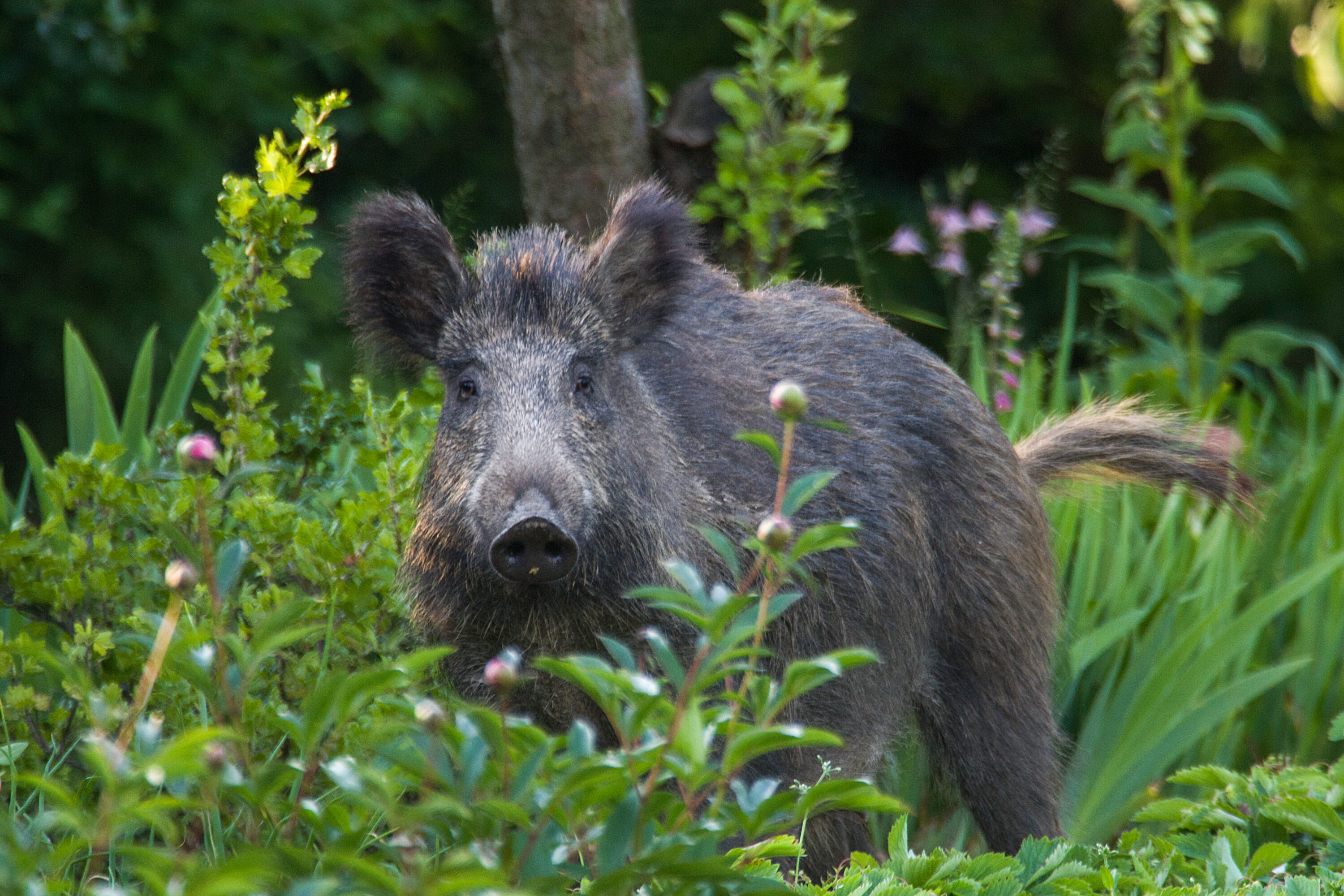
Zoonotic Sarcocystis Found in 3.3% of Polish Wild Boar Hunted for Food
Molecular testing of 241 wild boar from all 16 Polish provinces found Sarcocystis miescheriana DNA in 90% and…
Read story →SPECIES IN THIS STORY
Species in this story
Independent research and conservation news archive
Did you find this information useful?
Wildlife Vagabond is independently built and maintained. Voluntary support helps cover source verification, hosting and continued work on research and conservation news.
Support Wildlife VagabondThe news archive will remain freely available.