
Hair Cortisol Was Higher in Juvenile Roe Deer and Adults Sampled During the Rut
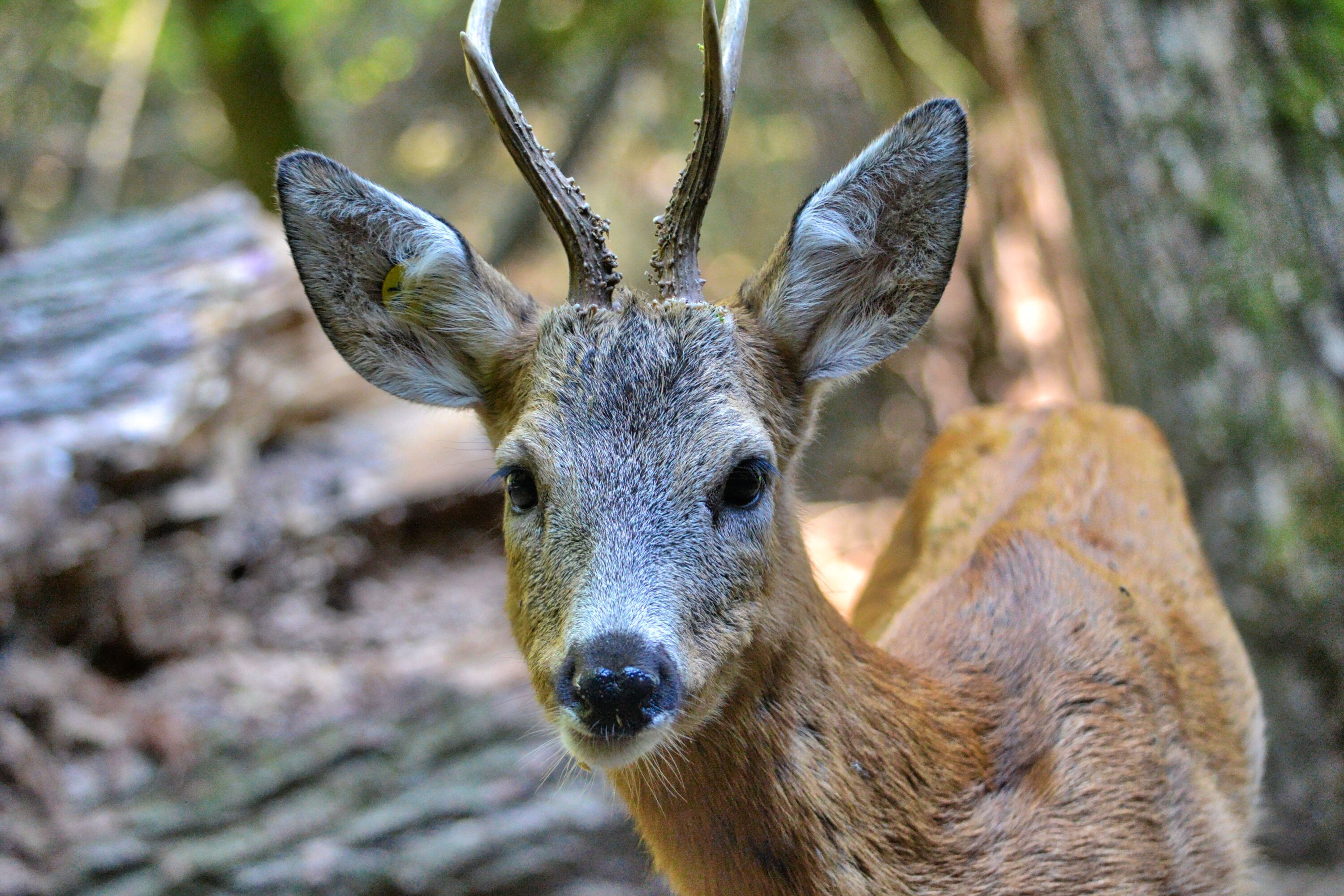
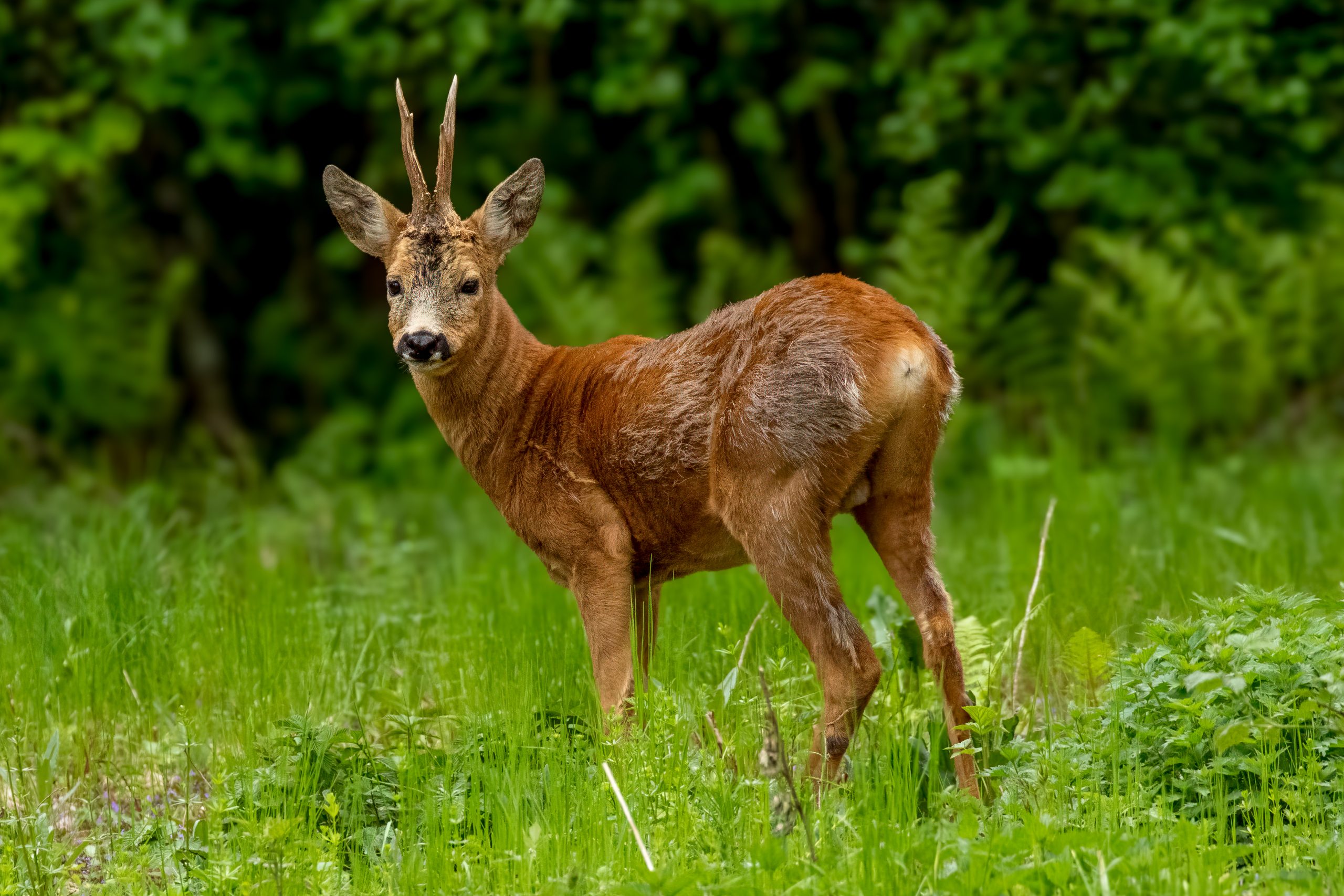
An Italian study has validated a relatively simple ELISA assay for measuring cortisol in European roe deer (Capreolus capreolus) hair. Because cortisol becomes incorporated into growing hair over time, hair can provide information over a longer period than blood, which is highly sensitive to the immediate stress of capture and handling. The exact time window represented by roe deer hair is still unknown.
The researchers analysed hair from 45 wild-born roe deer admitted to the Piacenza Wildlife Rescue Center between 2020 and 2023. The animals included 20 males and 25 females; age was known for 32 of the 45 individuals. They came from agricultural, forest and peri-urban environments, although only two animals came from the last group. Cortisol was extracted from pulverised hair and measured with a commercial competitive ELISA originally developed for saliva; laboratory validation showed acceptable precision and analytical performance in roe deer hair.
Juveniles had much higher hair cortisol than adults
Age was one of the clearest biological differences. Juveniles had a median hair cortisol concentration of 18.50 picograms per milligram, compared with 9.95 in subadults and 3.64 in adults. The statistically supported difference was between juveniles and adults.
The authors suggest that weaning, nutritional demands during the first winter and low social status could contribute to the high values in young animals. They also caution that elevated cortisol is not automatically evidence of harmful stress: it can reflect normal physiological and metabolic demands.
Adult values were higher during the rut
Among adults, the five animals sampled during the July–August rut had a median hair cortisol concentration of 9.98 picograms per milligram, compared with 3.23 in eight adults sampled outside the rut. The result is consistent with the energetic, social and hormonal demands of the breeding season. The authors also stress that the rut sample was small and included only one adult female, preventing a strong sex-based comparison during this period.
No statistically supported differences were found between males and females, among forest, agricultural and peri-urban origins, or among causes of rescue. That fits the idea that hair cortisol integrates influences over a longer period and is less responsive to acute events such as capture or collision than plasma cortisol.
The method is therefore promising for studying longer-term glucocorticoid variation in wild roe deer, but hair cortisol should not be treated as a complete measure of stress by itself. Researchers still do not know exactly how rapidly cortisol is incorporated into roe deer hair or how moulting changes the time period represented by a sample.
Physiology
Related news
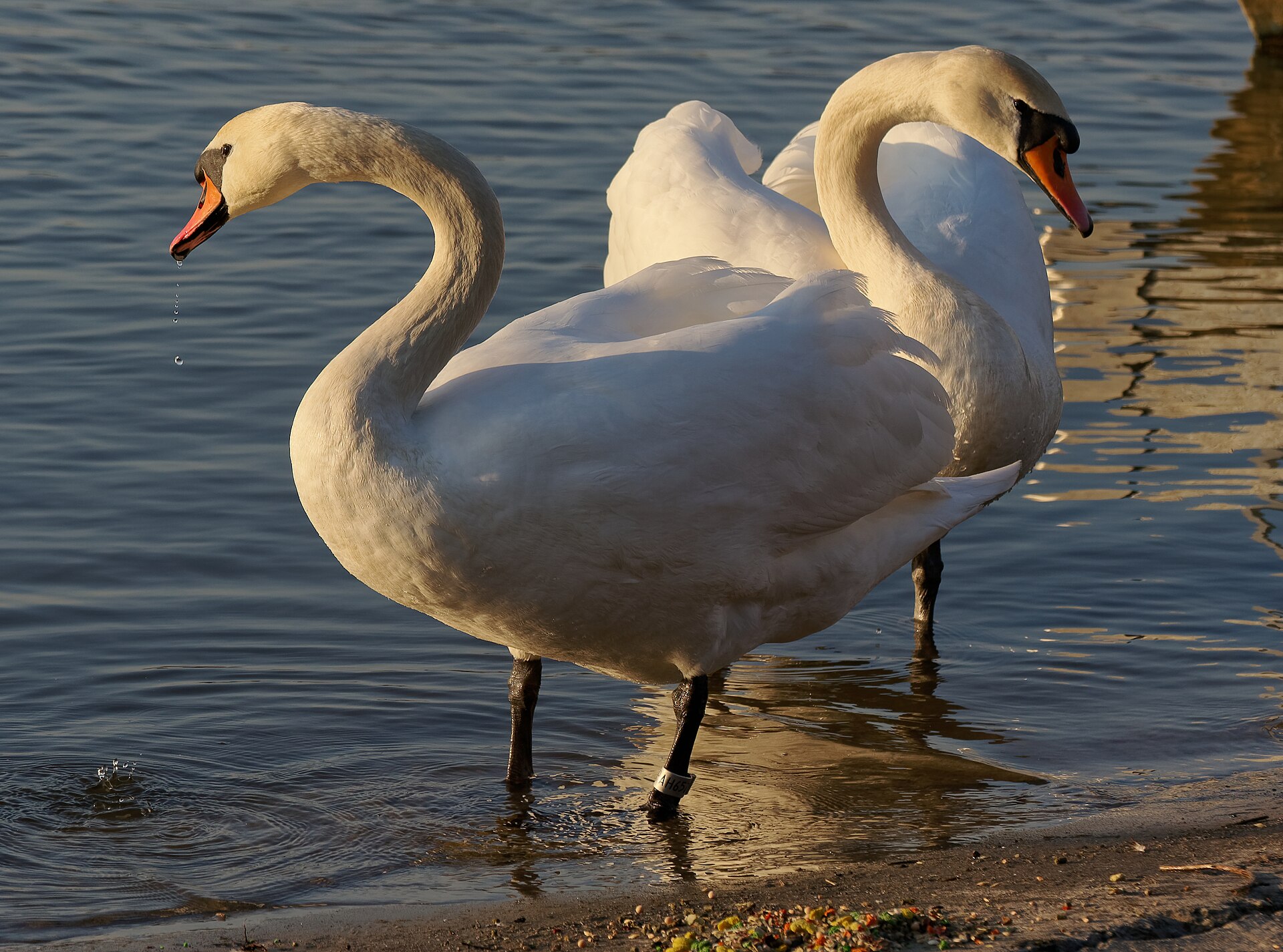
Inland Mute Swans Had Higher Winter Body Condition Despite Harsher Winters and Supplemental Feeding
A study of 853 mute swans from four Polish wintering regions found higher body condition inland than on…
Read story →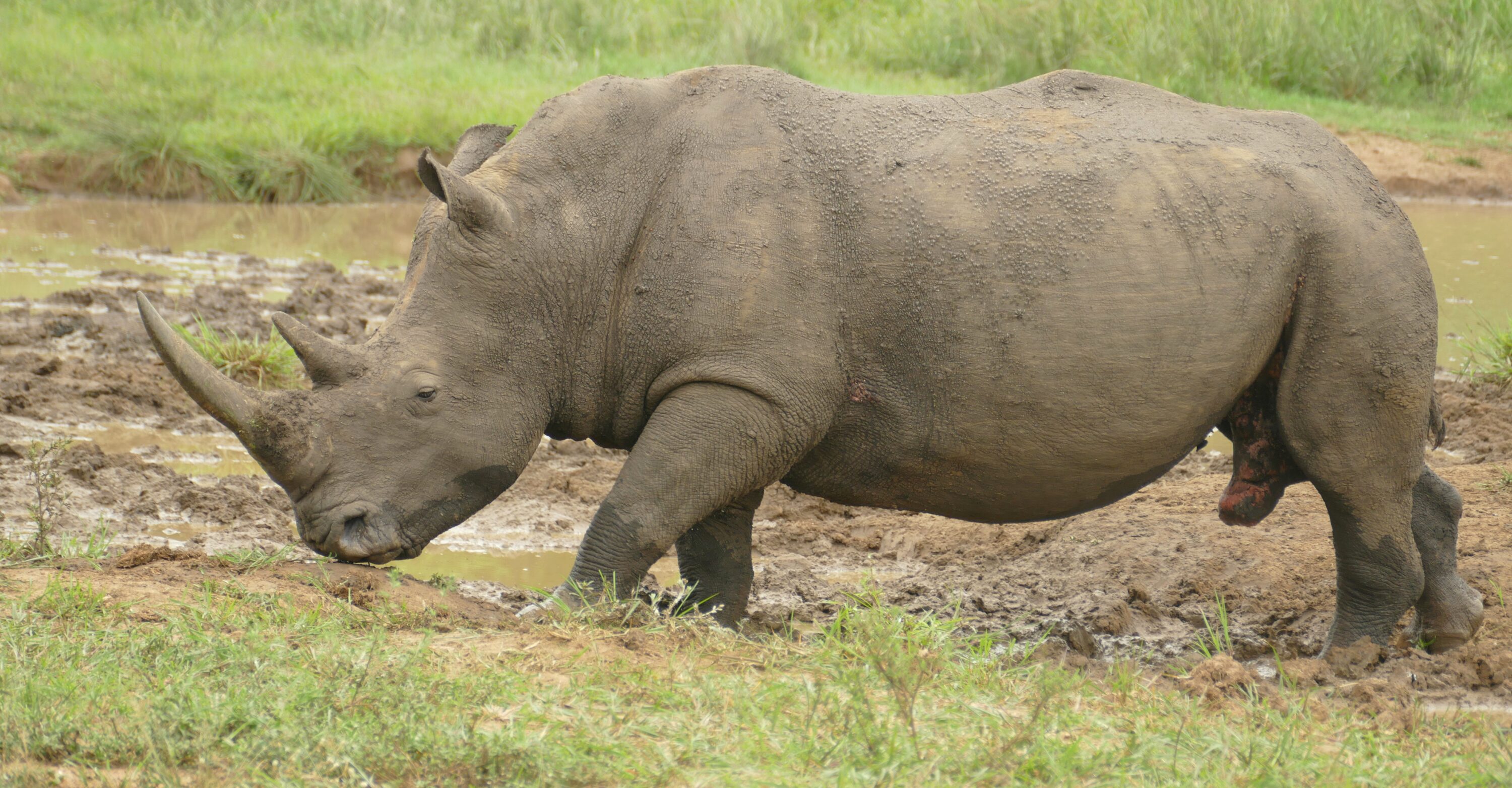
pH-Adjusted Hill Equation Reliably Estimated Blood Oxygen Saturation From 70–100% in Immobilised White Rhinos
A South African study of 16 immobilised male white rhinos in Kruger National Park found that a pH-adjusted…
Read story →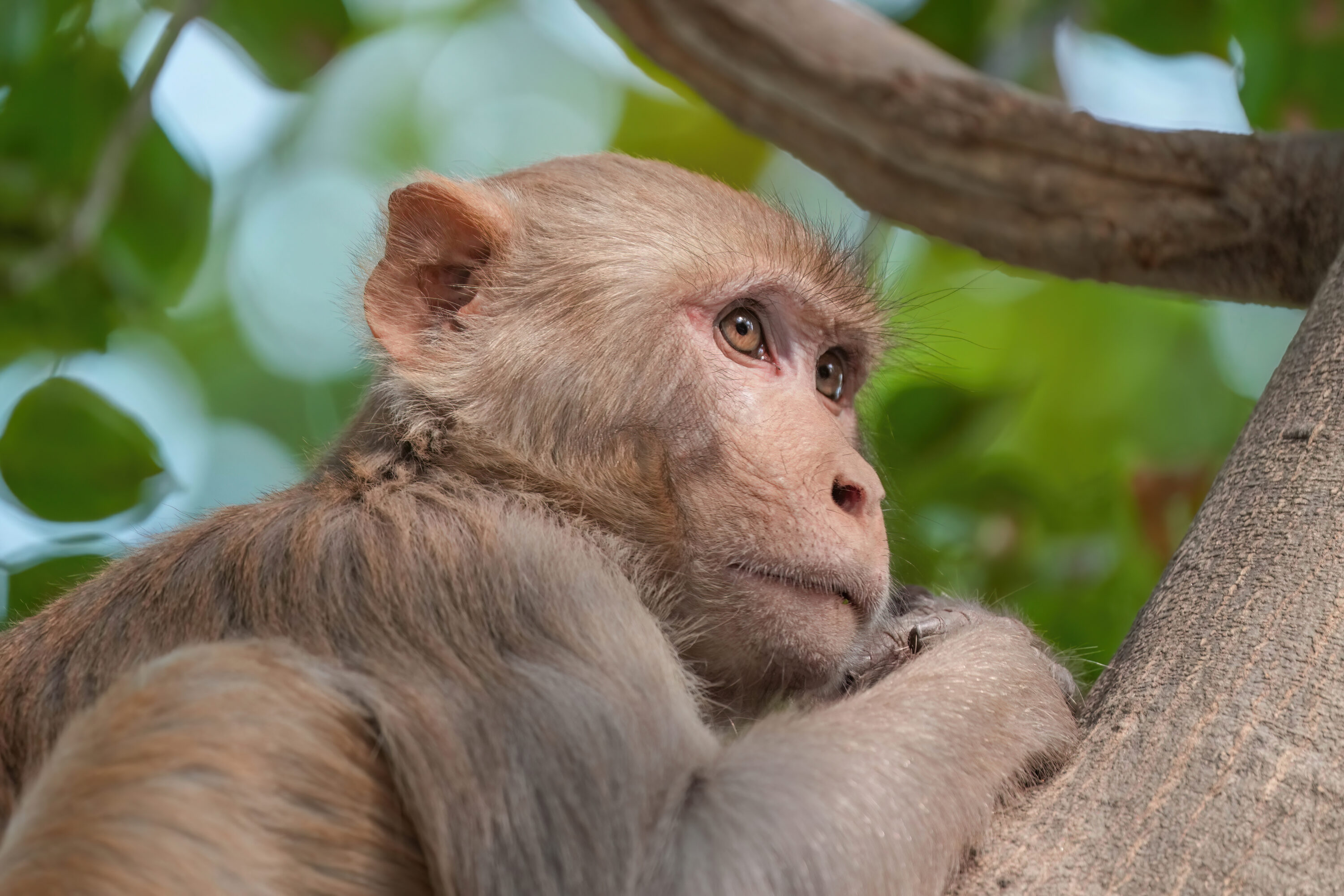
Task Uncertainty Increased Interference From Irrelevant Visual Information in Rhesus Macaque Decisions
Two rhesus macaques made less accurate visual decisions under task uncertainty; recordings and microstimulation in primary visual cortex…
Read story →SPECIES IN THIS STORY
Species in this story
Independent research and conservation news archive
Did you find this information useful?
Wildlife Vagabond is independently built and maintained. Voluntary support helps cover source verification, hosting and continued work on research and conservation news.
Support Wildlife VagabondThe news archive will remain freely available.