
Blood Failed to Clot 28 Minutes After a Documented Savanna Vine Snake Bite
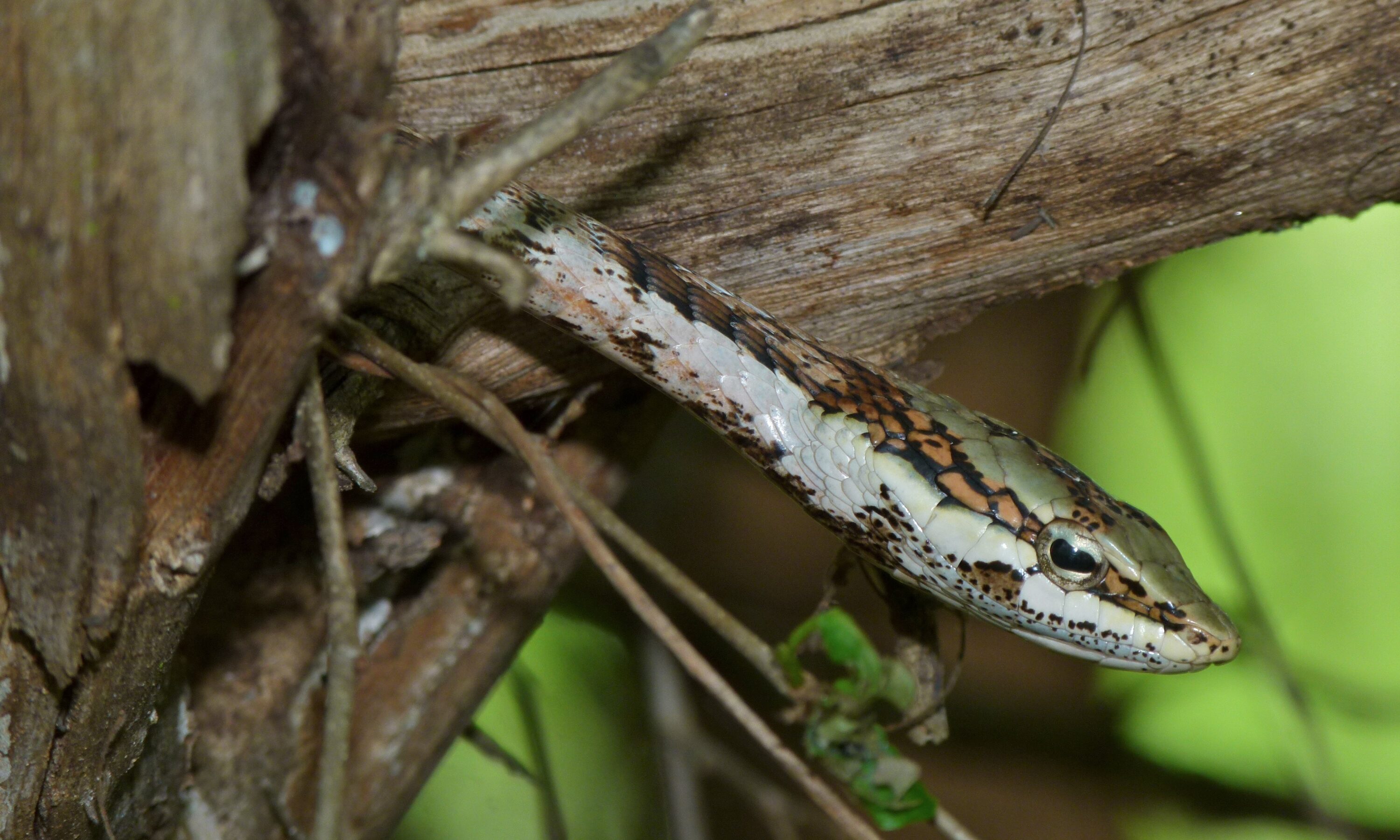
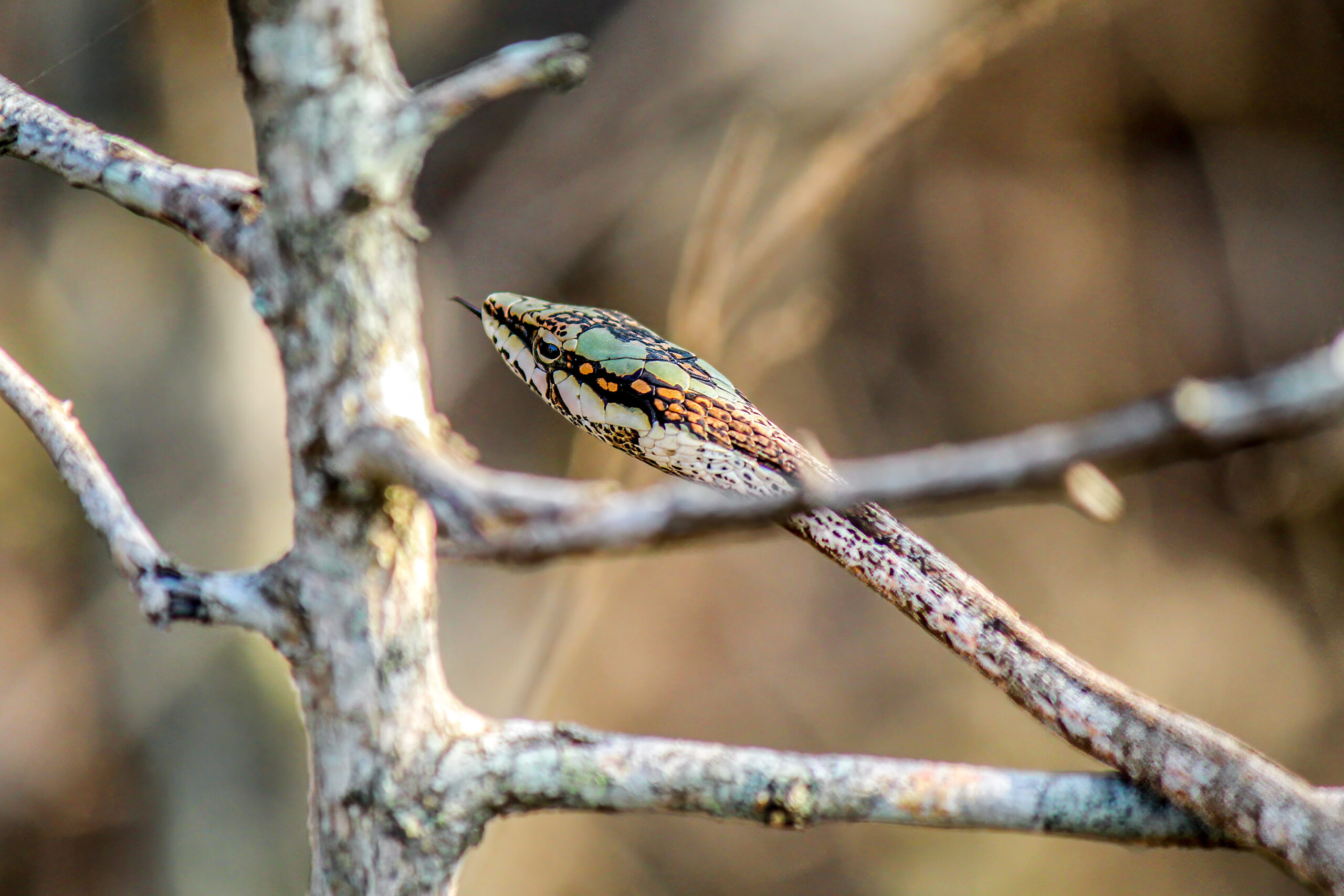
A video-documented bite from a savanna vine snake (Thelotornis capensis) in South Africa produced profound disruption of blood clotting within less than half an hour, despite initially mild symptoms. The case report was published on 15 February 2026 in ASIDE Case Reports and was described by the author as approximately the tenth reported human envenomation by a vine snake.
The patient was a healthy 42-year-old man who had mistaken the snake for a juvenile python and was holding it while filming. The video showed a prolonged bite with the rear fangs engaged in the hand. A trained snake handler identified the snake at the scene, and herpetologists later confirmed the identification from the video.
Blood failed to clot 28 minutes after the bite
A blood sample drawn 28 minutes after the bite failed to clot in the tube. Although no formal coagulation tests were performed on this first sample, the first hospital sample showed an extreme disturbance: both the INR and partial thromboplastin time (PTT), standard laboratory measures of blood-clotting function, exceeded the analyser’s upper measurement range of 999. They remained above that range the following day. Haemoglobin and platelet count were initially normal, showing that profound failure of coagulation had developed without a corresponding fall in these other blood measures. The patient initially remained stable, with normal vital signs and little local tissue reaction.
Visible bleeding appeared about 22 hours later
The systemic effects developed more slowly. About 22 hours after the bite, visible blood appeared in the urine. The author describes the clinical pattern as venom-induced consumptive coagulopathy (VICC). Thelotornis venom can activate plasminogen and accelerate fibrinolysis — the process that breaks down fibrin involved in blood clots — which can deplete fibrinogen, a key protein needed to form clots. Fibrinogen was not measured during the acute phase in this patient, so that specific depletion was not demonstrated here; it is the mechanism described for this venom syndrome. In this case, the early laboratory disturbance therefore preceded obvious systemic bleeding by many hours.
No specific antivenom exists for Thelotornis venom. The patient was monitored closely, with blood products to be given if clinical or laboratory deterioration occurred. They were ultimately not required. Correct identification of the snake also prevented the use of boomslang antivenom, which the paper notes does not neutralise vine snake venom.
The patient left hospital against medical advice while the coagulopathy was still present. He later reported that the headache, sweating and blood in the urine had resolved four days after the bite. At a follow-up three weeks later, the bite wound had healed without infection or tissue death, and repeat laboratory results were within normal limits.
The case combines video-confirmed fang engagement, reliable species identification and documented systemic venom effects. It also matches a pattern described in previous Thelotornis envenomations: severe impairment of clotting can appear before substantial external symptoms, while clinically visible bleeding may be delayed.
Physiology
Related news
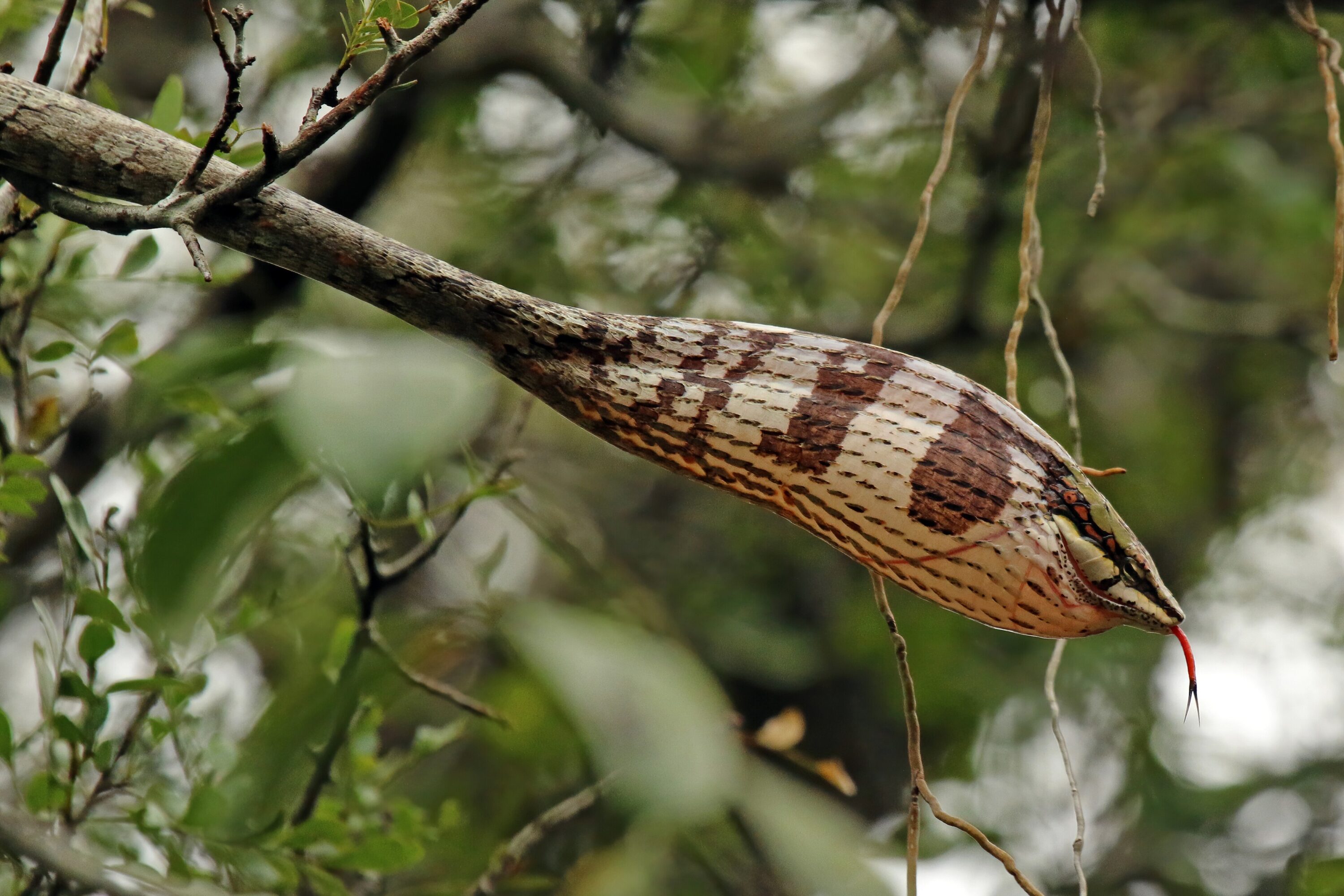
Study Recognised Seven African Vine Snake Species and Elevated oatesi to Full Species
An integrative 2026 study formally recognised seven African vine snake species, elevated the former savanna vine snake subspecies…
Read story →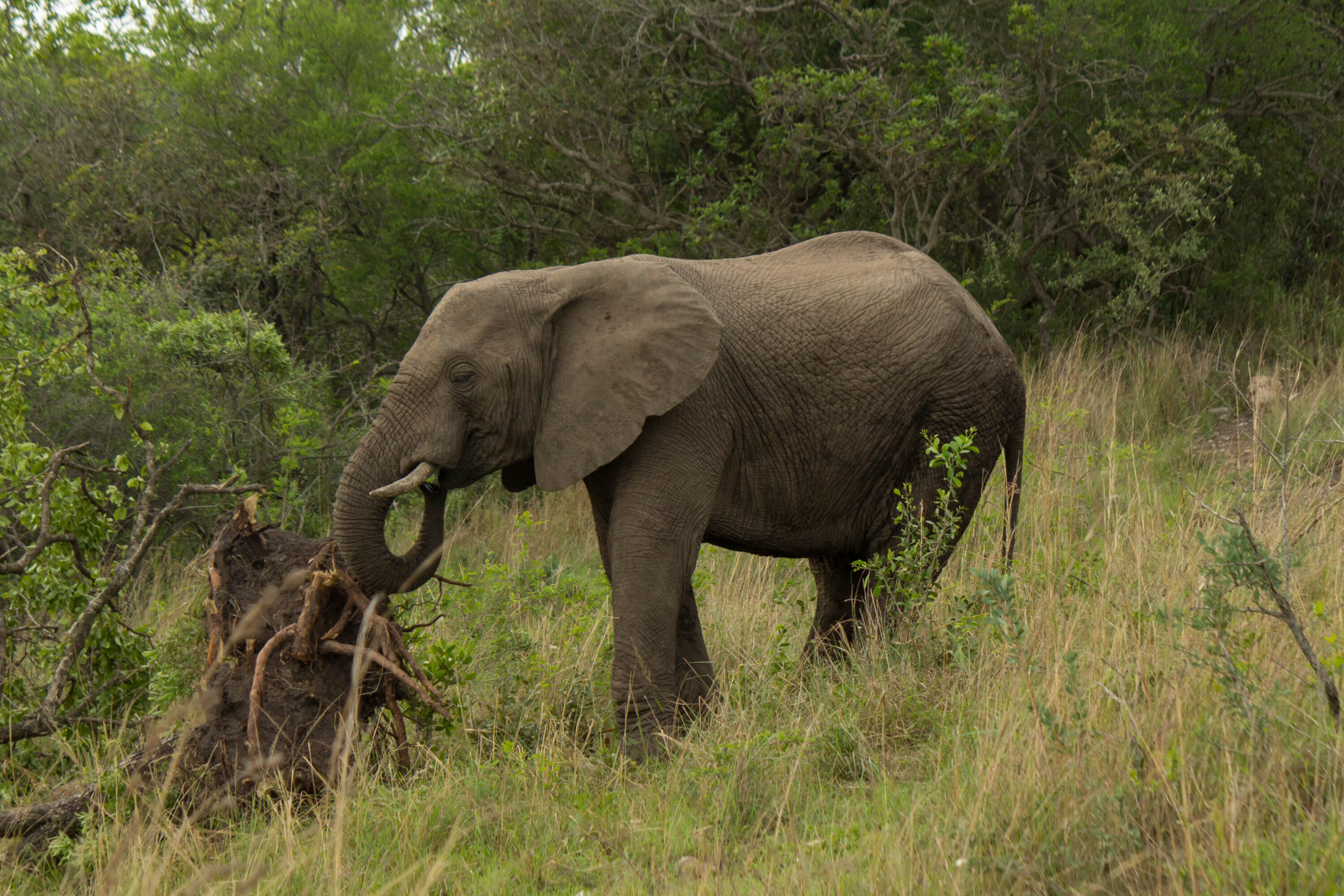
Elephant Rank Was Linked to Stress Levels After Helicopter Disturbance
In a small, fenced elephant population, helicopter use was associated with higher stress-hormone markers. Lower-ranking elephants had higher…
Read story →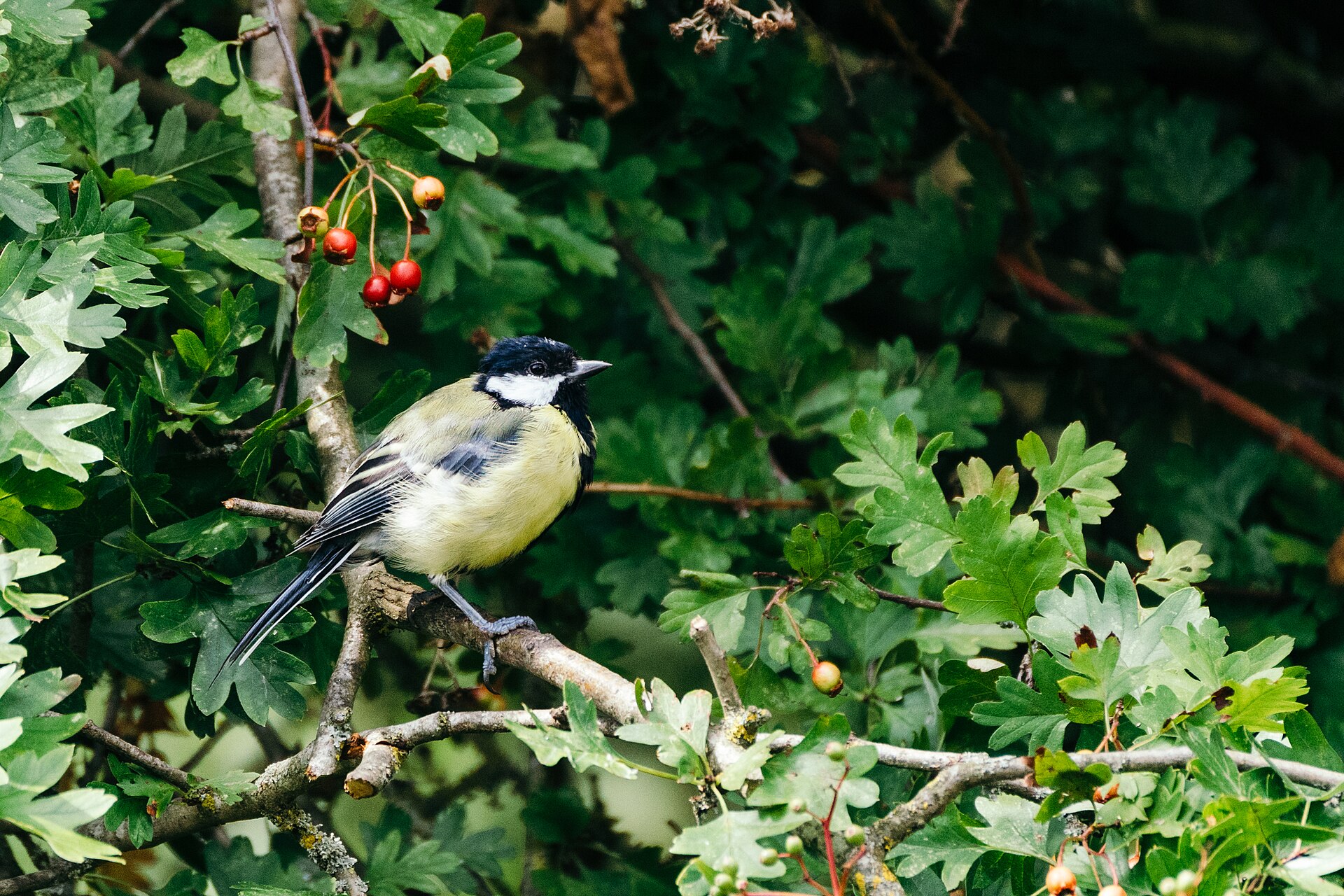
City and Forest Great Tits Respond Differently to Artificial Light at Night
In a common-garden experiment, artificial light initially advanced daily activity onset in great tits from both city and…
Read story →SPECIES IN THIS STORY
Species in this story
Independent research and conservation news archive
Did you find this information useful?
Wildlife Vagabond is independently built and maintained. Voluntary support helps cover source verification, hosting and continued work on research and conservation news.
Support Wildlife VagabondThe news archive will remain freely available.