
Second Broods Revealed an Early-Breeding Advantage in Urban and Forest Great Tits
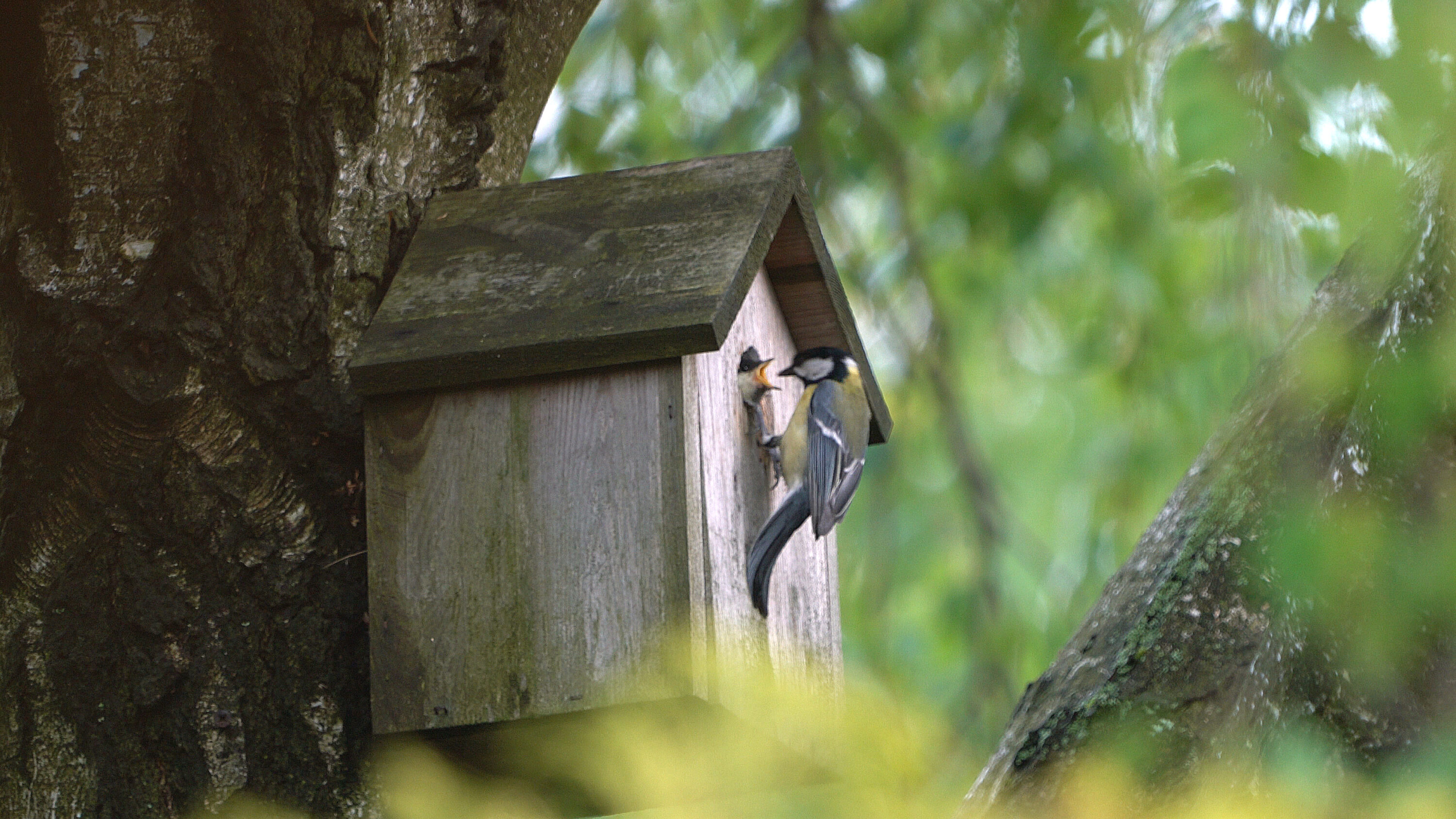
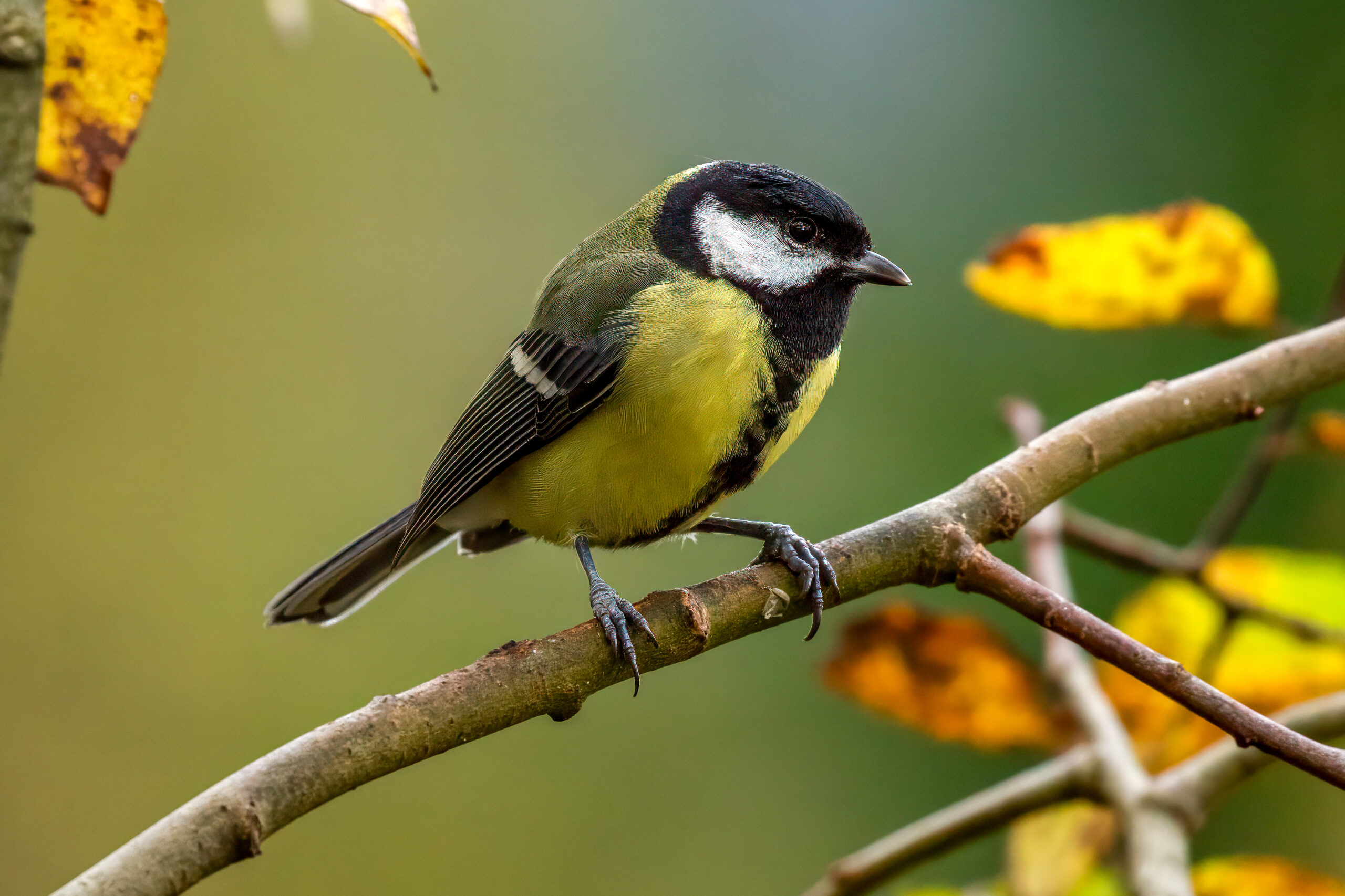
Great tits (Parus major) that began breeding early produced more fledglings across the full season in both forest and urban habitats, largely because they were more likely to raise a second brood. The 13-year study, first published in Journal of Animal Ecology on 26 May 2026, found that analyses limited to the first breeding attempt gave a different picture of the relationship between laying date and reproductive output.
Jérémy Defrance and colleagues monitored nest boxes from 2011 to 2023 in La Rouvière forest at Montarnaud and at eight urban study plots across Montpellier in southern France. They recorded first-clutch laying dates, clutch size, hatchlings and fledglings, and followed later breeding attempts through the end of each season.
Second broods changed the pattern
Urban females began their first clutches about 4.5 days earlier on average than forest females, and within Montpellier females in the most urbanised territories also began laying about 4.5 days earlier than females in the least urbanised territories. When only first broods were analysed, earlier laying tended to be associated with more fledglings in the forest but not in the urban habitats.
That pattern changed when second clutches were included. Earlier breeders had higher total annual fledgling production in both forest and city because they were more likely to breed again. In the city, the modelled probability of a second brood fell from about 66% for the earliest first clutches to almost zero for the latest; in the forest it fell from about 39% to 5%. The biological pathway was therefore largely indirect: an early first clutch increased the chance of a second brood, which increased the number of eggs produced across the season and ultimately the number of fledglings. Once clutch size was taken into account, the researchers found no evidence for a separate direct selection effect of first-clutch laying date.
Prey timing is a proposed mechanism
The authors hypothesise that differences in the timing and duration of food availability may help explain the pattern. Caterpillars are an important food for nestlings, and the forest and urban sites differ strongly in vegetation. The forest is dominated by deciduous and evergreen oaks, whereas the Montpellier plots contain a more heterogeneous mixture that includes pines, evergreen oaks and ornamental trees. The researchers propose that such differences could alter the seasonal availability of prey and the opportunity for a second brood, and call for direct comparisons of prey dynamics between habitats.
The study concludes that estimates of reproductive selection on breeding time can change when the full season is considered. In these populations, including second broods revealed an early-breeding advantage in both urban and forest environments that was less apparent when only the first nesting attempt was analysed.
Reproduction & development
Related news
Therthangal Spoonbill Colony Returned to 12 Active Nests After Complete Breeding Failure
Six breeding seasons at Therthangal Bird Sanctuary in Tamil Nadu ranged from 12 active Eurasian Spoonbill nests in…
Read story →
Lapwing and Oystercatcher Nesting Shifted in Opposite Directions With Latitude
Fifty years of UK nest records showed that northern lapwings nested later towards the north while Eurasian oystercatchers…
Read story →
Late Spring Frost Was Linked to About 4% Smaller Pied Flycatcher Eggs
After a severe April frost damaged emerging oak foliage at Valsaín in central Spain, Pied Flycatchers laid eggs…
Read story →SPECIES IN THIS STORY
Species in this story
Independent research and conservation news archive
Did you find this information useful?
Wildlife Vagabond is independently built and maintained. Voluntary support helps cover source verification, hosting and continued work on research and conservation news.
Support Wildlife VagabondThe news archive will remain freely available.