
Late Spring Frost Was Linked to About 4% Smaller Pied Flycatcher Eggs
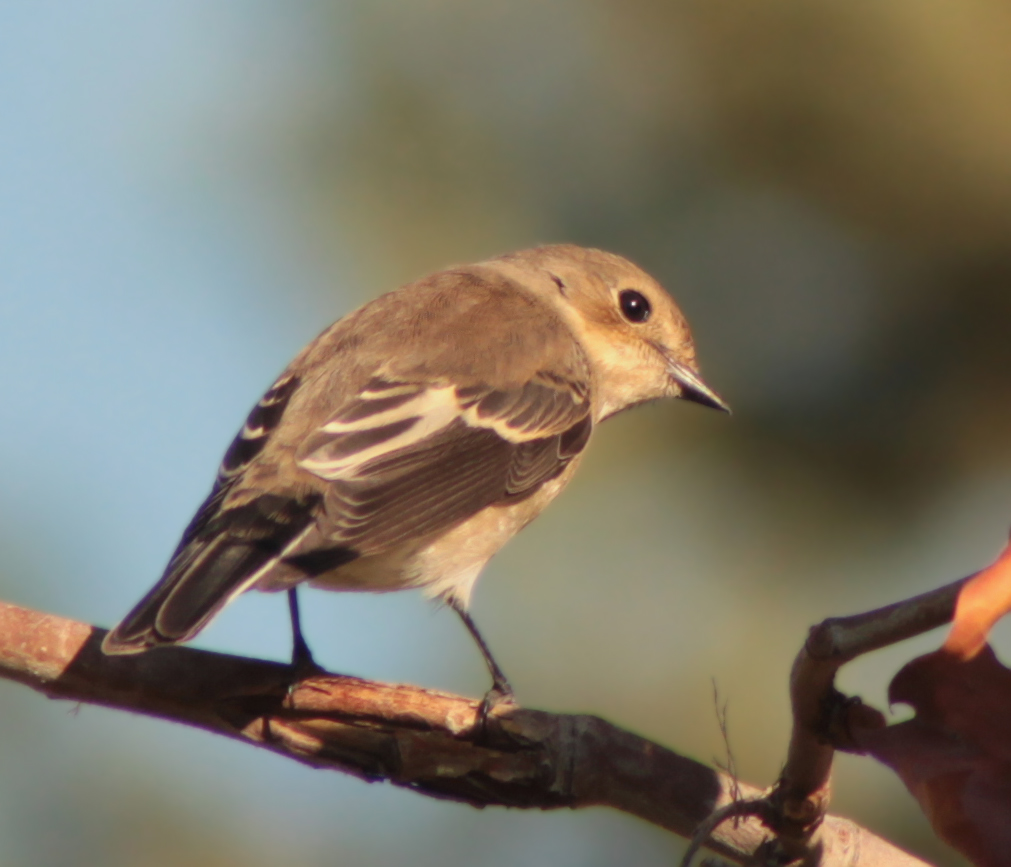
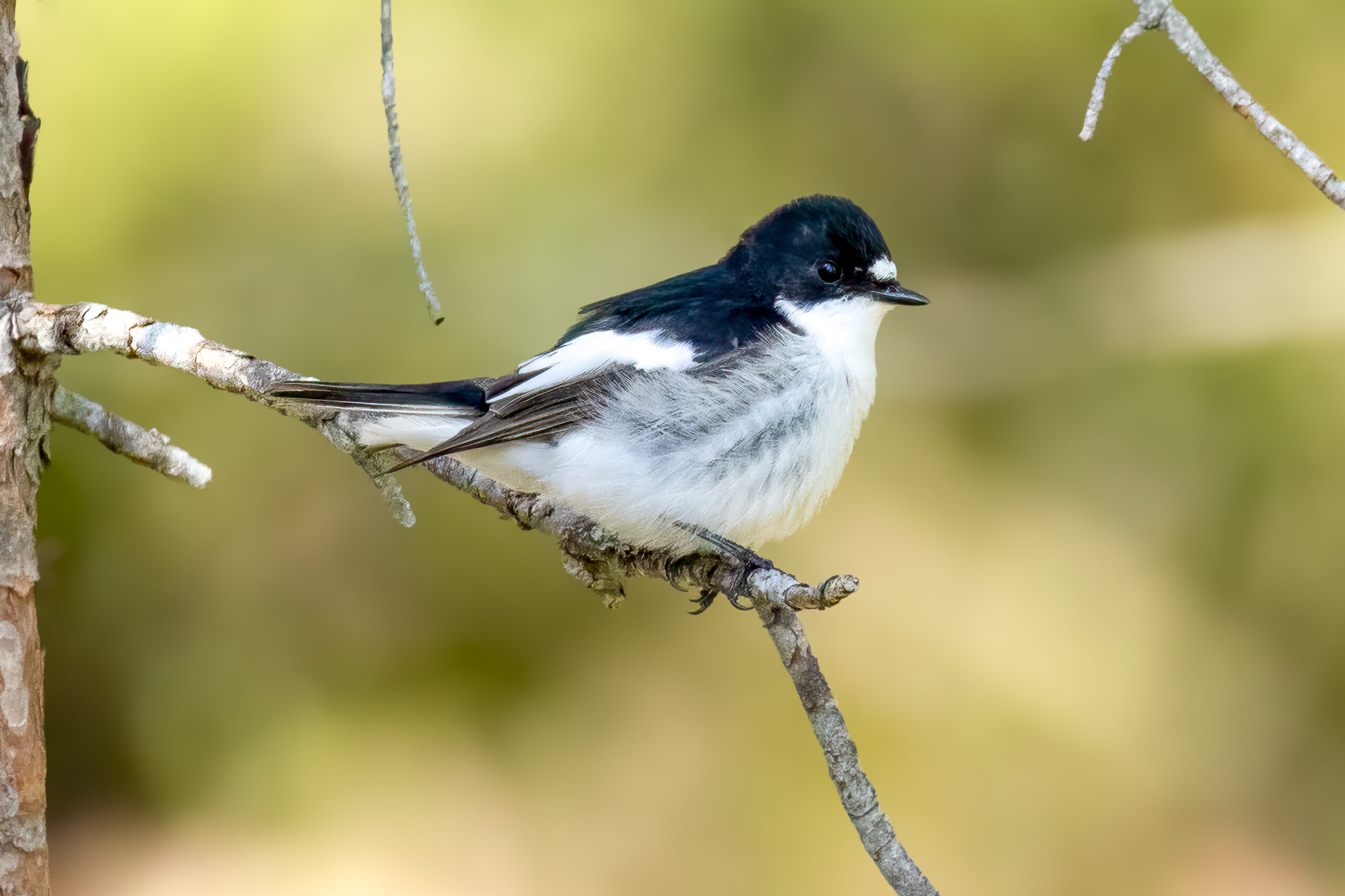
An abrupt late-spring frost in central Spain was associated with smaller eggs in European Pied Flycatchers (Ficedula hypoleuca), but not with a clear reduction in clutch size or hatching success. Researchers used an unusual cold snap in 2024 as a natural experiment and compared the breeding season with 2023 and 2025 in a long-term nest-box population in the Pyrenean-oak forest of Valsaín.
Frost followed an unusually warm early spring
The weather reversal was pronounced. After an unusually warm early spring, minimum temperatures fell to −0.5, −2.5 and −0.9 °C on 22–24 April 2024. Newly emerged oak leaves were visibly damaged, with young buds and shoots killed by the frost. Satellite-derived vegetation indices also showed substantially lower vegetation activity during the 2024 breeding season than in the surrounding years.
Egg investment fell in the frost year
The researchers monitored 99 breeding pairs in 2023, 111 in 2024 and 125 in 2025. Mean egg volume fell from 1.71 cm³ in both 2023 and 2025 to 1.64 cm³ in the frost year. After accounting for laying date, female age, female body condition and clutch size, estimated egg volume was 4.5% larger in 2023 and 4.1% larger in 2025 than in 2024. Egg volume also showed very low repeatability within females across years: the same females did not consistently produce similarly sized eggs from one year to the next. This supports egg size as a flexible trait that can respond to environmental conditions.
Clutch size and hatching success did not show the same decline
Clutch size remained similar across the three years. Hatching success averaged 84.4% in 2023, 84.1% in 2024 and 89.8% in 2025, with no clear frost-year reduction. Female, male and nestling body condition also remained broadly similar among years. Laying began later in 2024 than in 2023, but was roughly similar to 2025.
The authors interpret the smaller eggs as consistent with females reducing investment per egg when conditions during egg formation were energetically more difficult, while maintaining the number of eggs. The proposed pathway is biologically plausible because frost-damaged foliage can reduce food resources for herbivorous insects and therefore for insect-eating birds. However, insect abundance was not measured directly in this study, so the mechanism remains an interpretation rather than a demonstrated trophic link. The results nevertheless show how a short climatic extreme can be associated with maternal reproductive allocation even when a later outcome such as hatching success changes little.
Reproduction & development
Related news
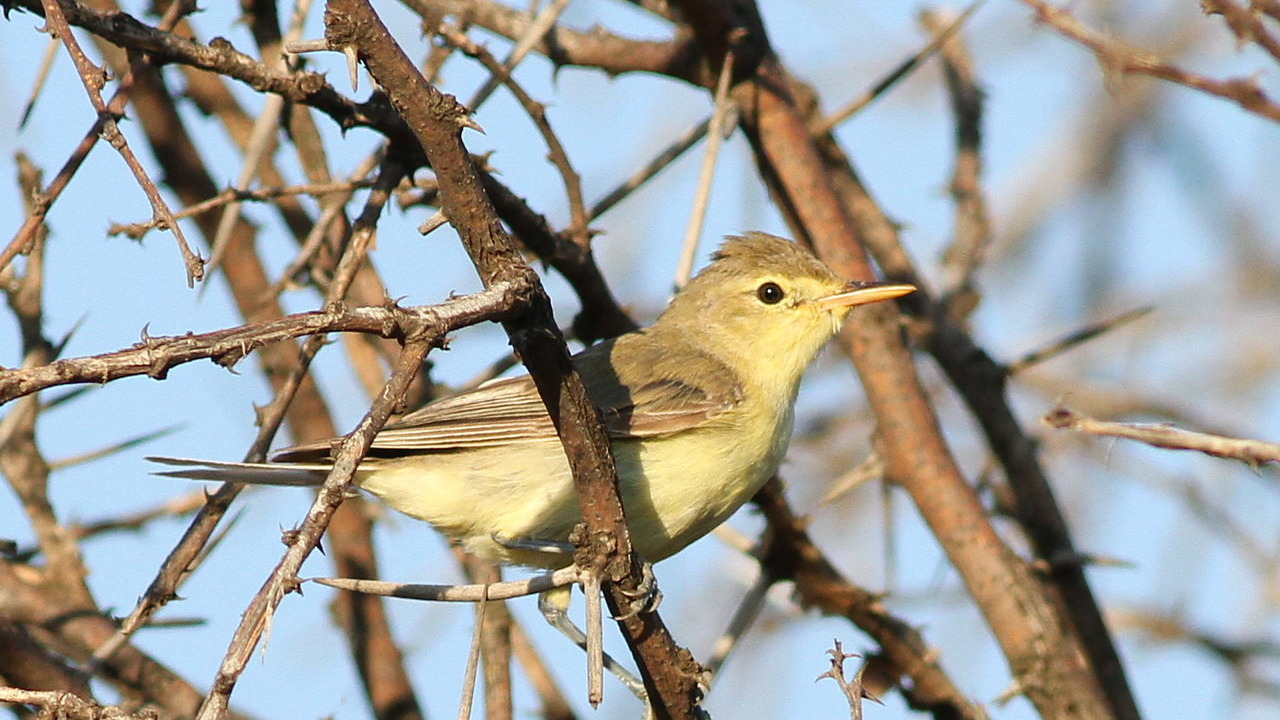
Ten Migrants Followed Early-slow and Late-fast Passage Strategies Through Nigeria
Twenty-four years of ringing data from Jos showed striking species differences in migration timing: Icterine Warblers were among…
Read story →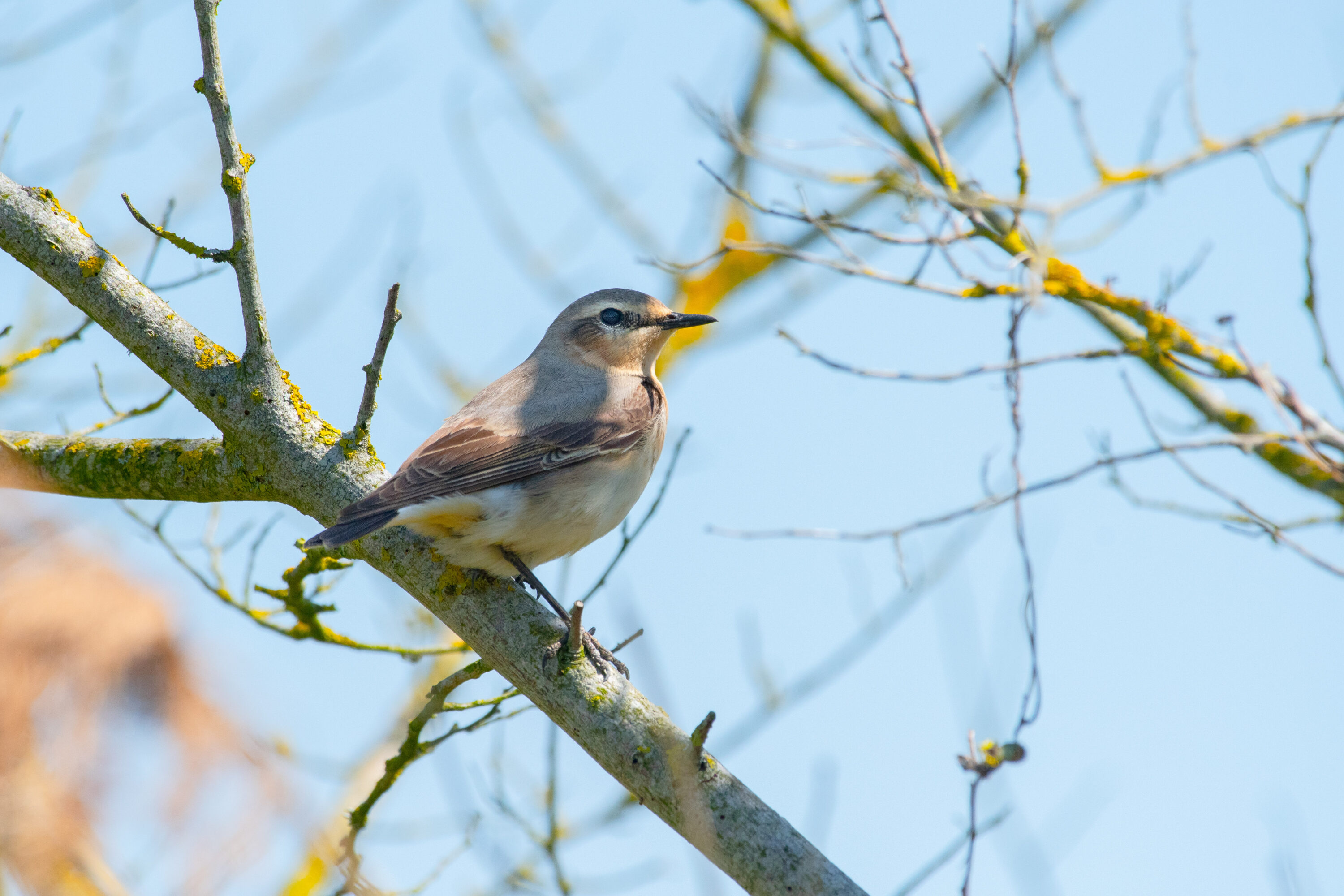
Five of Six Indicator Birds Could Lose Large Areas of Suitable Habitat in Luxembourg
Under the warmer SSP5–8.5 scenario, Red-backed Shrike, Northern Wheatear and Northern Lapwing were projected to lose especially large…
Read story →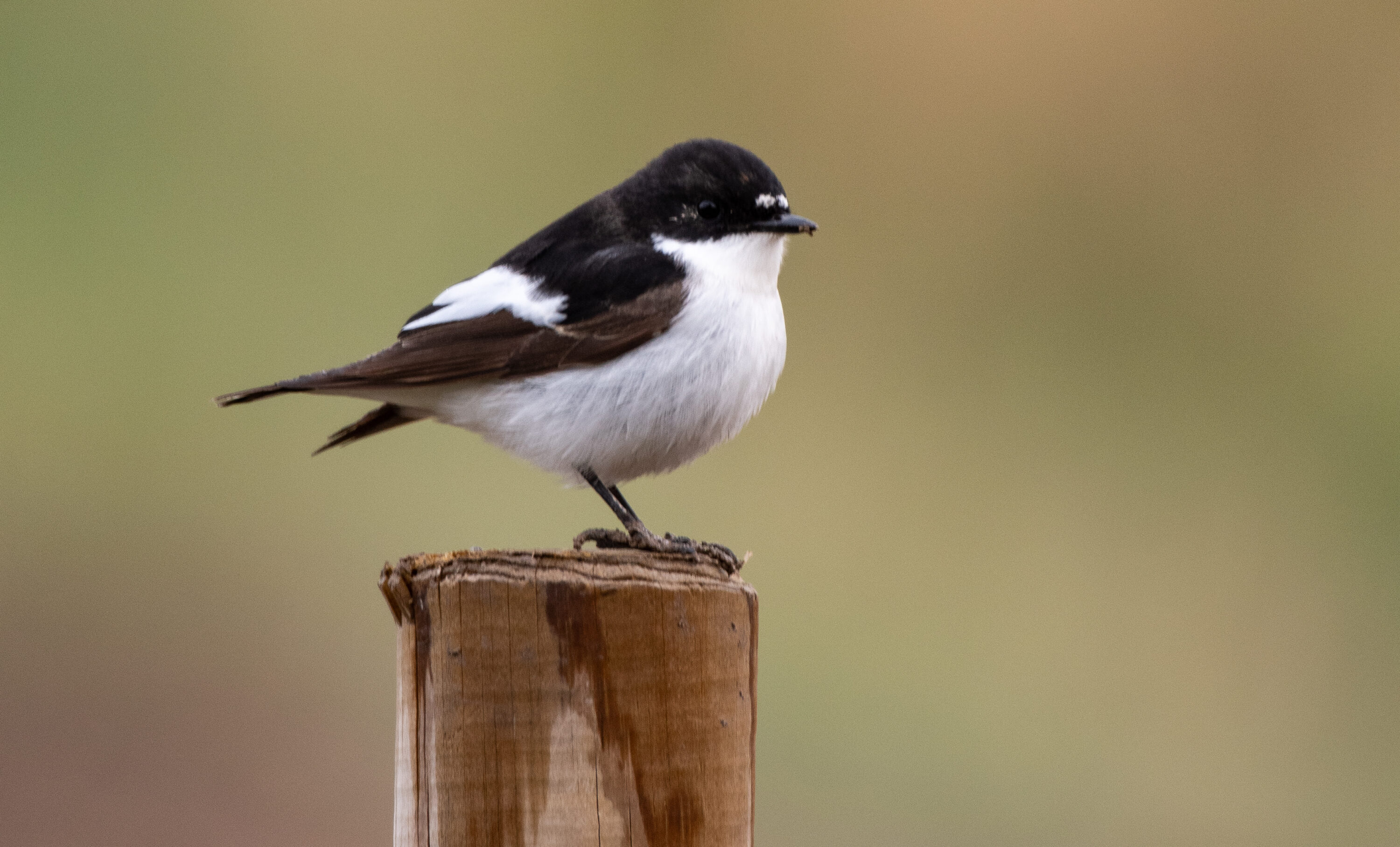
Female European Pied Flycatchers Preferred Songs of Unmated Males in Playback Tests
A 2026 study found that 17 male European pied flycatchers changed their songs after pairing, while 21 of…
Read story →SPECIES IN THIS STORY
Species in this story
Independent research and conservation news archive
Did you find this information useful?
Wildlife Vagabond is independently built and maintained. Voluntary support helps cover source verification, hosting and continued work on research and conservation news.
Support Wildlife VagabondThe news archive will remain freely available.