
Sloth Bears Act as Selective Seed Dispersers in Western India
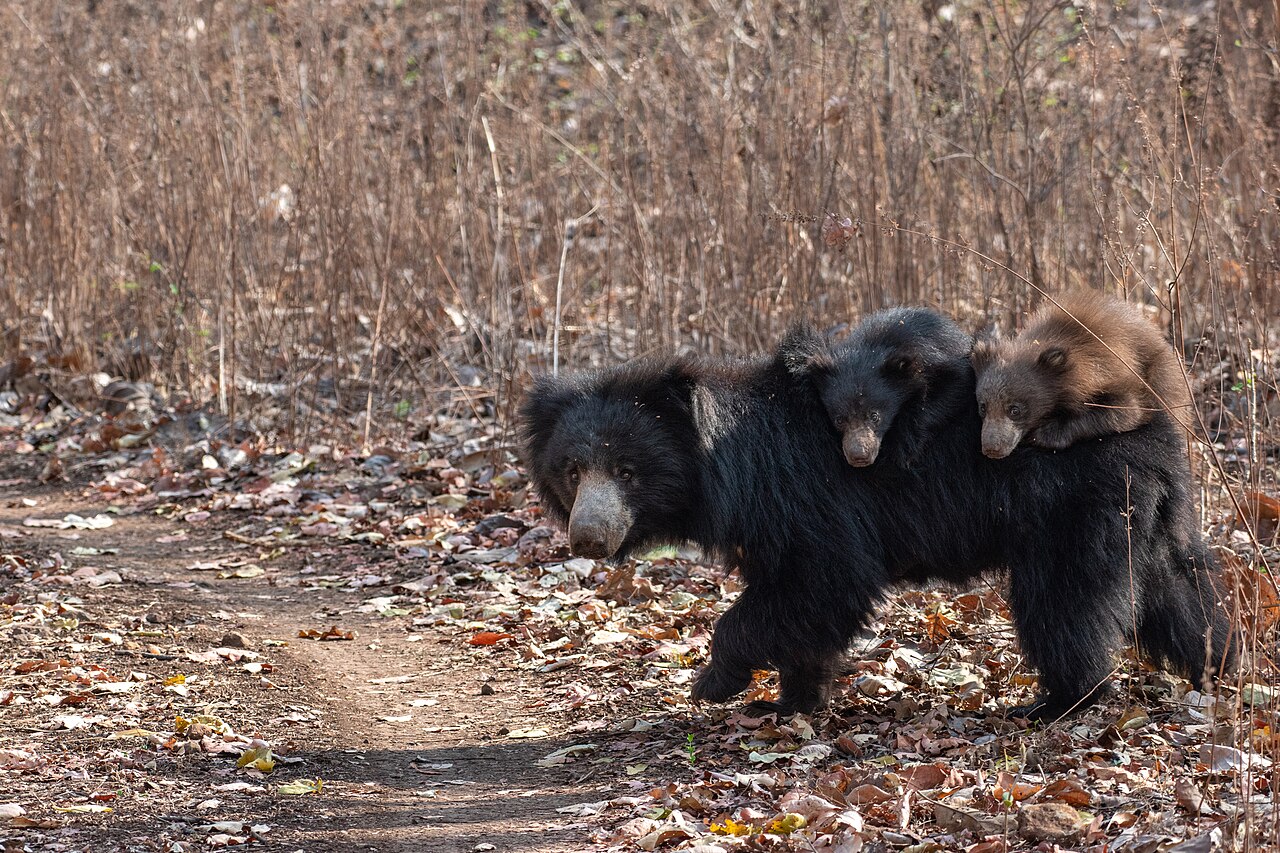
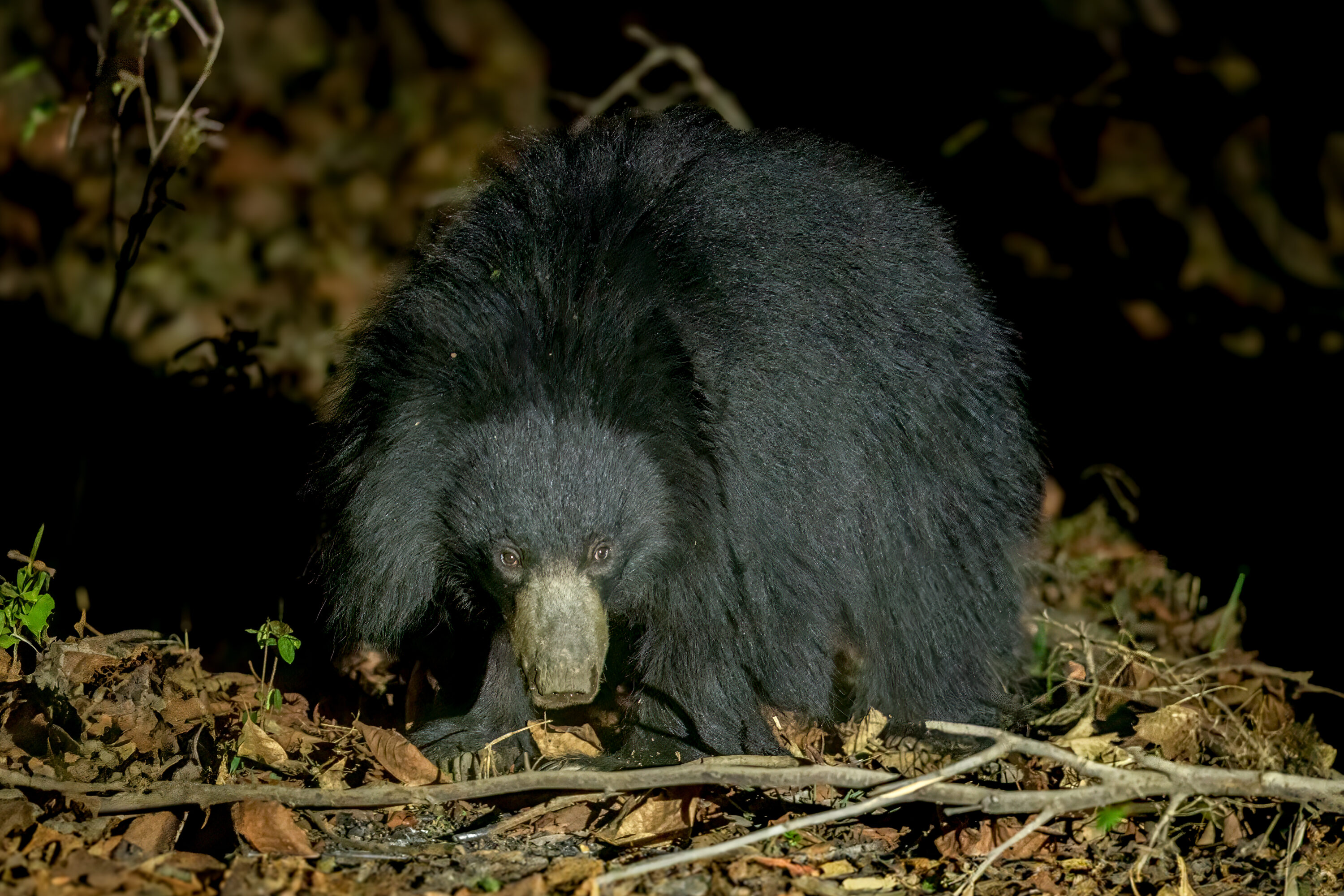
Sloth bears (Melursus ursinus) are best known for eating termites and ants, but a new study from western India highlights another ecological role: they can also act as selective seed dispersers.
Researchers analysed sloth bear scat across winter and summer from November 2020 to October 2021 and compared how often selected fruits appeared in the scat with how available those fruits were in the surrounding landscape. The bears’ diet shifted strongly with the seasons: fruit dominated in winter, while insects made up a larger share during summer. Fruit use was not consistently proportional to availability, meaning the bears selected some plant foods more strongly than a simple “eat what is most abundant” pattern would predict.
Gut passage changed seed performance differently among plants
The researchers recovered seeds from bear scats and compared their germination and subsequent seedling survival with seeds collected directly from plants. Seeds from six plant species remained viable after gut passage, but the outcome depended on the species. For four plants, post-germination seedling survival did not differ clearly between scat-derived and plant-collected seeds. Grewia flavescens seedlings survived better from plant-collected seeds, whereas Diospyros melanoxylon seedlings survived better when the seeds had passed through a bear.
Seeds of the nonnative invasive shrub Lantana camara germinated only in the scat-derived treatment in this experiment. This shows that gut passage enhanced germination under the tested conditions; it does not mean that Lantana requires sloth bears in order to germinate in nature. The authors therefore conclude that sloth bears act as selective seed dispersers and may also facilitate regeneration of an invasive shrub.
They highlight the need to study large omnivores as part of plant-regeneration processes because selective fruit consumption and seed passage can influence vegetation dynamics at the landscape scale.
Ecology
Related news
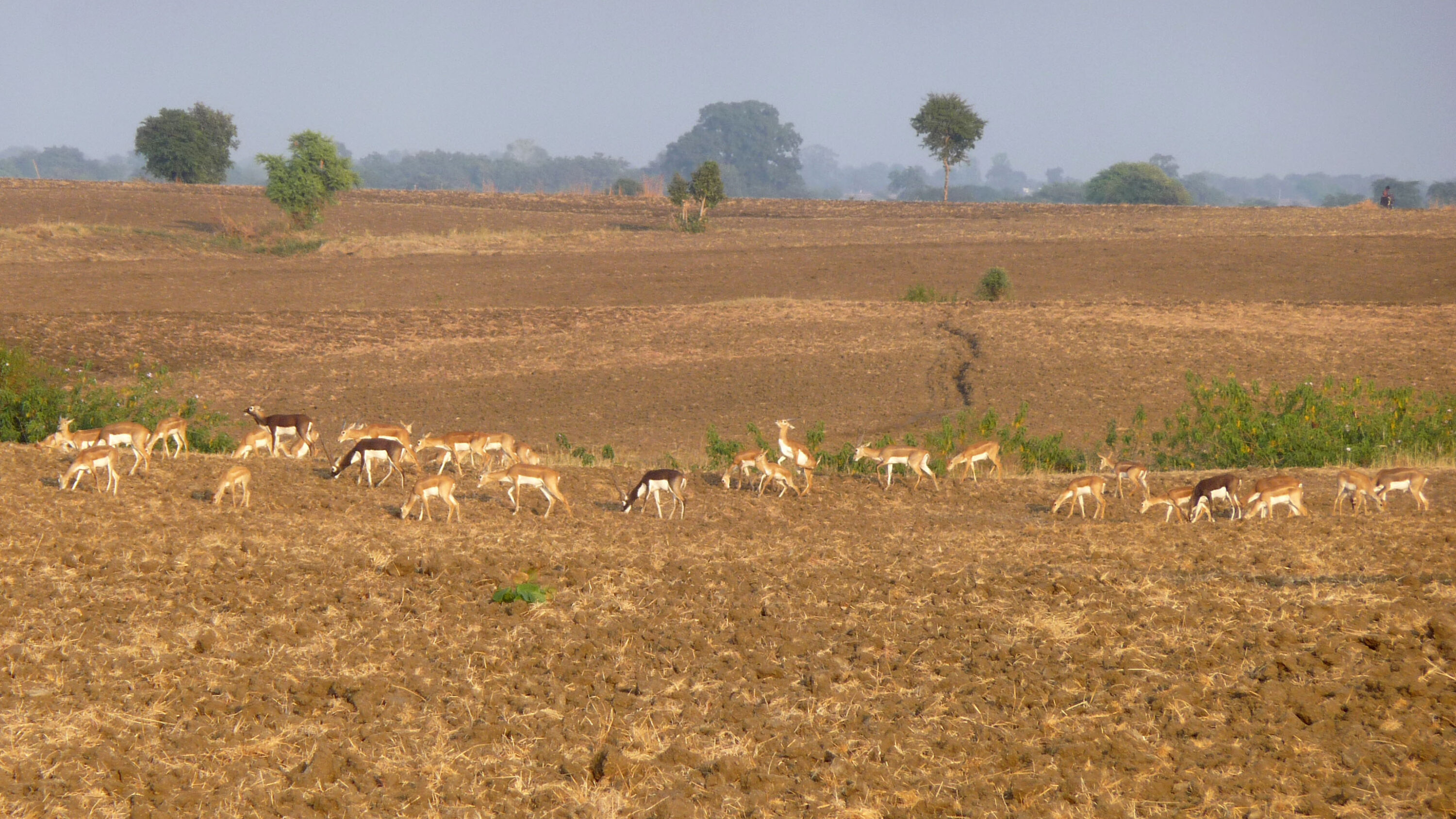
Blackbuck, Striped Hyenas, Sloth Bears and Indian Wolves Occurred Across Koppal’s Agro-pastoral Landscape
In Koppal district, Karnataka, interview-based models estimated occupancy of 63% for blackbuck, 52% for striped hyena and 26%…
Read story →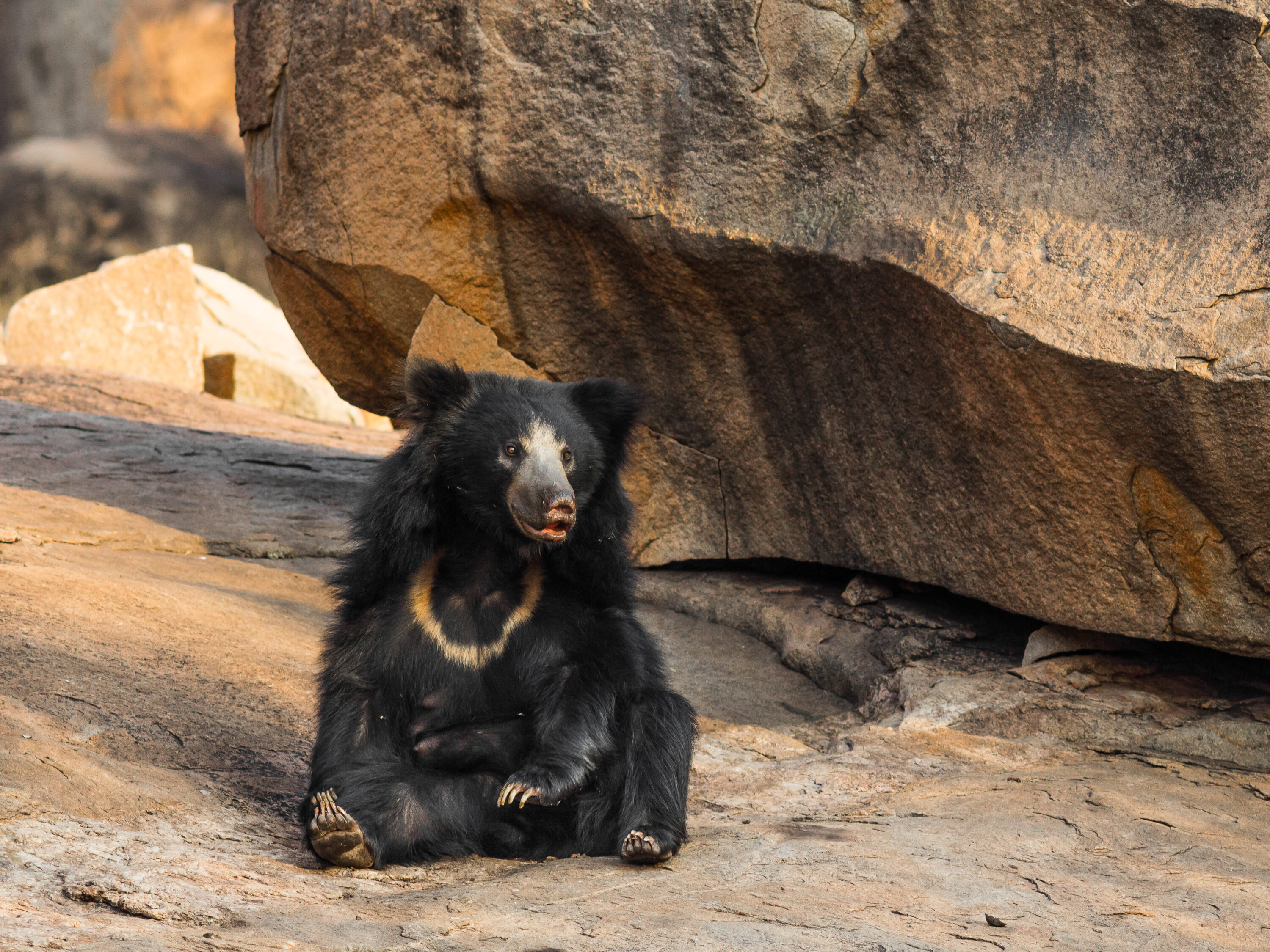
Sloth Bears in Unprotected Gujarat Favoured Riverine Forest
Sign surveys in unprotected parts of Gujarat found that sloth bears strongly favoured riverine forest. Over the same…
Read story →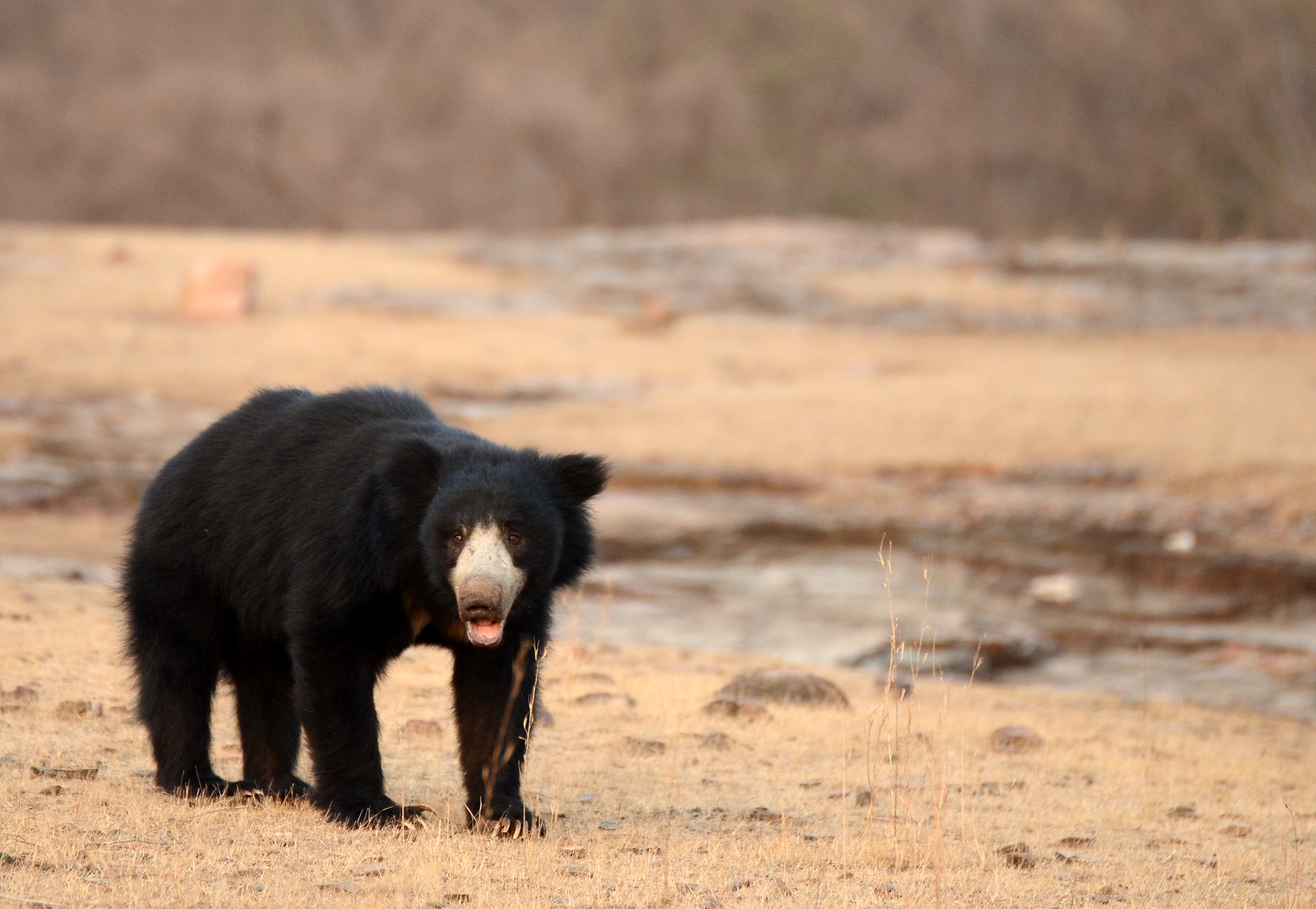
Sloth Bears Fed on Discarded Food in Gujarat Villages; Fewer Visits Followed Cleanup
Three cases in Gujarat documented sloth bears feeding on discarded food and packaging; waste removal and community action…
Read story →SPECIES IN THIS STORY
Species in this story
Independent research and conservation news archive
Did you find this information useful?
Wildlife Vagabond is independently built and maintained. Voluntary support helps cover source verification, hosting and continued work on research and conservation news.
Support Wildlife VagabondThe news archive will remain freely available.