
Socially Isolated Wild Pigs Usually Stayed Near Trap Sites After Sounder Removal
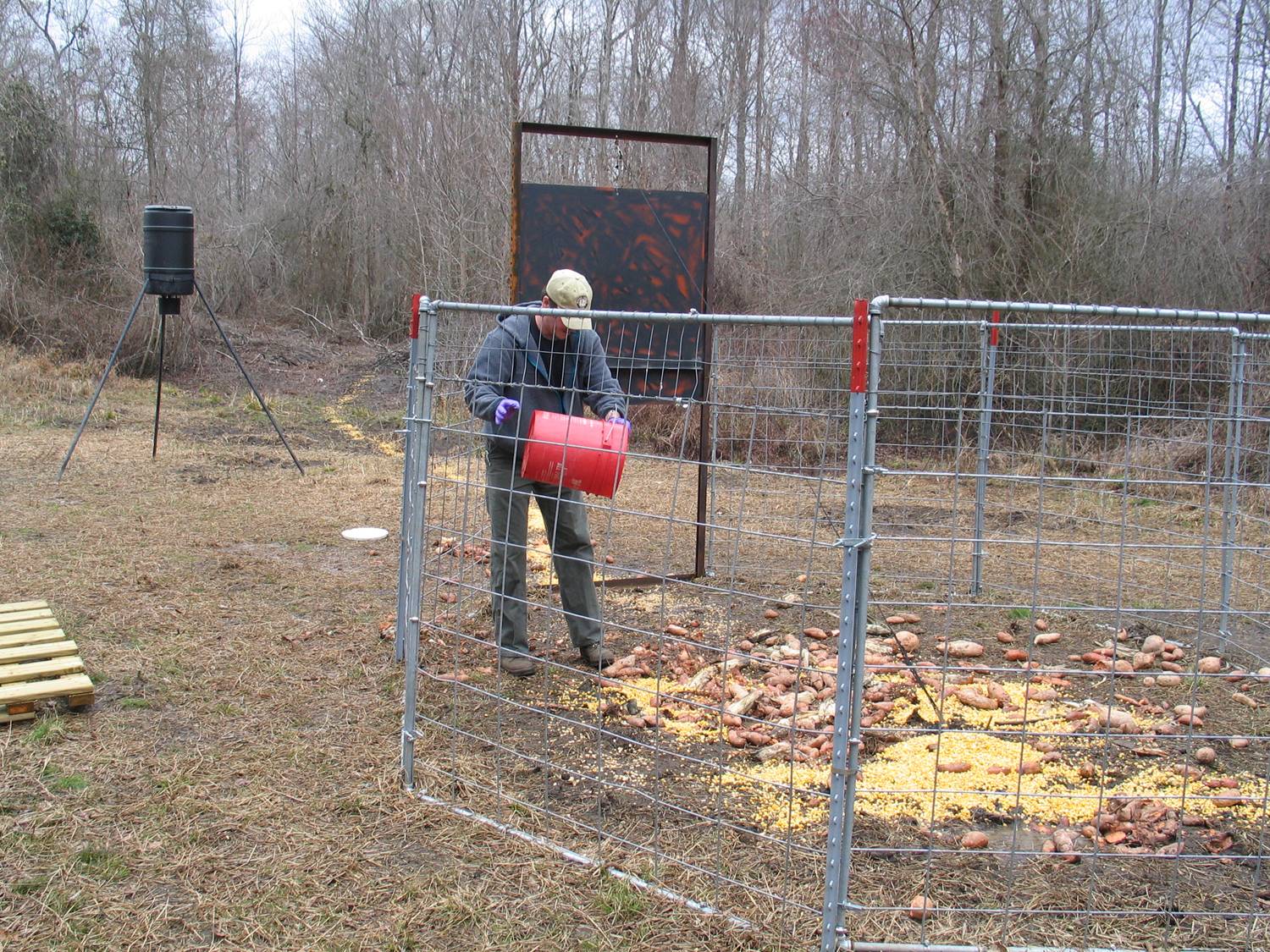
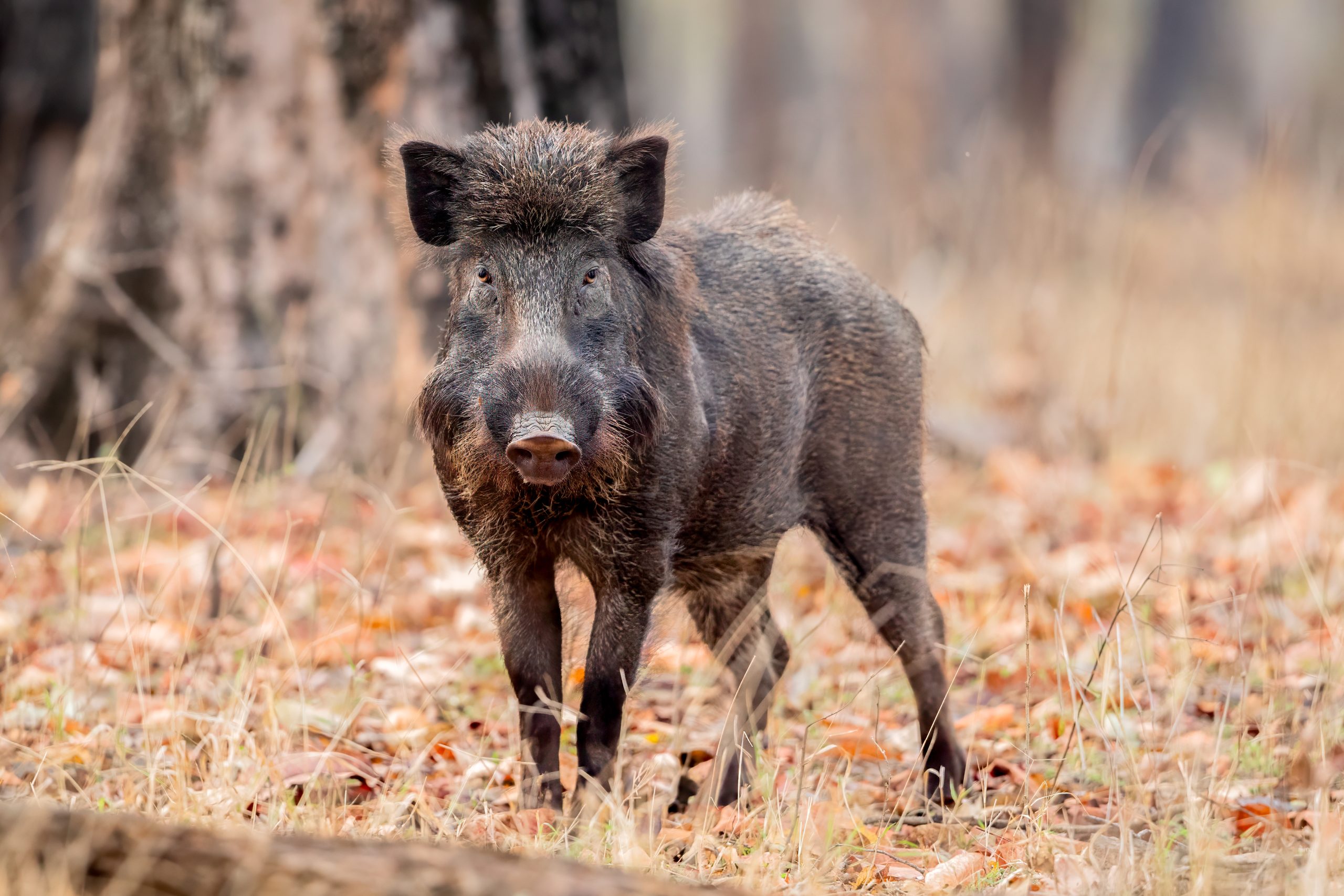
Wild pigs (Sus scrofa) left behind after other members of their social group were removed by trapping generally remained close to the original trap area, according to a GPS-tracking study from Alabama, USA. Researchers followed 18 females that became socially isolated after trapping events and examined their movements over the following 30 days.
Individual responses varied considerably, but the pigs were on average 1.2 km from the trap site during the post-trapping period. About 55% stayed within 1.2 km of the trap site throughout the collaring period, and only three animals moved more than 2 km away. The greatest distance recorded for any individual was about 6.4 km. Home-range sizes remained relatively stable, and the animals rarely showed the broad dispersal that could have been expected after losing the rest of their sounder.
Group composition and body condition also mattered
The researchers also found differences linked to the animals’ original groups and body condition. Females from sounders with a higher proportion of females moved farther from the trap after removal, while animals in better body condition showed lower movement velocities. Overall overlap in space use among isolated individuals was limited.
Site fidelity could aid follow-up trapping
The authors interpret the continued site fidelity as a predictable behavioural response that can be useful when trapping does not remove an entire sounder. Because surviving animals often remained spatially accessible near the original trap site, follow-up removal efforts may be able to focus on the same area rather than assuming the remaining pigs have dispersed far away. The study included only females, however. The authors note that males may disperse more widely, so the observed pattern should not automatically be generalized to socially isolated males.
Behaviour
Related news
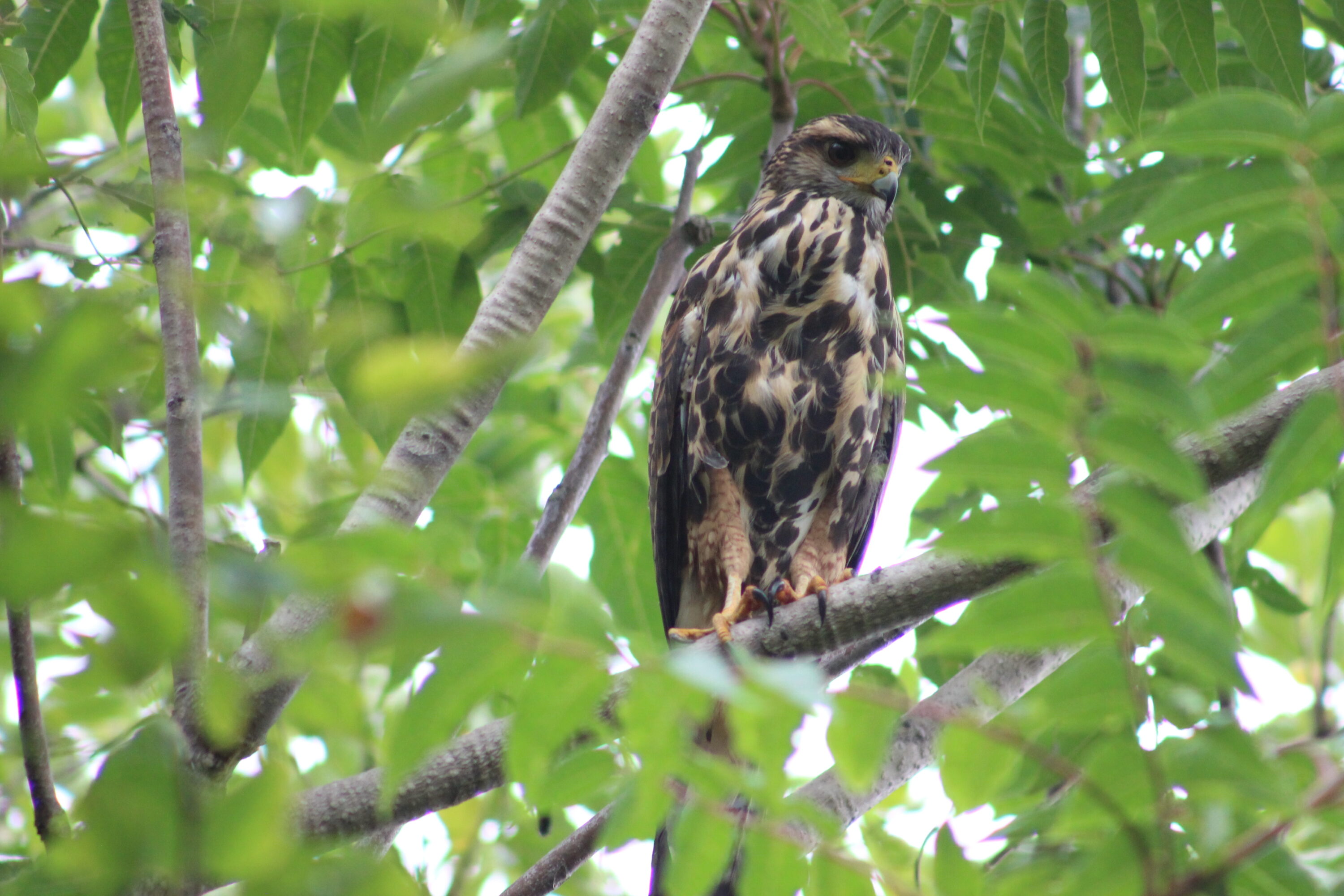
Juvenile Harris's Hawks Manipulated Pine Cones for About Five Minutes
Two juvenile Harris's hawks in Buenos Aires Province tore pine cones from trees, carried them to new perches…
Read story →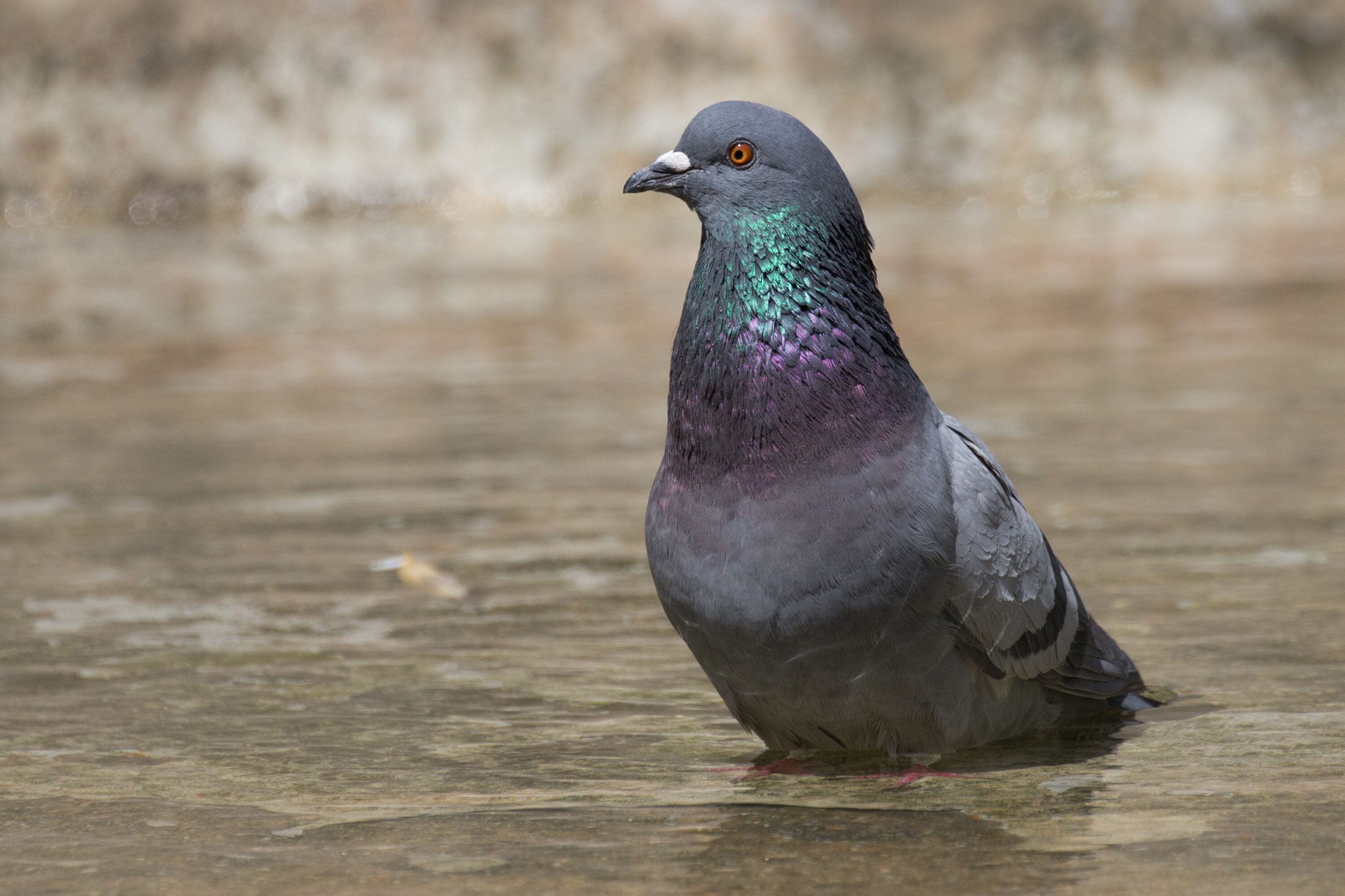
Rock Doves Preferred Predictive Information Despite a Lower Food Payoff
Seven rock doves preferred an informative option that paid on 20% of trials over a non-informative option that…
Read story →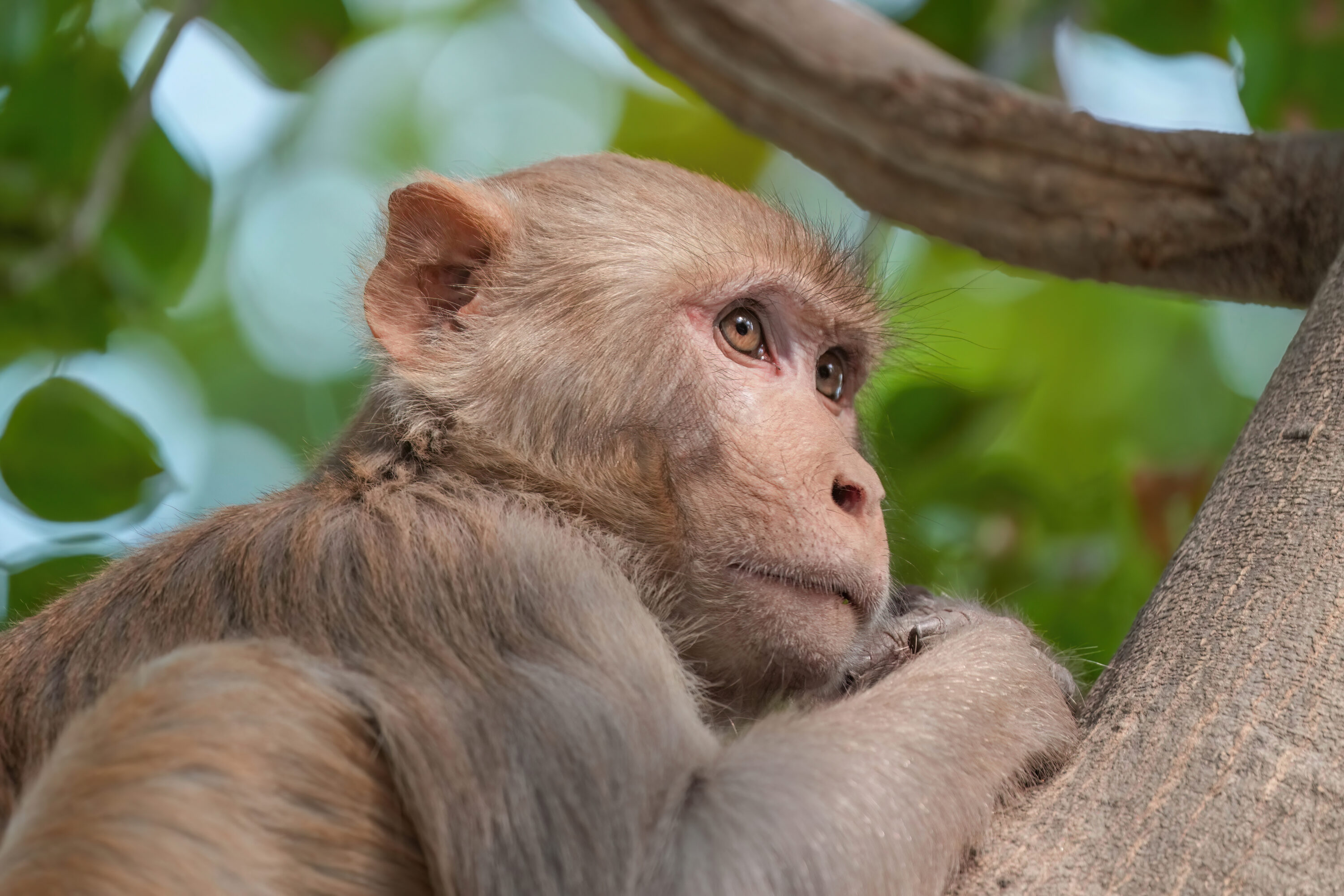
Task Uncertainty Increased Interference From Irrelevant Visual Information in Rhesus Macaque Decisions
Two rhesus macaques made less accurate visual decisions under task uncertainty; recordings and microstimulation in primary visual cortex…
Read story →SPECIES IN THIS STORY
Species in this story
Independent research and conservation news archive
Did you find this information useful?
Wildlife Vagabond is independently built and maintained. Voluntary support helps cover source verification, hosting and continued work on research and conservation news.
Support Wildlife VagabondThe news archive will remain freely available.