
Spotted Hyenas Combine Facial Signals and Calls to Coordinate Play
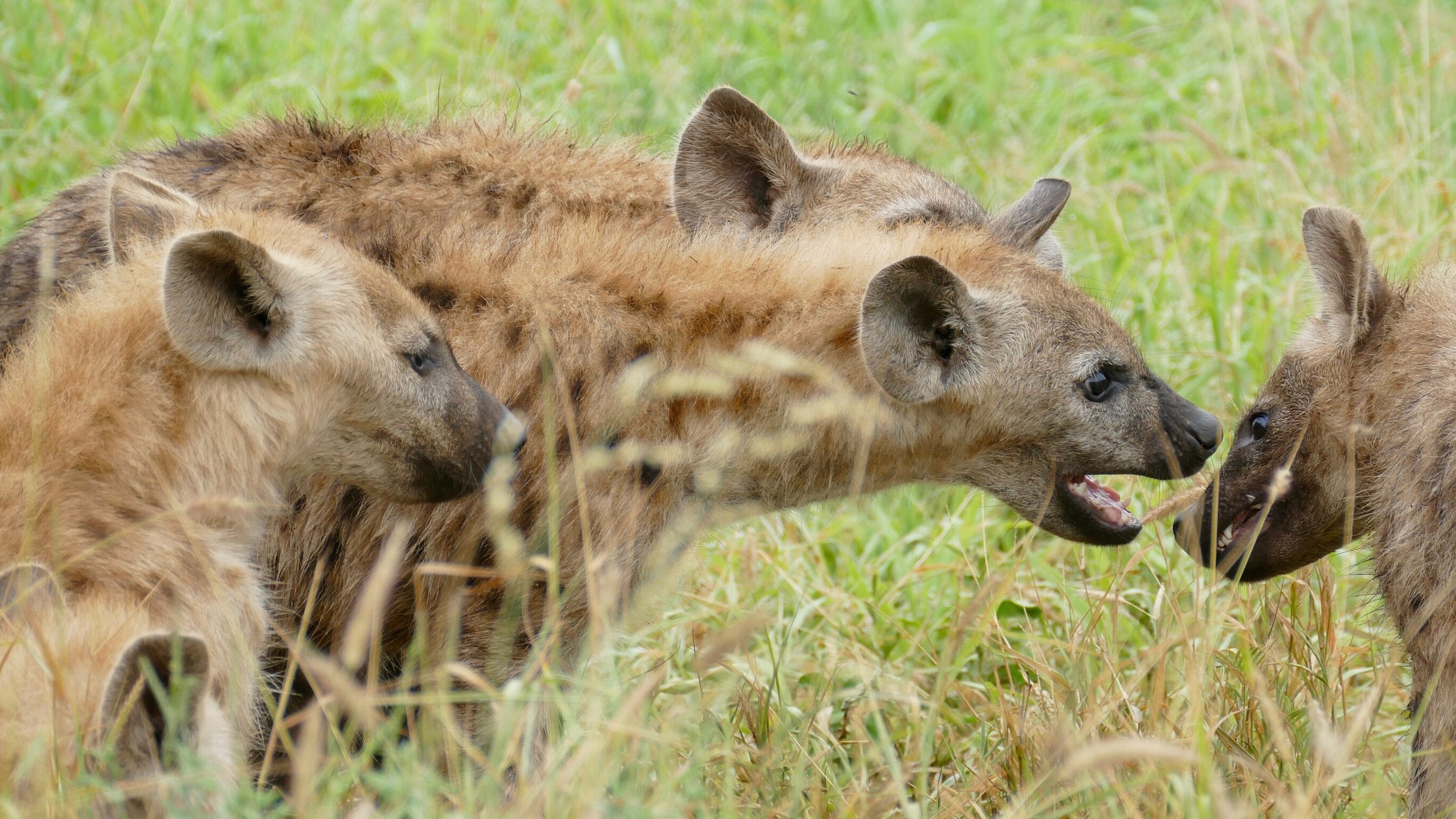
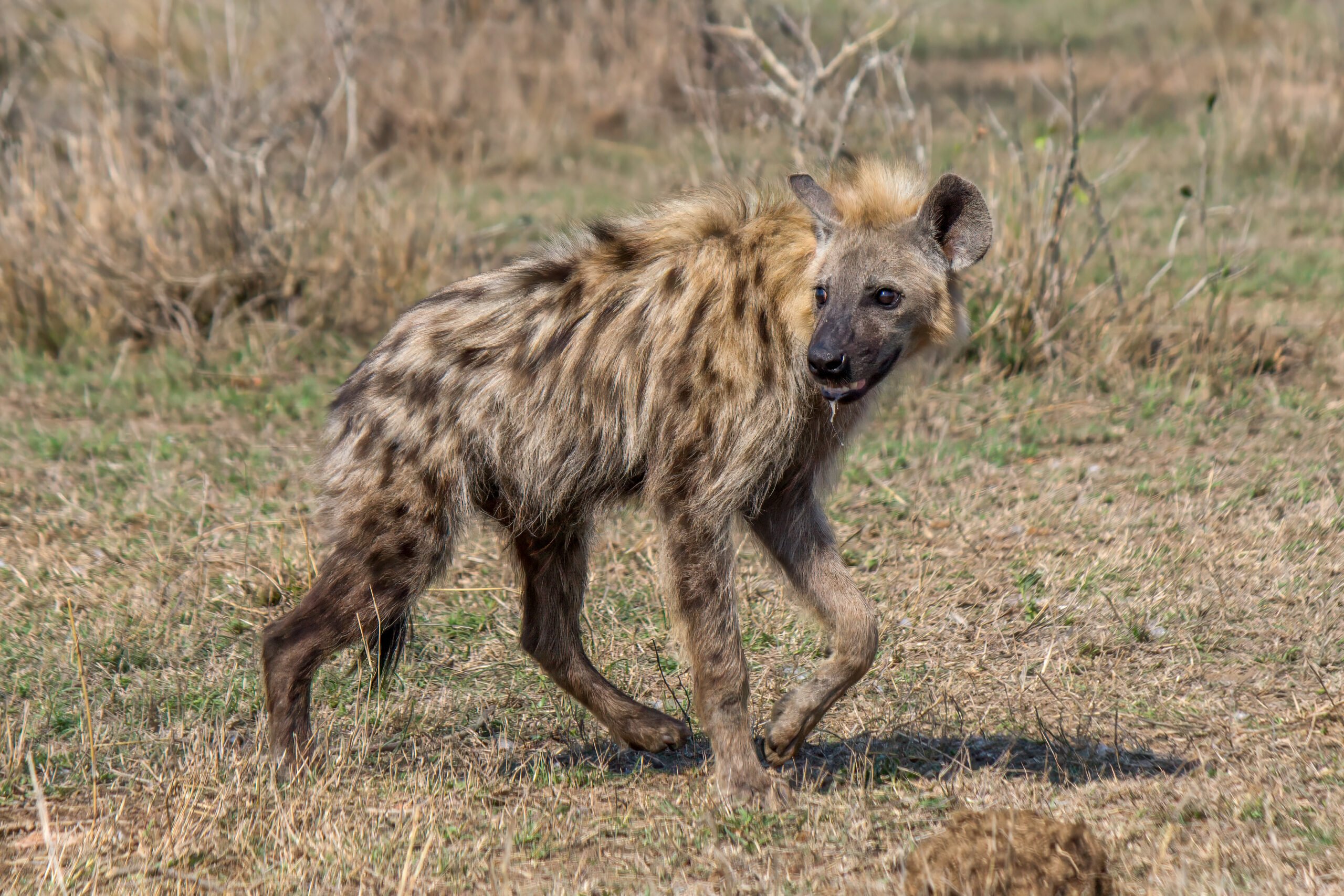
A field study of spotted hyenas (Crocuta crocuta) found that the animals adjusted visual and vocal signals to the social setting during play. The Relaxed Open Mouth (ROM) facial display was used most often when two animals could maintain visual contact, while calls became more frequent when ROMs were less frequent and visual signalling was more constrained.
238 play sessions were analysed across two wild populations
Play fighting involves chasing, biting and other movements that can resemble aggression. Clear signals can help participants maintain playful interactions without confusing them with a real conflict.
The researchers analysed 238 play sessions involving 139 individually recognised hyenas. The observations came from two wild populations: the Ngorongoro Crater in Tanzania and Greater Makalali Private Game Reserve in South Africa. The dataset included both two-animal play and sessions involving several participants.
For each session, the team recorded playful actions, facial displays and vocalisations. They focused particularly on ROM, a common mammalian play face in which the mouth is held open without the tension of an aggressive threat.
Visual contact changed signal use
ROM occurred more frequently when two hyenas played together than during group play. In a pair, the animals had a better opportunity to keep each other within view. The display also became more frequent as the rate of playful offensive actions increased.
During sessions in which ROM occurred less often, the hyenas vocalised at a higher rate. The researchers interpret this pattern as evidence that vocal signals may compensate when a visual signal is harder for every participant to see, especially when several animals are playing at once.
An acoustic analysis separated the recorded sounds into 13 vocal types. Some formed clearly distinct types, while others graded into one another. Five of the types had not previously been described in spotted hyenas, according to the research team.
Two channels for the same social task
The results do not assign one fixed meaning to every call. Instead, they show that visual and vocal communication changed in different ways with the play context. ROM was closely tied to opportunities for visual contact, whereas calls could reach play partners who were not looking directly at the sender.
The authors describe ROM as a ritualised play signal and the calls as more flexible cues. Their findings suggest that spotted hyenas recruit different sensory channels according to the immediate demands of a social interaction.
Behaviour
Related news
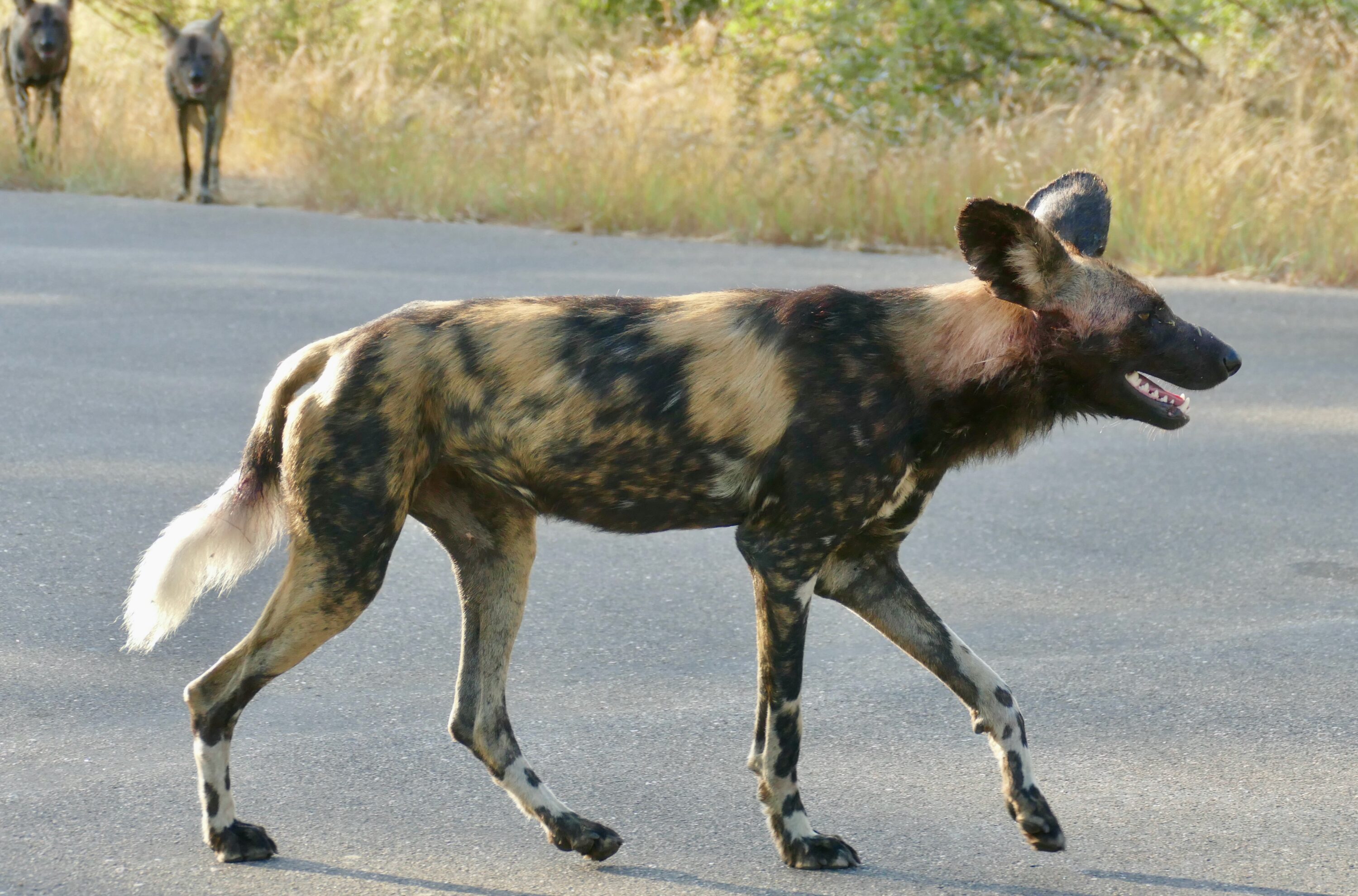
Food Leaves Its Mark on the Gut Bacteria of Kruger’s Wildlife
Gut bacteria in nine mammal species from Kruger National Park followed clear patterns linked to food and digestion.…
Read story →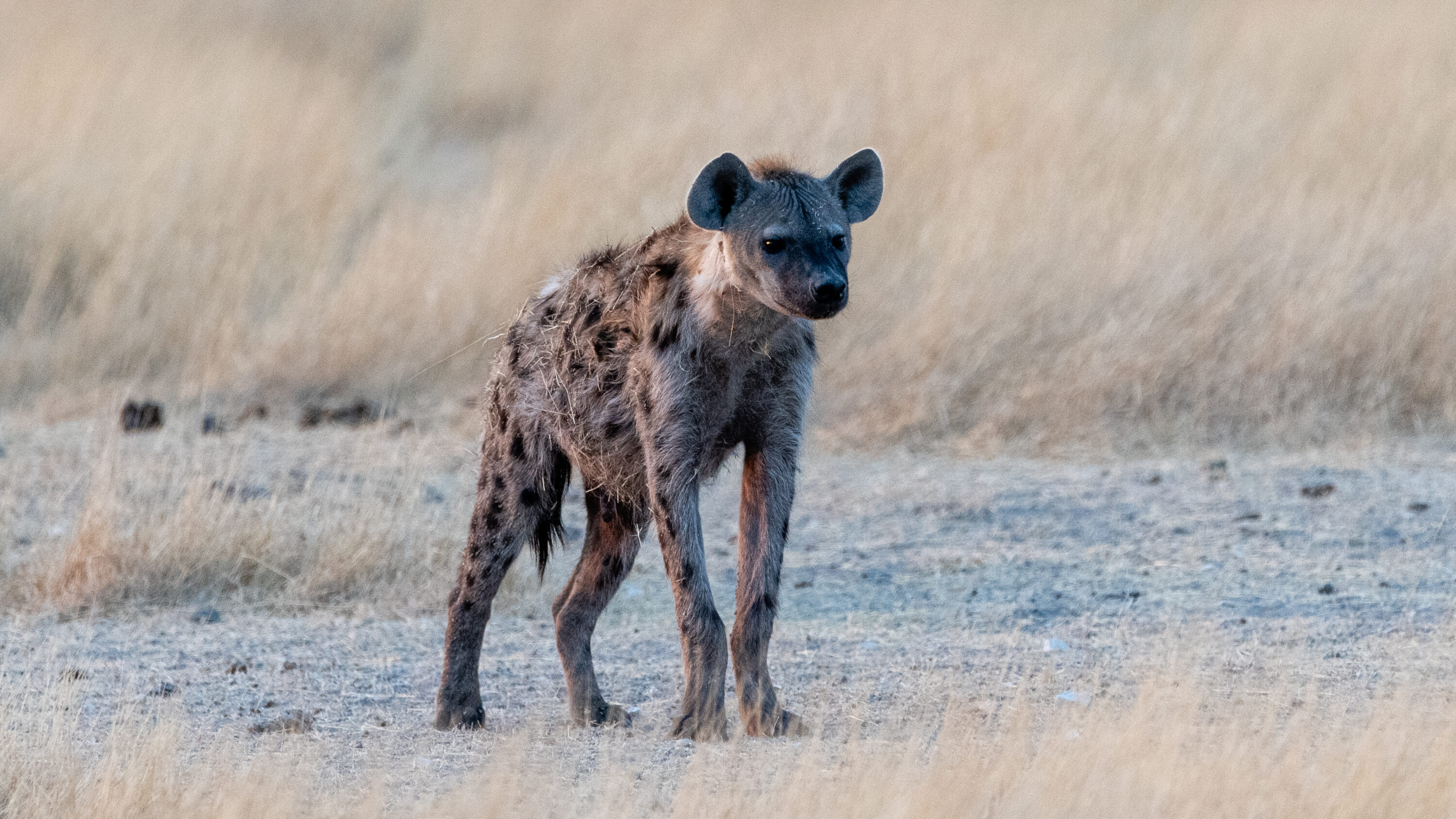
Spotted Hyenas Repeatedly Moved Away From Lions in Five-Minute GPS Data
High-frequency GPS data from Namibia and Botswana showed a robust retreat bias in spotted hyenas around lions, while…
Read story →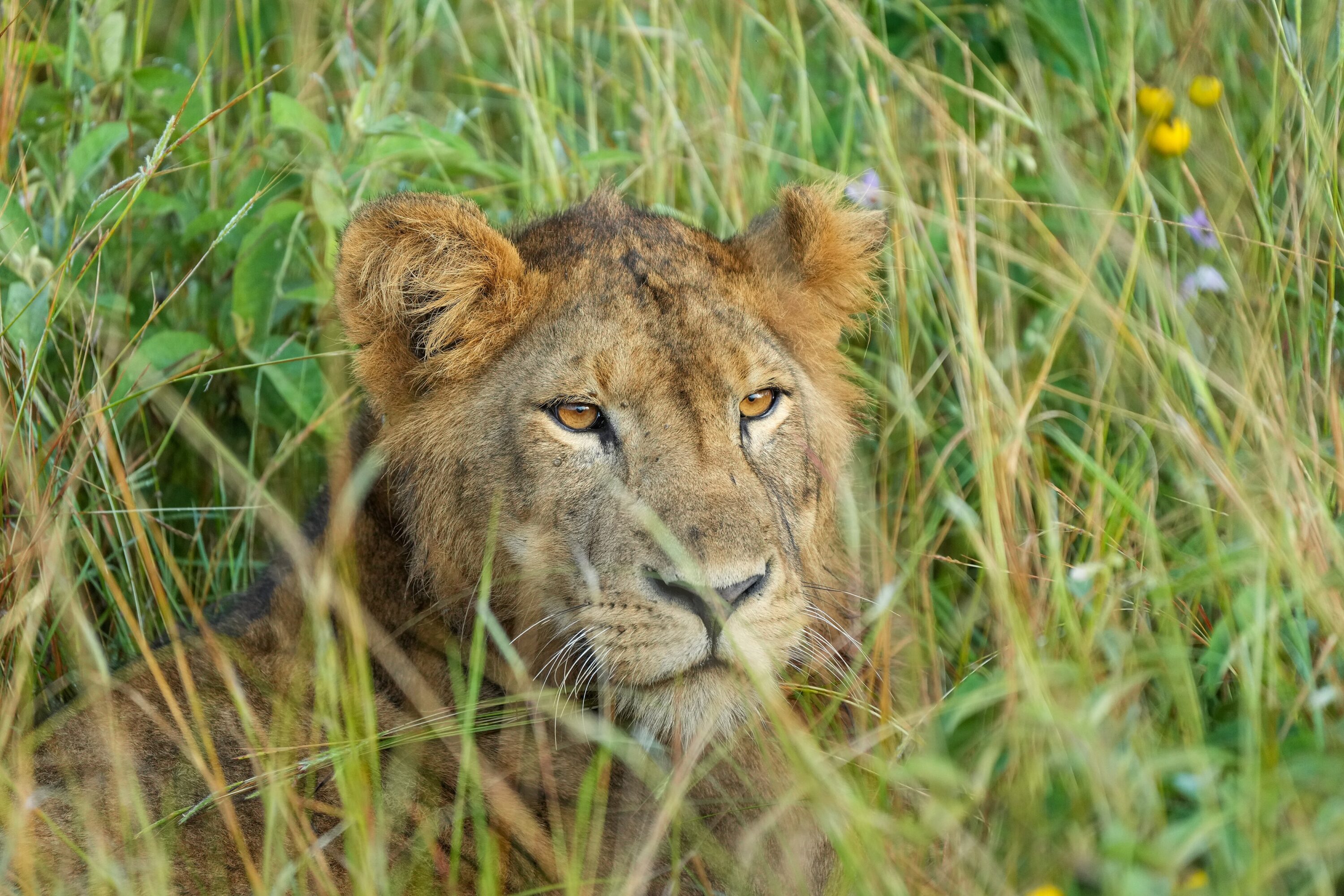
Livestock conflict with large carnivores is widespread across Queen Elizabeth National Park
Researchers documented 139 confirmed livestock-depredation events involving lions, leopards and spotted hyenas across 11 communities in Queen Elizabeth…
Read story →SPECIES IN THIS STORY
Species in this story
Independent research and conservation news archive
Did you find this information useful?
Wildlife Vagabond is independently built and maintained. Voluntary support helps cover source verification, hosting and continued work on research and conservation news.
Support Wildlife VagabondThe news archive will remain freely available.