
Spotted Hyenas Repeatedly Moved Away From Lions in Five-Minute GPS Data
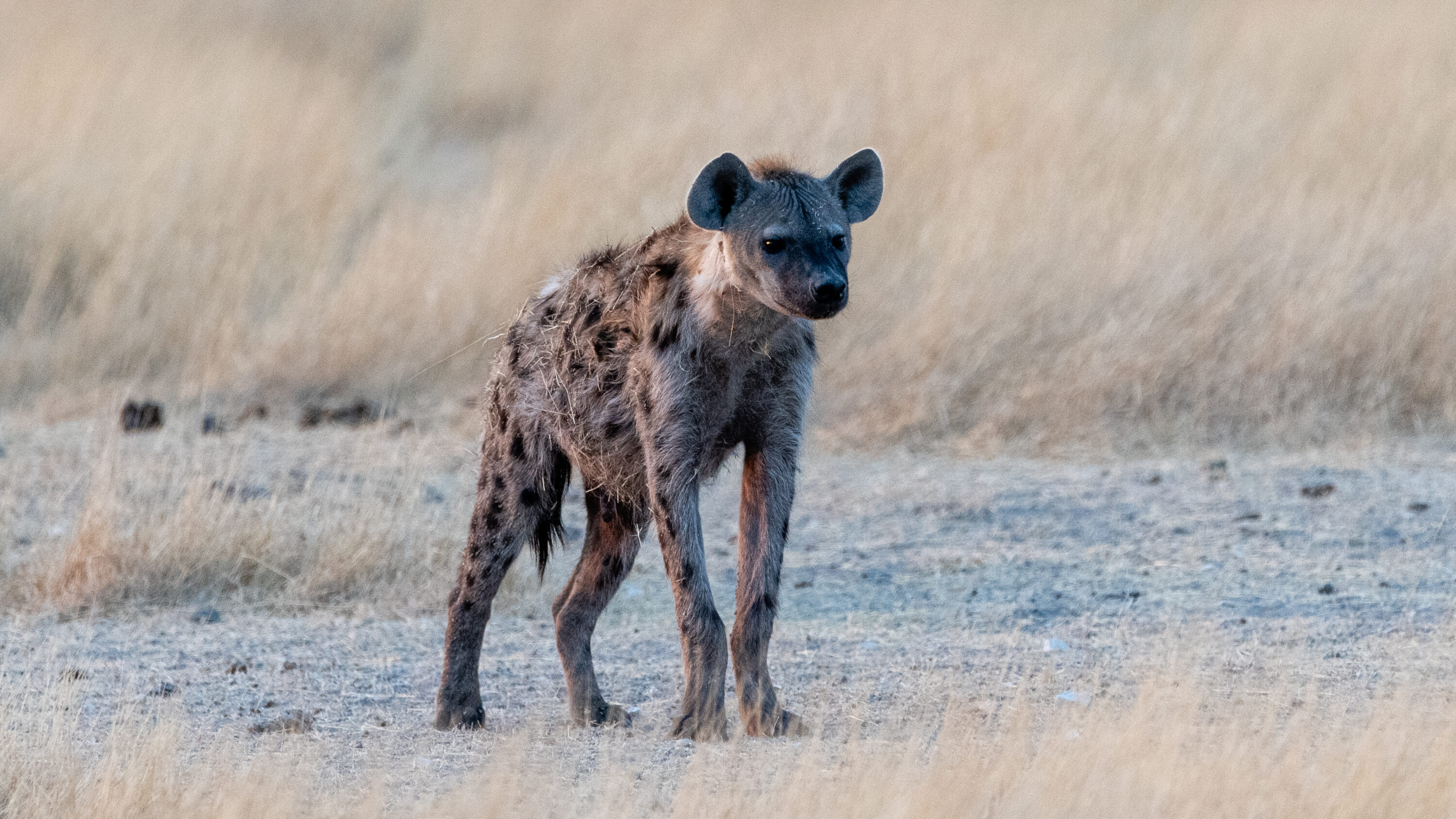
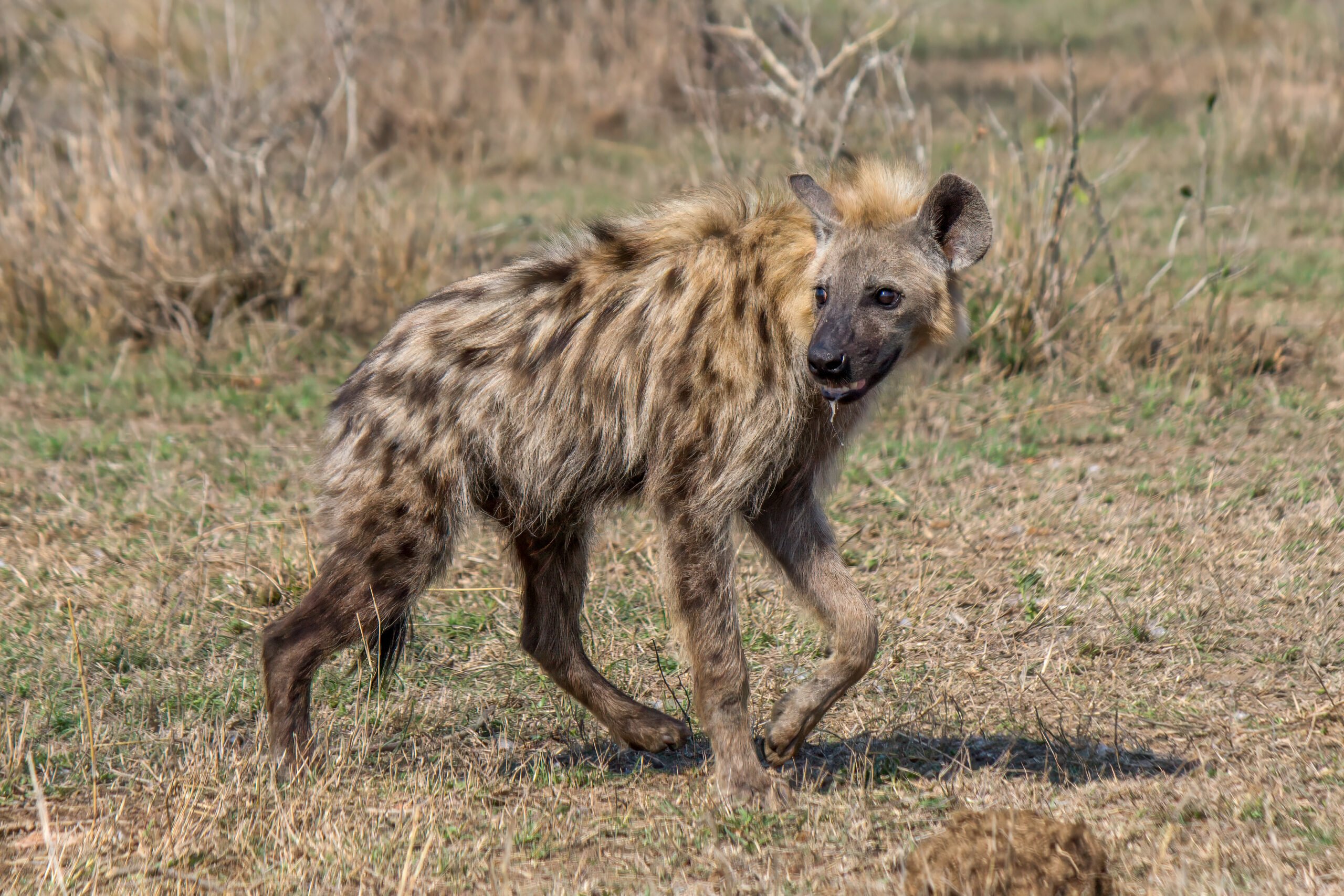
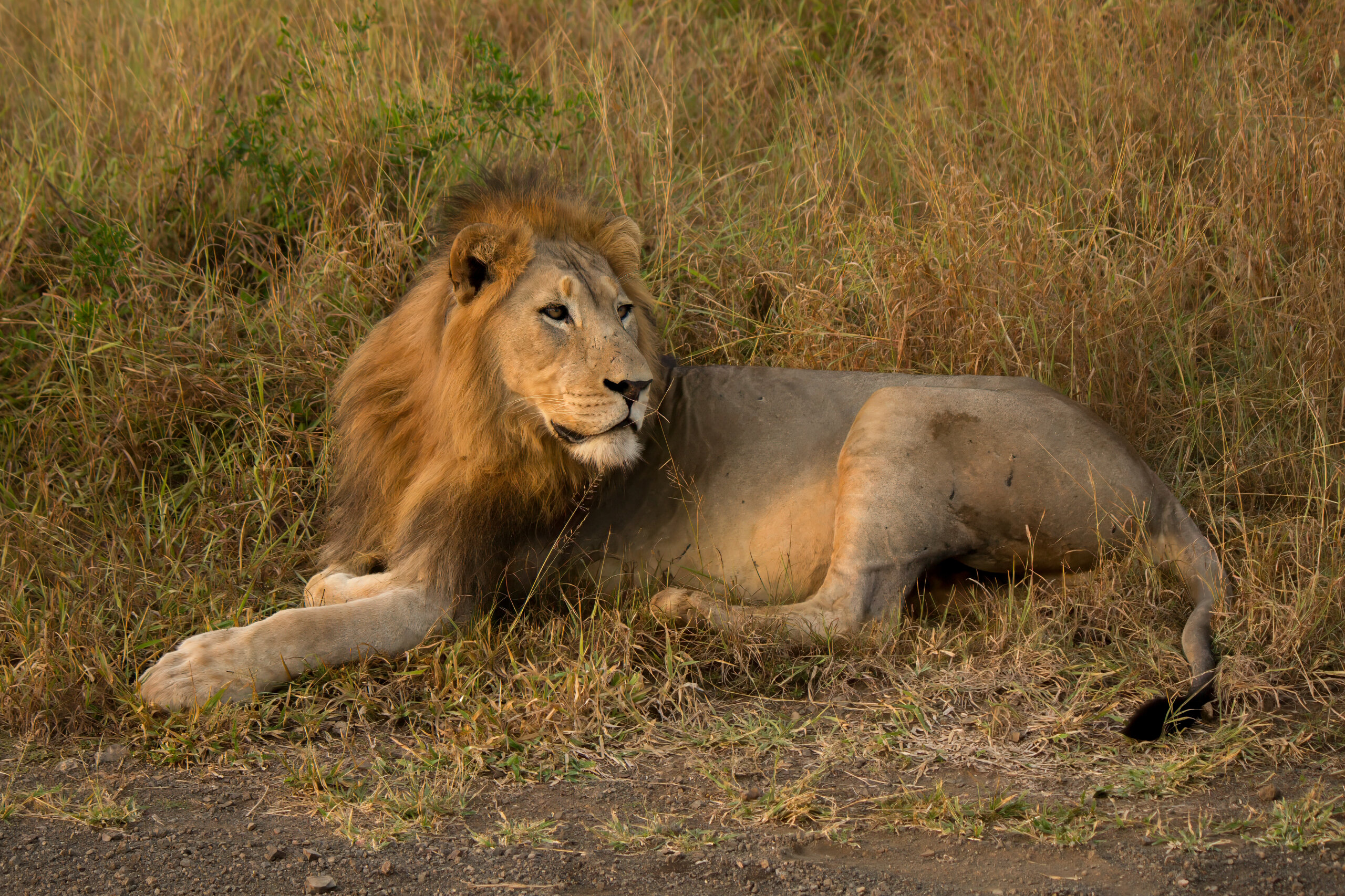
Five-minute GPS tracking of African lions (Panthera leo) and spotted hyenas (Crocuta crocuta) in Namibia and Botswana revealed an asymmetric form of interference competition — direct competition in which the presence or actions of one species change the behaviour and access to resources of another. Spotted hyenas repeatedly adjusted their movements away from lions, whereas lions did not show a corresponding population-wide retreat.
The researchers tracked 17 adult lions and 14 adult spotted hyenas in Etosha National Park and the Chobe–Linyanti system. For 23 dyads — pairs of animals with genuine simultaneous five-minute GPS fixes — including ten lion–hyena dyads, they used a relative-motion analysis to classify each movement as towards, away from or roughly orthogonal to the other animal.
Hyenas showed repeated reactive retreat
The retreat signal was supported in several complementary analyses. Four of the ten hyena-focused interspecific dyad analyses showed a clear retreat bias on their own. Across dyads, the pattern was strongest within 5 km: all nine lion–hyena dyads with usable data at that threshold showed more hyena movement away from lions than towards them. At 10 km, eight of ten dyads still showed the same direction of bias. The authors interpret this as reactive avoidance by the subordinate competitor at spatial scales where a direct encounter can carry a cost.
Lion responses were more variable
There was no supported population-wide tendency for lions as a whole to approach hyenas. However, all three interspecific dyads involving collared male lions showed more movement towards than away from hyenas, and direct night observations also recorded male lions actively following hyenas. Because those three dyads represented only two unique male lions, the authors treat this as a directionally consistent tendency rather than a definitive population-level result. Female lions showed no consistent directional response.
Movement data also reflected social organisation
Closely associated lion pairs and satellite-pride members showed coordinated movement at fine spatial scales, consistent with the species’ fission–fusion sociality, in which social groups split and reunite over time. By contrast, the tracked hyena dyads produced no simultaneous fixes below 1 km, a pattern consistent with largely exclusive clan territories in the sampled populations.
Together, the results show that lion–hyena coexistence is not simply based on avoiding the same areas at broad scales. Spotted hyenas can make moment-to-moment directional adjustments in response to nearby lions, while lion responses vary with sex and social context. The study does not establish how strongly these short-term movement decisions affect survival or reproduction, but it demonstrates one behavioural mechanism by which two dominant African carnivores share the same landscapes.
Behaviour
Related news
Food Leaves Its Mark on the Gut Bacteria of Kruger’s Wildlife
Gut bacteria in nine mammal species from Kruger National Park followed clear patterns linked to food and digestion.…
Read story →
Livestock conflict with large carnivores is widespread across Queen Elizabeth National Park
Researchers documented 139 confirmed livestock-depredation events involving lions, leopards and spotted hyenas across 11 communities in Queen Elizabeth…
Read story →
Livestock Losses Varied Strongly Among Households and Carnivores in Ethiopia’s Omo Valley
In a survey of 147 households near Omo National Park, 36.1% reported losing livestock to carnivores during the…
Read story →SPECIES IN THIS STORY
Species in this story
Independent research and conservation news archive
Did you find this information useful?
Wildlife Vagabond is independently built and maintained. Voluntary support helps cover source verification, hosting and continued work on research and conservation news.
Support Wildlife VagabondThe news archive will remain freely available.