
Genome Assemblies for 39 Reptile Species Released, Including a Tropical House Gecko From Ethiopia
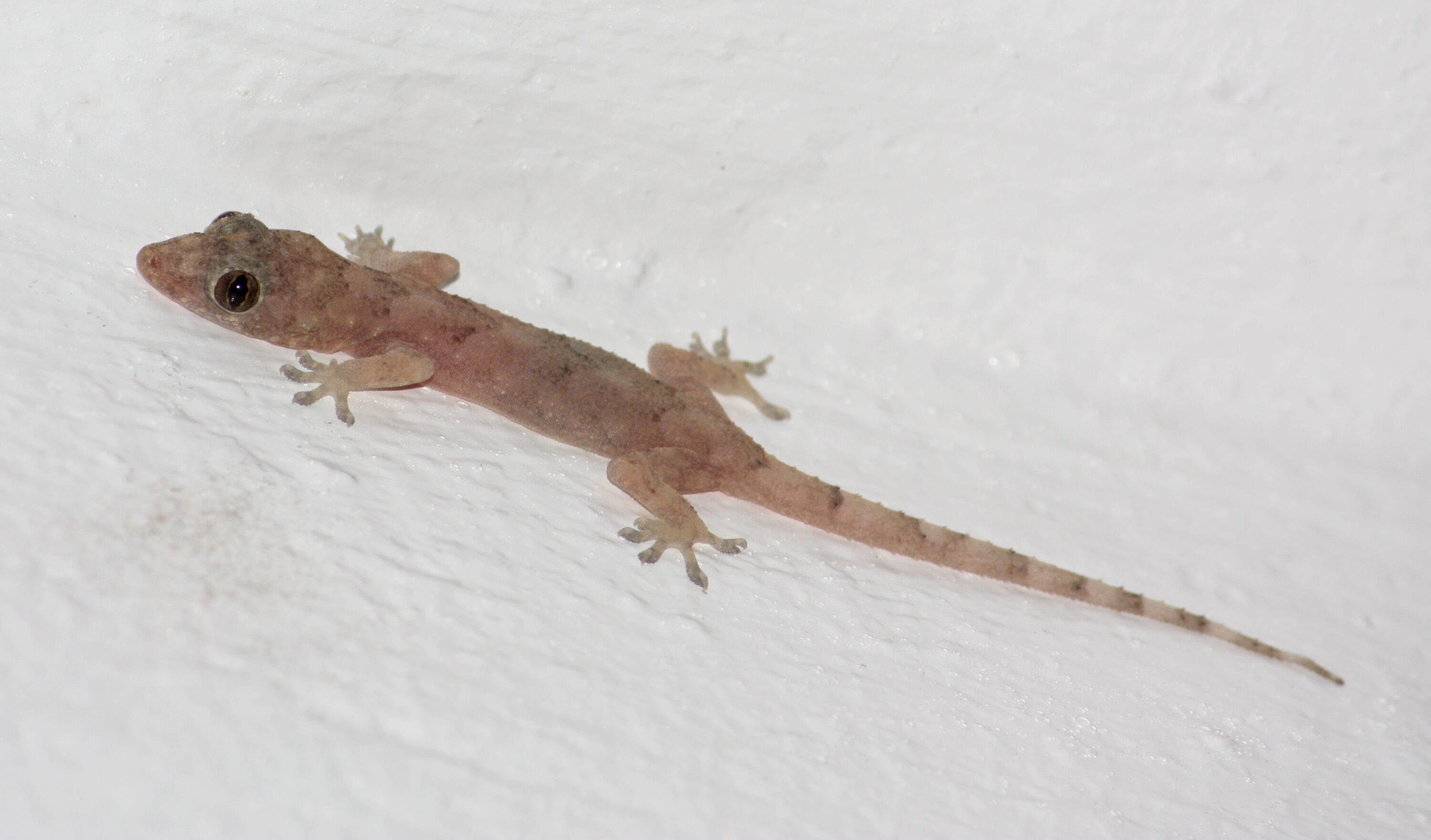
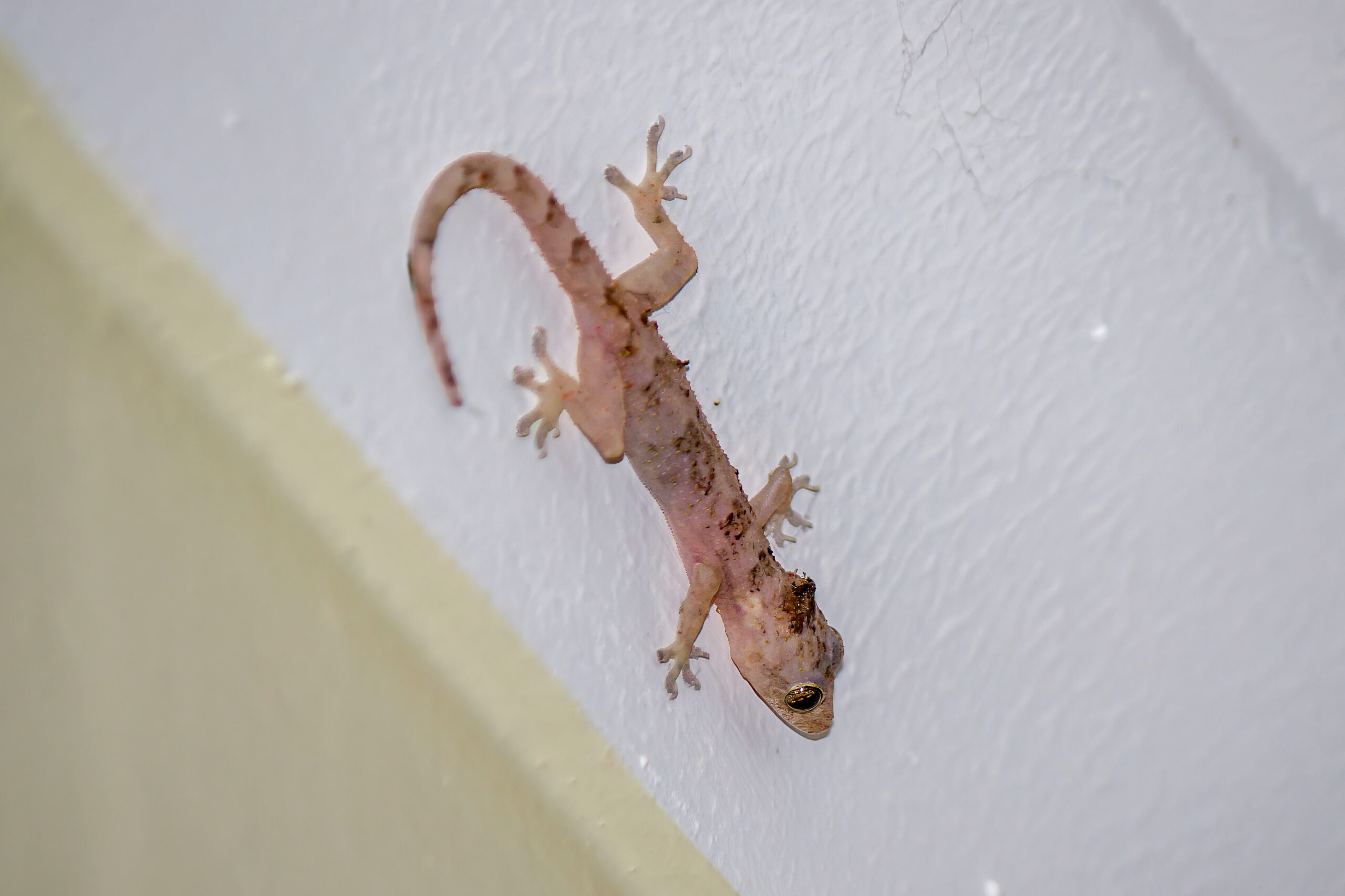
A genomic resource paper published on 13 August 2026 released genome assemblies for 39 reptile species, including the tropical house gecko (Hemidactylus mabouia). The sequences and underlying data were deposited in public GenBank databases.
The tropical house gecko sample came from a single wild-collected individual from Ethiopia. Researchers extracted DNA from tissue and used paired-end Illumina sequencing before assembling the reads into longer genomic sequences. The whole-genome shotgun project is deposited under accession JBZFWZ000000000, with the assembly registered as GCA_058545105.1.
NCBI lists the tropical house gecko assembly at scaffold level. This means the sequence has been assembled into larger stretches of DNA, but not into complete chromosome-length sequences. The distinction matters because the paper describes the 39 datasets as complete genome sequences, while the public assembly record shows the actual resolution available for this species.
The paper is primarily a genomic-resource publication rather than a study testing a specific ecological, behavioural or population-genetic hypothesis. Its 2026 contribution is the public release of genomic data from 39 reptiles collected in Ethiopia, Guyana, Mexico and the United States, creating sequence resources that can be reused in later comparative and species-focused research.
Genetics & genomics
Related news
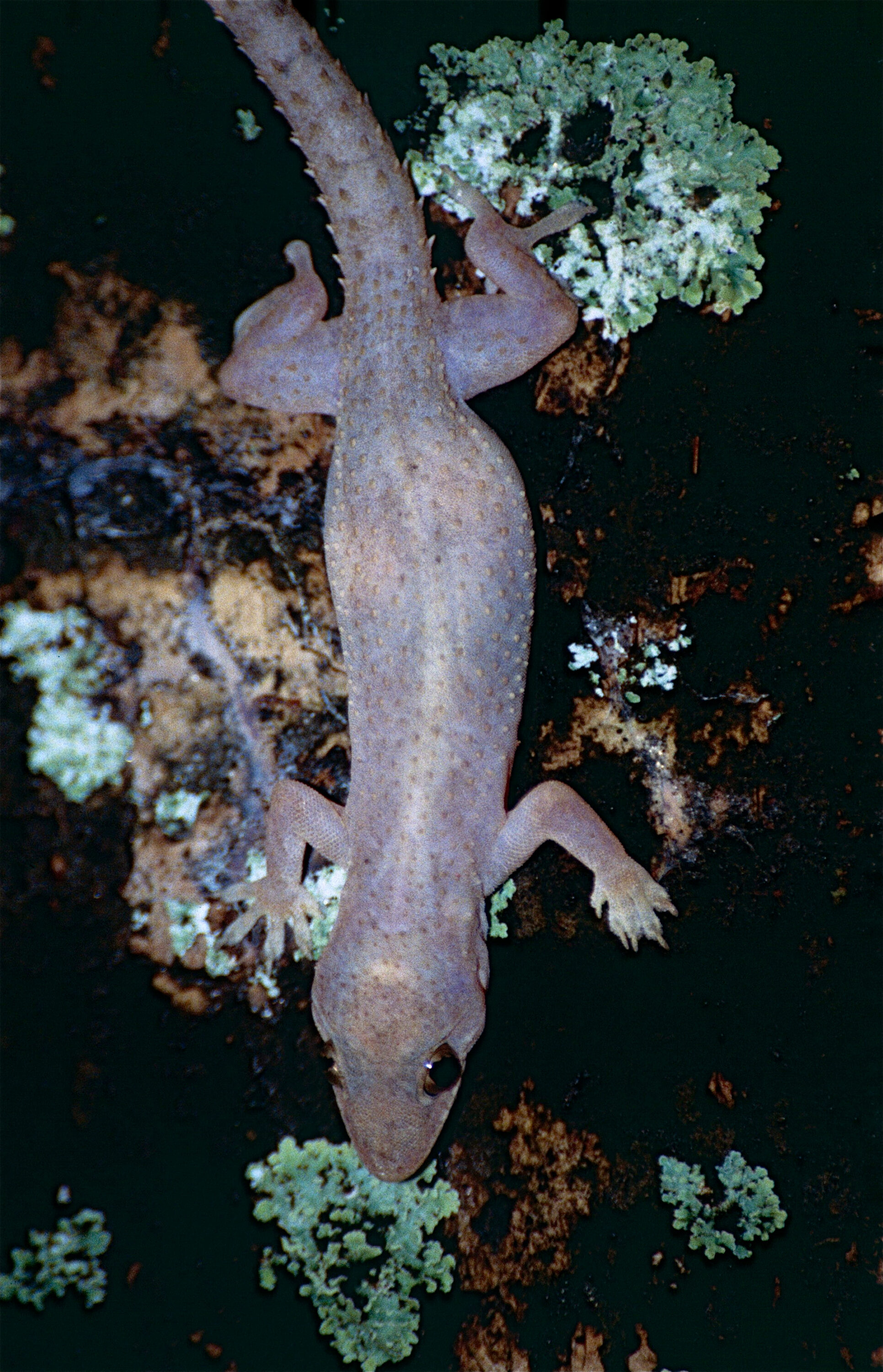
Endoparasites Infected 71.2% of Tropical House Geckos in Western Pará
In western Pará, Brazil, researchers found internal parasites in 71.2% of 156 wild Tropical House Geckos. Larger geckos…
Read story →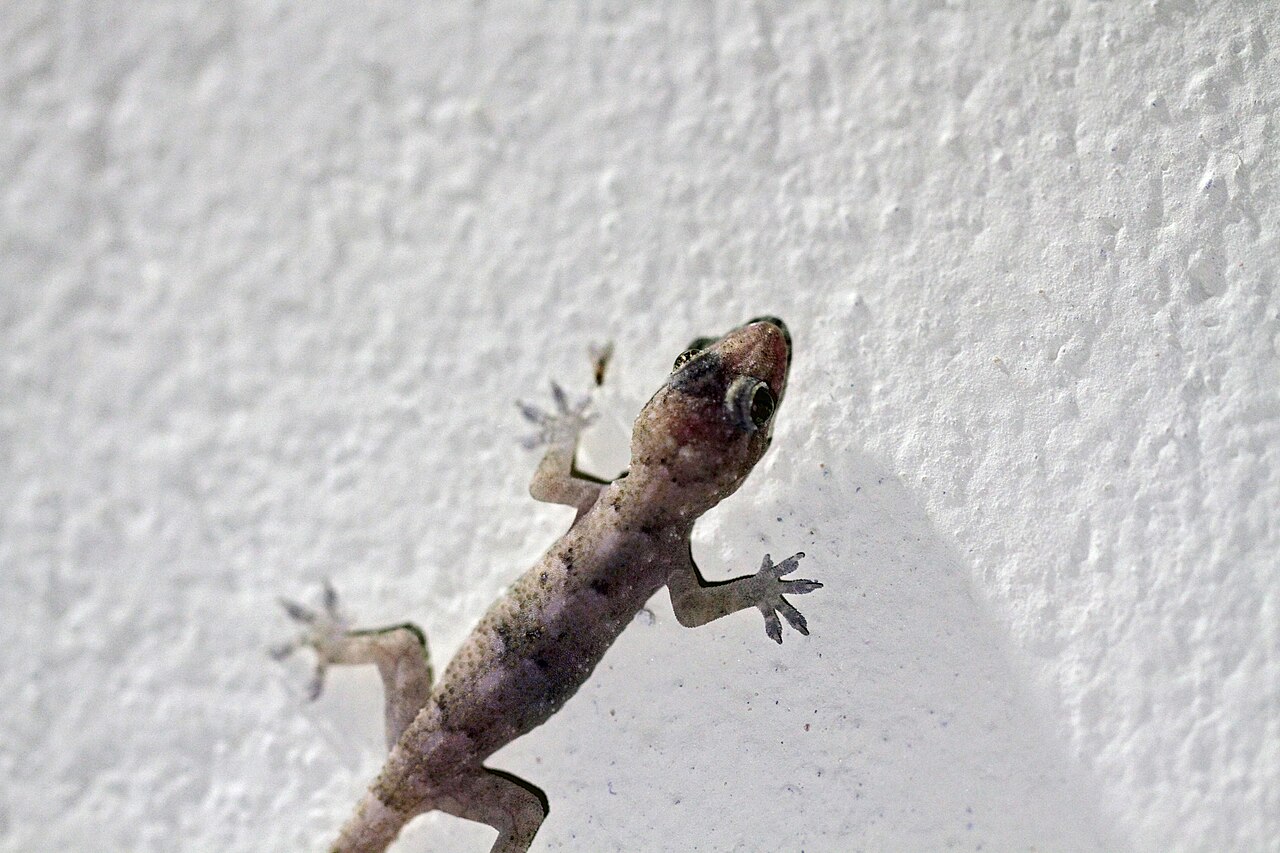
Citizen Science Expanded the Known Range of Tropical House Geckos in Argentina
Validated photographs expanded the introduced tropical house gecko’s known presence from seven to 12 Argentine jurisdictions; the southernmost…
Read story →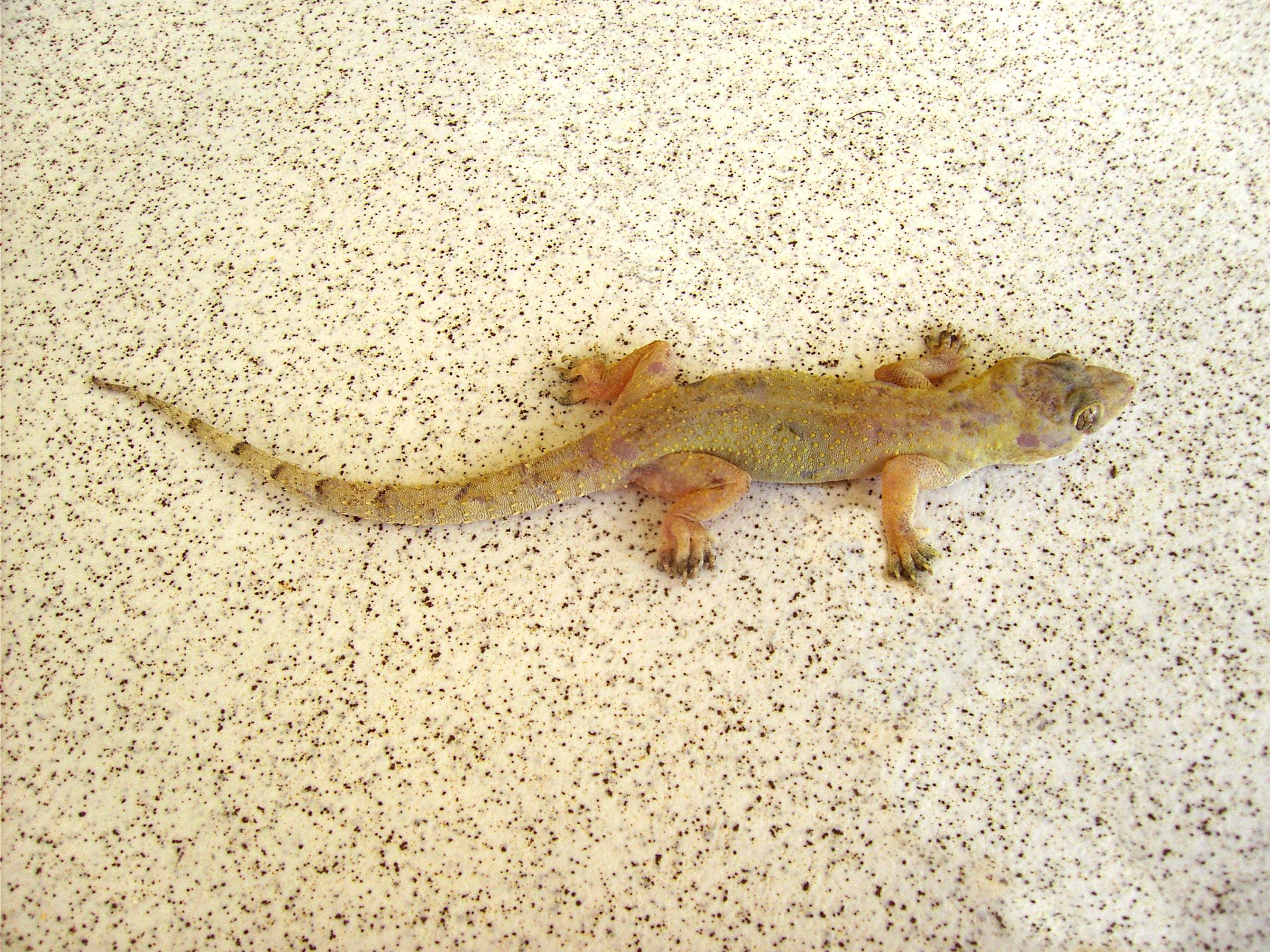
Tropical House Gecko May Already Be Displacing a Native Gecko on Curaçao
Trait and count data from three native and three introduced gecko species on Curaçao pointed to possible displacement…
Read story →SPECIES IN THIS STORY
Species in this story
Independent research and conservation news archive
Did you find this information useful?
Wildlife Vagabond is independently built and maintained. Voluntary support helps cover source verification, hosting and continued work on research and conservation news.
Support Wildlife VagabondThe news archive will remain freely available.