
Turkey Vulture Tongue Anatomy Was Consistent With Rapid Carrion Handling
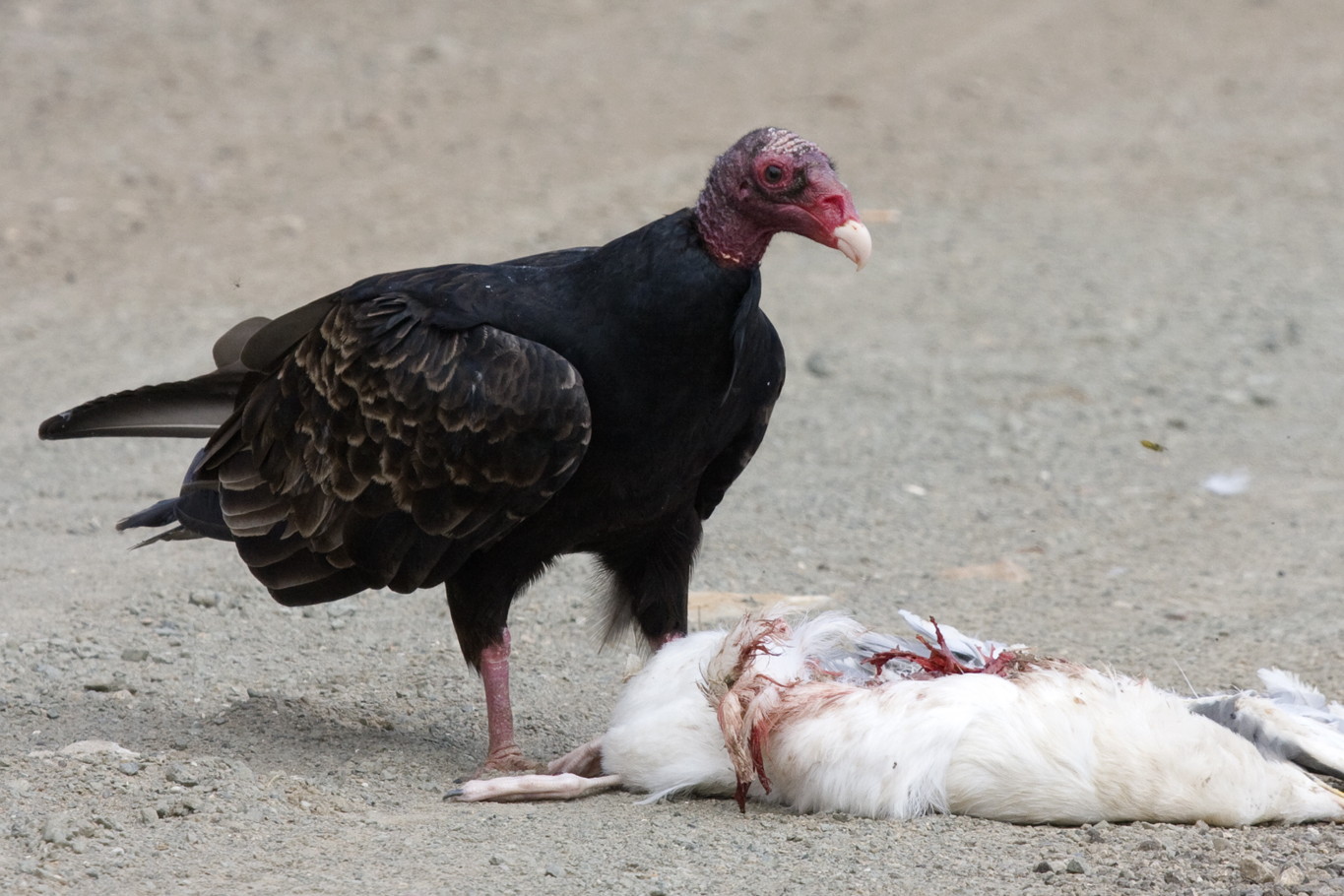
A detailed anatomical study of the tongue and glottis of the turkey vulture (Cathartes aura) found a short, non-protrusible and concave tongue with backward-directed mechanical papillae and extensive mucus-producing salivary glands. The authors interpret this combination as suited to retaining soft carrion and moving it rapidly toward the throat.
The study examined four adult birds — three males and one female — obtained from Belém International Airport in Pará, Brazil. Researchers studied the tongue and surrounding structures through gross anatomy, light microscopy and scanning electron microscopy.
Backward-pointing papillae formed a mechanical guide for food
The tongue averaged about 2.3 cm long and could not extend beyond the bill. It was firmly supported by an articulated Y-shaped hyobranchial apparatus, the set of bones that supports and moves the tongue in birds.
Mechanical papillae lined the sides of the tongue. Near the tip they were pointed and directed inward and backward, while farther toward the root they became rounder. These papillae are physical projections rather than taste structures. The authors interpret their orientation as helping prevent soft food from slipping forward and guiding it toward the back of the mouth during swallowing.
The tongue also contained cartilage, spongy bone, blood vessels, nerves and muscle bundles running in several directions. Together these structures provide support and allow controlled movement even though the tongue itself has limited protrusion.
Mucus-producing glands were concentrated toward the rear
Numerous mucus-producing salivary glands occurred in the body and especially the root of the tongue, as well as around the glottis and laryngeal mound. The glottis is the opening into the larynx and respiratory tract at the back of the mouth.
Histochemical staining showed that the glands produced mucus, and scanning electron microscopy revealed many duct openings on the tongue root and around the glottis. Mucus can lubricate food and reduce friction as soft tissue is moved toward the throat.
No taste buds were observed in the tissue sections examined. This finding does not by itself demonstrate that turkey vultures have no gustatory capacity anywhere in the oral cavity. The authors nevertheless suggest that mechanical handling, smell, food availability and competition may be more important to feeding than elaborate tongue-based taste structures.
Rapid carrion handling is a functional interpretation of the anatomy
The study did not measure swallowing speed or experimentally compare feeding performance with other scavengers. Its main evidence is anatomical. The authors propose that the concave tongue, caudally directed papillae, strong support and abundant salivary secretion together form a system well suited to moving soft carrion quickly toward the oesophagus.
They further suggest that rapid processing of accessible tissue could reduce the time a turkey vulture must remain at a carcass when competing with larger or more aggressive scavengers. That ecological benefit is a morphofunctional interpretation of the observed structures rather than a directly measured behavioural effect.
Anatomy & morphology
Related news
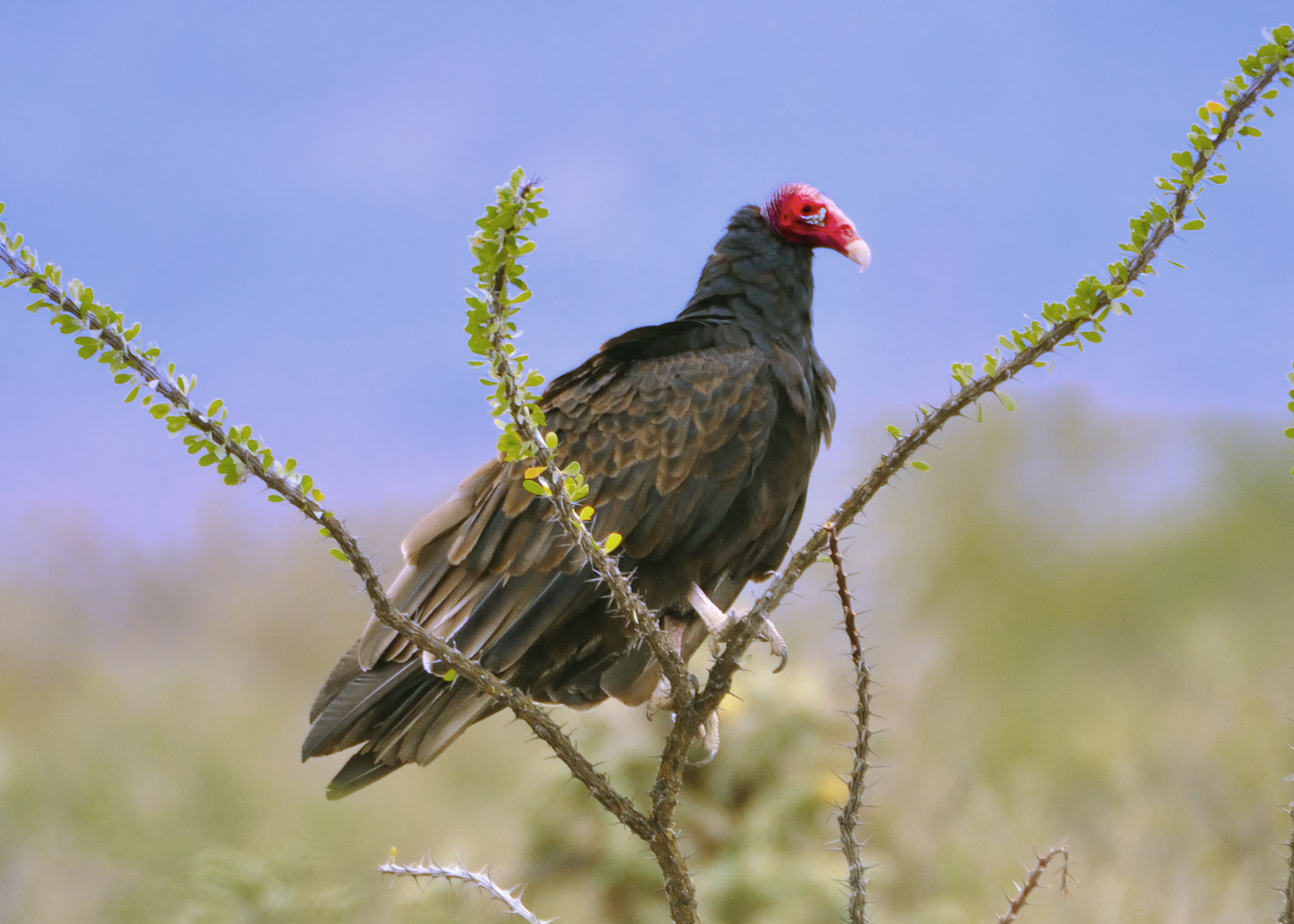
Turkey and Black Vultures Were Found Up to 3,000 Metres in Chiapas but Were Most Common in the Lowlands
A 2026 study from Chiapas found turkey and black vultures across all three surveyed elevation bands up to…
Read story →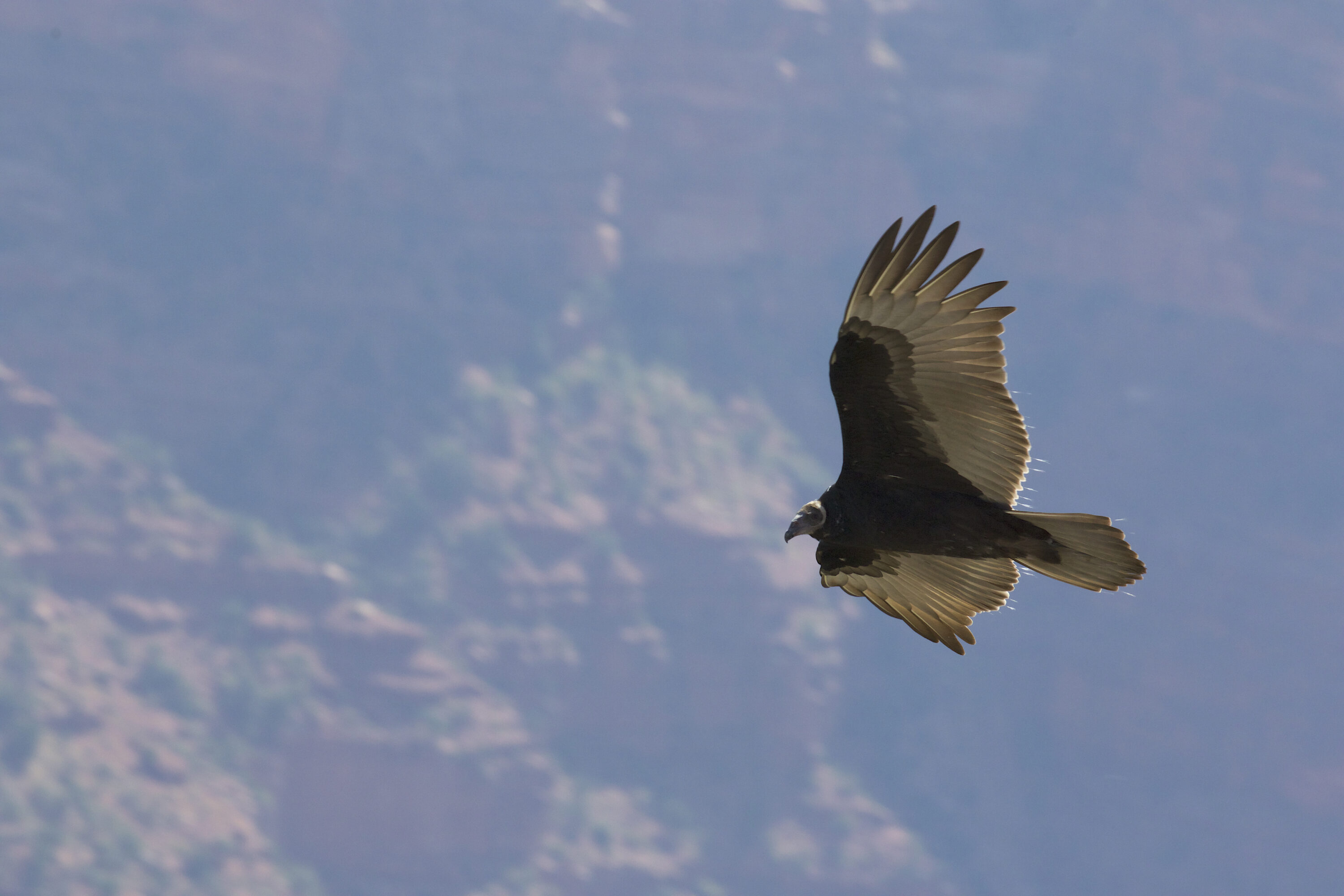
Remote Camera Provided First Direct Video Documentation of a Coyote Taking a Turkey Vulture Nestling
A remote camera in Armstrong County, Texas, recorded a coyote carrying one turkey vulture nestling from a nest…
Read story →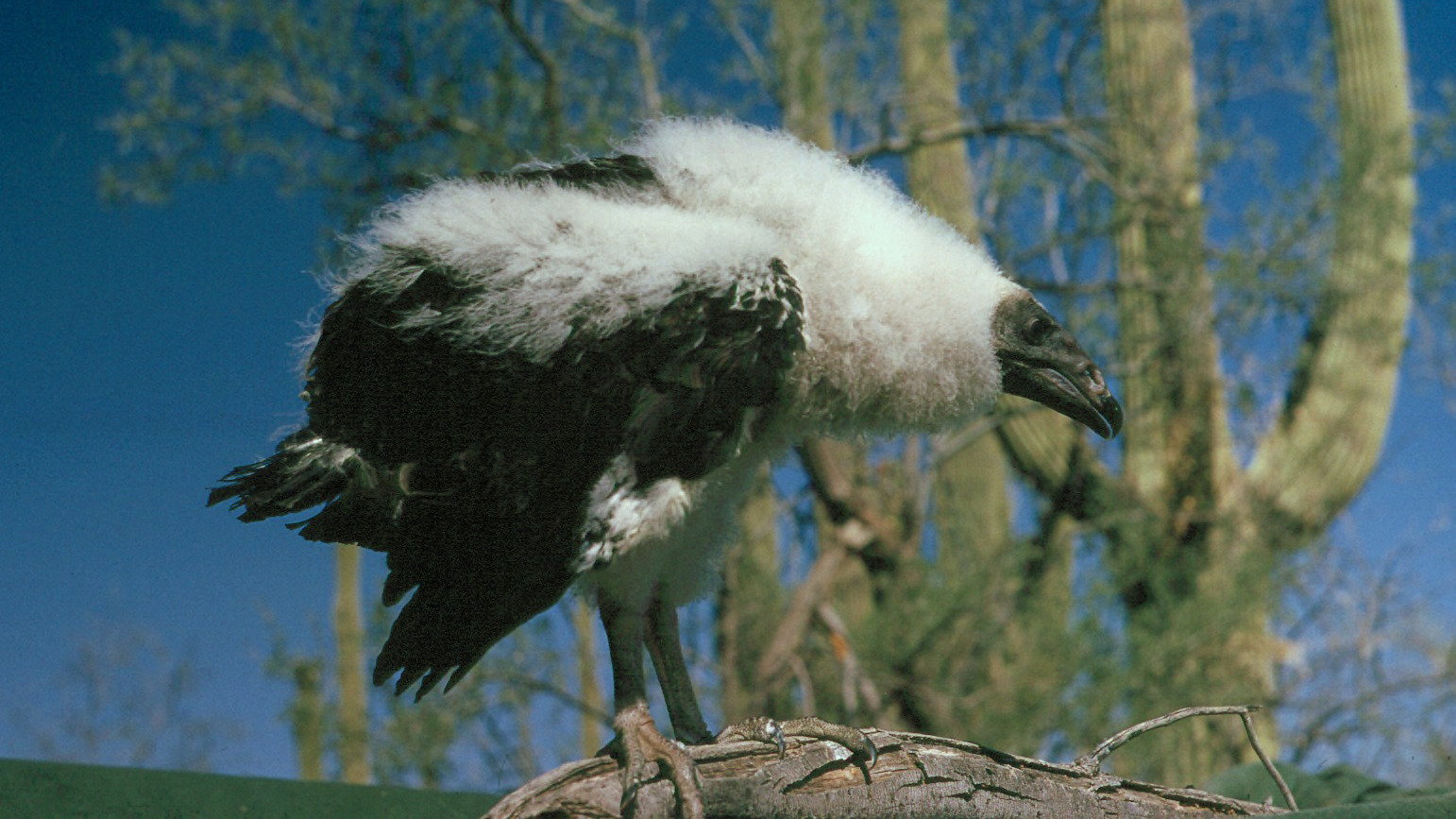
Fourteen years of nesting data show how spring weather shapes turkey vulture breeding in Saskatchewan
A 2026 study of 833 turkey vulture nesting attempts over 14 summers in Saskatchewan found later breeding at…
Read story →SPECIES IN THIS STORY
Species in this story
Independent research and conservation news archive
Did you find this information useful?
Wildlife Vagabond is independently built and maintained. Voluntary support helps cover source verification, hosting and continued work on research and conservation news.
Support Wildlife VagabondThe news archive will remain freely available.