
Urban Black-Headed Gulls Distinguished Different Human Threats
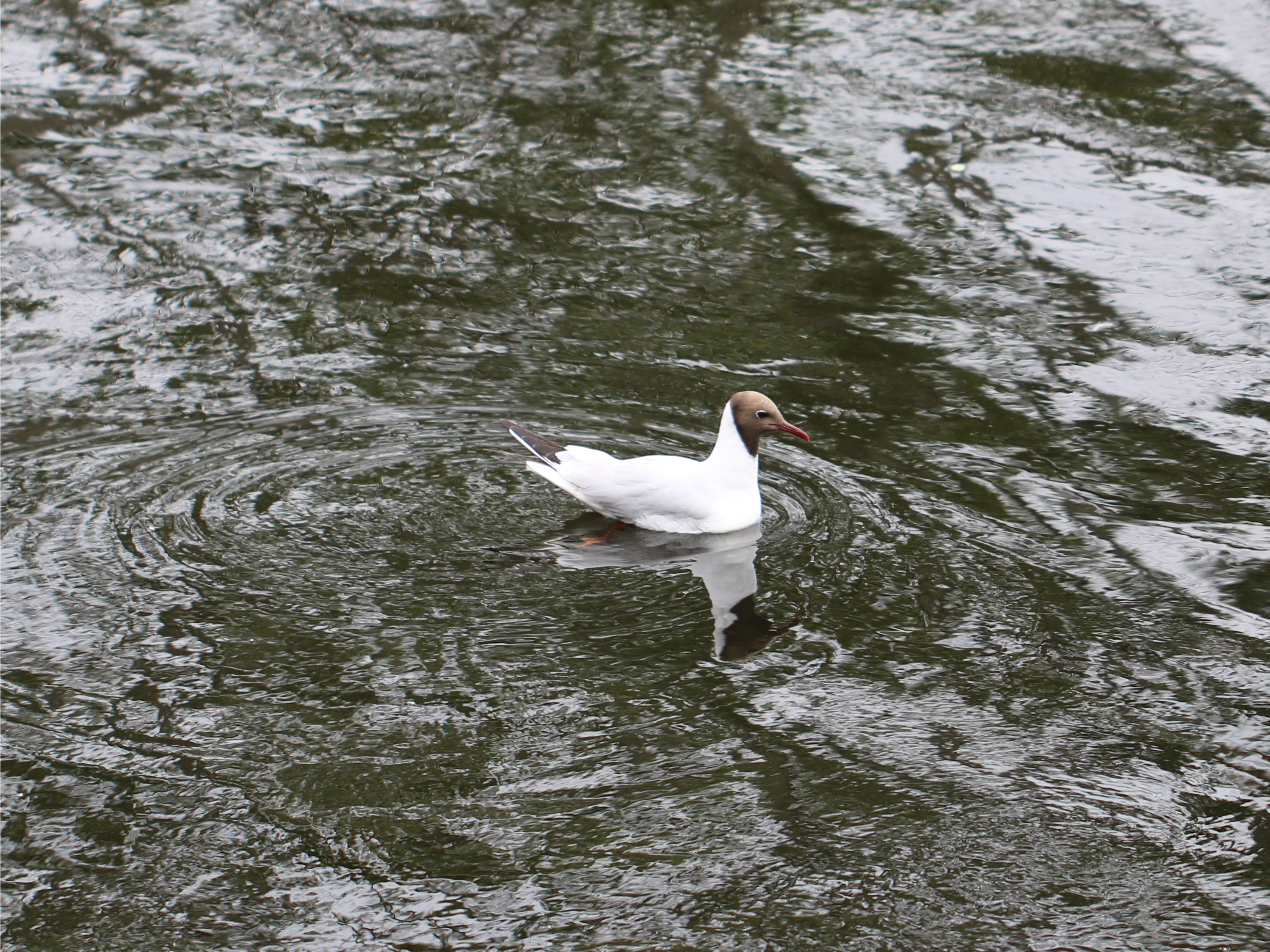
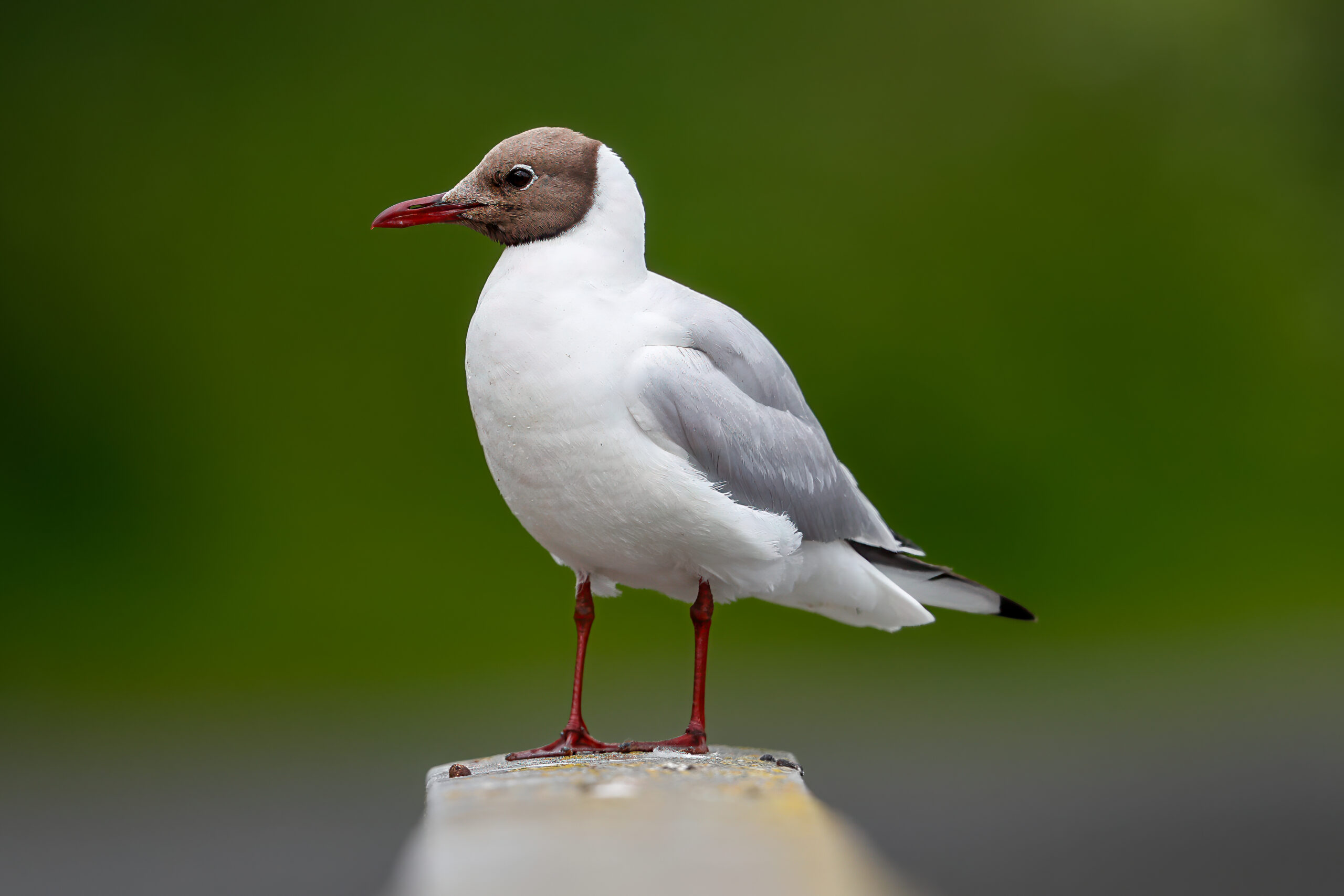
Urban black-headed gulls (Chroicocephalus ridibundus) in Kunming, China, used different flight-initiation distances when people approached them in different ways. Flight-initiation distance is the distance at which a bird takes flight from an approaching potential threat. The study compared walking barehanded, walking with handheld objects and approaching in a boat, and was published online on 7 March 2026.
The experiments were carried out at Cuihu Park in December 2022. The combined dataset contained 762 flight-initiation-distance observations. Of these, 432 were newly collected for barehanded approaches in red or black clothing and for an approach in an open pedal boat; another 330 observations, from the researchers’ earlier study, covered a barehanded person, a person carrying a stick and a person carrying a popgun.
Gulls distinguished among different human approaches
Flight-initiation distance differed significantly among the human-activity modes. The birds therefore did not respond to all approaching people in the same way. In the boat comparison, gulls moved away at a greater distance from a person approaching in an open pedal boat than from a person walking on shore, contrary to the researchers’ prediction that the boat would be tolerated more closely.
The birds assessed the human–tool context
The authors interpret the differences as evidence that black-headed gulls can make fine-scale assessments of human activities and of the combined human–tool context. They also emphasize that local learning history and environmental conditions can shape such responses, so the measured distances should be understood as responses from this urban population rather than as a fixed species-wide threshold.
Behaviour
Related news
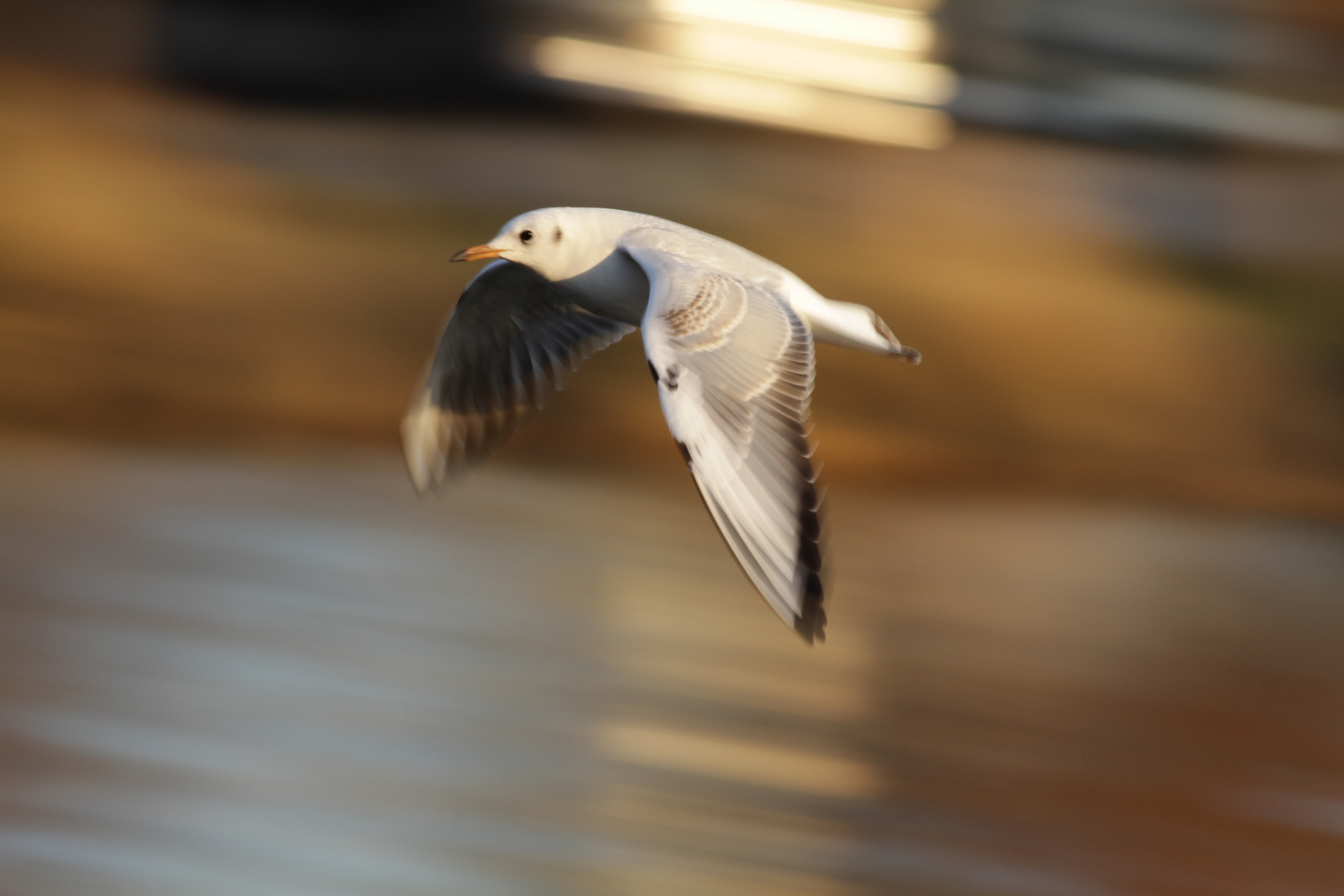
GPS-Based Models Highlighted the Lower Sumida as a Key Black-headed Gull Corridor in Tokyo
GPS tracking showed that black-headed gulls followed different river features at different movement scales in Tokyo, while GPS-based…
Read story →
Black-headed Gull Sample Yielded the Longest Known Calicivirus Genome
A Hungarian black-headed gull faecal sample yielded an 8,845-nucleotide avian calicivirus genome with unusual RNA structures and enough…
Read story →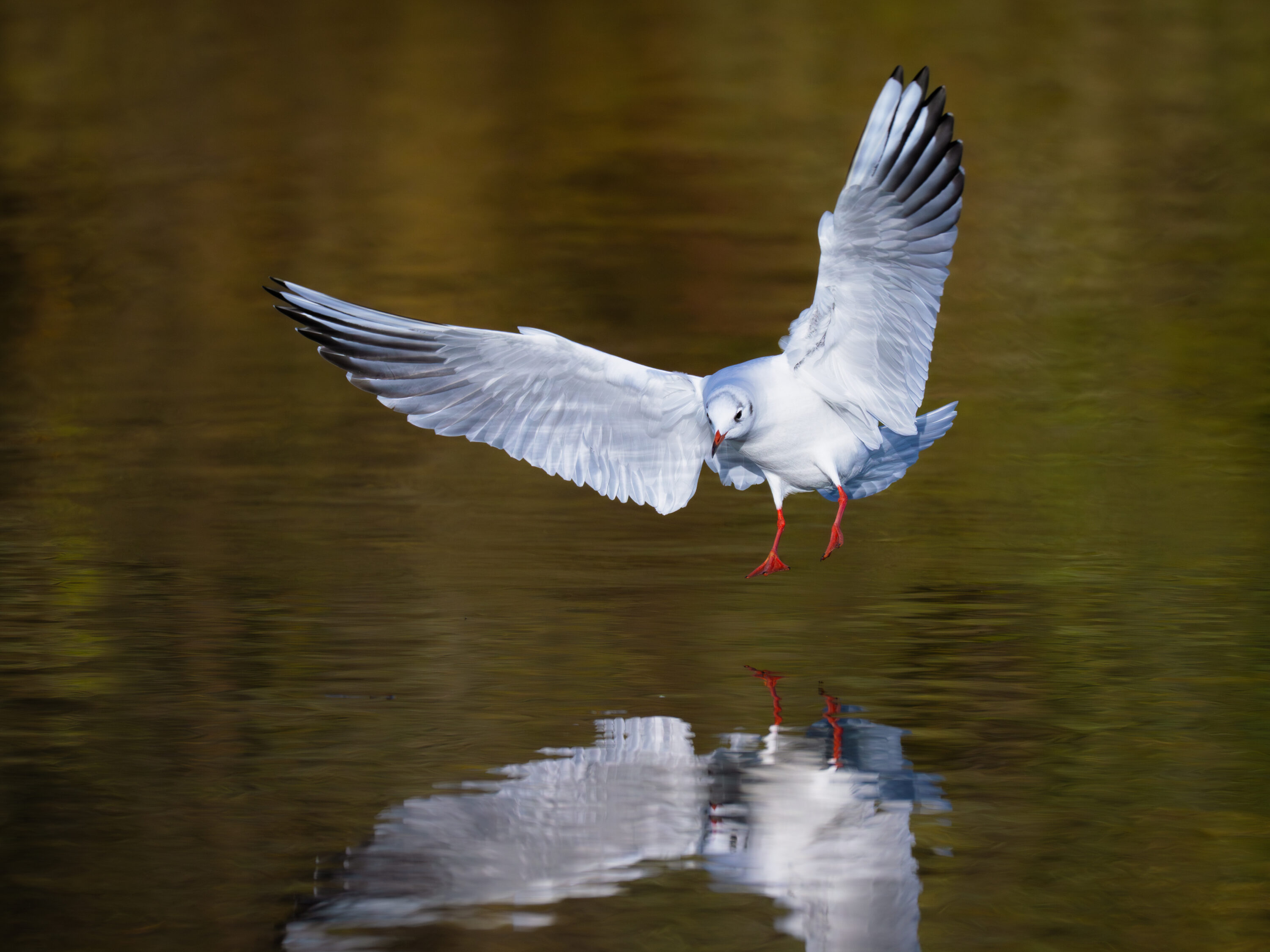
New Papillomavirus Genome Identified in Black-headed Gull Faeces in China
Researchers identified the 7,794-base-pair CrPV1 genome in faecal samples from black-headed gulls in Sichuan and found it genetically…
Read story →SPECIES IN THIS STORY
Species in this story
Independent research and conservation news archive
Did you find this information useful?
Wildlife Vagabond is independently built and maintained. Voluntary support helps cover source verification, hosting and continued work on research and conservation news.
Support Wildlife VagabondThe news archive will remain freely available.