
Urban-Origin Great Tits Retained Smaller Black Ties in a Shared Rearing Environment
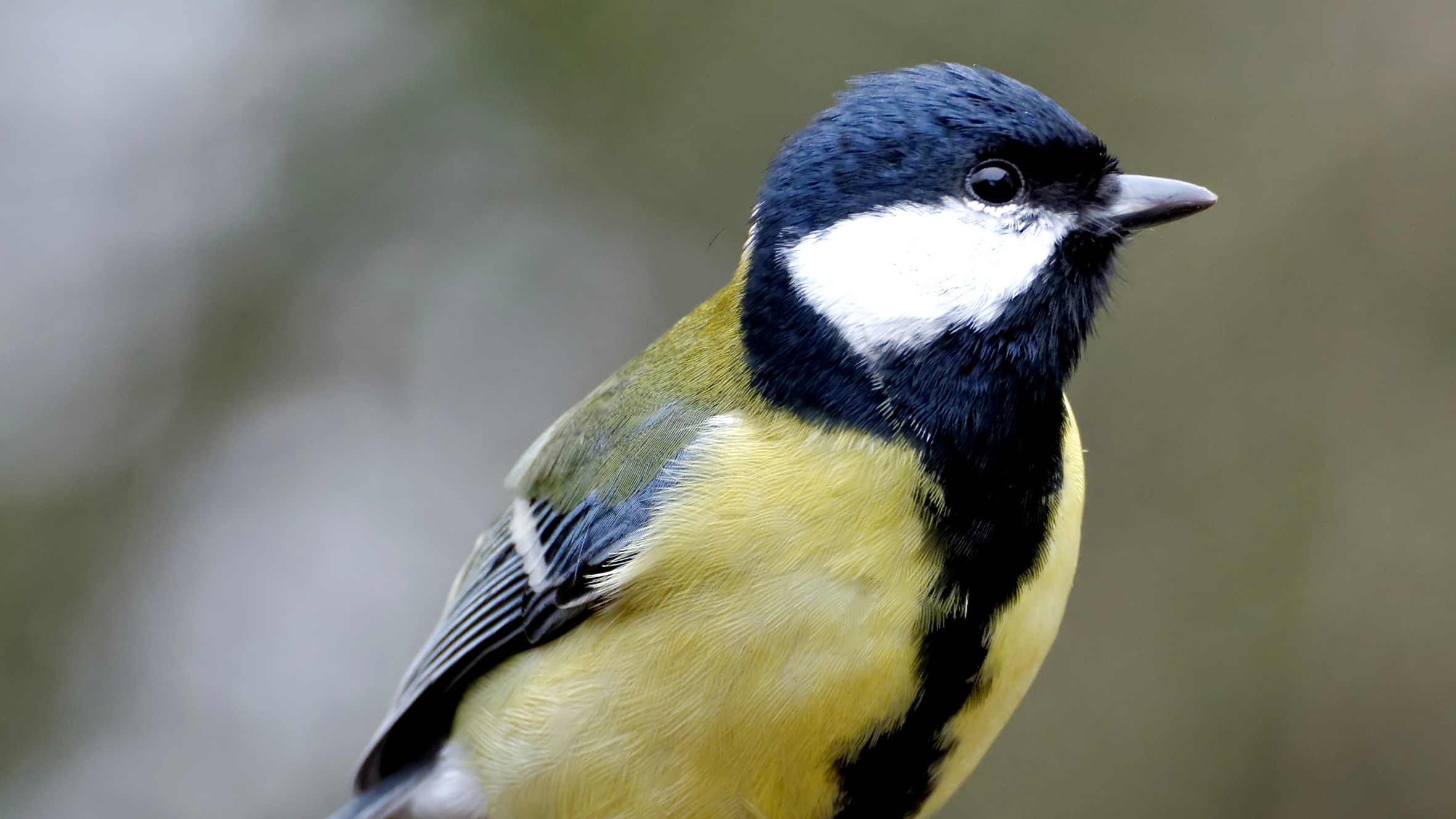
Great tits of urban origin retained some of their distinctive plumage differences even when raised from unincubated eggs in the same environment as forest birds. The common-garden experiment, published in Evolution on 8 May 2026, indicates that city–forest differences in the yellow breast and black central stripe do not all arise in the same way.
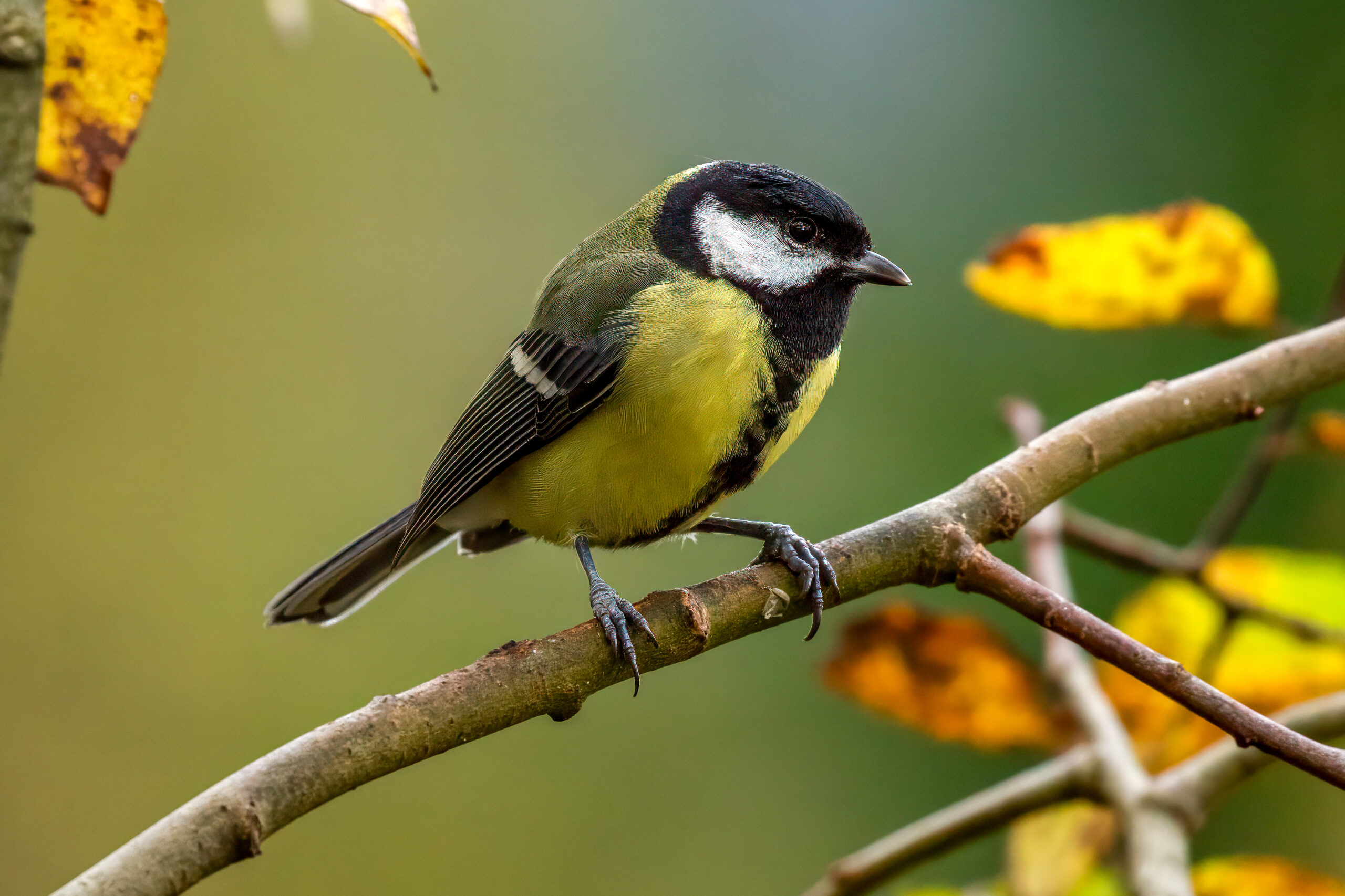
Colour patterns are communication signals. In great tits, the yellow breast is coloured by carotenoids obtained through food, while the black head and vertical “tie” on the underside contain melanin. These ornaments can influence how birds assess potential mates and rivals. Urban populations of several bird species are often less intensely coloured than populations in more natural habitats, but observations in the wild cannot by themselves show whether this comes from the immediate environment or from differences already present before the feathers develop.
Lisa Sandmeyer and colleagues studied great tits (Parus major) in Montpellier and the nearby La Rouvière oak forest in southern France. The field comparison used measurements collected from 2016 to 2024. Urban males had smaller black breast stripes than forest males, and the stripe became smaller along a gradient of increasing urbanisation within the city habitat.
Two differences persisted in a common environment
For the common-garden experiment in 2022, the researchers collected 90 unincubated eggs from the urban and forest populations. The eggs were placed in wild foster nests at Montpellier Zoo. At ten days old, the chicks were moved to the zoo nursery for hand-rearing under shared conditions. If a colour difference disappears in a shared environment, current differences in food, pollution, habitat or other external conditions are likely to be important. If it persists, the pattern points instead towards genetic divergence or effects that mothers place into eggs before incubation.
Birds of urban origin still developed less chromatically saturated yellow breasts than birds of forest origin. In other words, the yellow was less pure and intense relative to the rest of the reflected light. They also retained smaller black ties. The shared rearing environment therefore did not erase these two differences. The authors identify genetic change or early maternal investment in the egg as the main candidate explanations for the divergence in carotenoid saturation and melanin-patch size. Because the eggs already contained whatever mothers had deposited before collection, the experiment cannot separate those prenatal maternal effects from genetic differences.
Other colour traits were more environmentally flexible
Other aspects of colour responded differently. Birds from the two origins did not differ in yellow brightness or ultraviolet chroma after being raised in the common environment. Ultraviolet chroma describes how much of the reflected light falls in the ultraviolet part of the spectrum, which birds can see. Those traits therefore appear to be shaped more strongly by environmental conditions than the saturation of the yellow colour or the size of the black stripe.
Evolution & taxonomy
Related news
mFISH Mapped 16 of 22 Rhesus Macaque Chromosome Types to a Single Human Chromosome
Human chromosome-painting probes showed one-to-one homology for 16 of 22 rhesus macaque chromosome types, while three macaque chromosomes…
Read story →
New nematode species described from black-crowned night herons in Israel
Fourteen adult nematodes collected from the stomach lining of three black-crowned night herons in Israel led to the…
Read story →
Seven Wild White-faced × Fulvous Whistling-Duck Hybrids Documented in Brazil and Argentina
A 2026 short communication assembled seven wild apparent White-faced × Fulvous Whistling-Duck hybrid records from Brazil and Argentina.…
Read story →SPECIES IN THIS STORY
Species in this story
Independent research and conservation news archive
Did you find this information useful?
Wildlife Vagabond is independently built and maintained. Voluntary support helps cover source verification, hosting and continued work on research and conservation news.
Support Wildlife VagabondThe news archive will remain freely available.