
Heavy Metals in Village Weaver Tissues Revealed Distinct Pollution Fingerprints Across Benue State
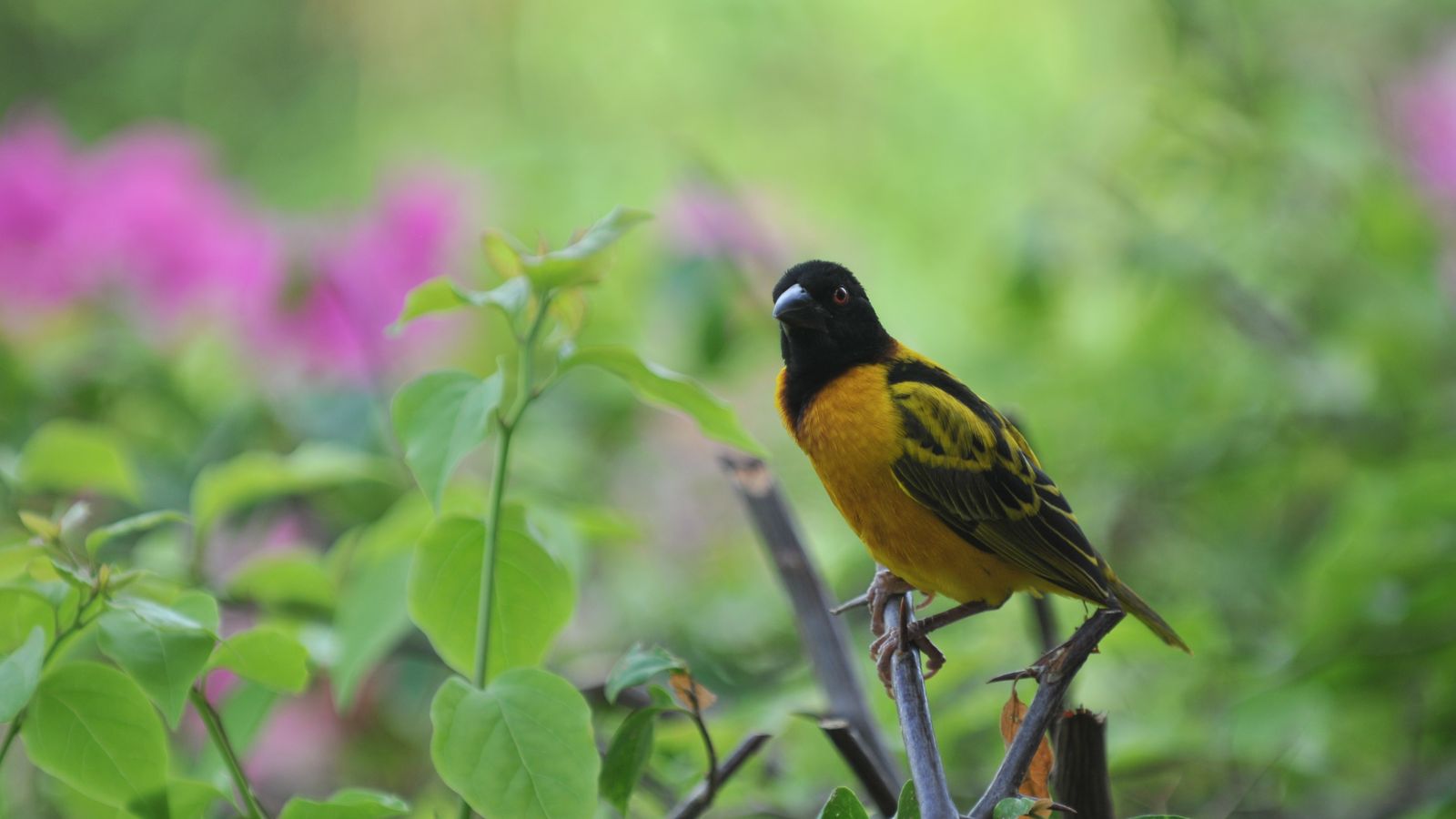
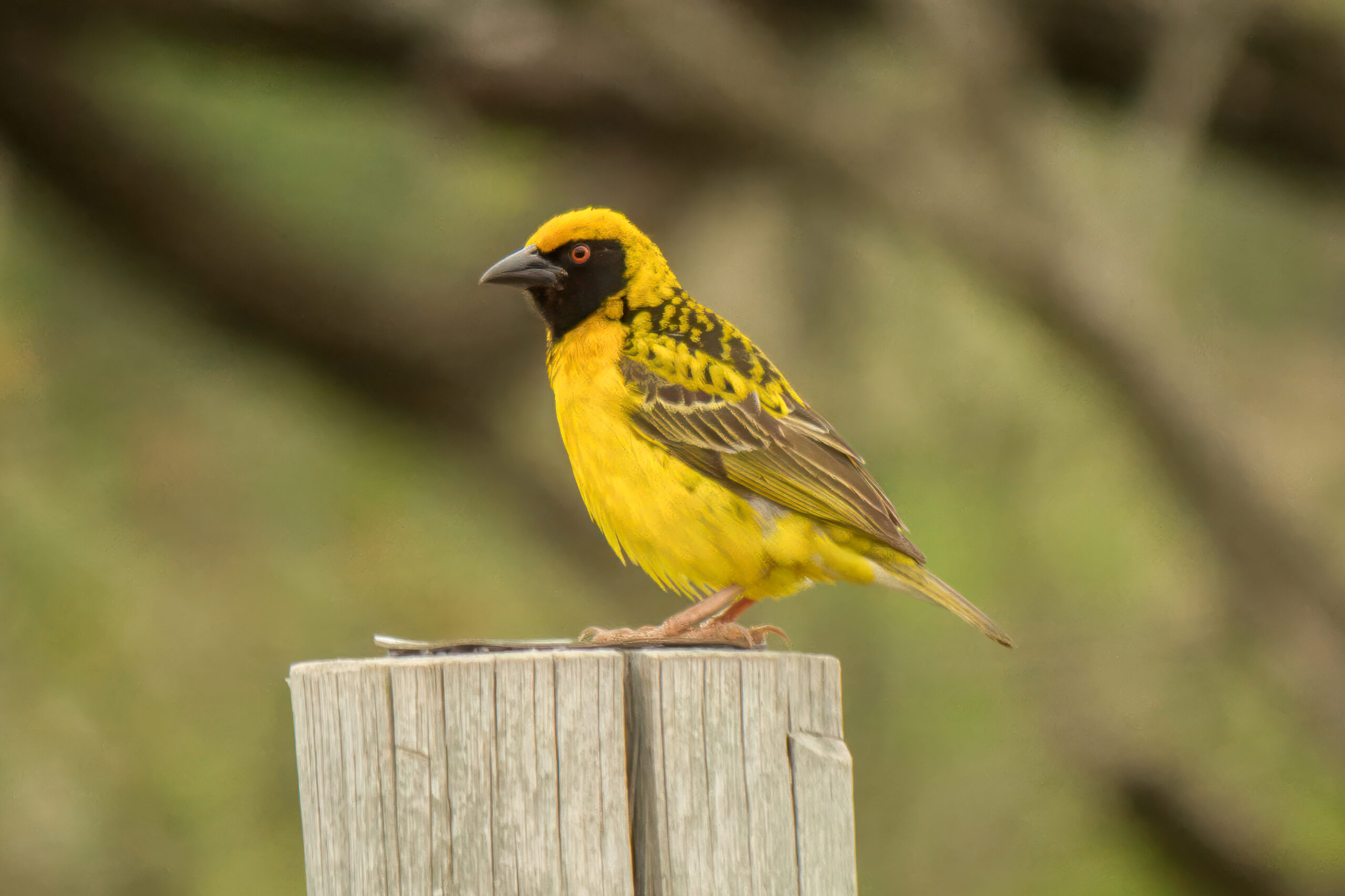
A study of wild village weavers (Ploceus cucullatus) from agricultural areas in Benue State, Nigeria, found that concentrations of six heavy metals differed among tissues and sampling locations. The authors assessed the birds as bioindicators—organisms whose tissues can reflect contamination in the environments where they live. The article was published on 16 April 2026 in the Asian Journal of Research in Agriculture and Forestry.
Researchers trapped village weavers at six sites and analysed liver, kidney, feathers, skin and bone for mercury, lead, arsenic, chromium, cadmium and copper. The birds used for the organ analyses were killed and dissected.
Bone, skin and feathers contained the highest concentrations
The concentrations varied both among organs and among locations. Bone, skin and feathers contained the highest concentrations across the tissue types examined. Mercury was particularly prominent in several of these tissues, with arsenic and lead also contributing to the site-specific profiles.
For example, birds sampled at Gboko had mean mercury concentrations of about 5.24 ppm (parts per million) in bone, 3.68 ppm in feathers and 1.27 ppm in skin. Mean arsenic concentrations at the same site were about 2.46 ppm in bone, 1.83 ppm in feathers and 0.45 ppm in skin. The study reports different concentration patterns at the other sampling locations.
Combined contaminant profiles separated the six sampling sites
The authors also analysed associations among metals and used the combined organ-metal profiles to compare sampling sites. A classification model assigned all eight birds in the test set to the correct sampling locations. The authors interpret this result as evidence that the six sites had distinct combinations of contaminants in this dataset.
Feathers contributed strongly to the differentiation among locations. Although the birds in this study were collected for internal-tissue analysis, feathers themselves can be sampled from live birds without removing internal organs. The authors therefore highlight feathers as a possible material for future non-lethal monitoring of heavy-metal contamination.
Using comparison thresholds for wildlife compiled from earlier literature, the authors classified the highest measured arsenic concentration, 2.47 ppm, and mercury concentration, 5.27 ppm, as high-concern levels. Lead reached 1.296 ppm, above their threshold for elevated exposure but below the value they listed as toxic, while cadmium, chromium and copper remained below the corresponding concern thresholds. These categories are comparisons with published thresholds, not health effects measured directly in the sampled village weavers.
The researchers conclude that village weavers can serve as bioindicators of spatial variation in heavy-metal contamination across agricultural landscapes in Benue State. The study provides tissue-specific baseline measurements for future pollution monitoring in the region.
Threats
Related news
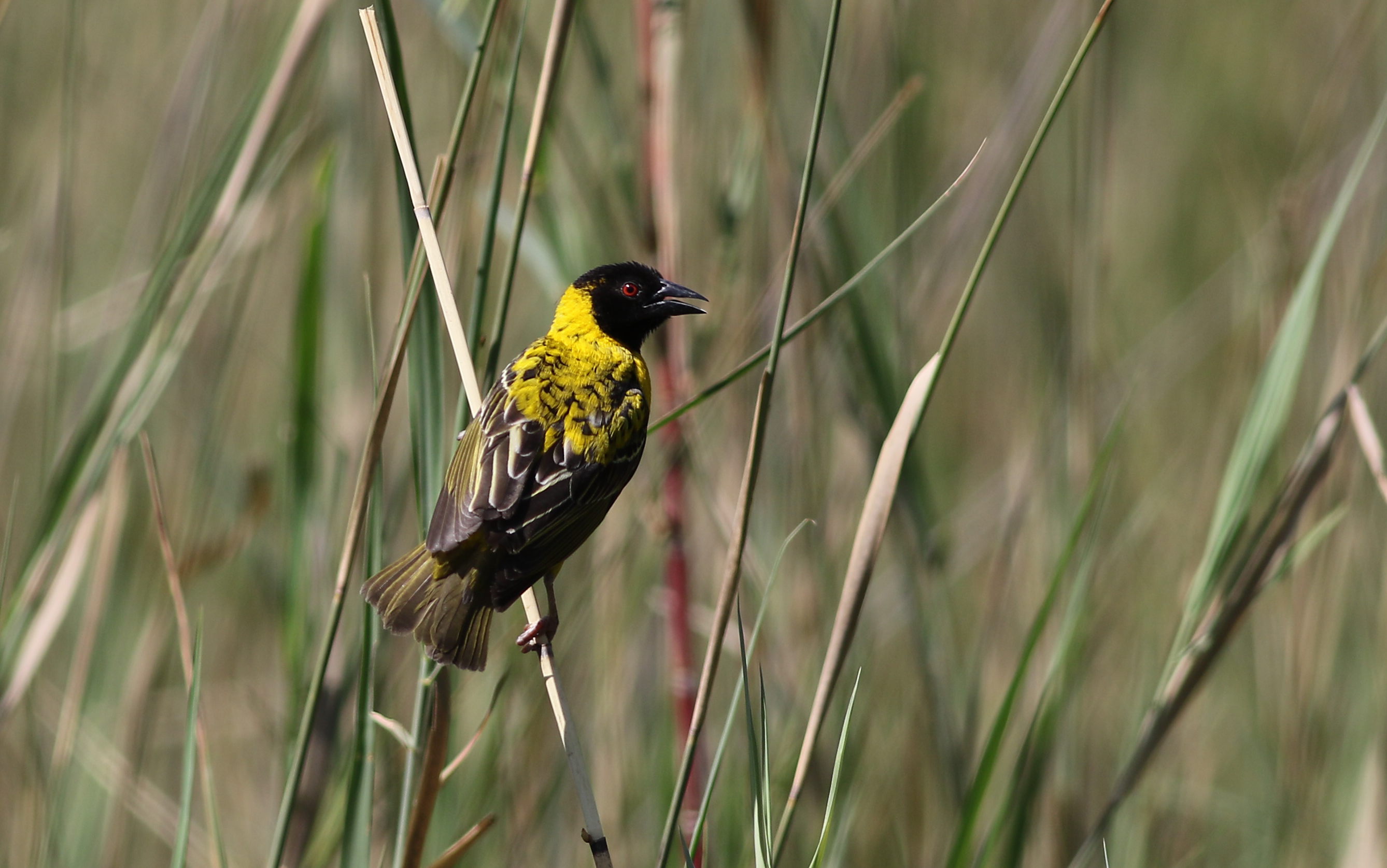
Village Weaver Was a Wet-Season Indicator in a Nigerian Savanna Bird Community
A 2026 bird-community study in north-central Nigeria identified village weaver as a significant wet-season indicator and one of…
Read story →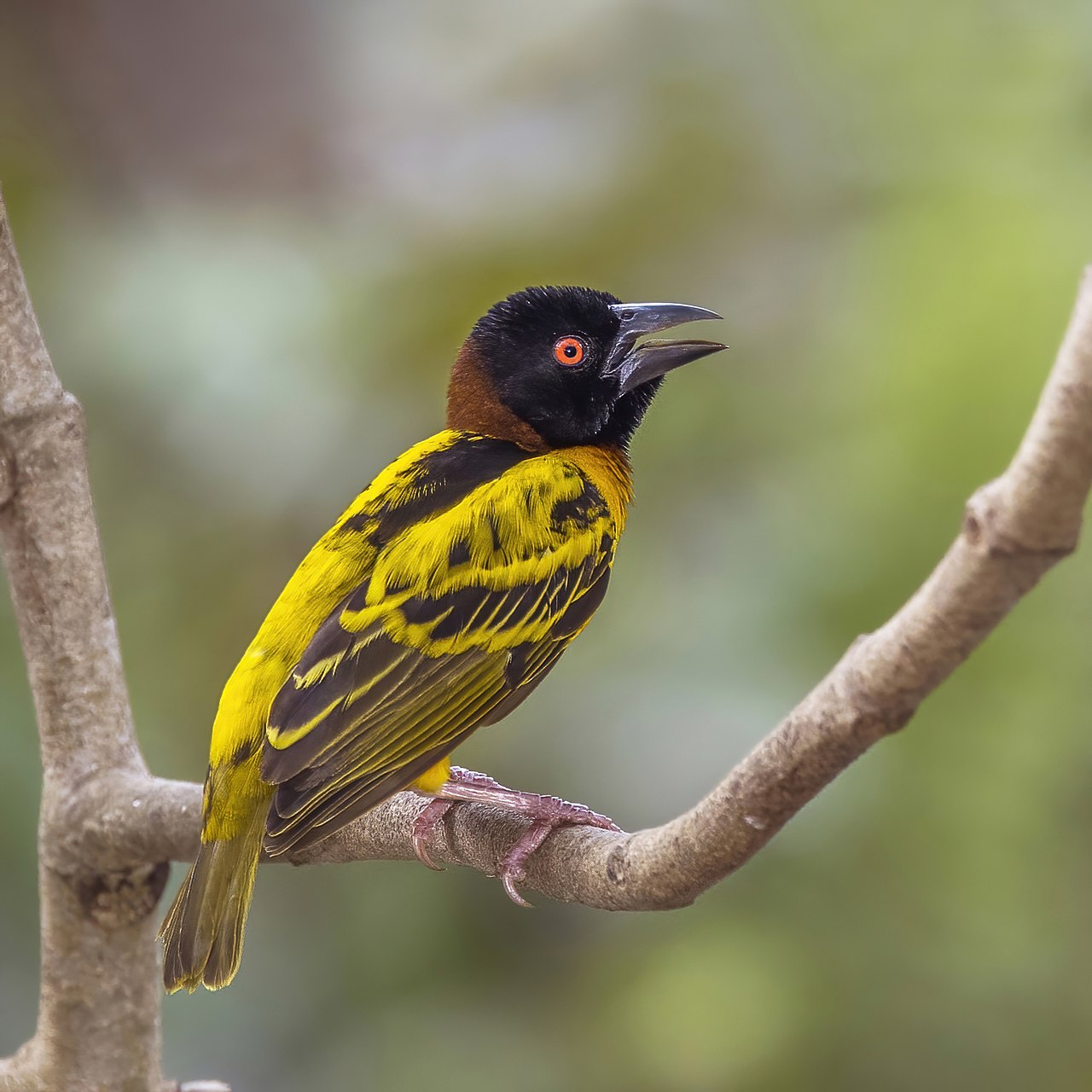
Infection and Moult Were Linked to Weaker Carotenoid Plumage Signals in Male Village Weavers
A 2026 study of 148 breeding male village weavers found that microfilarial infection altered redox balance, while birds…
Read story →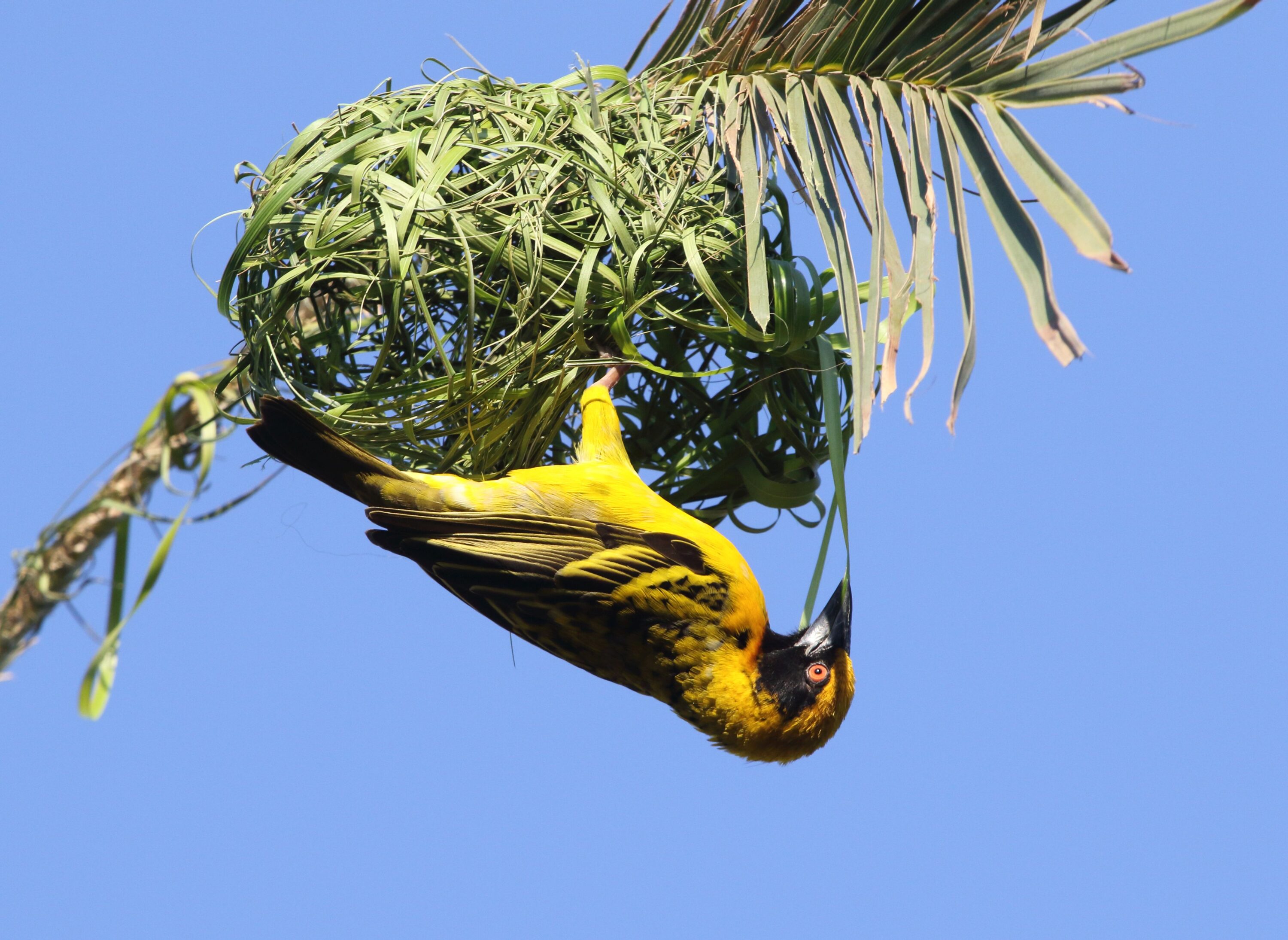
Male Village Weavers With Both Microfilariae and Active Moult Had the Lowest Glucose and Body Condition
A 2026 study of 128 breeding male village weavers found that birds with both microfilariae infection and active…
Read story →SPECIES IN THIS STORY
Species in this story
Independent research and conservation news archive
Did you find this information useful?
Wildlife Vagabond is independently built and maintained. Voluntary support helps cover source verification, hosting and continued work on research and conservation news.
Support Wildlife VagabondThe news archive will remain freely available.