
Water Masses and Foraging Structured PFAS Variability in Icelandic Common and Thick-billed Murres
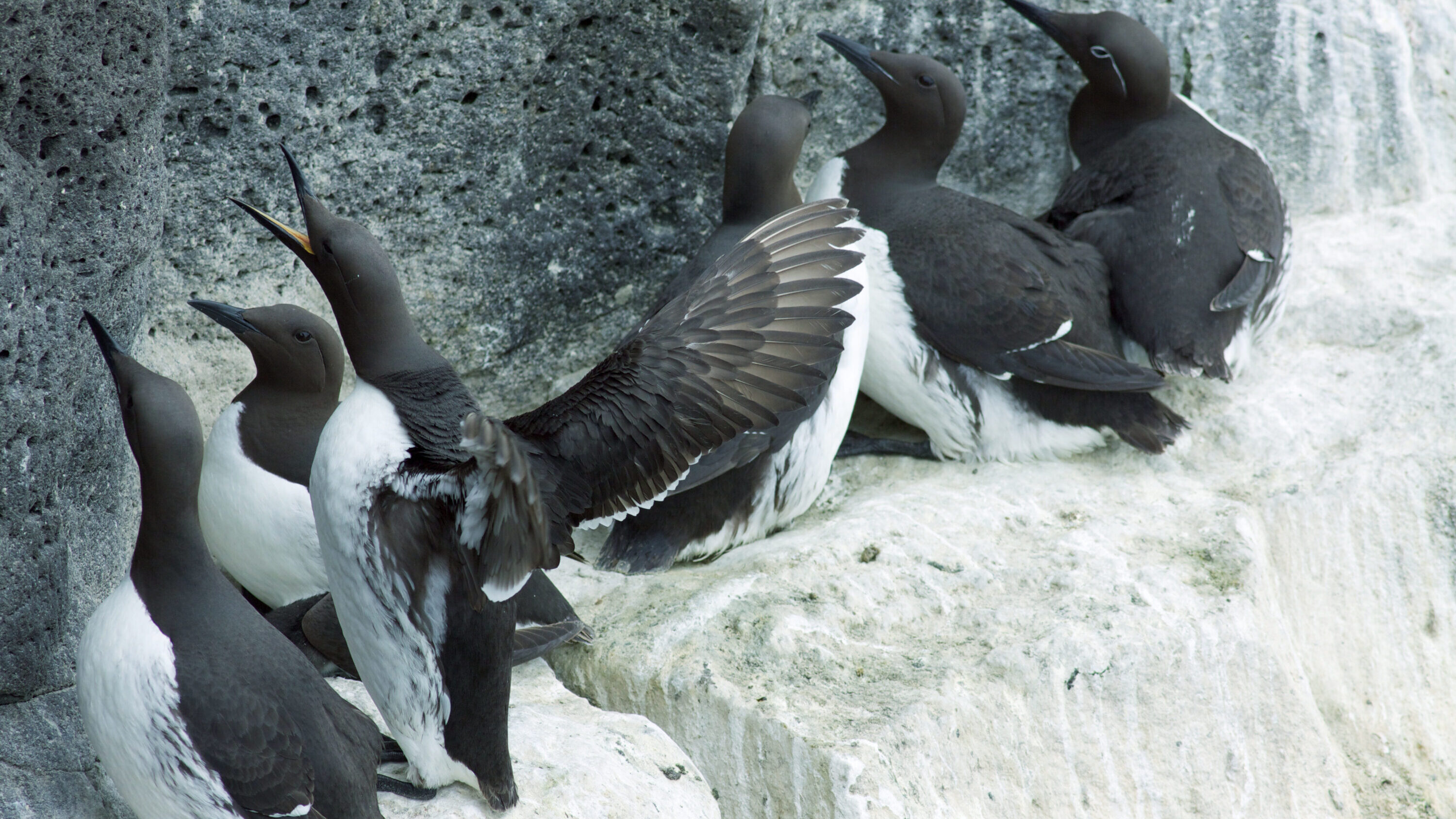
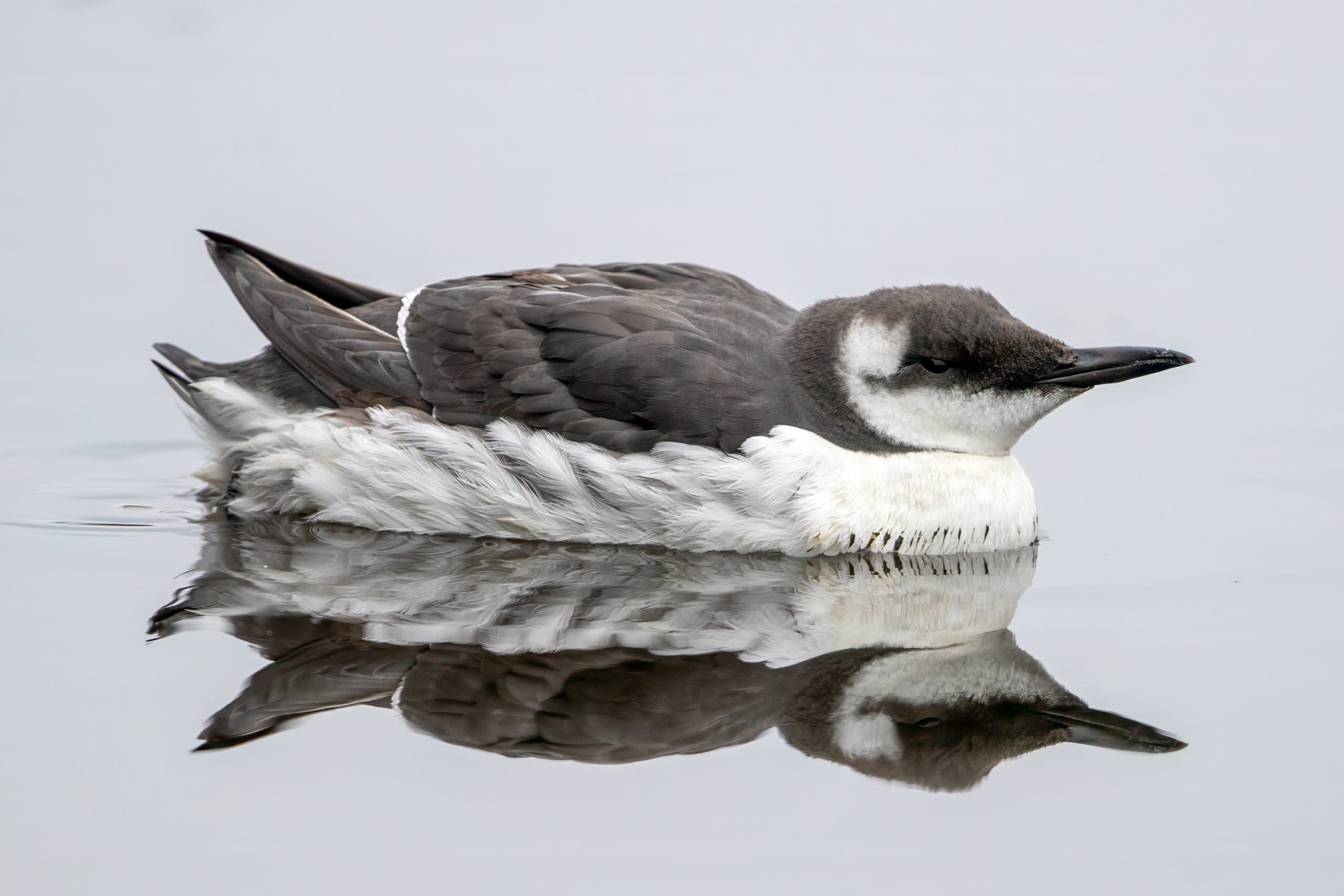
Individual PFAS profiles in Icelandic common murres (Uria aalge) and thick-billed murres (Uria lomvia) were structured by the water masses and food webs the birds used during the breeding season. The 2026 study analysed 112 birds sampled at five colonies around Iceland in June and July 2018: 67 common murres and 45 thick-billed murres.
Per- and polyfluoroalkyl substances (PFAS) are a large group of synthetic fluorinated chemicals whose strong carbon–fluorine bonds make many of them extremely persistent. Several PFAS can accumulate in food webs and bind strongly to proteins in blood and other tissues. The study measured 14 PFAS in blood plasma, focusing not only on average concentrations but on why the chemical profiles differed among individual birds.
Two blood fractions reconstructed foraging over different time windows
The researchers separated each blood sample into plasma and blood cells. PFAS concentrations were measured in plasma because these compounds bind strongly to albumin and other blood proteins. Stable carbon and nitrogen isotopes were measured in both plasma and red blood cells.
Plasma and red blood cells turn over at different rates, so their isotope values integrate feeding and habitat use over different periods before capture. By comparing the two tissues, the researchers constructed “isotopic consistency” scores that described whether an individual maintained a similar ecological signal across the breeding season rather than switching strongly between habitats or food sources.
Carbon-isotope values (δ¹³C) followed the regional oceanographic gradient: more positive values were associated with more Atlantic-influenced waters, whereas more negative values characterised Arctic-influenced conditions. Nitrogen isotopes (δ¹⁵N) provided information about trophic sources and relative trophic position, but also varied with local oceanographic baselines. They therefore cannot be read as a simple absolute food-chain ranking across all colonies.
PFCA and PFOS formed two different axes of individual variation
Long-chain perfluoroalkyl carboxylic acids (PFCAs) and perfluorooctane sulfonate (PFOS) dominated the compounds detected. PFOS itself made up roughly 62–73% of the total measured PFAS burden in common murres and 70–89% in thick-billed murres.
The researchers then used principal component analysis to describe how the complete PFAS profiles varied among birds. A component driven mainly by long-chain PFCAs explained 79% of the variation among individual profiles, while a largely independent PFOS-dominated component explained another 13%.
These percentages describe statistical variation, not the proportion of PFAS made up by each chemical class. In biological terms, they show that most of the differences among birds could be summarised along two chemical patterns: one dominated by variation in long-chain PFCAs and another by variation in PFOS.
Water masses structured PFOS variability most strongly
The clearest large-scale relationship involved carbon-isotope consistency and PFOS. Individual PFOS profiles were more variable in birds associated with Atlantic-influenced waters and more constrained under Arctic-influenced conditions. The authors interpret the oceanographic regime as the first level of the exposure system: different water masses support different food-web structures and contaminant pathways, setting the range of PFAS exposure available to foraging birds.
This is a correlation based on isotope proxies rather than an experiment in which birds were moved between water masses. The study therefore shows that PFOS variability was structured along the Arctic–Atlantic gradient, but cannot by itself prove which physical or biological process within those water masses caused the pattern.
Trophic ecology modified PFCA variability within the oceanographic setting
Nitrogen-isotope consistency added a second layer. Within the broader oceanographic regimes, birds feeding in higher-trophic contexts tended to show more constrained PFCA variability, particularly in Atlantic-influenced waters. The relationship was weaker and less generalisable than the carbon–PFOS pattern, and the authors treat trophic position as a conditional modifier rather than a universal predictor.
At individual colonies, the broad regional hierarchy was further modified by fine-scale niche separation. Differences in diving depth and individual specialisation on habitats such as glacial fjords and ice margins could expose neighbouring birds to different prey communities and therefore different contaminant pathways.
The chemical mechanism remains partly unresolved
The authors discuss possible biochemical reasons why PFOS and PFCAs responded differently. PFOS binds particularly strongly to serum proteins and is retained differently from many PFCAs, so competition for protein-binding sites and differences in persistence could influence how ecological variation appears in blood concentrations.
These mechanisms were not tested experimentally in the guillemots and remain hypotheses. Metabolism, reproductive state and other physiological differences could also influence both isotope values and PFAS retention.
The main conclusion is therefore ecological rather than toxicological: variation among individual seabirds was not simply statistical noise. PFAS profiles carried information about where and how birds foraged, with large-scale water masses setting the main exposure regime and finer trophic and habitat choices modifying it. As Arctic and Atlantic water masses shift with climate change, the pathways through which high-latitude seabirds acquire persistent contaminants may shift as well.
Ecology
Related news
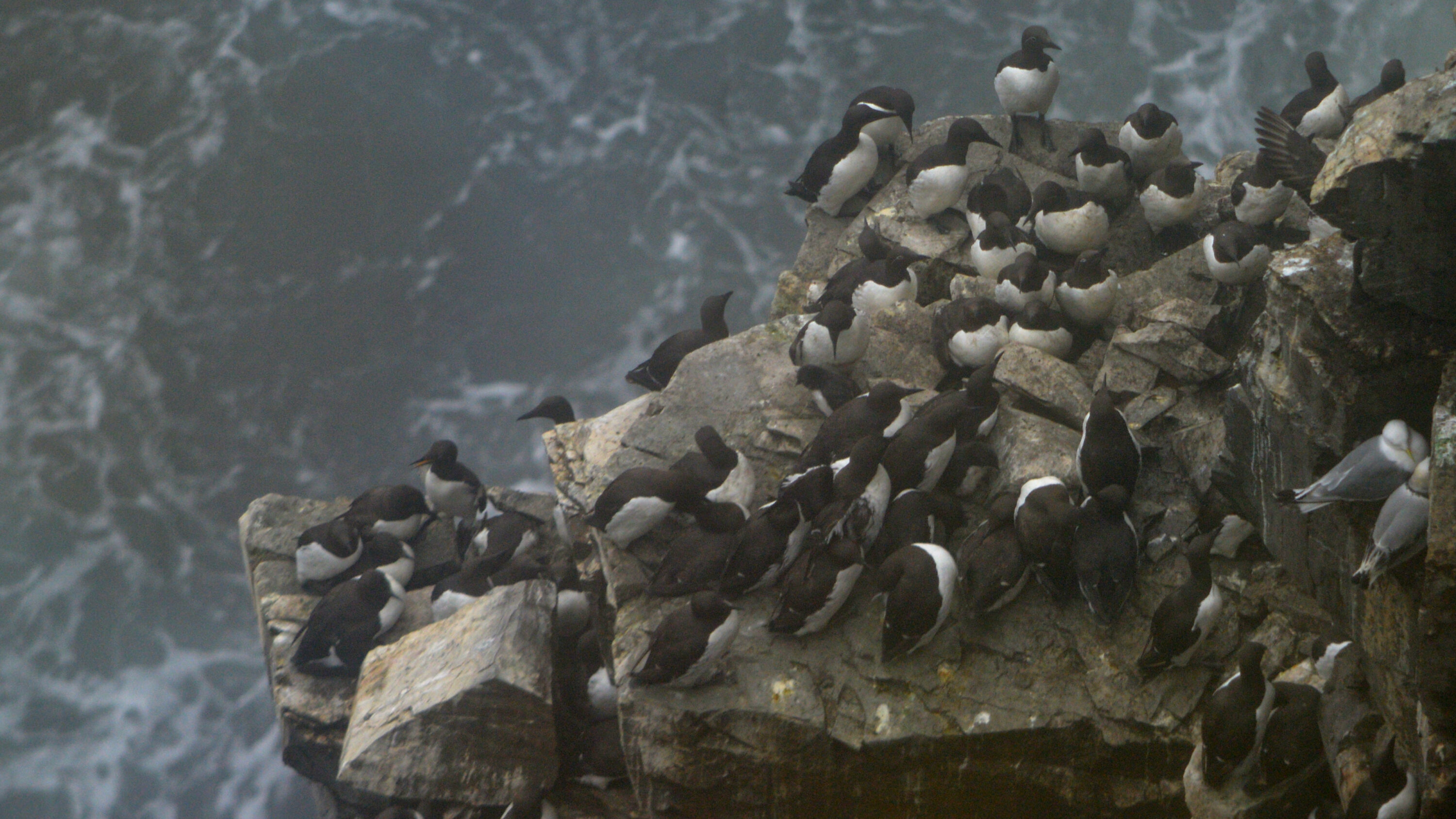
Common Murres Had Higher Blood Mercury in 2022 as Foraging Shifted Closer to Shore and Seafloor
Adult common murres in the Gulf of St. Lawrence had non-overlapping, higher blood-mercury concentrations in 2022 than in…
Read story →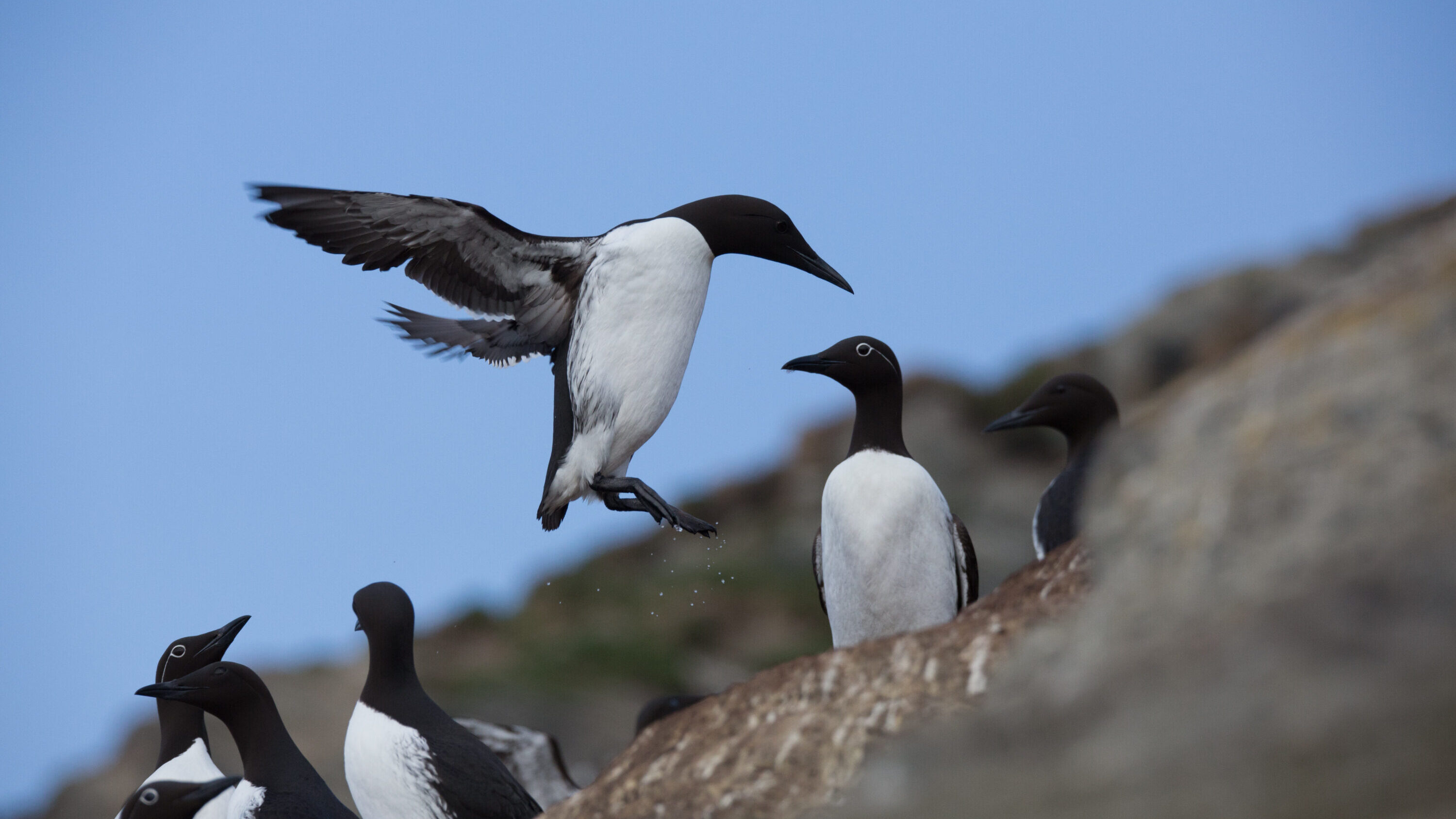
Negative Link Between Spring Capelin Landings and Adult Survival Was Supported Only for Hjelmsøya Common Murres
Across eight Barents Sea seabird populations, a direct negative association between spring capelin landings and overwinter adult survival…
Read story →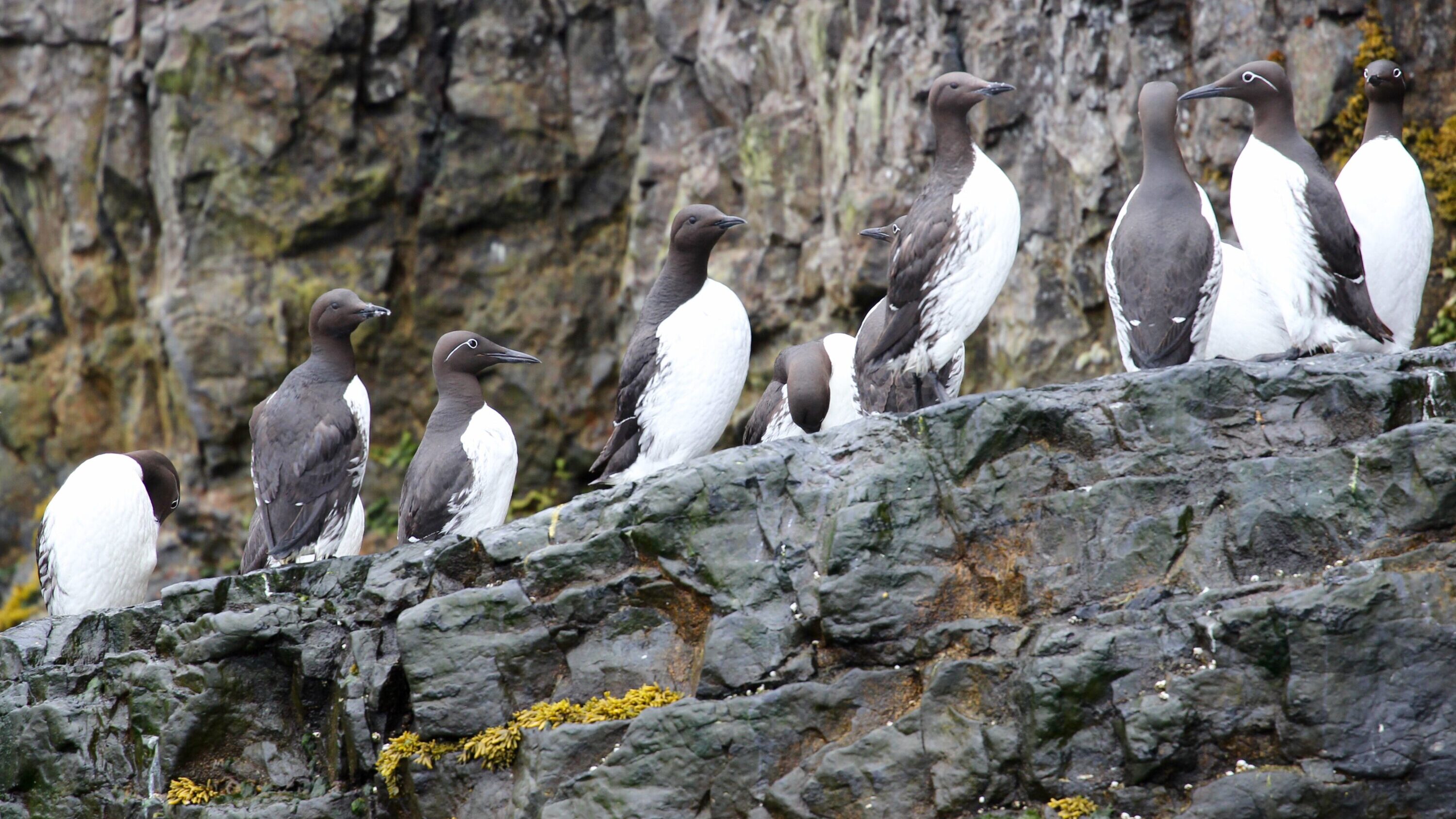
Common Murre Numbers in Bjørnøya Monitoring Plots Grew About 2% a Year From 2015 to 2025
Updated Norwegian Polar Institute monitoring shows about 2% annual growth in Bjørnøya common murre plots from 2015 to…
Read story →SPECIES IN THIS STORY
Species in this story
Independent research and conservation news archive
Did you find this information useful?
Wildlife Vagabond is independently built and maintained. Voluntary support helps cover source verification, hosting and continued work on research and conservation news.
Support Wildlife VagabondThe news archive will remain freely available.