
Preliminary Climate Watch Results Suggest Western Bluebirds Are Shifting With Climate Suitability
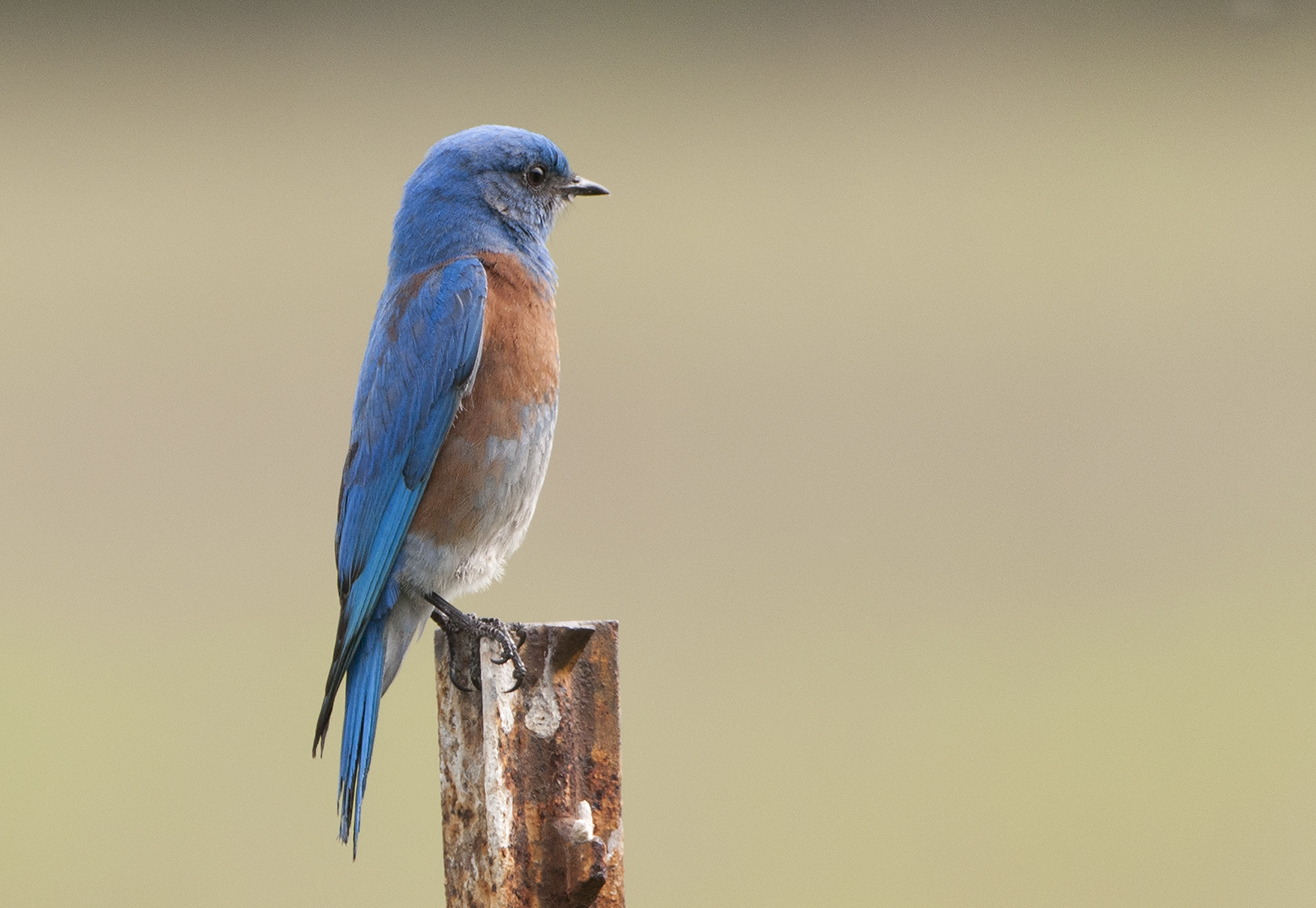
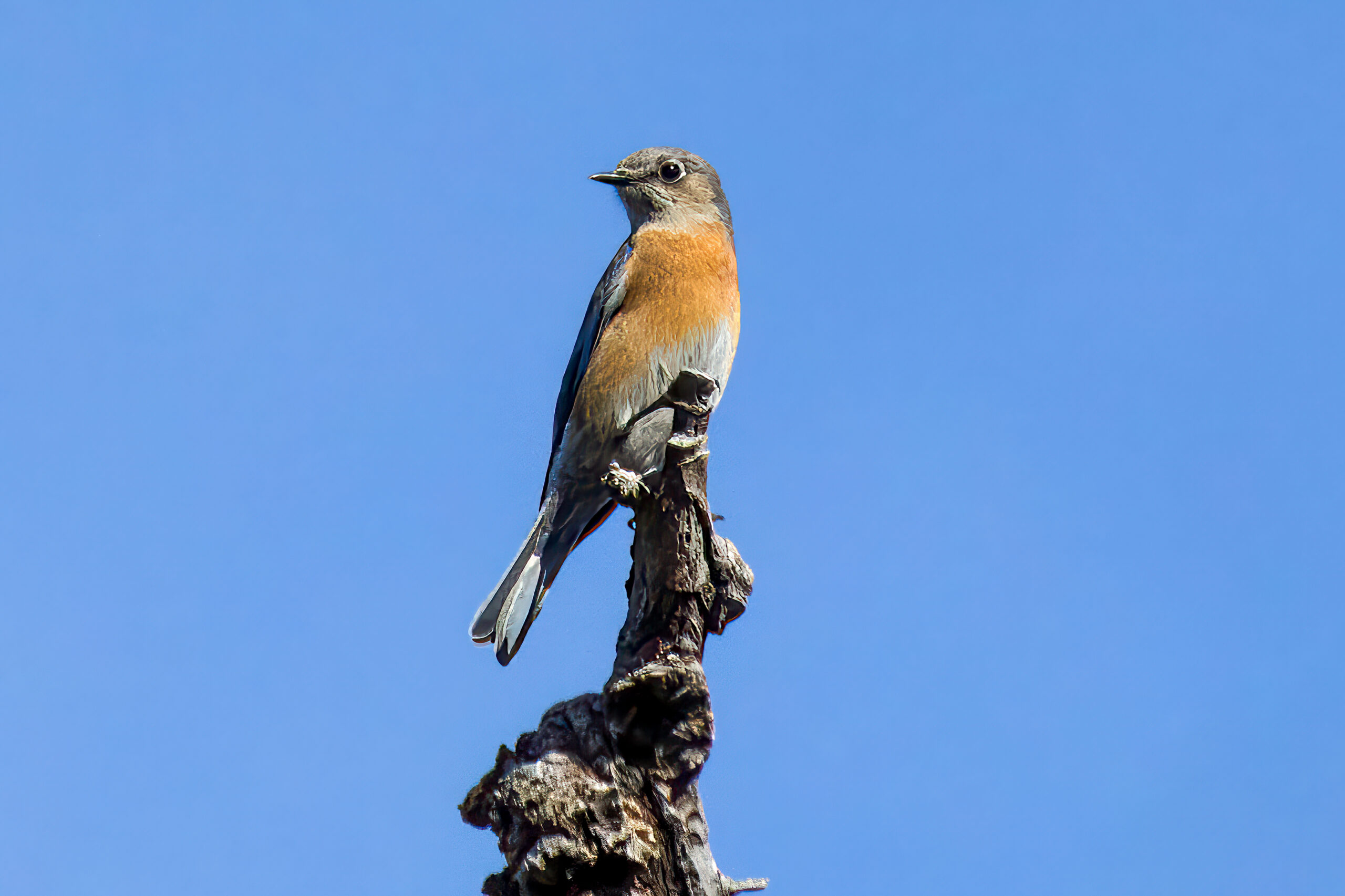
Preliminary results from ten years of Audubon’s Climate Watch suggest that western bluebirds (Sialia mexicana) are already changing where they occur as local climate suitability shifts. Audubon reported the result in June 2026 while its scientists were still analysing the full decade of data, so the finding should be read as an early result rather than a completed range-shift estimate.
Standardised point counts test climate-range projections
Climate Watch was launched in 2016 to test Audubon’s projections of climatically suitable bird ranges against repeated observations from the field. The programme began with 75 participants surveying bluebirds in four U.S. states and has grown to more than 1,000 participants annually across 12 target species.
Surveys are organised in fixed 10 × 10 km squares. Within each square, volunteers conduct 12 five-minute point counts from preselected locations, recording birds seen or heard within 100 metres. The same approach is repeated during a winter survey period and again during the breeding season. Recording both detections and non-detections allows researchers to compare observed occurrence with where climate models predict conditions should be suitable.
Western bluebirds appear relatively quick to follow suitable climate
Audubon says the expanded dataset provides stronger support for its climate-range projections than the programme’s earlier analysis, but species are not responding in the same way. Western bluebirds appear comparatively quick to occur in areas becoming climatically suitable.
Eastern bluebirds have been slower to shift their winter distribution, while several nuthatches appear more reluctant to occupy unfamiliar forests during the breeding season even where climatic conditions have become suitable. This contrast suggests that suitable climate alone does not determine whether a species can move into a new area; habitat and other ecological requirements can also limit range shifts.
The magnitude of the western-bluebird shift is not yet published
Audubon’s public 2026 report does not quantify how far western bluebird occurrence has shifted, how quickly the change happened or what proportion of the population is involved. The full decade-scale analysis was still underway when the result was announced.
The current evidence therefore supports a relationship between western-bluebird occurrence and changing climatic suitability, but not a precise estimate of the size or rate of the range shift. Audubon argues that comparing species that keep pace with changing climate against those that lag may help identify where habitat restoration, protected-area planning or improved opportunities for dispersal are most likely to matter.
Ecology
Related news
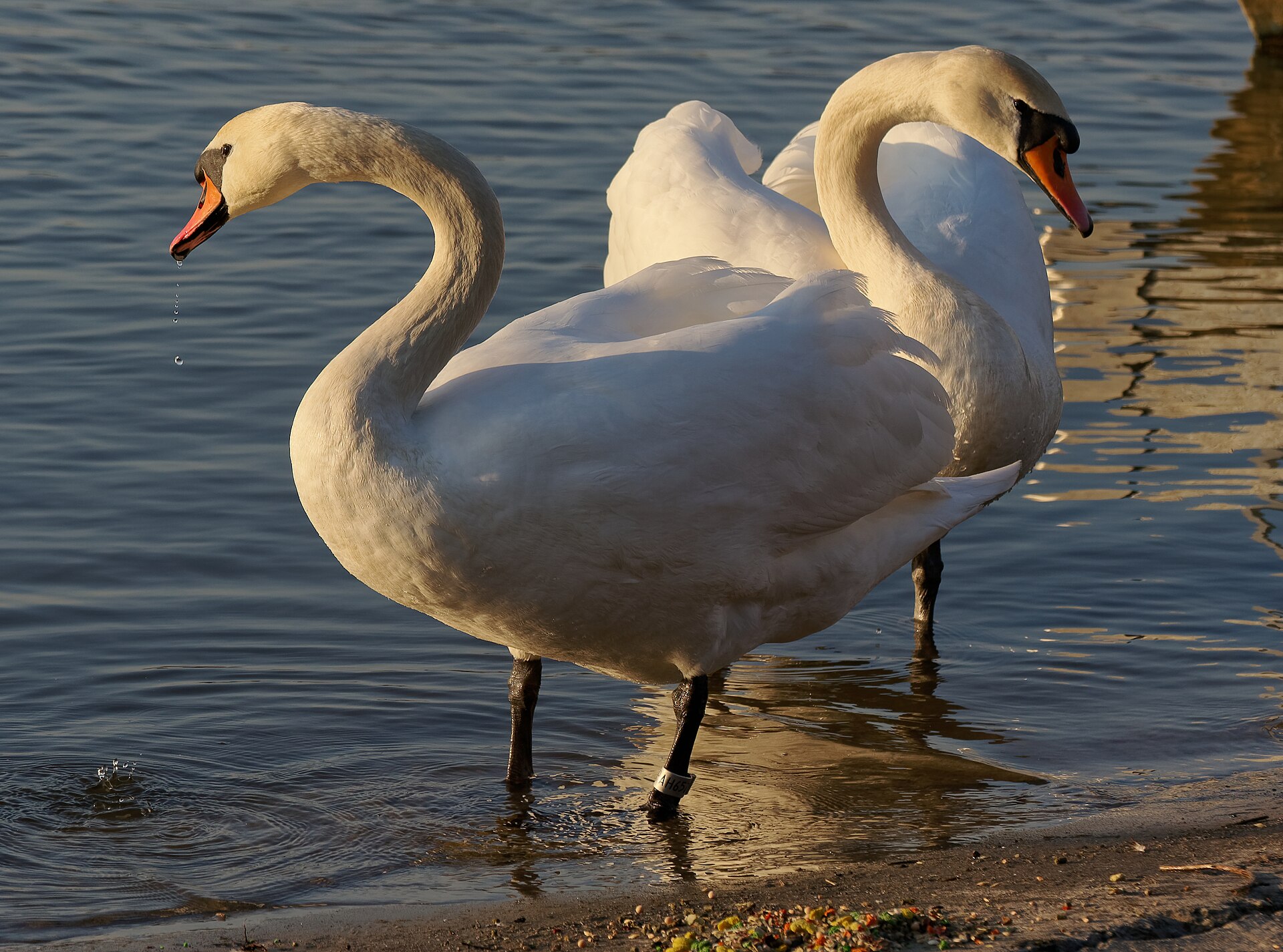
Inland Mute Swans Had Higher Winter Body Condition Despite Harsher Winters and Supplemental Feeding
A study of 853 mute swans from four Polish wintering regions found higher body condition inland than on…
Read story →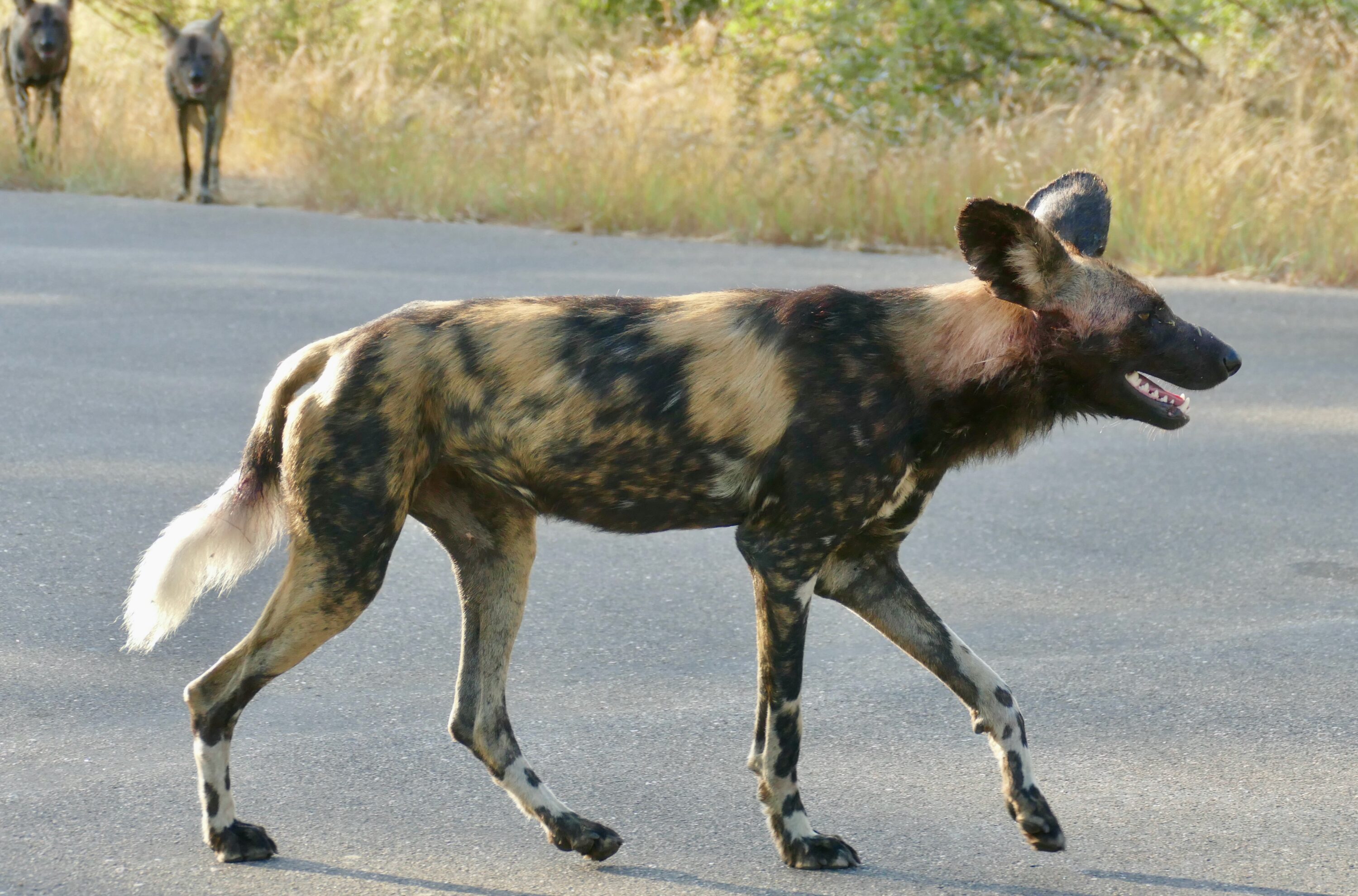
Gut Microbiomes Across Nine Kruger Mammals Clustered More Strongly by Dietary Group Than Species
A study of 89 quality-filtered faecal samples from nine wild mammals in Kruger National Park found that carnivores,…
Read story →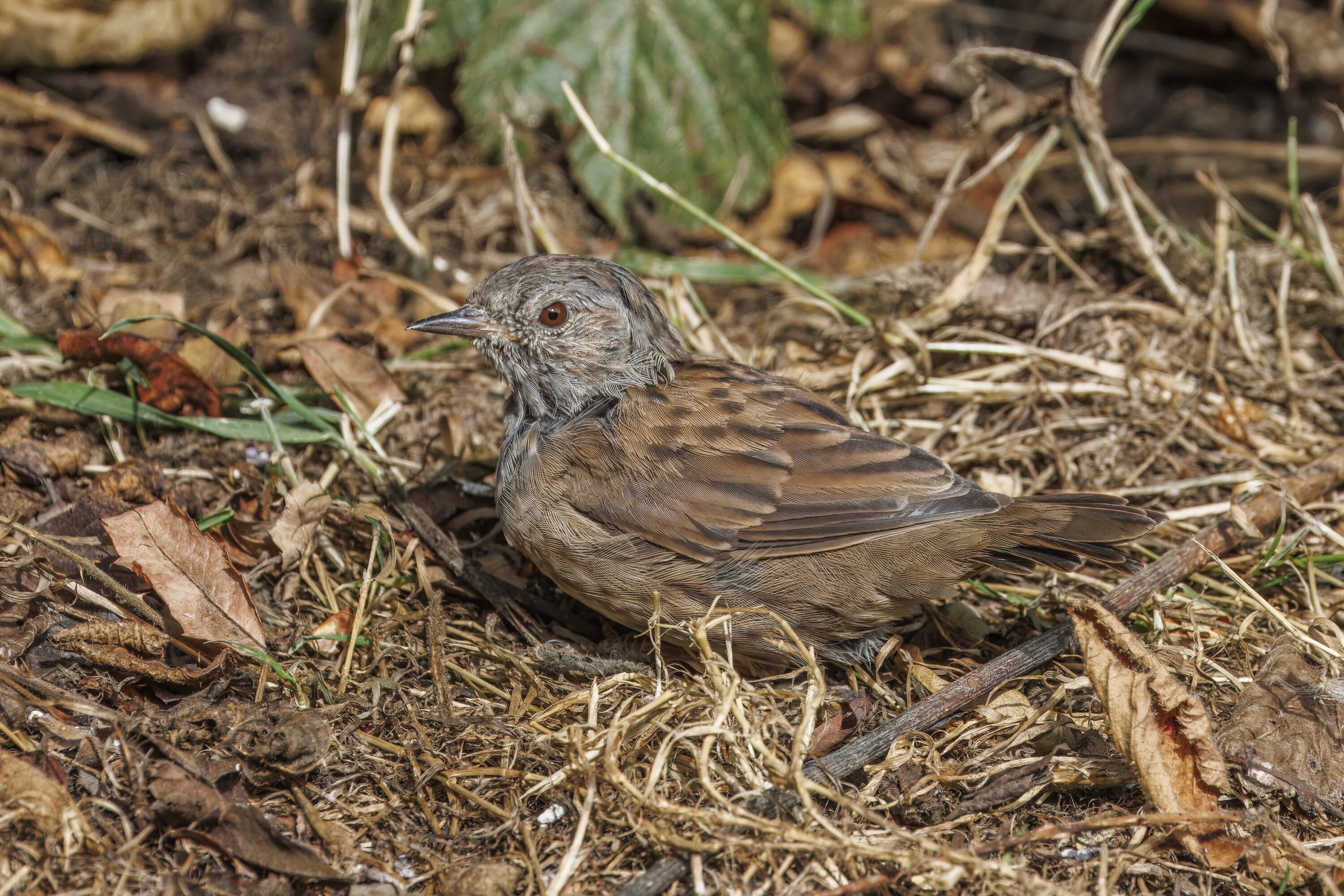
Dunnock Spring Passage Advanced by Up to 8.3 Days Over 61 Years at Hel
Standardised ringing data from northern Poland showed that the first, median and last phases of dunnock spring passage…
Read story →SPECIES IN THIS STORY
Species in this story
Independent research and conservation news archive
Did you find this information useful?
Wildlife Vagabond is independently built and maintained. Voluntary support helps cover source verification, hosting and continued work on research and conservation news.
Support Wildlife VagabondThe news archive will remain freely available.