
Cells in Male Western Cattle Egrets Engulfed Sperm in Reproductive Ducts
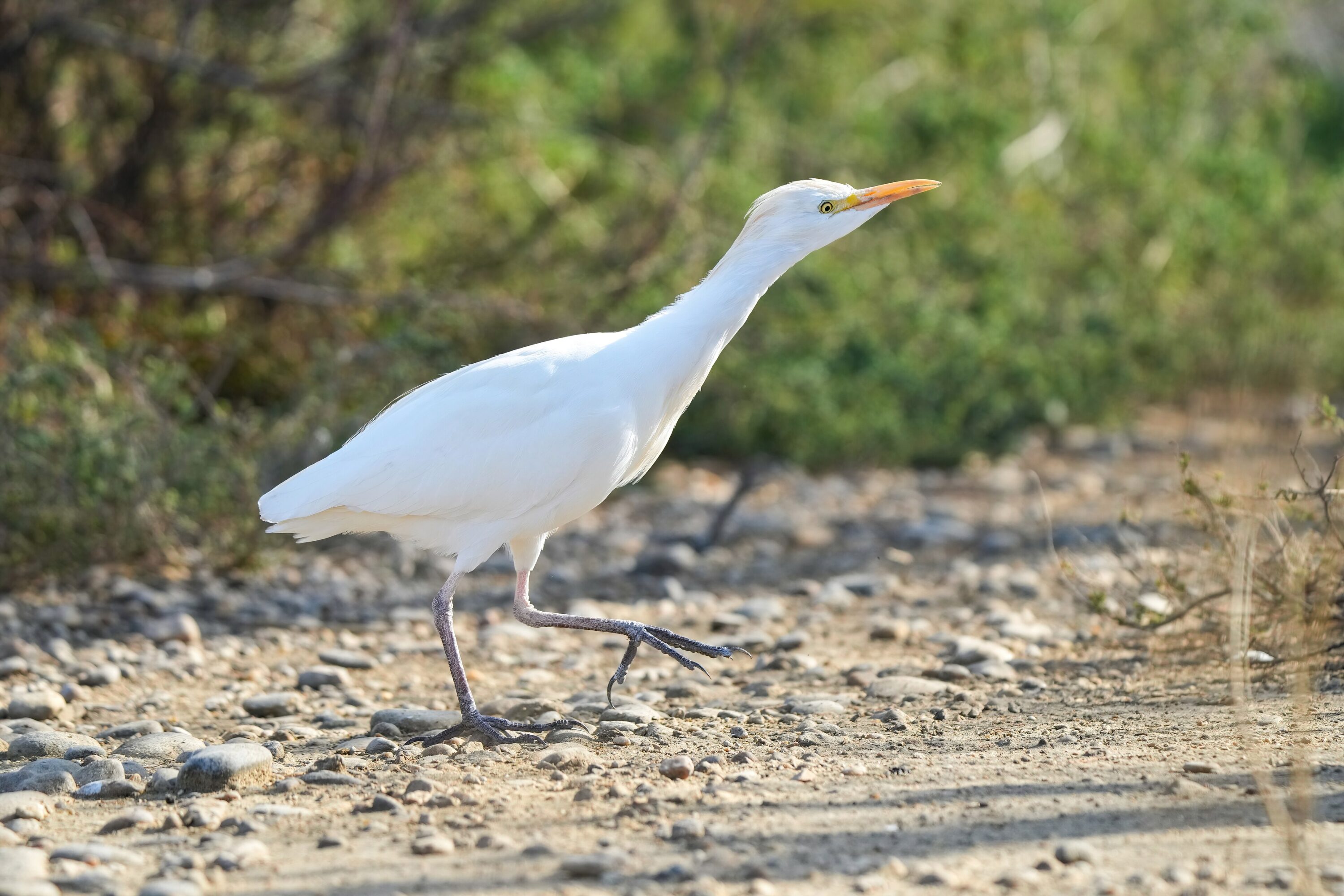
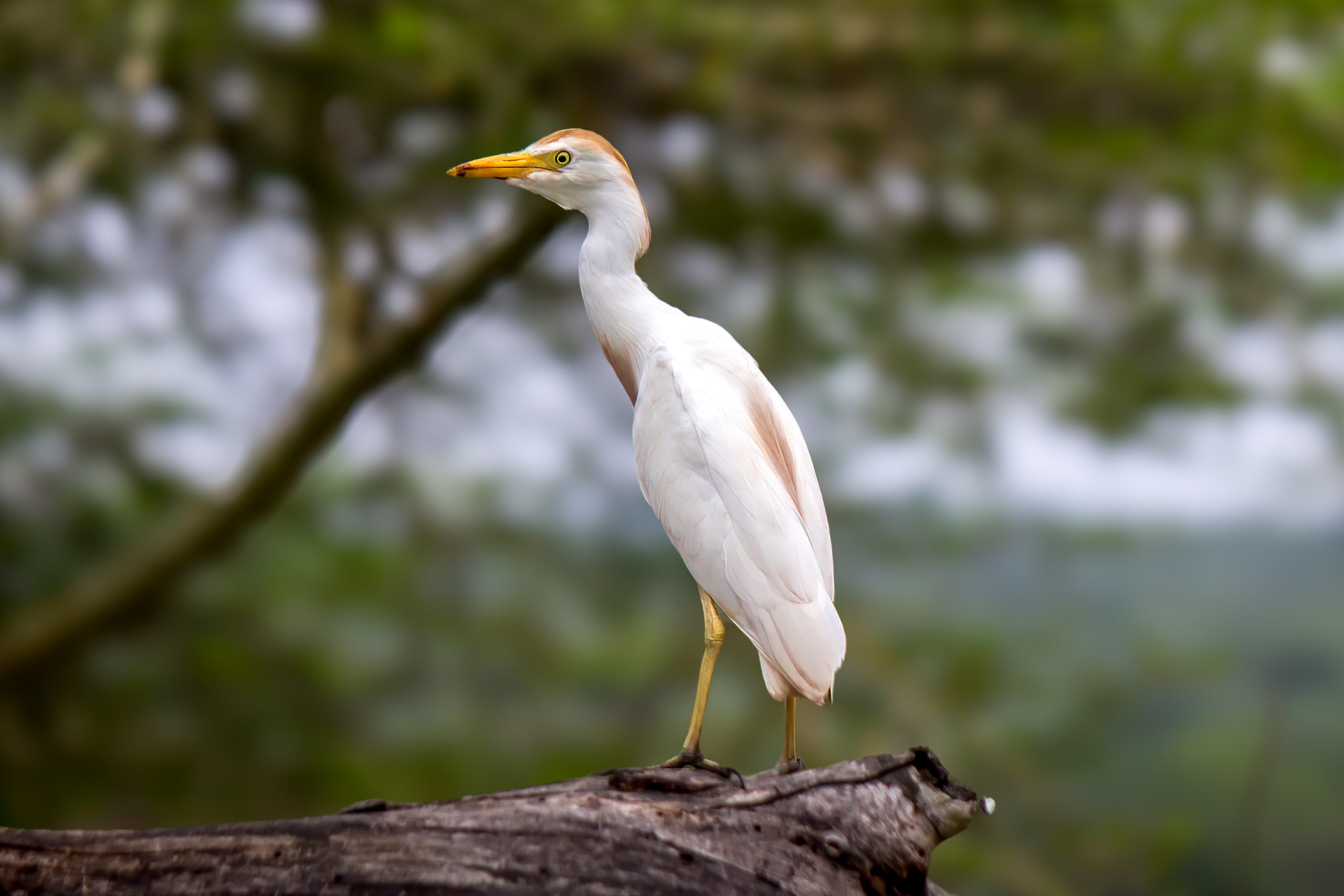
A microscopic study of the male reproductive system in western cattle egrets (Ardea ibis) has revealed active uptake and breakdown of sperm cells in the ducts that carry sperm away from the testes. The study, available online on 22 January 2026 in Tissue and Cell, examined five sexually mature and reproductively active wild males from Grenada.
The ducts leaving a bird’s testes do more than simply transport sperm. They include the rete testis, efferent ducts, epididymal region and ductus deferens, which together form successive parts of the route from the testis toward the cloaca. Their lining cells can absorb fluid and other material as sperm move through the tract. These structures are well studied in some domestic birds but much less is known about their fine cellular anatomy in wild species.
The researchers examined tissue from sexually mature, reproductively active males with light microscopy and transmission electron microscopy, allowing the fine cellular structure of the ducts to be compared.
Spermiophagy and digestive structures stood out
Overall, the epididymal region and ductus deferens resembled the corresponding structures described in domestic birds, but several differences stood out. Parts of the rete testis had unusually large spaces between neighbouring epithelial cells. In the proximal efferent ducts, non-ciliated cells contained a well-developed system for taking up material from the duct lumen together with many lysosomes—cell compartments involved in intracellular digestion.
At the transition between the proximal and distal efferent ducts, the researchers observed active spermiophagy. This means that cells in the duct lining engulfed spermatozoa into intracellular compartments where they could be broken down. The authors describe this as a conspicuous feature of this part of the reproductive tract. They note that what triggers spermiophagy in normal birds remains unknown, but suggest that it may help remove worn-out or damaged spermatozoa and other germ cells before the seminal fluid moves farther through the duct system.
Cells lining the ductus deferens also showed evidence of strong uptake and digestive activity. Some contained exceptionally large digestive compartments known as heterolysosomes and telolysosomes.
The study adds to earlier work on sperm structure and sperm development in cattle egrets and gives a more complete description of the male reproductive tract in a wild pelecaniform bird. The authors emphasise that studies of these ducts remain scarce in wild birds compared with domestic species, making the western cattle egret a useful comparison for understanding variation in avian reproductive anatomy.
Anatomy & morphology
Related news
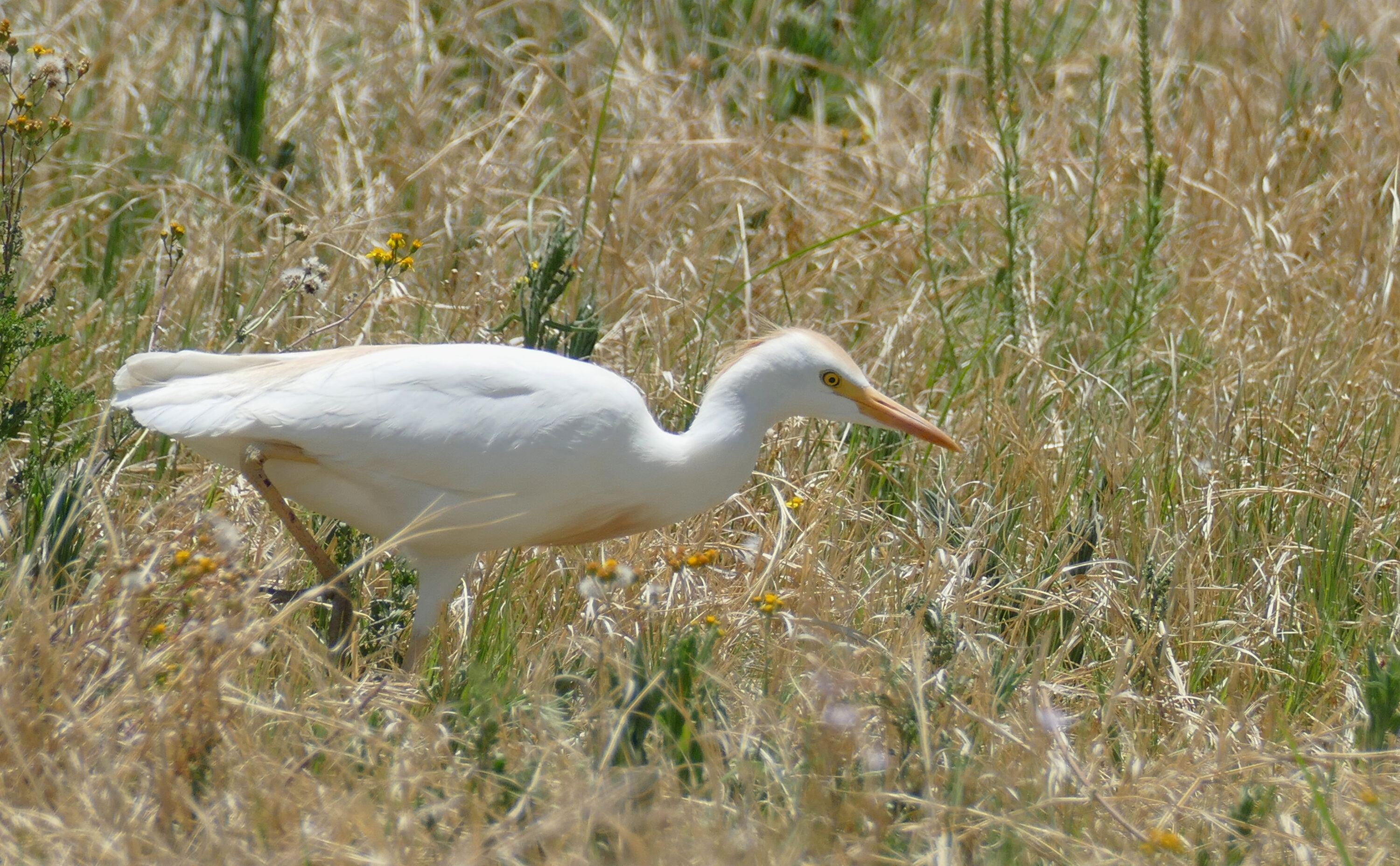
Cattle Egrets Find New Feeding Opportunities Around Farms and Towns
Cattle egrets exploit insects flushed by livestock and machinery. A review of 173 studies links this flexibility with…
Read story →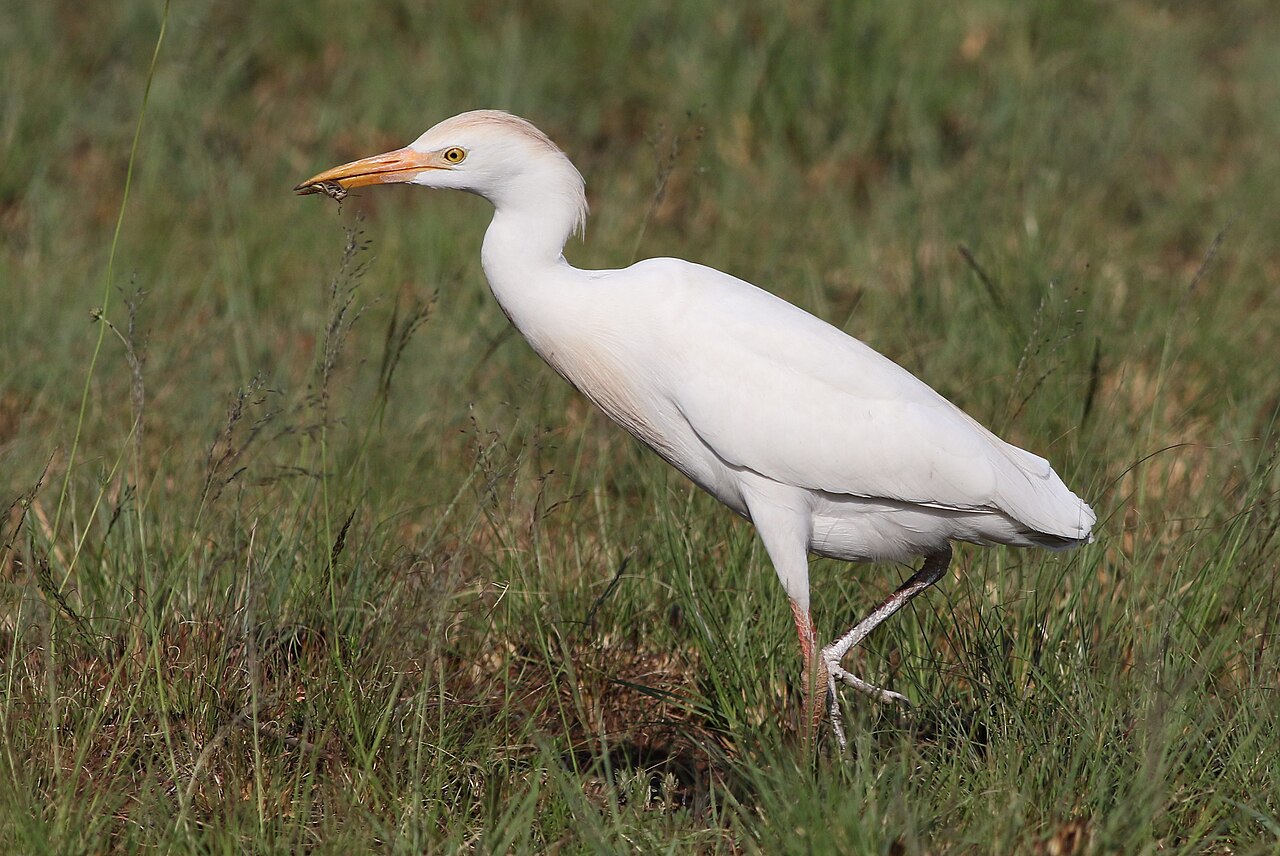
Beetles Dominated Western Cattle Egret Diet Across Nine Algerian Colonies
Across 241 pellets from nine breeding colonies in northeastern Algeria, 98.3% of identified animal prey were invertebrates and…
Read story →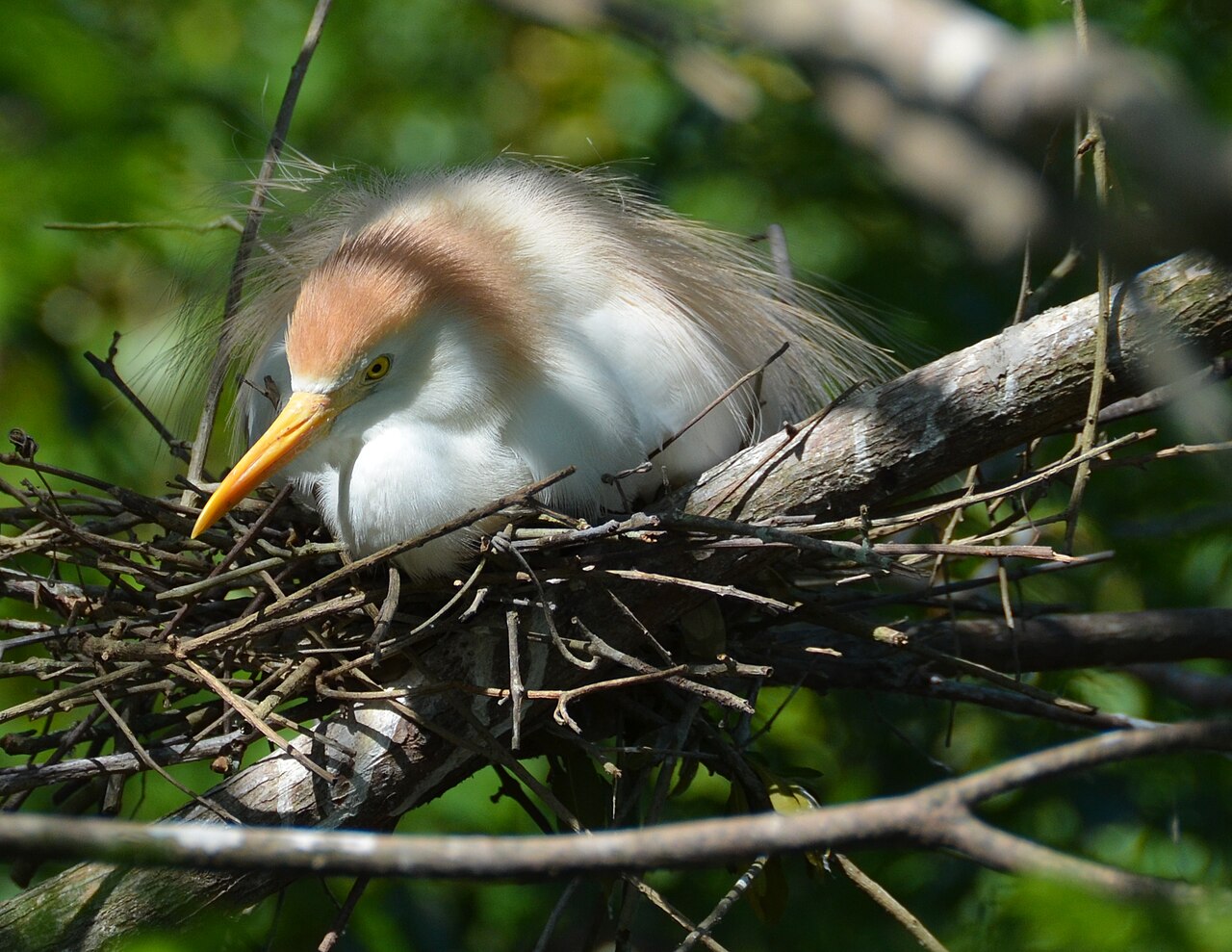
Earlier Laying, Larger Clutches and Better Habitat Were Linked to Higher Western Cattle Egret Breeding Success
A five-year study of 1,779 Western Cattle Egret nests in northeastern Algeria found that breeding performance varied strongly…
Read story →SPECIES IN THIS STORY
Species in this story
Independent research and conservation news archive
Did you find this information useful?
Wildlife Vagabond is independently built and maintained. Voluntary support helps cover source verification, hosting and continued work on research and conservation news.
Support Wildlife VagabondThe news archive will remain freely available.