
Earlier Laying, Larger Clutches and Better Habitat Were Linked to Higher Western Cattle Egret Breeding Success
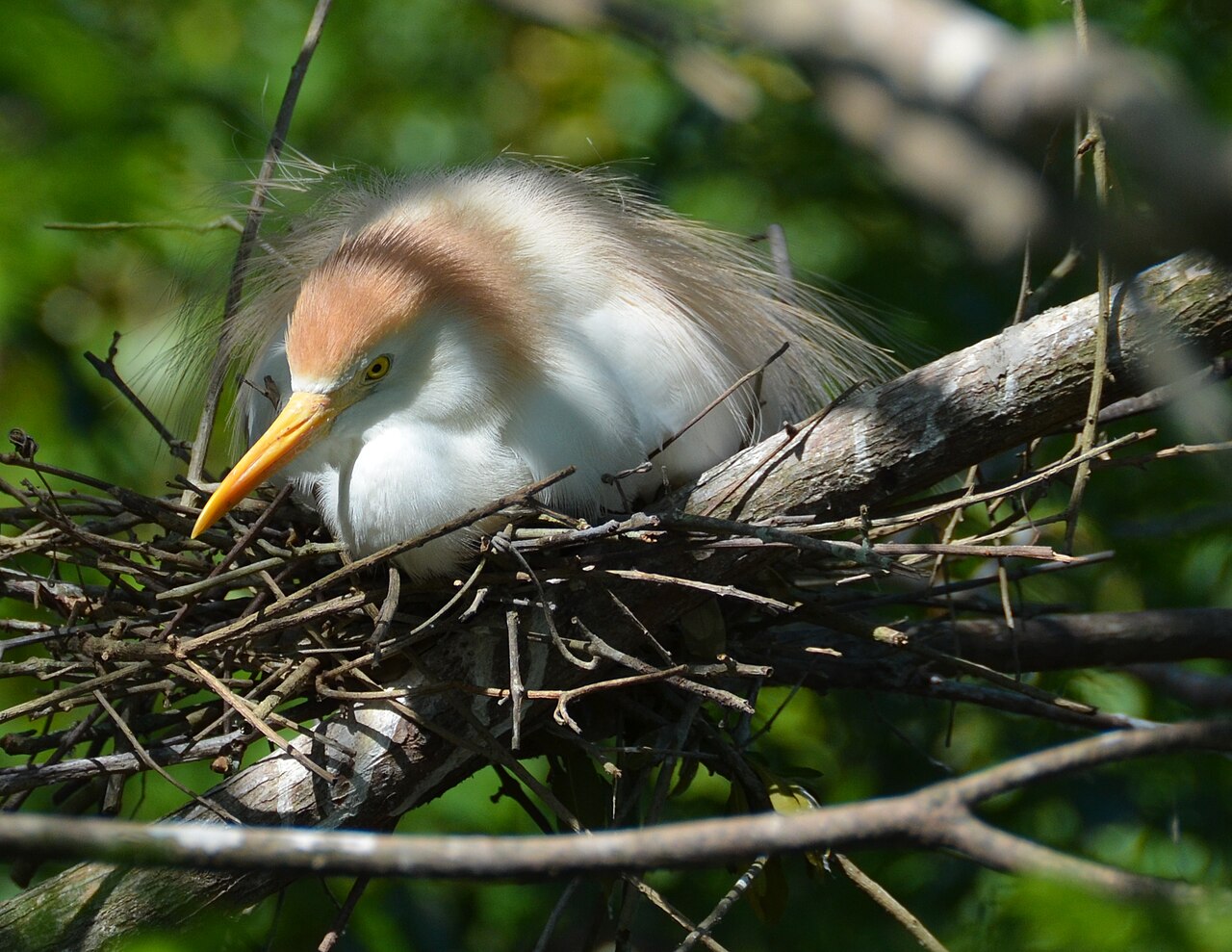
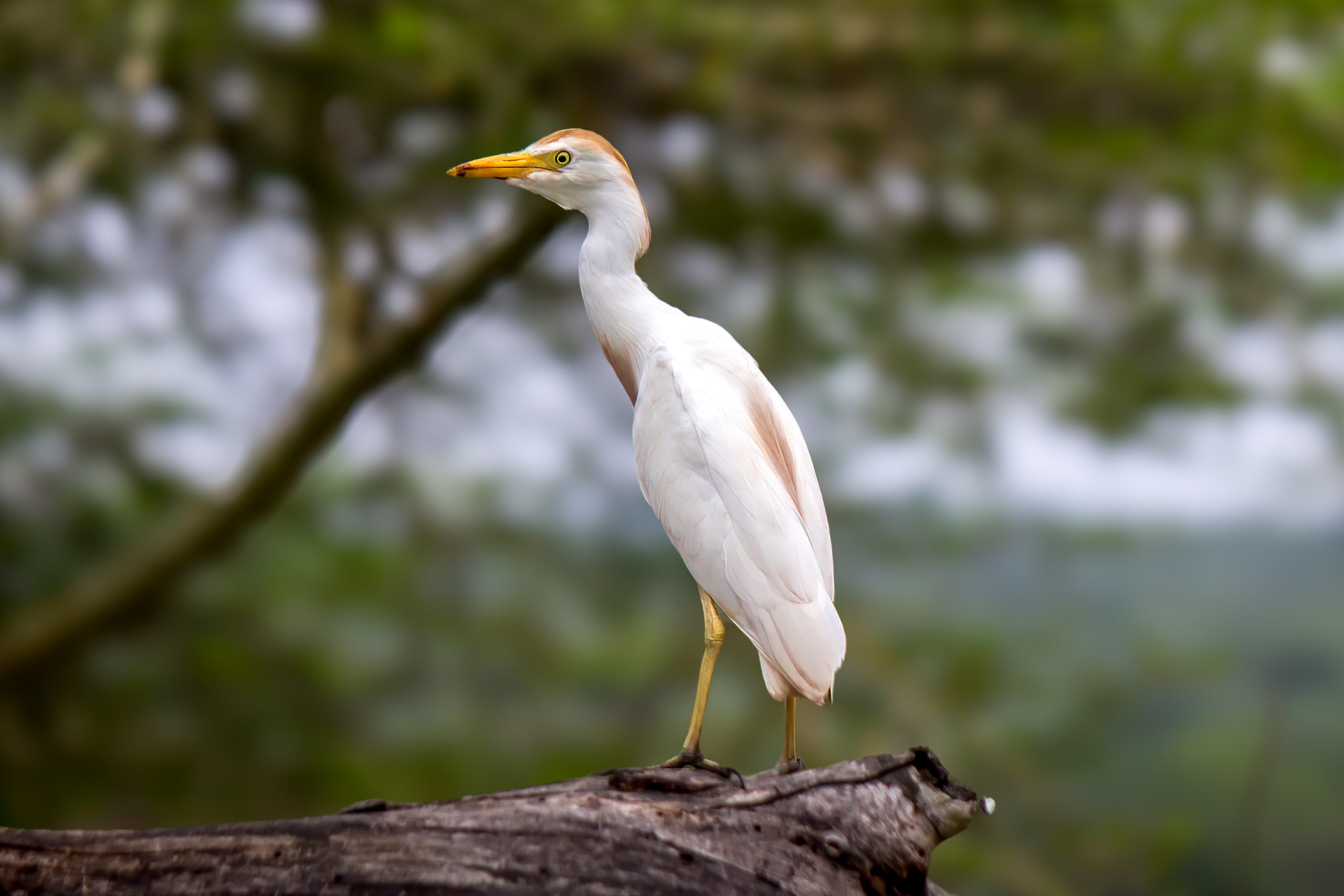
A five-year study of Western Cattle Egrets (Ardea ibis) in Numidia, northeastern Algeria, found that breeding performance varied strongly among colonies and years and was linked more closely to habitat quality, breeding timing and clutch size than to nest dimensions. Fieldwork from 2003 to 2007 monitored 1,779 nests in the region’s long-established wetland breeding complex.
The researchers recorded laying and hatching dates, clutch size, egg measurements, nest height and diameter, hatching success and the number of young produced by successful nests. Clutch size was measured in 1,637 nests, hatching success in 1,332, and productivity in 781 successful nesting attempts. Egg laying extended from 22 April to 26 July, and mean clutch size across the study was 3.4 eggs.
Breeding performance differed sharply among sites and years
Hatching success ranged from 26.9% at Mekhada Marsh in 2005 to 82.6% at Dakhla in 2007, with an overall mean of 65.0%. Productivity also varied substantially. Lake Fetzara consistently had some of the highest values, with 2.6–2.7 young produced per successful nest in 2006 and 2007. Lake Tonga also reached 2.7 in 2003, although that estimate came from a smaller sample.
Lake Fetzara was characterised as a high-quality natural marsh, and reproductive success was positively associated with habitat quality. In contrast, nest height and external nest diameter did not explain breeding success. Nest height itself varied with the vegetation used as nesting support, showing that the birds adjusted nest placement to local colony structure without that structural variation translating directly into higher productivity.
Earlier laying and larger clutches were associated with better outcomes
Clutch size generally declined as the breeding season progressed, although the exact seasonal pattern differed among site–year combinations. Mean egg volume also declined with laying date. Hatching success fell later in the season at several colonies, including Lake Fetzara and Lake Tonga, and productivity declined through the season at Fetzara in 2006 and 2007 and at Chatt in 2006. Mekhada in 2005 showed the opposite productivity pattern, underlining that the seasonal effect was not identical at every site.
Across the study, breeding performance was negatively associated with laying date and positively associated with clutch size. Larger clutches could also produce large broods: at Lake Fetzara, one brood of six young and 15 broods of five young reached at least 12–15 days of age. The authors interpret the seasonal declines in egg volume, clutch size and hatching success as consistent with breeder age or body condition and with food becoming progressively more limiting later in the season. The high productivity at Fetzara suggests that favourable natural wetland habitat could support large broods.
Ectoparasites and poaching could disrupt whole colonies
The breeding landscape was dynamic, with colonies sometimes being abandoned or established between years. The authors identified an ectoparasite infestation at Dakhla in 2007 and intensive poaching at Sidi Achour in 2003 and Mekhada in 2005 as causes of severe disruption; at the poached colonies, thousands of clutches were destroyed. The paper also discusses adverse weather, predation, food availability and human disturbance as factors contributing to variation in reproductive outcomes.
These observations reinforce the difference between nest-scale measurements and colony-scale habitat quality. A nest could be built at a particular height or size without gaining an obvious reproductive advantage, while disturbance or deterioration of the broader breeding site could affect many nests simultaneously.
Mixed clutches revealed brood parasitism within and between heron species
The study also documented unusual clutch compositions. Western Cattle Egret clutches containing seven or eight eggs were interpreted by the authors as strong evidence of brood parasitism—the laying of eggs in another individual’s nest—between members of the same species. Mixed-species clutches showed interactions with three other herons in the breeding colonies.
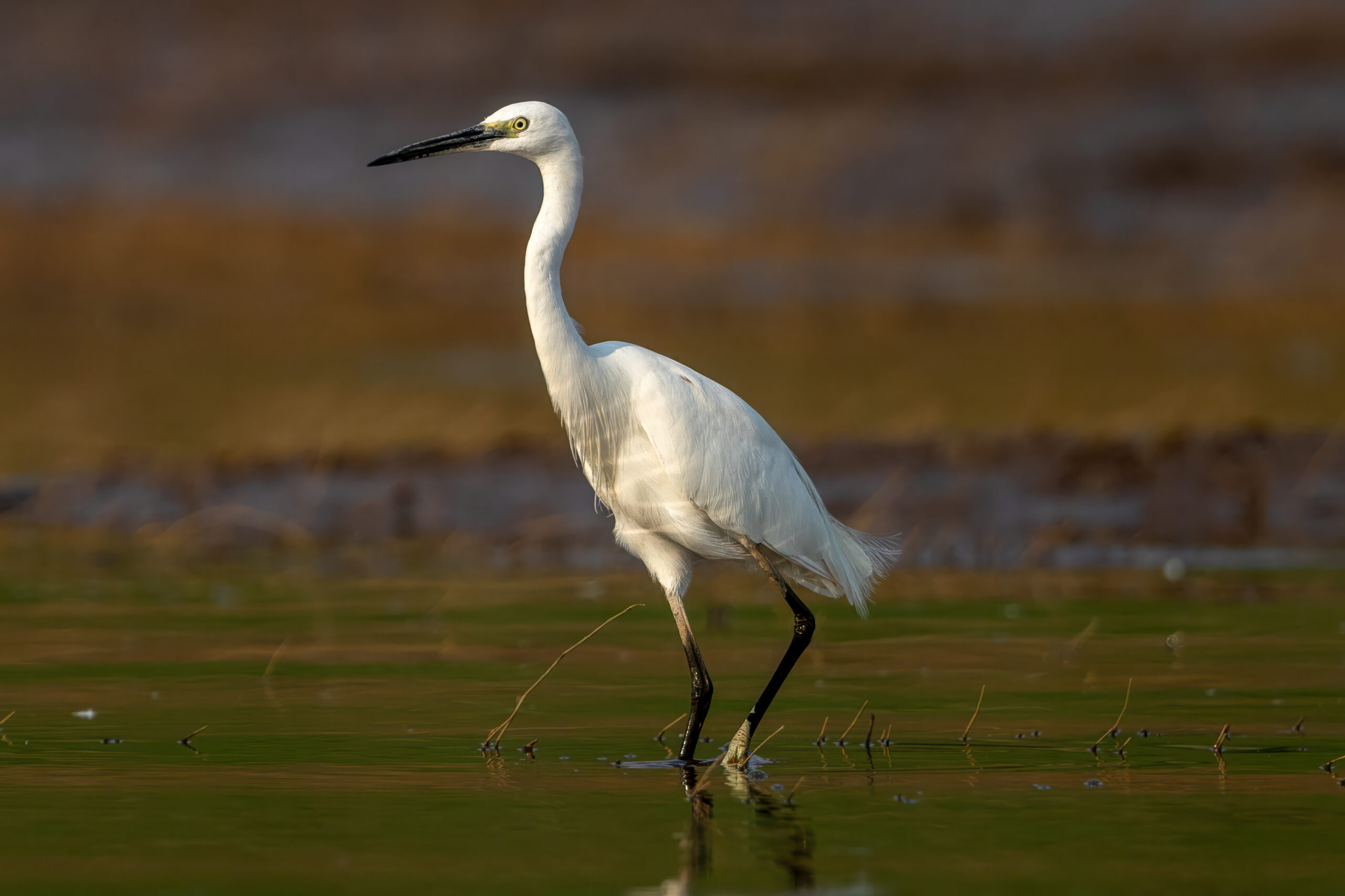
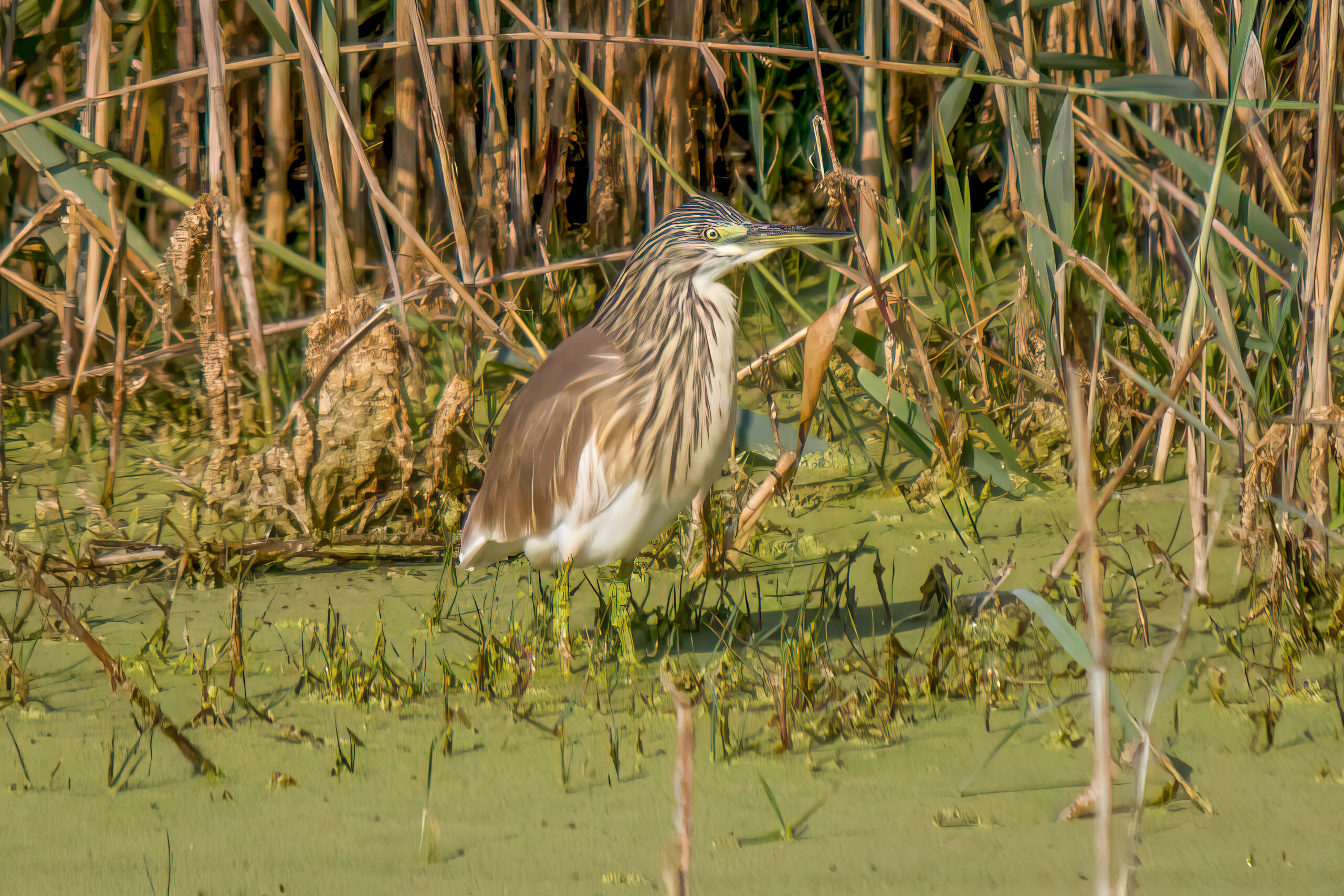
Western Cattle Egret eggs were recorded in 17 Little Egret (Egretta garzetta) nests and 11 Squacco Heron (Ardeola ralloides) nests. Western Cattle Egret nests also served as hosts: four contained Little Egret eggs or young, two involved Squacco Heron, and one involved Black-crowned Night Heron (Nycticorax nycticorax). The authors describe these events as infrequent and report no measurable reduction in early chick survival from brood parasitism. They suggest that dense mixed colonies, competition for nest sites and the aggressive dominance of Western Cattle Egrets may help create the conditions for these interspecific interactions.
Overall, the study links reproductive performance to the quality and timing of breeding more strongly than to simple nest dimensions. The authors argue that protecting key wetlands in the Numidian complex, reducing disturbance during the breeding season and monitoring increasing reliance on human-derived food resources are important for understanding and managing the species’ continuing expansion into drier landscapes.
Reproduction & development
Related news
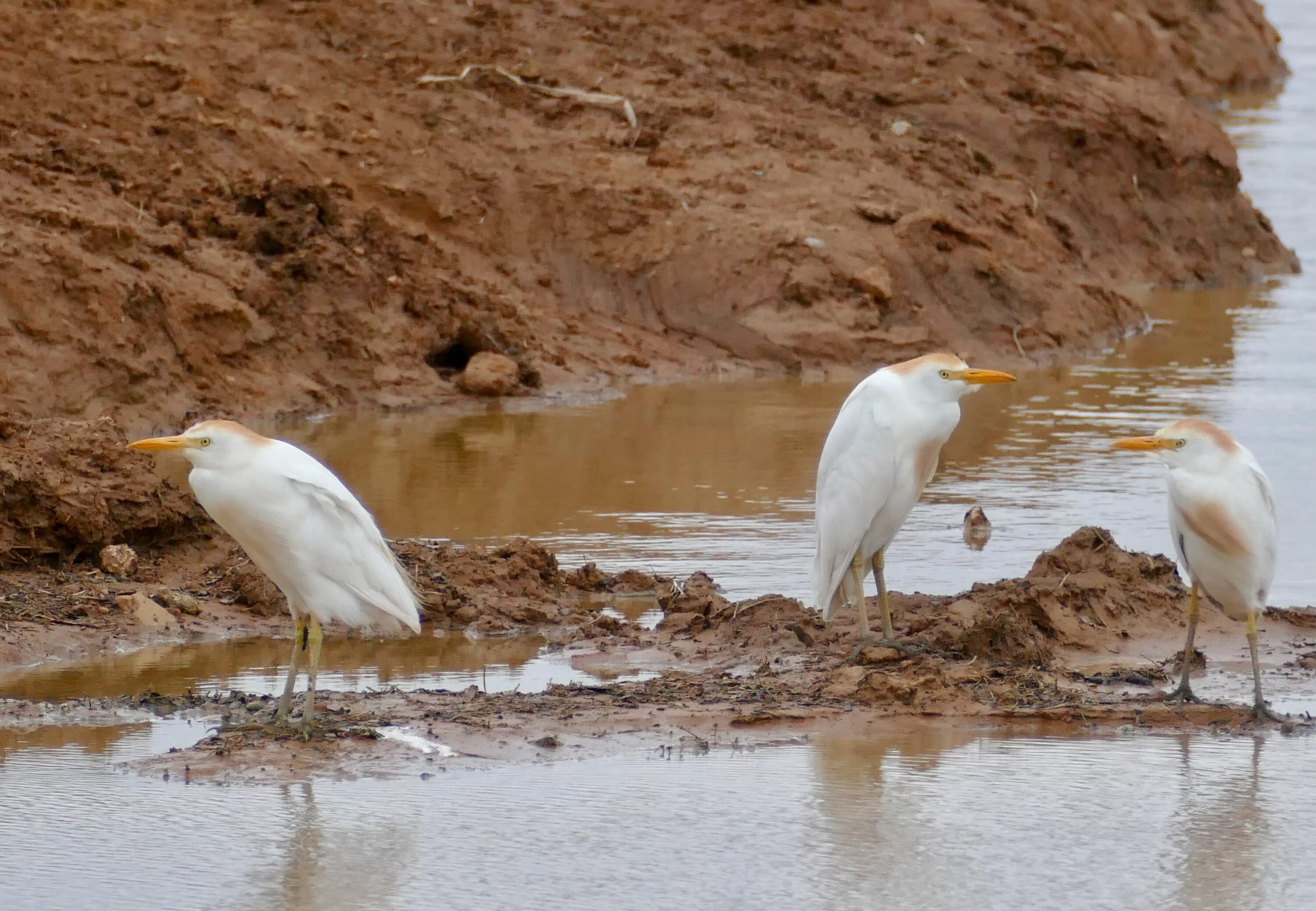
Western Cattle Egrets Accounted for 99% of Occupied Nests in Ondangwa in 2020 as Other Species Declined
At the long-established Ondangwa heronry in north-central Namibia, estimated western cattle egret nests rose from about 2,500 in…
Read story →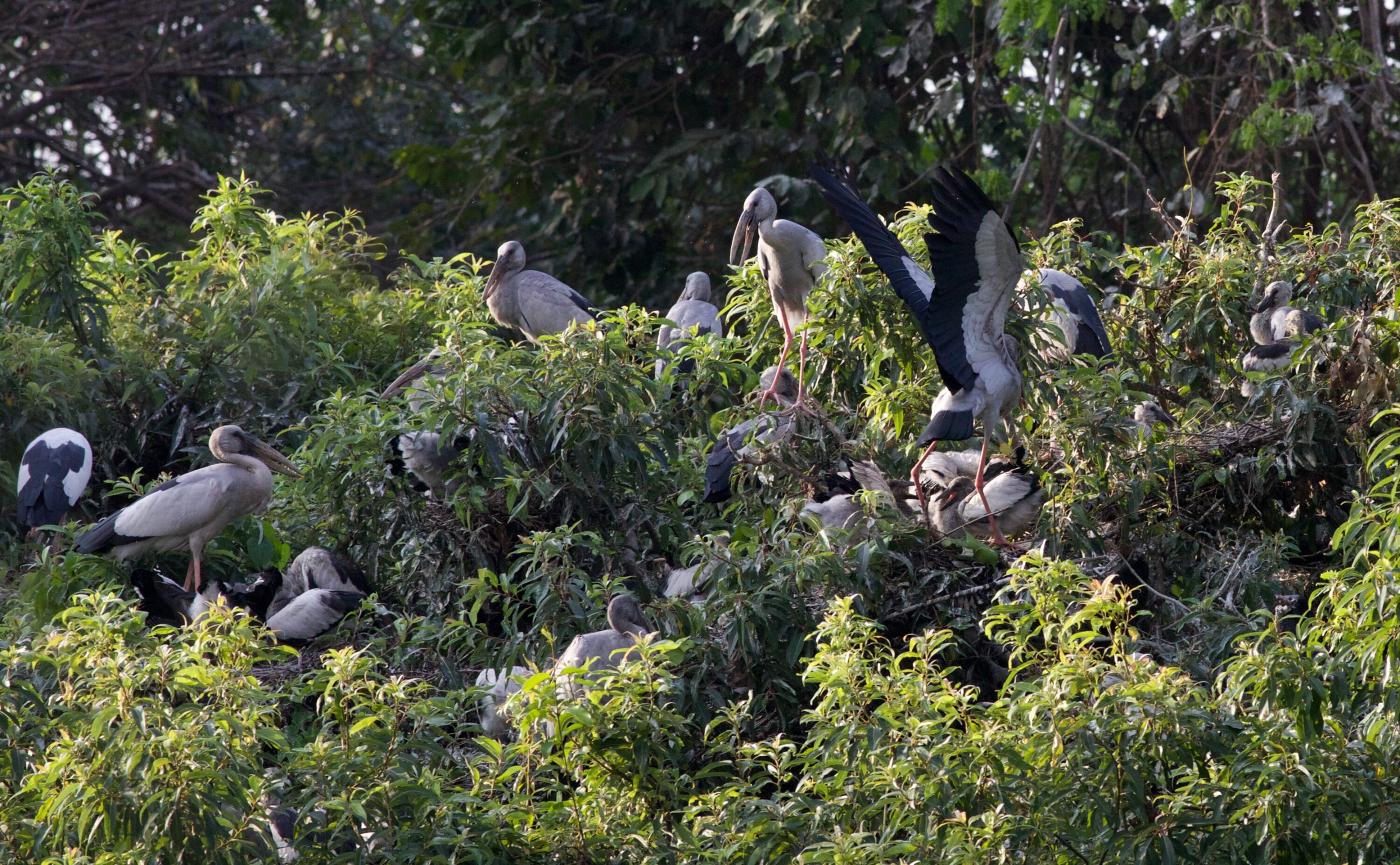
Waterbird Nest Counts Nearly Halved at an Indian Wetland, but Bird Numbers Showed No Clear Decline
At Vettangudi Bird Sanctuary in India, recorded waterbird nests fell from 396 to 190 across eight sampled breeding…
Read story →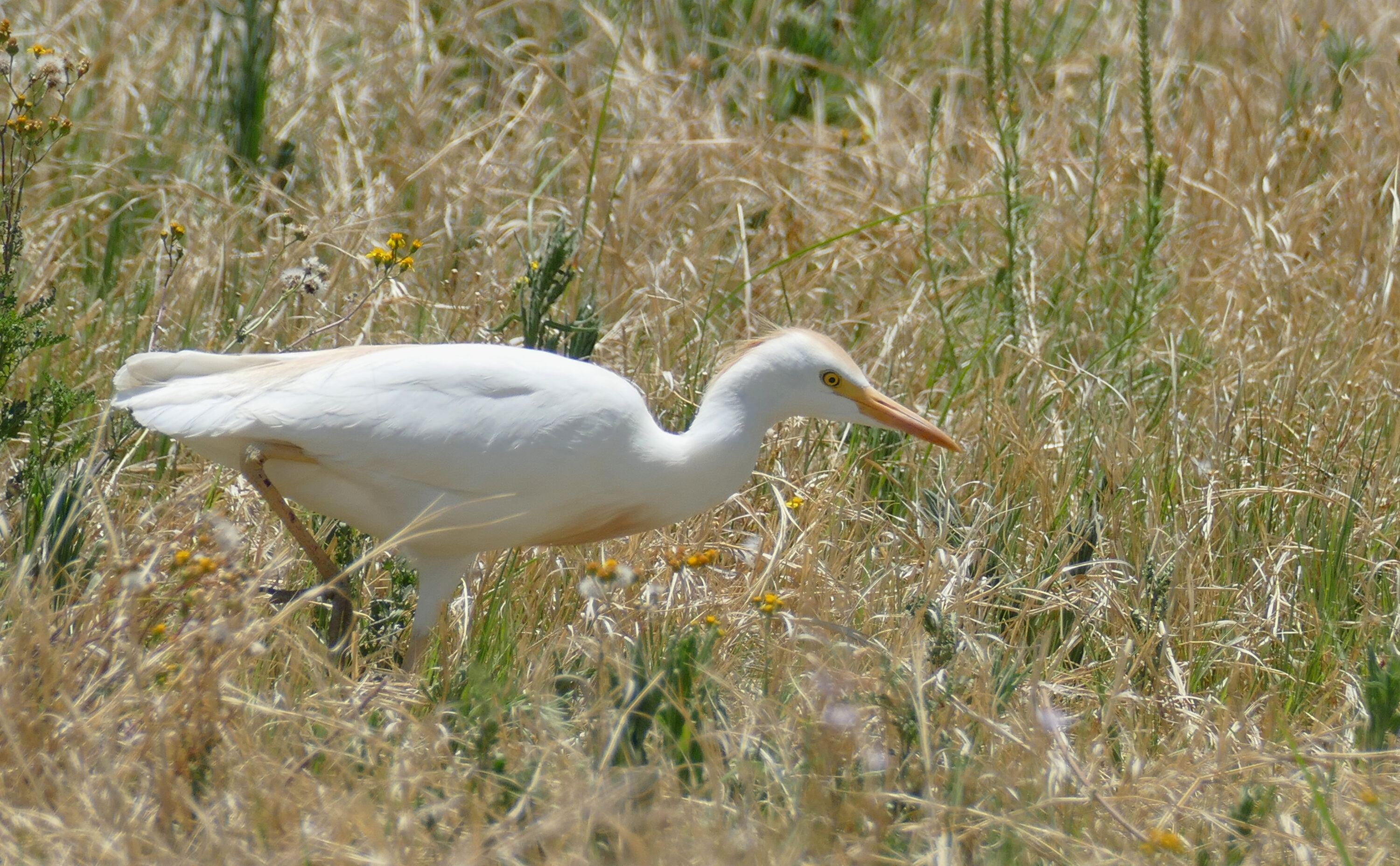
Cattle Egrets Find New Feeding Opportunities Around Farms and Towns
Cattle egrets exploit insects flushed by livestock and machinery. A review of 173 studies links this flexibility with…
Read story →SPECIES IN THIS STORY
Species in this story
Independent research and conservation news archive
Did you find this information useful?
Wildlife Vagabond is independently built and maintained. Voluntary support helps cover source verification, hosting and continued work on research and conservation news.
Support Wildlife VagabondThe news archive will remain freely available.