
Western Marsh Harriers Laid Earlier in Wetter Februaries, and Pairs With Paler Males Bred More Successfully
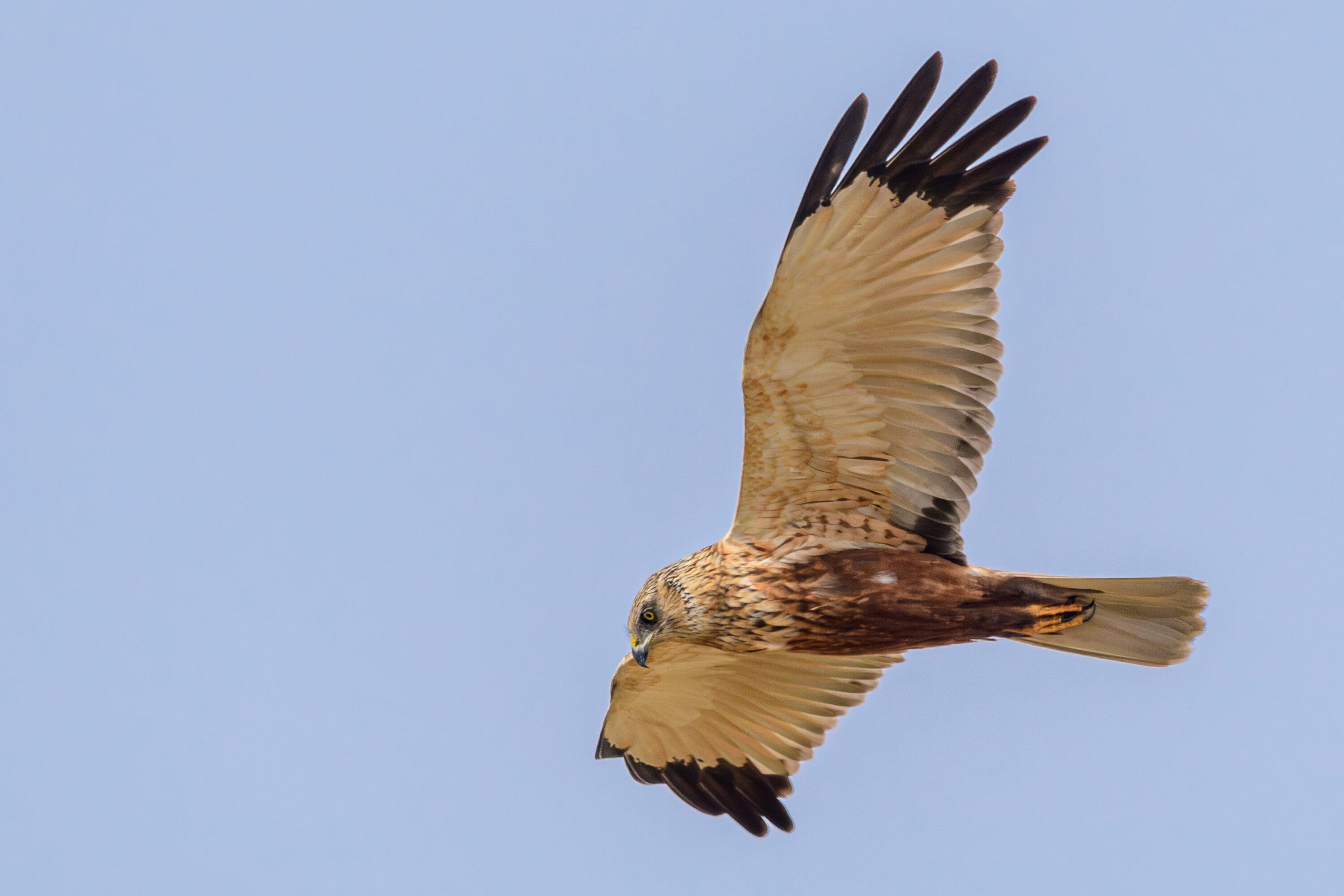
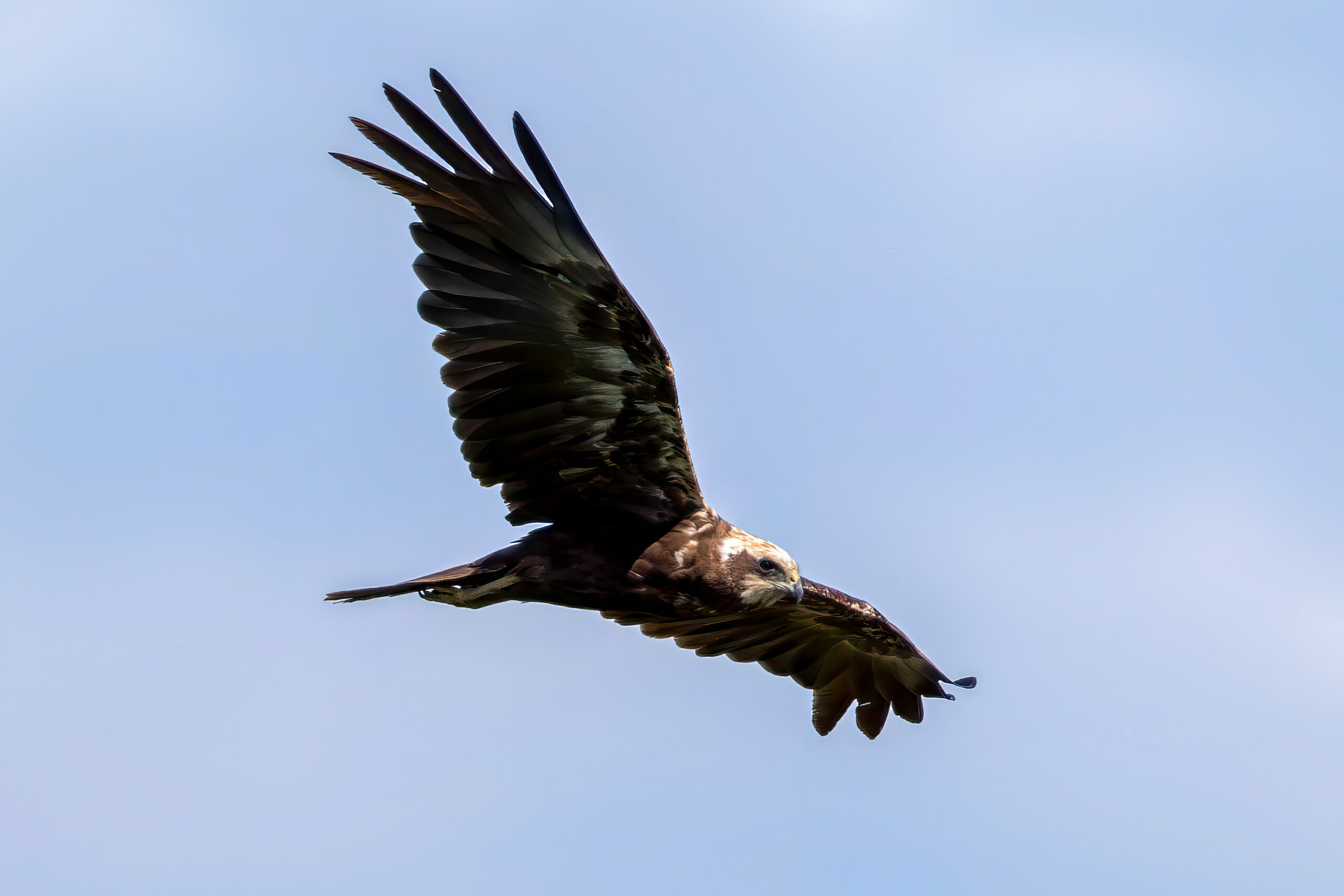
An eight-year study of western marsh harriers (Circus aeruginosus) in Spain’s Ebro Valley found that breeding timing varied with both early-season rainfall and male plumage colouration. Across 219 breeding attempts from 2001 to 2008, pairs laid earlier when February was wetter and when the male had paler plumage.
The rainfall pattern fits the ecology of a raptor breeding in a semi-arid Mediterranean landscape. The authors suggest that wetter conditions early in the season may improve reed growth and other nesting conditions while also increasing primary productivity and prey availability. By contrast, the degree of agricultural transformation around the wetlands showed no clear relationship with laying date in this study.
Paler males were linked to earlier and more successful breeding
Pairs with paler males laid earlier and were also more likely to produce at least one fledgling. Male colouration was used as an indirect indicator of differences in age and behaviour: western marsh harrier males tend to become paler with age, and paler birds have also been associated with bolder behaviour. The study therefore does not show that pale plumage itself improves breeding success.
Late breeding carried a greater cost in wetter conditions
Breeding success generally declined as laying was delayed from the earliest dates, reached its lowest level at intermediate dates and rose slightly among the relatively few very late breeders. Rainfall changed the strength of this pattern: the drop in breeding success with later laying was more pronounced when February precipitation was higher.
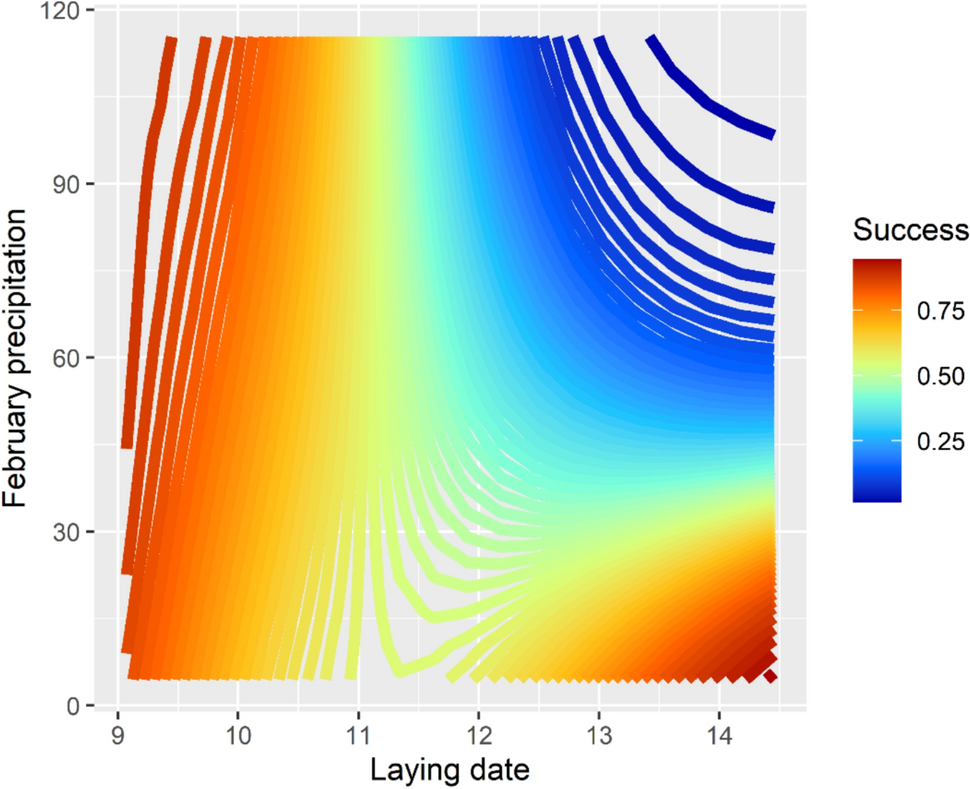
The mechanism behind this interaction is uncertain. The authors suggest that in rainier springs, late breeders may be more likely to miss the period when food availability best matches the demands of growing young. Among pairs that did breed successfully, however, the number of fledglings showed no clear relationship with laying date, climate, male plumage or agricultural transformation.
Because the birds were not individually marked, the researchers could not determine whether the same birds shifted their laying dates between wet and dry years. The results therefore reveal population-level associations between climate, breeding timing and male traits rather than repeated responses measured in known individuals.
Reproduction & development
Related news
Ten of 17 Western Marsh Harriers Recovered in West Africa Had Been Ringed in Finland or Poland
Among 17 documented western marsh harrier recoveries in Ghana, Togo and Benin, six birds had been ringed in…
Read story →
Western Marsh Harriers Preferred Greener Stop Sites During Sahara Crossings
Western marsh harriers crossing the Sahara preferred relatively greener sites for short daytime stops. GPS/GSM tracks from 2019–2023…
Read story →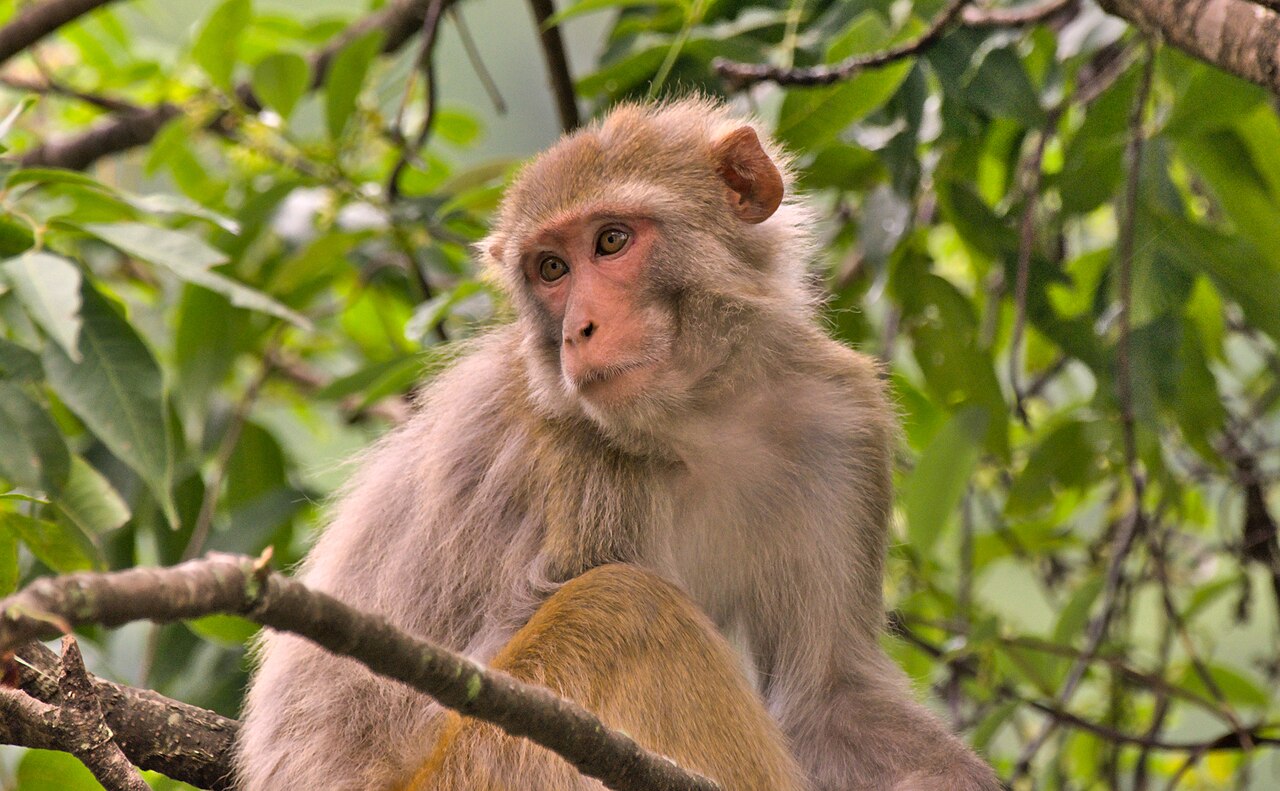
Female Rhesus Macaques That Watched Unfamiliar Female Faces Longer Were More Likely to Have Offspring the Following Year
At a semi-free-ranging population in Puerto Rico, females that spent longer looking at an unfamiliar female’s neutral face…
Read story →SPECIES IN THIS STORY
Species in this story
Independent research and conservation news archive
Did you find this information useful?
Wildlife Vagabond is independently built and maintained. Voluntary support helps cover source verification, hosting and continued work on research and conservation news.
Support Wildlife VagabondThe news archive will remain freely available.