
Wetland Vegetation Recovered After Canada Goose Control
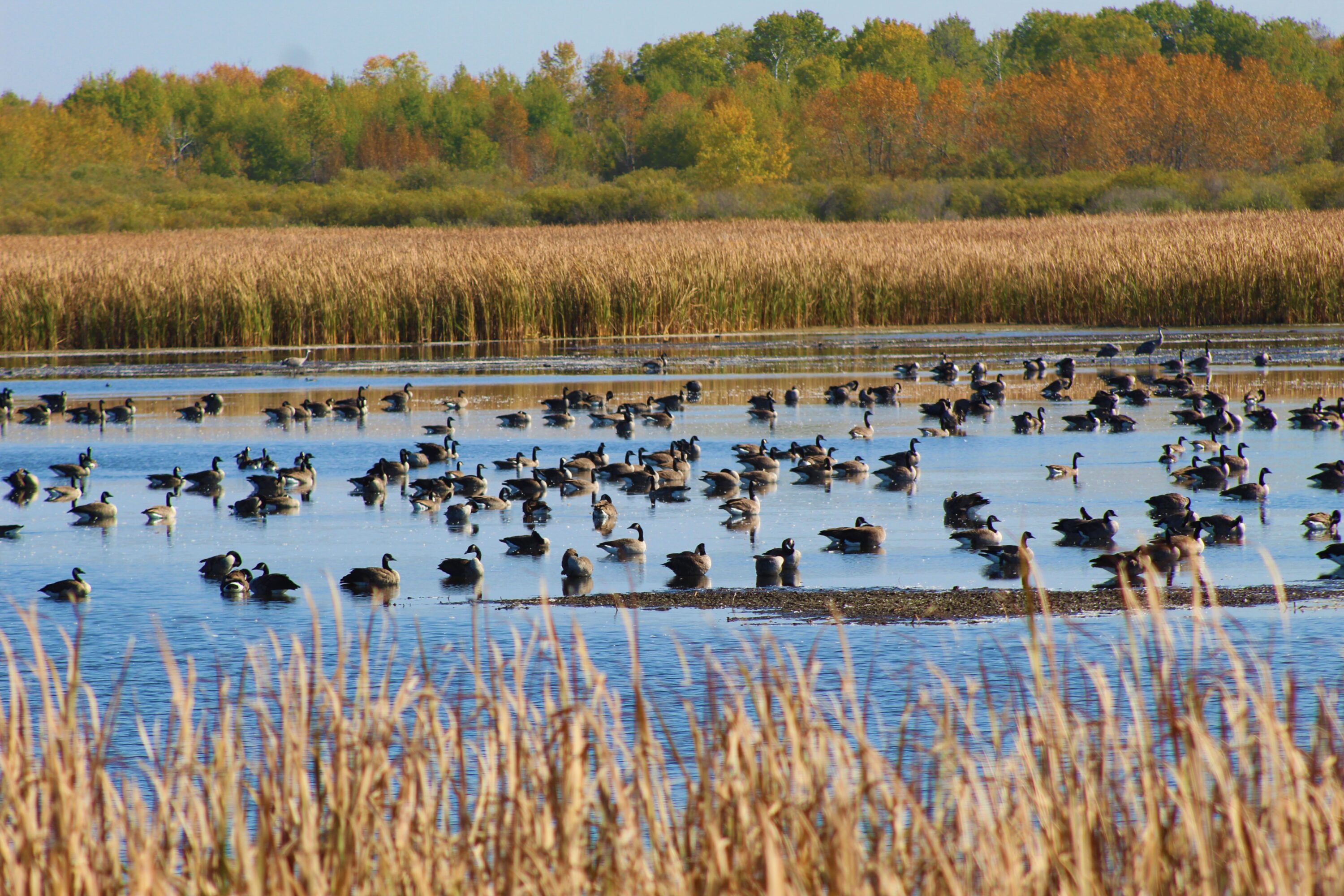
Vegetation at Kingman Marsh, a restored tidal freshwater wetland along the Anacostia River in Washington, USA, D.C., recovered strongly several years after managers reduced a resident Canada goose population, according to a study first published online on 6 June 2026. The long-running experiment followed vegetation from 2009 through 2025 and compared plots protected from large herbivores with nearby plots left open to grazing.
Resident geese kept grazing pressure high through the growing season
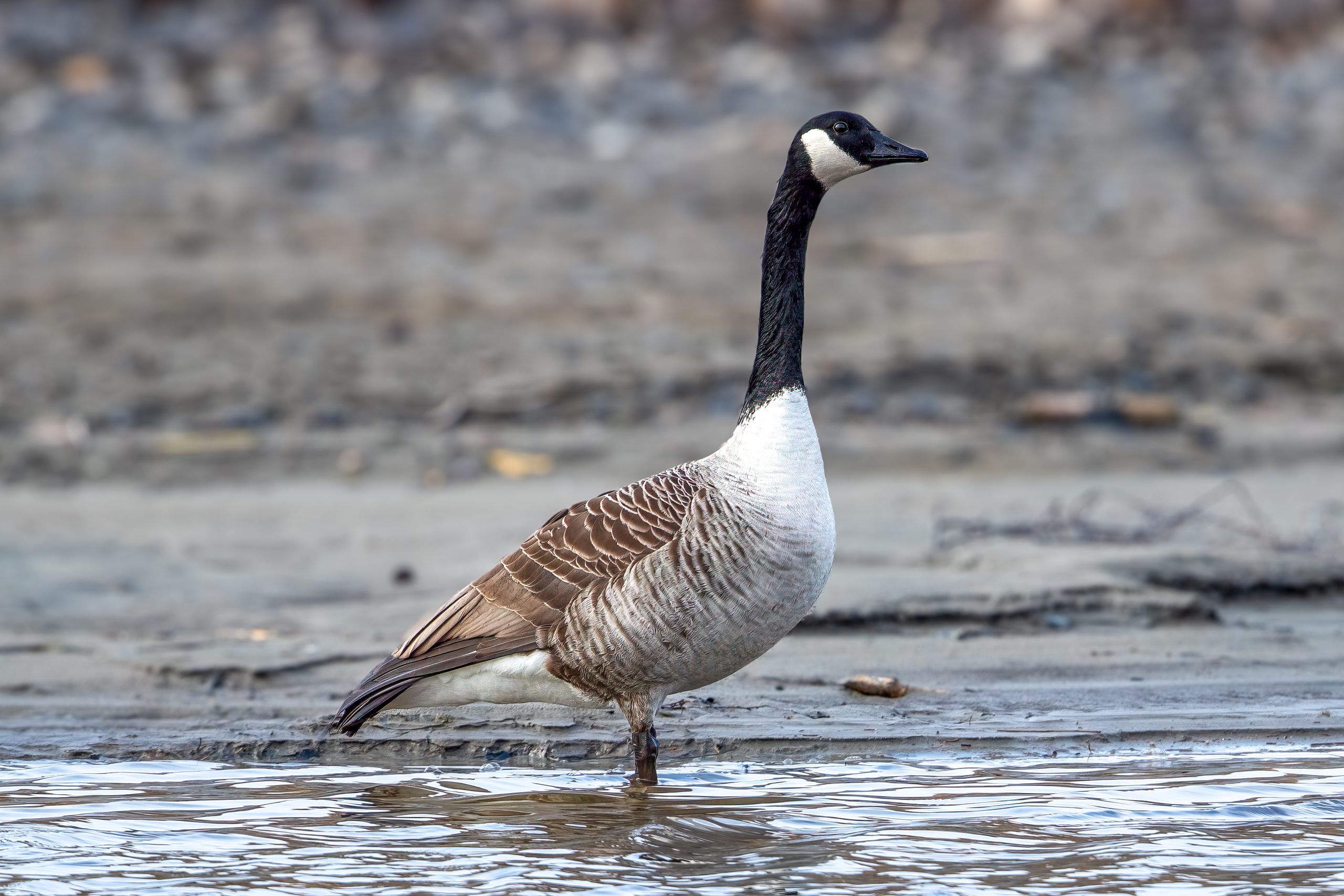
The geese were resident, non-migratory Canada geese (Branta canadensis maxima) descended from geese deliberately introduced to the eastern United States in the twentieth century. Unlike migratory geese that pass through seasonally, resident birds can graze throughout the year and especially during the plant growing season, when females and growing goslings have high food demands. Earlier work at Kingman Marsh had shown that this persistent grazing could prevent restored vegetation from establishing. The new study examined what happened after local population control was introduced as part of adaptive management — a “learning by doing” cycle in which monitoring is used to change management and the response is then measured again. In Anacostia Park, goose management has included population reduction through capture and euthanasia together with reproductive control of eggs.
Open plots began to resemble the protected exclosures
After goose numbers were reduced, the previously exposed plots showed substantial recovery. Total plant cover, cover of annual species and species richness all increased. The Shannon–Wiener Diversity Index also rose; this index combines how many plant species are present with how evenly they are represented, so the increase indicates a more diverse and less strongly dominated plant community. For most of these measures, the open plots began to resemble the exclosures that had been protected from herbivores throughout the experiment.
Plant community composition recovered more slowly than the broader measures of cover and diversity. The authors also found that vegetation conditions present when the experiment began in 2009 continued to influence the later recovery trajectory, showing a lasting ecological legacy of the plots’ initial state.
The study presents the result as evidence that local population control can reduce the pressure abundant herbivores place on vegetation when grazing is obstructing wetland restoration. It also shows the value of the adaptive-management cycle used at the site: monitoring identified goose herbivory as a barrier, management was adjusted, and the vegetation response was then followed over multiple years rather than assuming the intervention had worked.
Management
Related news
Seven overlaps linked wild-bird H5 clusters with poultry outbreaks in the US
Across seven periods between 2022 and 2025, clusters of H5 detections in wild waterfowl overlapped in time and…
Read story →
Adult Canada Geese Became Less Likely to Be Harvested Despite More Liberal Hunting Rules in Arkansas
From 2005 to 2020, estimated adult harvest probability declined while adult survival increased among Canada geese breeding in…
Read story →
Quebec Restored the Combined Daily Limit for Canada and Cackling Geese From Three to Five
Federal rules published on 1 July 2026 removed a temporary restriction in Quebec hunting districts A, C, D…
Read story →SPECIES IN THIS STORY
Species in this story
Independent research and conservation news archive
Did you find this information useful?
Wildlife Vagabond is independently built and maintained. Voluntary support helps cover source verification, hosting and continued work on research and conservation news.
Support Wildlife VagabondThe news archive will remain freely available.