
Survey estimated 20,200 Yellow-billed Kites killed during two hunting seasons in southern Benin
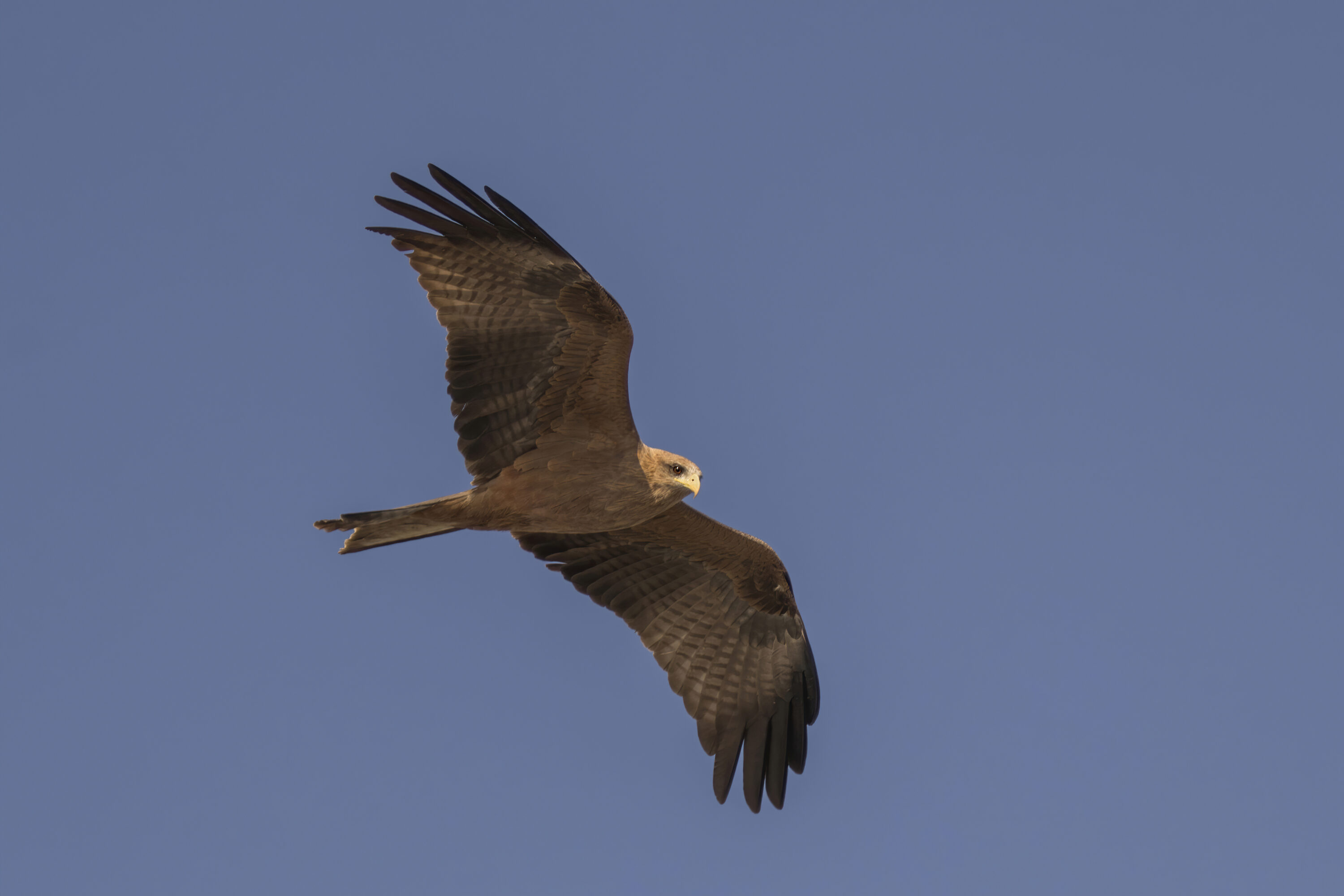
Yellow-billed kites (Milvus aegyptius) are being killed in large numbers for food and belief-based wildlife use in southern Benin, according to field research reported by Mongabay in July 2026. The figures came from researcher Abiola Sylvestre Chaffra’s fieldwork; the announced scientific paper had not yet been published when the findings were reported.
Two hunting seasons were estimated to have killed 20,200 kites
Researcher Abiola Sylvestre Chaffra of the International Bird Conservation Partnership surveyed hunting and trade involving the species. During the November-to-March hunting seasons in 2022 and 2023, his work estimated that hunters killed 20,200 yellow-billed kites in southern Benin. Chaffra told Mongabay that the hunts recur as the migratory kites return to the region.
Nearly 2,000 kites were counted in seven markets
The trade was also visible in wildlife markets. In February 2024, Chaffra visited seven wildlife markets serving ritual and traditional-medicine use in Benin and counted nearly 2,000 yellow-billed kites offered for sale. Birds were present alive, dead or as body parts, and chicks were also recorded. Some kites had the feathers removed from their heads and necks and were being presented for sale as hooded vultures (Necrosyrtes monachus).
Chaffra links this substitution to the severe decline of vultures in West Africa. Hooded vultures are highly sought for ritual and medicinal uses, and Chaffra described yellow-billed kites as increasingly being used as replacements as vultures become scarcer. Related hunting and trade have also been reported from neighbouring Togo and Nigeria.
Yellow-billed kites are widespread and remain globally listed as Least Concern, but the scale of the reported killing has raised concern among raptor specialists. BirdLife International’s Rob Martin told Mongabay that numbers of this magnitude are sufficient to cause population-level effects, particularly if adult birds make up part of the offtake. Ralph Buij of The Peregrine Fund likewise described the recent market figures as evidence of heavy exploitation of kites for belief-based use.
The researchers and conservationists interviewed called for stronger enforcement against illegal hunting and trade, efforts to reduce demand among traditional practitioners, continued monitoring of wildlife markets and tracking studies to establish where the kites using Benin originate. These measures are intended to determine how sustained annual hunting is affecting populations that move across national borders.
Trade & poaching
Related news
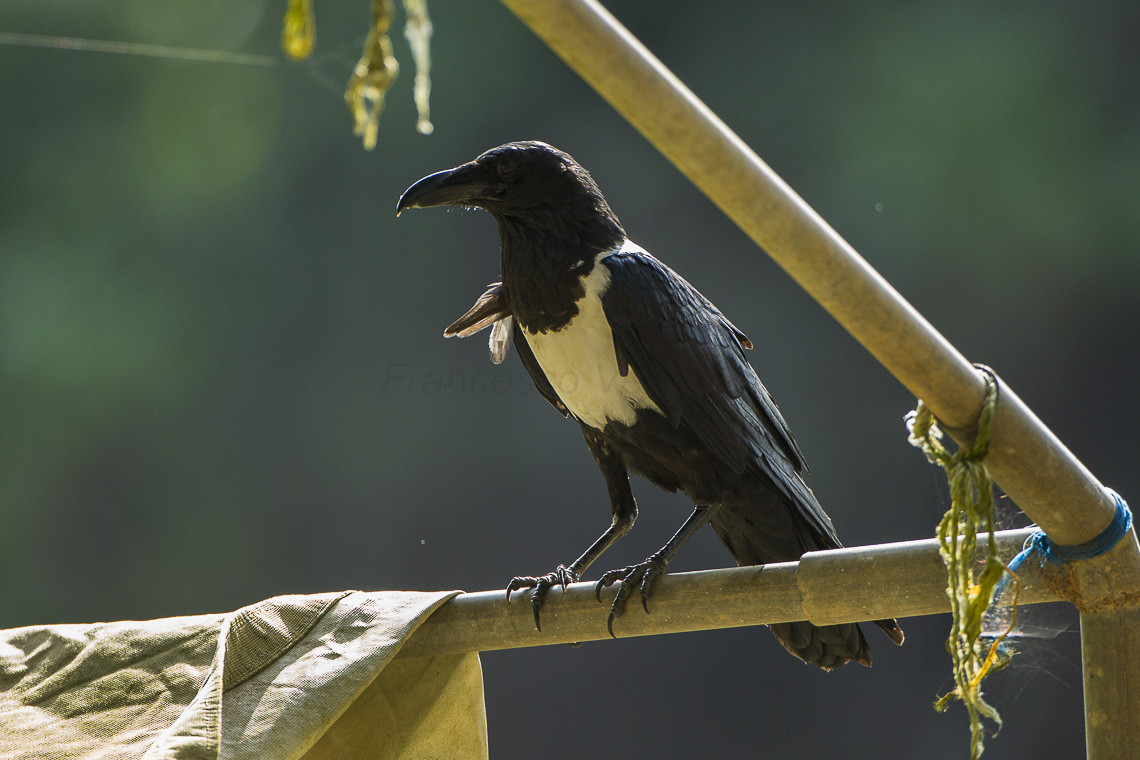
Pied Crows and Yellow-billed Kites Dominated Urbanized Ghanaian Shorelines in Both Seasons
Along a 15-km coast in Ghana’s Central Region, natural shorelines showed strong seasonal turnover in bird functional traits,…
Read story →
Online Advert Led Police to a Live Southern African Python in North West Province
South African police recovered a live Southern African python in Delareyville after it was allegedly advertised online for…
Read story →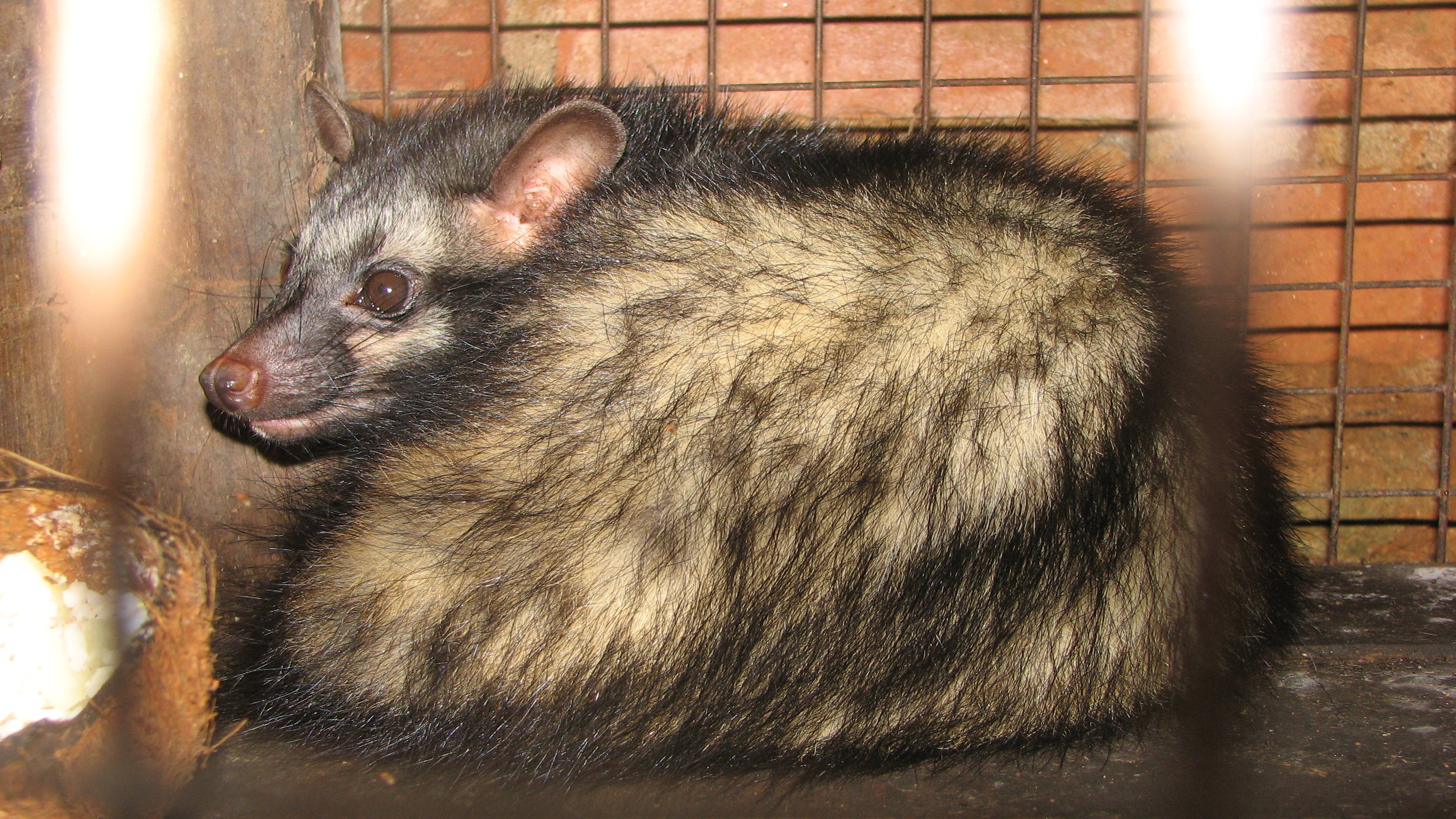
More Than Half of Surveyed Farms and Restaurants in Vietnam Said They Had Sourced Wildlife Illegally
In a 2026 study of civet and bamboo-rat supply chains in Vietnam, 34 of 63 surveyed farms and…
Read story →SPECIES IN THIS STORY
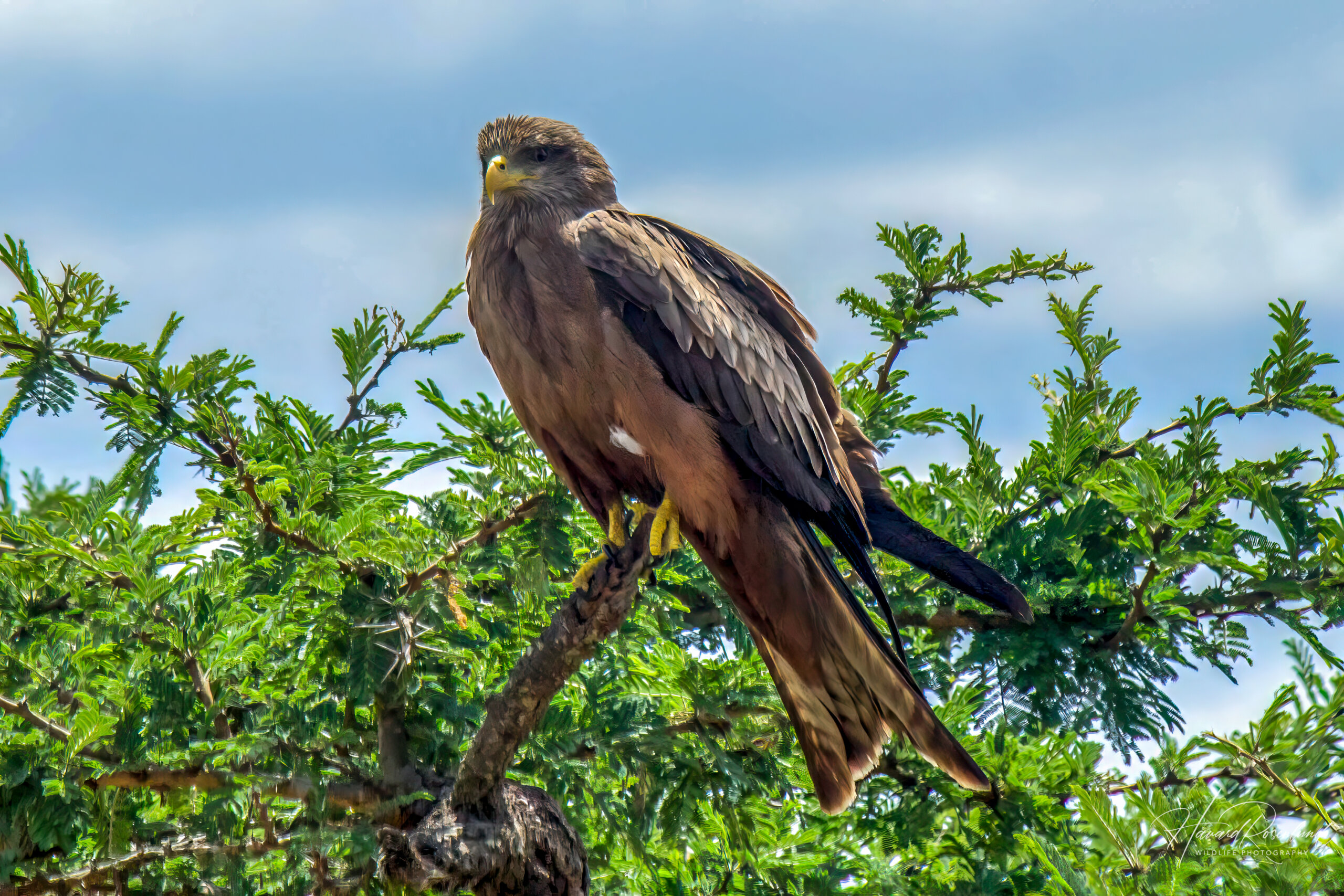
Species in this story
Independent research and conservation news archive
Did you find this information useful?
Wildlife Vagabond is independently built and maintained. Voluntary support helps cover source verification, hosting and continued work on research and conservation news.
Support Wildlife VagabondThe news archive will remain freely available.