
More Than 66,000 Yellow-fronted Canaries Were Recorded in Hong Kong Imports From 2015–2020
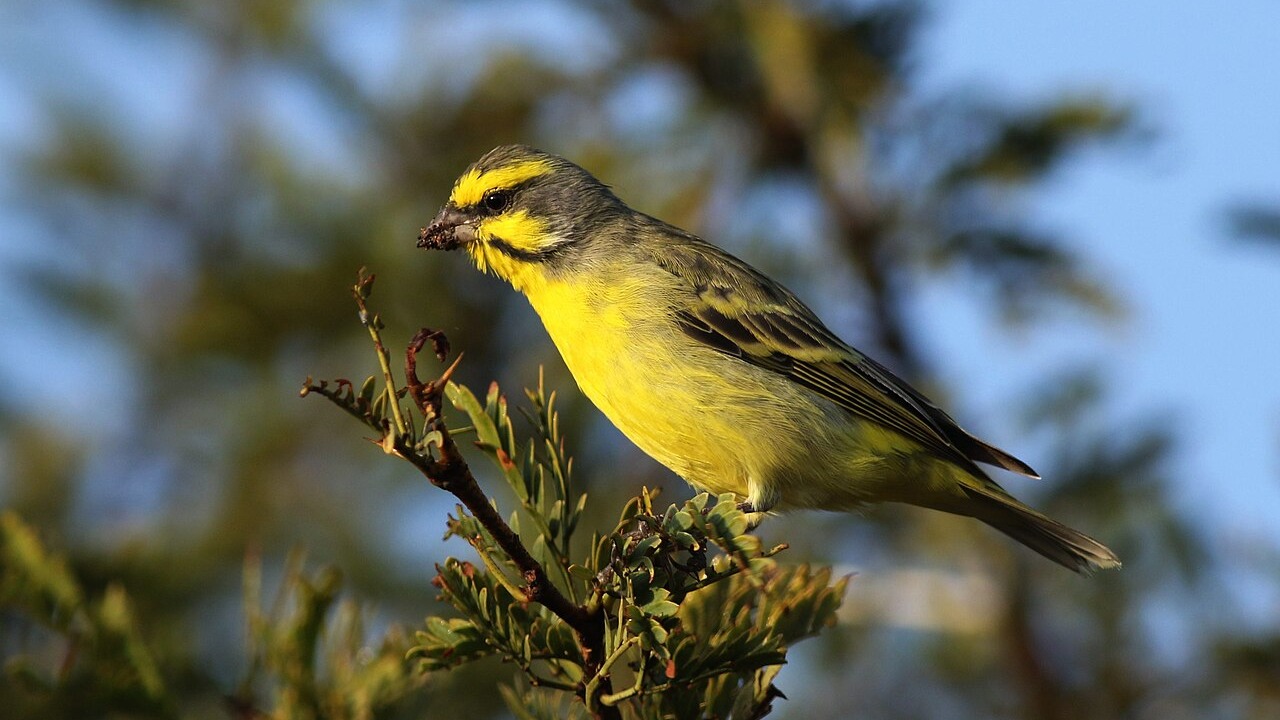
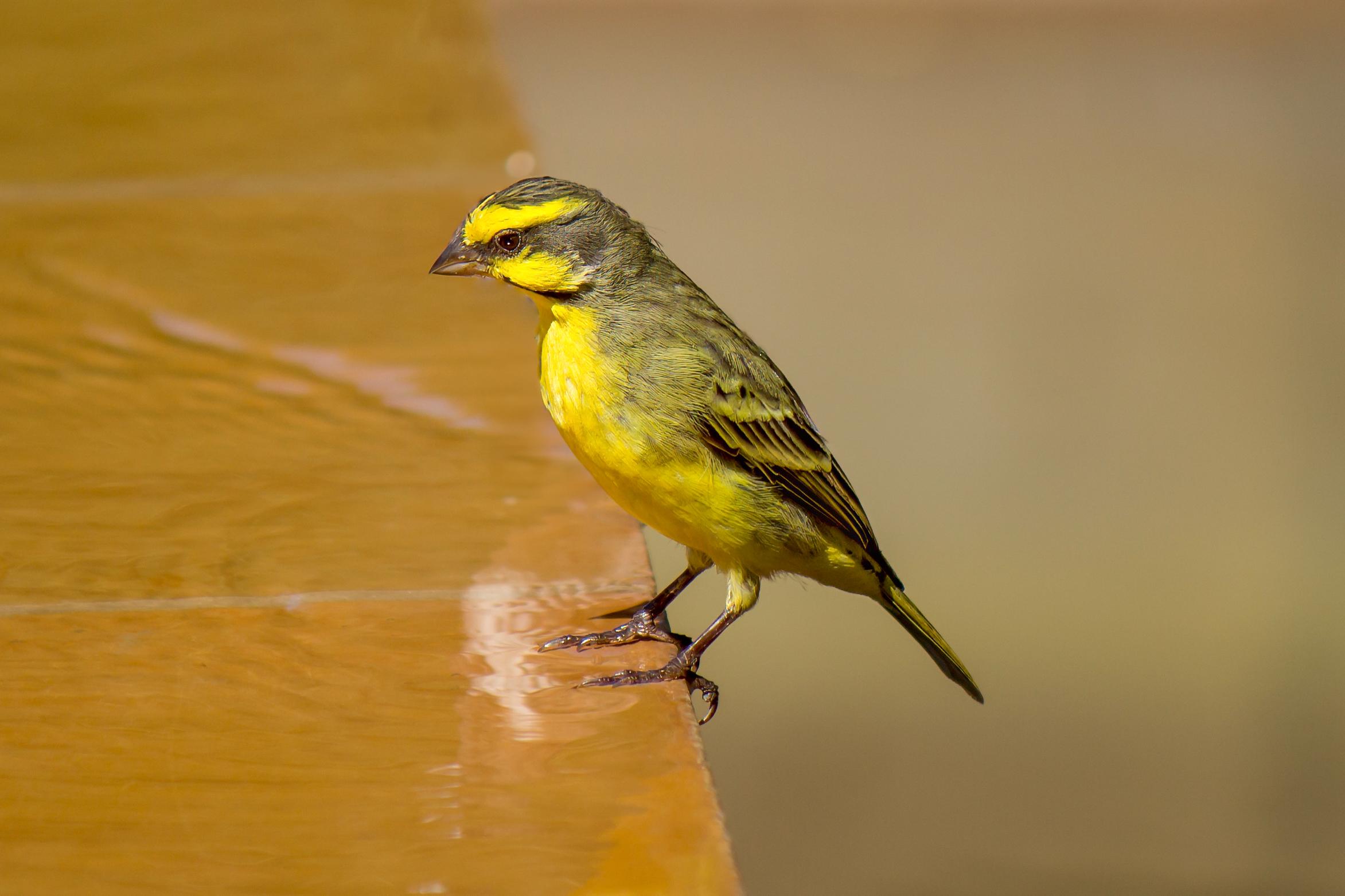
More than 66,000 yellow-fronted canaries (Crithagra mozambica) were recorded in Hong Kong import data between 2015 and 2020, making the species the most numerous African songbird identified in a new study of live-bird trade not covered by CITES species listings. CITES is the international convention that regulates trade in listed wild species, but most of the birds examined here fall outside those species-specific records. The study was first published on 23 March 2026 in Conservation Biology.
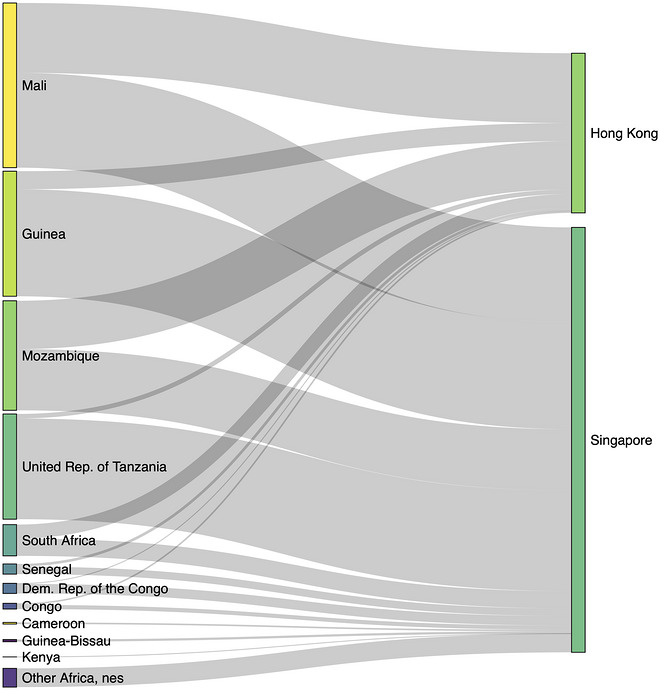
The researchers used UN Comtrade records to examine imports of live non-CITES birds from African countries to Hong Kong and Singapore between 2006 and 2020. They supplemented these records with species-specific data from Hong Kong’s Agriculture, Fisheries and Conservation Department for 2015–2020.
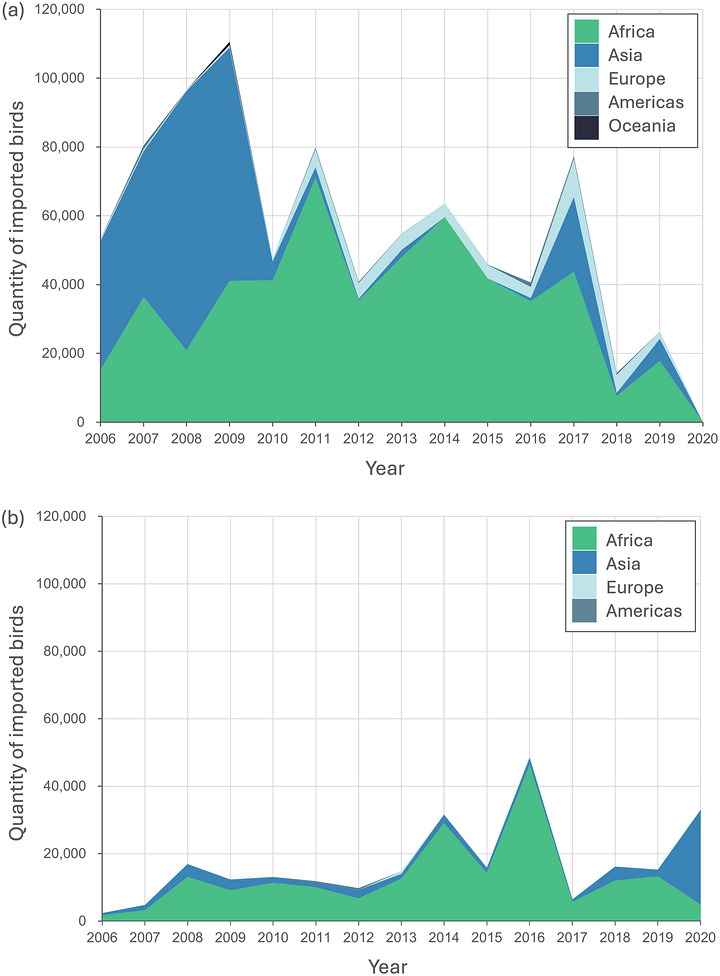
More than one million non-CITES birds were recorded over 15 years
Across the full 15-year period, more than one million non-CITES birds were imported to Hong Kong and Singapore. The species-level Hong Kong data contained between 132,905 and 147,908 birds representing 34 African species imported from five African countries and Malaysia. Some species were also imported via Malaysia, so the authors present ranges when the African origin of those re-exported birds cannot be established with certainty. The figures represent reported trade rather than a complete census: importer and exporter records often disagreed, and export records were missing from some major source countries.
Yellow-fronted canary was the most numerous individual species, with between 66,583 and 66,883 birds recorded. White-rumped seedeater (Crithagra leucopygia) ranked second, with between 45,990 and 57,590. Together, these two species accounted for 84% of the recorded imports from Africa during 2015–2020.
Canaries in the genus Crithagra dominated the trade more broadly. The six most frequently imported species all belonged to this genus and together represented about 95% of the birds imported from Africa in the species-specific dataset.
Yellow-fronted canary is currently listed as least concern on the IUCN Red List, but the study notes that its wild population is considered to be declining and that trapping for trade has been identified as a cause of decline. The Songbirds in Trade Database also identifies trade as a plausible threat to the species.
The records do not reliably separate wild-caught from captive-bred birds
The trade records do not distinguish comprehensively between wild-caught and captive-bred birds. The authors nevertheless conclude that much of the canary trade from African source countries is likely to involve wild-caught birds, based on the economics and regulation of the trade and the limited evidence for large-scale breeding facilities in most source countries.
The authors argue that the scale of trade in birds not covered by CITES is poorly captured by conservation monitoring based only on CITES records. They recommend more taxonomically detailed customs reporting and stronger import restrictions where exporting countries cannot demonstrate legal acquisition or adequate disease-surveillance systems.
Trade & poaching
Related news
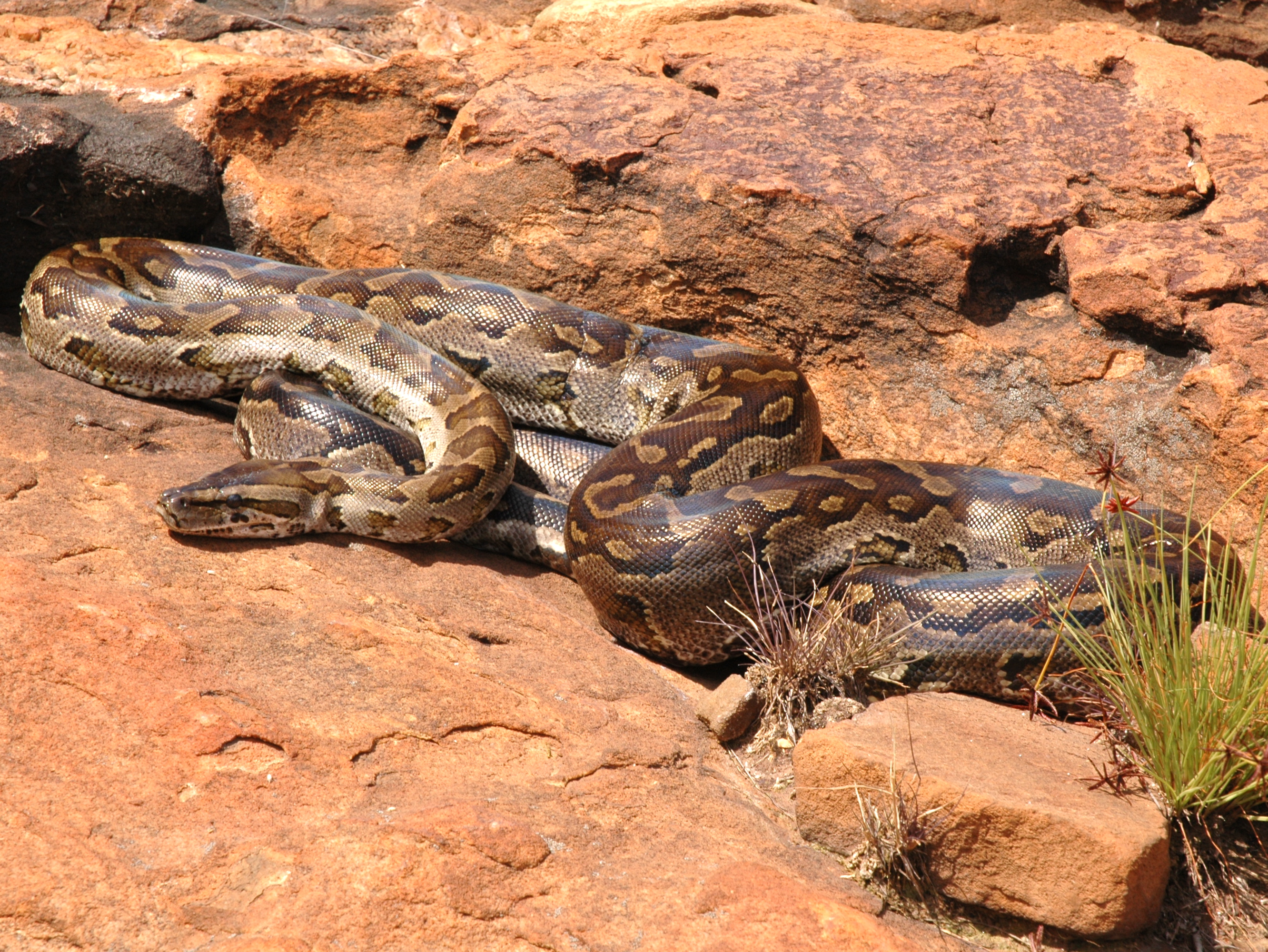
Online Advert Led Police to a Live Southern African Python in North West Province
South African police recovered a live Southern African python in Delareyville after it was allegedly advertised online for…
Read story →
More Than Half of Surveyed Farms and Restaurants in Vietnam Said They Had Sourced Wildlife Illegally
In a 2026 study of civet and bamboo-rat supply chains in Vietnam, 34 of 63 surveyed farms and…
Read story →
Three Protected Squacco Herons Shot Dead Along Malta’s Żonqor Coast
A BirdLife Malta team filmed a hunter firing at a resting flock of around 30 protected squacco herons…
Read story →SPECIES IN THIS STORY
Species in this story
Independent research and conservation news archive
Did you find this information useful?
Wildlife Vagabond is independently built and maintained. Voluntary support helps cover source verification, hosting and continued work on research and conservation news.
Support Wildlife VagabondThe news archive will remain freely available.