
17 black rhinos return to Matusadona after a decade-long absence
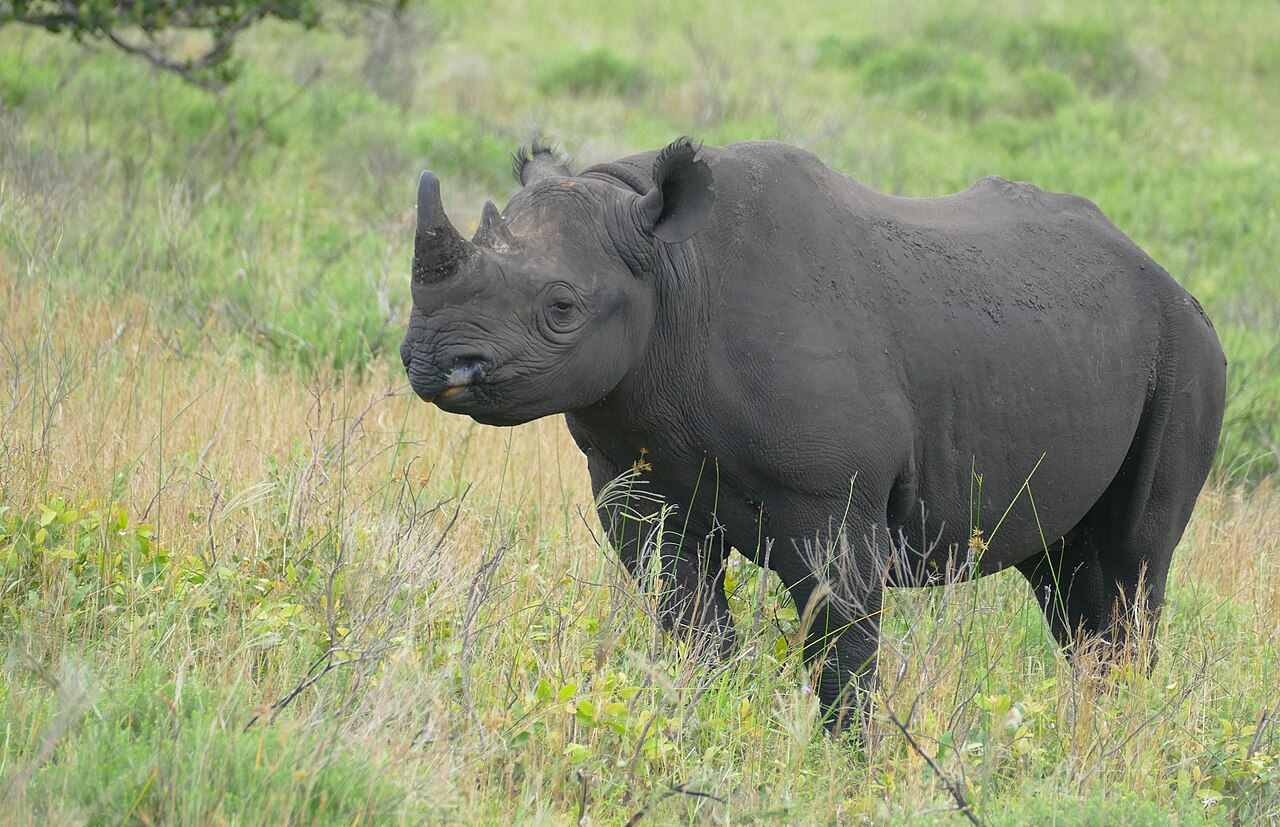
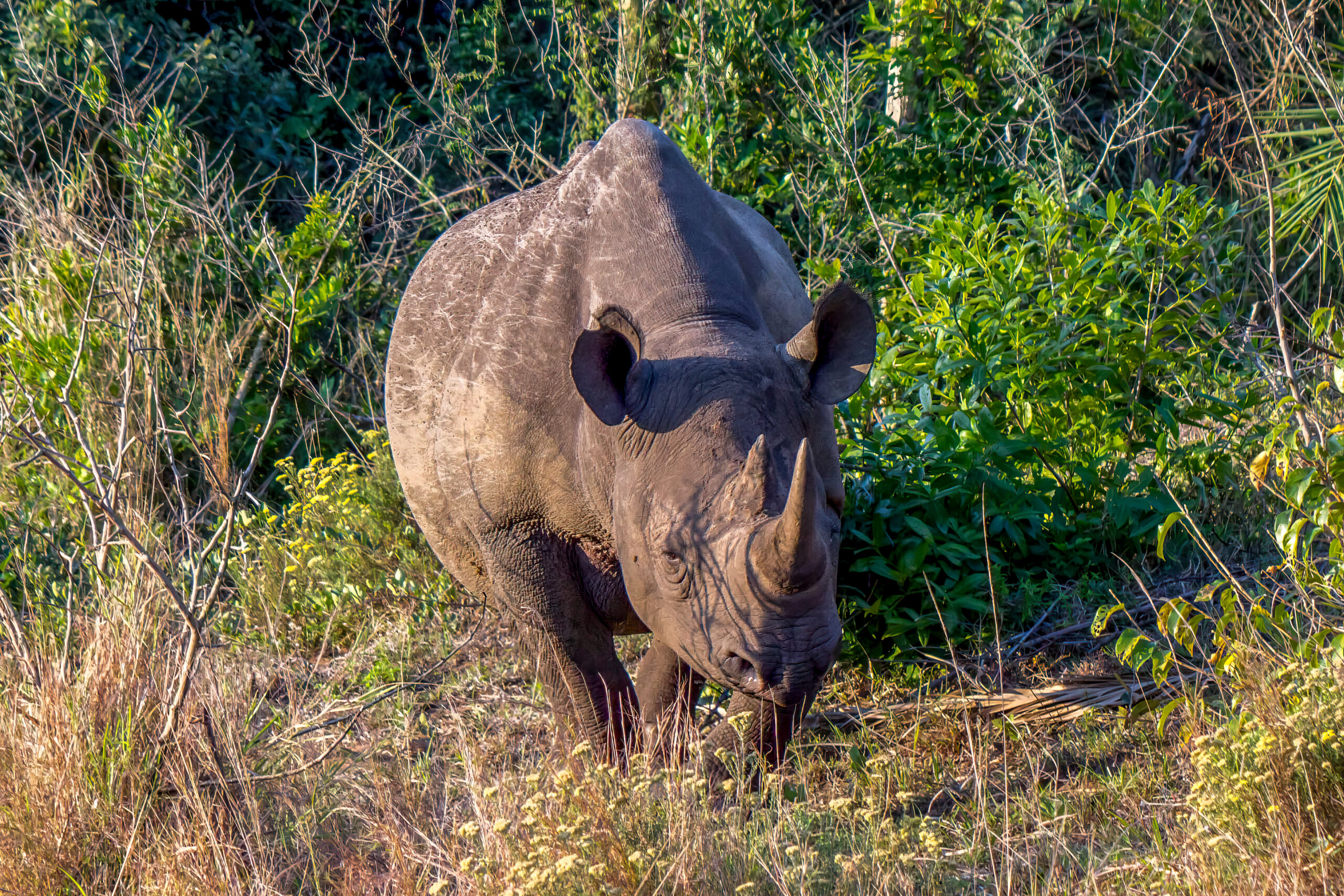
Seventeen black rhinoceroses (Diceros bicornis) have been reintroduced to Matusadona National Park in Zimbabwe, bringing the species back to a landscape where it had been absent since 2016. The animals arrived in early June as the first group in a broader effort to rebuild a secure founder population in the park.
The return has an unusually long conservation history behind it. Black rhinos once thrived around Matusadona and Lake Kariba, but heavy poaching devastated Zimbabwe’s population during the 1980s and early 1990s. Animals were moved into intensive protection zones, private conservancies and other secure sites to preserve the remaining population. Matusadona recovered to roughly 45 black rhinos by 2000, but later declined again, and the last confirmed animal in the park was recorded by camera trap in 2016.
Descendants of Matusadona rhinos have returned to the landscape
The 2026 reintroduction therefore does more than move animals into suitable habitat. Two of the source populations contain direct descendants of rhinos that were removed from Matusadona during the earlier poaching crisis. Part of the genetic lineage that conservationists deliberately safeguarded decades ago has now been returned to the landscape it came from.
Protection and habitat conditions have changed since the earlier decline
Conditions in the park have also changed substantially. Ranger numbers have increased from 27 to around 110, supported by additional scouts around the park boundary, while roads, communications, law-enforcement capacity and relationships with surrounding communities have been strengthened. Ecological assessments found extensive browse, more than 70 perennial springs and enough year-round water to support black rhinos.
Each reintroduced animal carries a tracking device and is being followed by dedicated field teams and K9 units. The aim is not simply to keep the 17 animals alive, but to establish a breeding population that can become part of Zimbabwe’s wider black-rhino metapopulation — a network of managed populations considered together rather than as isolated units.
Reintroductions & translocations
Related news
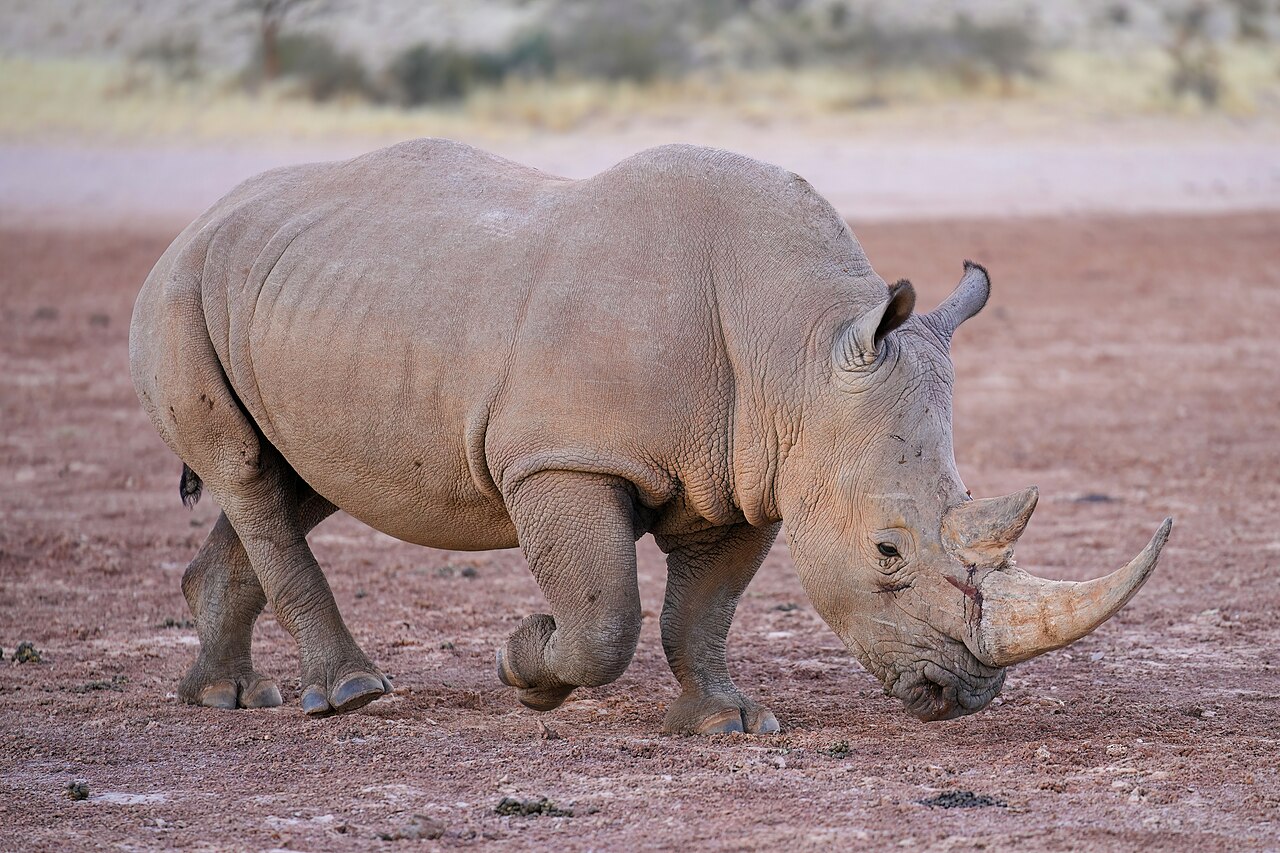
Vitamin D3 Was About Twice as High in Summer in Managed Black and White Rhinoceroses
Serum from 75 rhinoceroses at 27 U.S. institutions showed strong seasonal and geographical variation in 25-hydroxyvitamin D3, while…
Read story →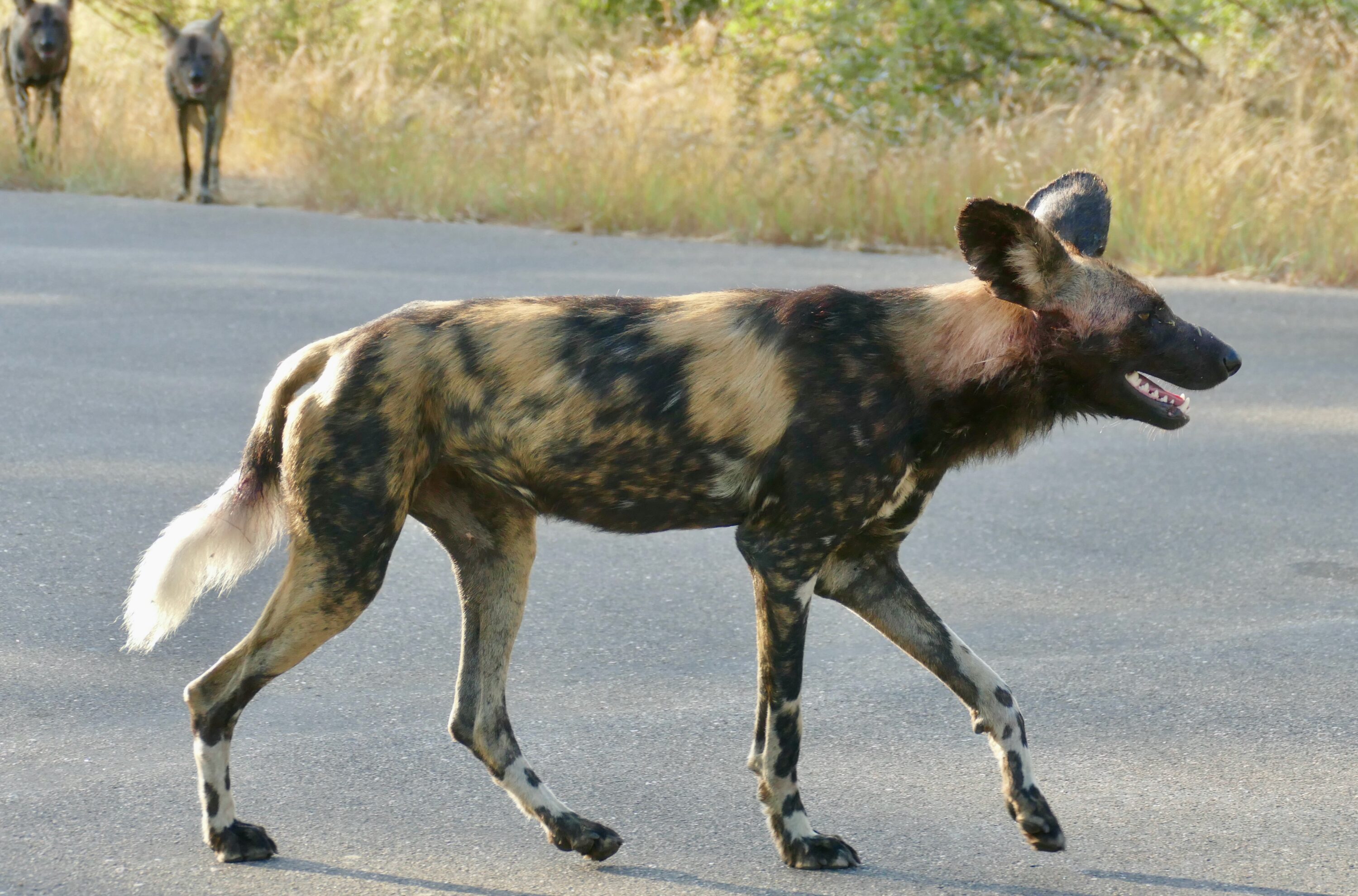
Food Leaves Its Mark on the Gut Bacteria of Kruger’s Wildlife
Gut bacteria in nine mammal species from Kruger National Park followed clear patterns linked to food and digestion.…
Read story →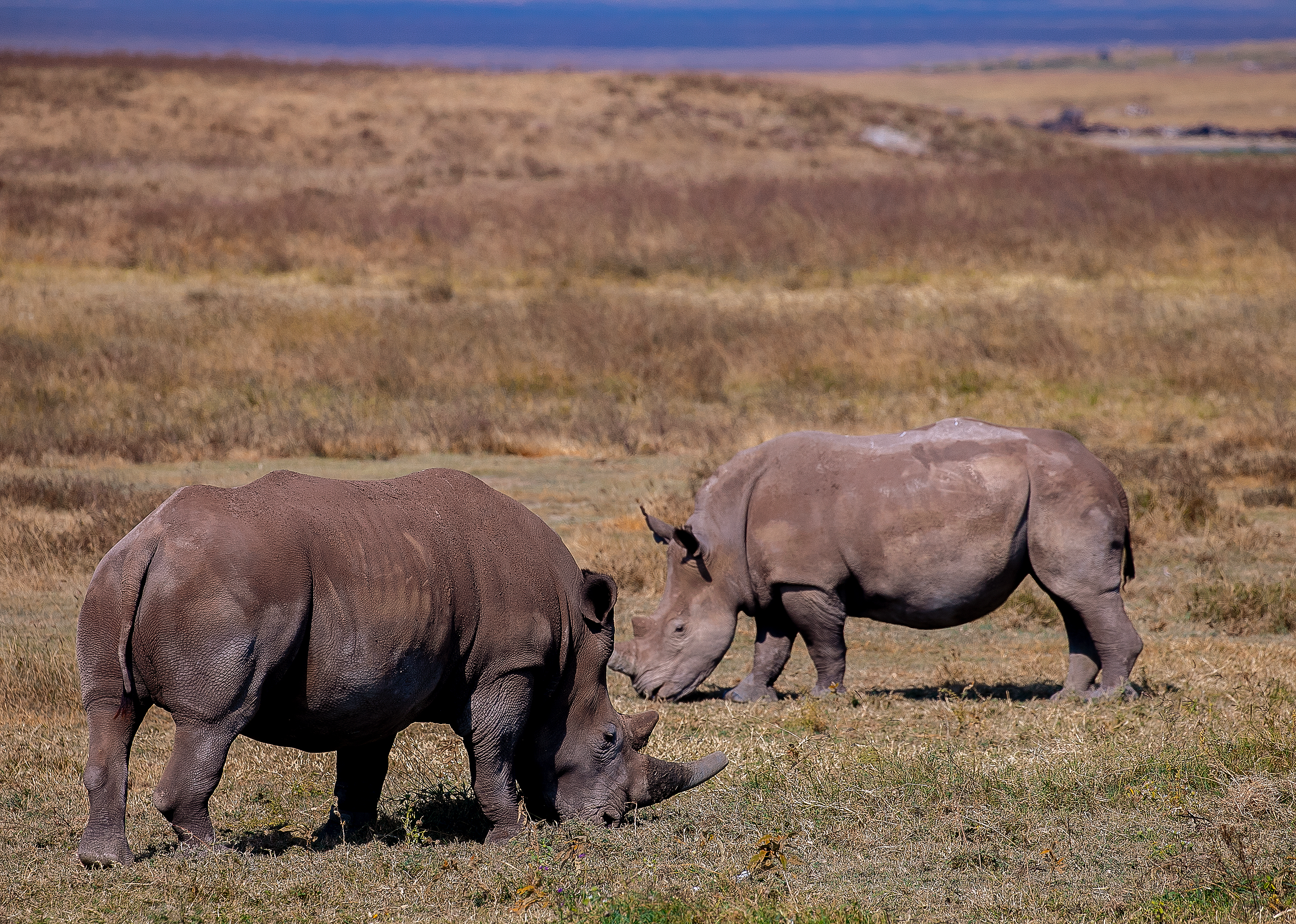
Rhinos Responded Differently to an Unfamiliar Basket
Black rhinos sniffed, snorted and retreated more often than white rhinos when an unfamiliar basket was placed in…
Read story →SPECIES IN THIS STORY
Species in this story
Independent research and conservation news archive
Did you find this information useful?
Wildlife Vagabond is independently built and maintained. Voluntary support helps cover source verification, hosting and continued work on research and conservation news.
Support Wildlife VagabondThe news archive will remain freely available.