
Golden Jackal Abundance Increased Over 51 Years in Israel, With the Strongest Rises in Central and Northern Regions
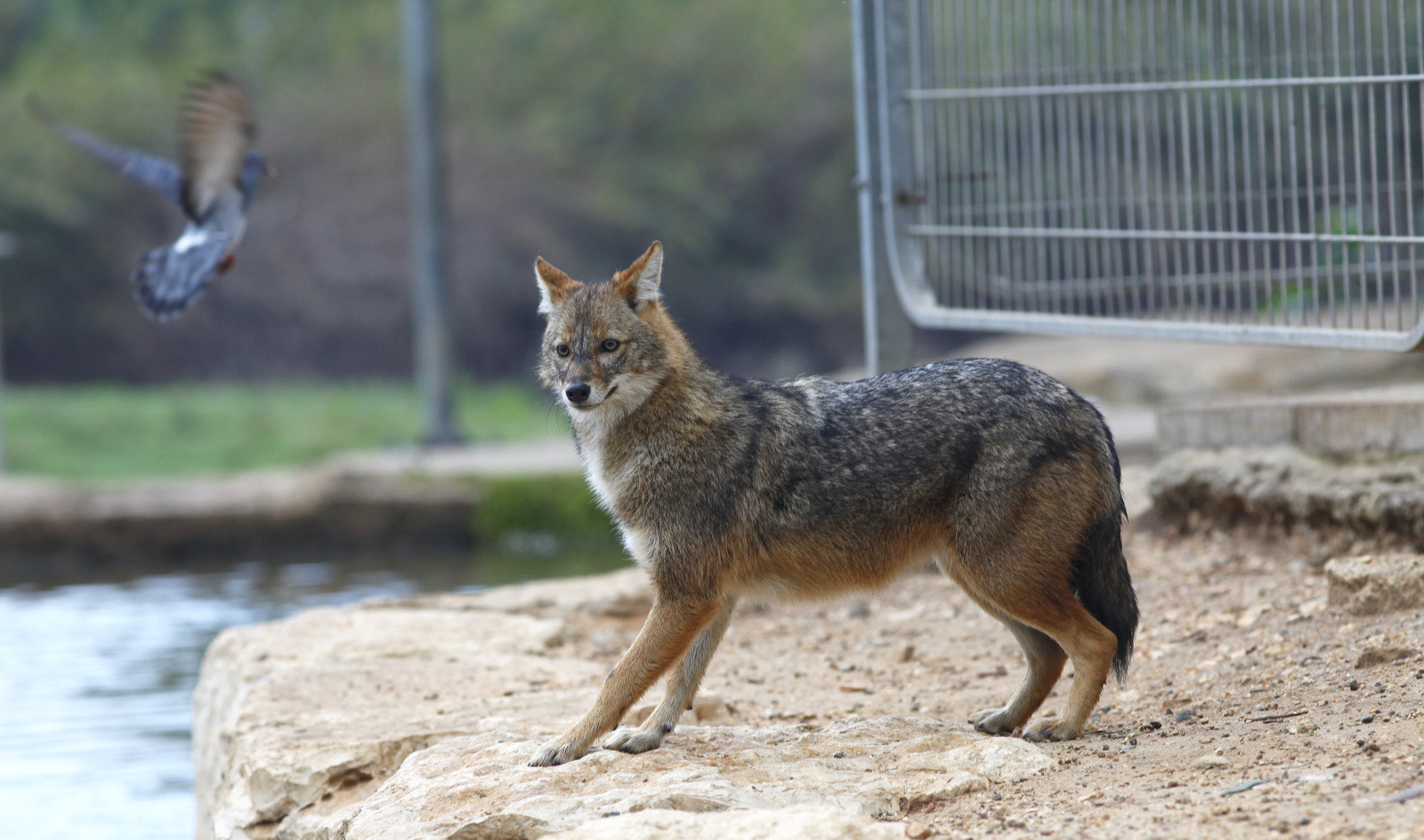
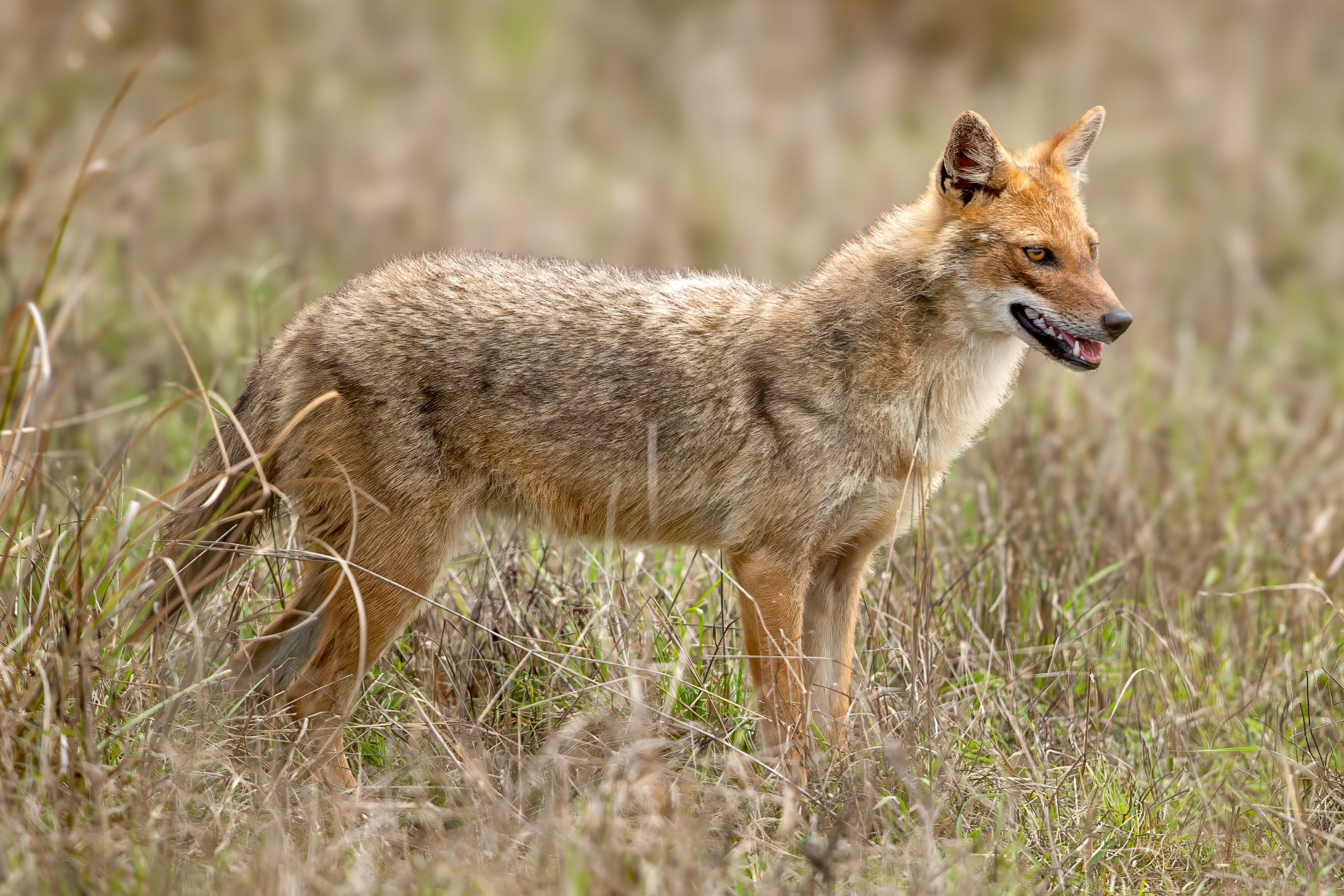
A 51-year analysis of golden jackal (Canis aureus) population dynamics in Israel found a clear long-term increase, with the strongest rises in central and northern parts of the country. The study, published on 1 July 2026, combined long-term abundance analyses with species-distribution modelling to examine both population change and habitat preferences.
The authors analysed how jackal abundance changed through time and then used several Species Distribution Models (SDMs) together. These models relate where jackals are recorded to environmental and landscape conditions, allowing the researchers to identify which types of landscape were more strongly associated with occurrence.
The long-term trend was upward but regionally uneven
Across the five-decade time series, golden jackal abundance showed a clear overall increase. The rise was not uniform across Israel: central and northern regions showed the strongest increases.
The study places this pattern in the broader context of human-altered landscapes. The authors note that mesopredators can sometimes increase where apex predators are absent or declining and that historical predator-control campaigns and ongoing human pressures may have shaped conditions in the Middle East. They do not, however, identify a single demonstrated cause for the Israeli increase.
Farmland, grassland, shrubs and water predicted occurrence
The distribution models identified farmland, grassland, shrub cover and proximity to water as key predictors of golden jackal presence. Highly urbanised areas and desert regions were less suitable in the models.
Taken together, these results support the authors’ interpretation that golden jackals are ecologically flexible and can persist in human-modified landscapes, particularly agricultural mosaics and peri-urban areas. The models describe associations between landscape characteristics and jackal occurrence; they do not by themselves show that any one habitat feature caused the long-term population increase.
The authors call for standardised long-term monitoring
By combining long-term population modelling with habitat models, the study shows both a national increase and substantial regional variation. The authors argue that standardised long-term monitoring is needed to follow future population changes and help address conflict while accommodating conservation in landscapes shared by people and jackals.
Population & status
Related news
Similar Mammal Diversity, Different Activity Patterns in Grazed and Ungrazed Areas
Camera traps in four northern Israeli reserves found similar numbers of mammal species with and without livestock grazing.…
Read story →
Climate Best Explained Fine-Scale Genetic Connectivity in Expanding Golden Jackals
A Eurasian landscape-genomics study of 363 golden jackals found that geography dominated genetic structure at continental scale, while…
Read story →
Most New Golden Jackal Samples Around the Adriatic Matched the Pannonian Genetic Cluster
Microsatellite analysis of 27 new golden jackal samples from Croatia, Italy, Austria and Greece assigned most animals to…
Read story →SPECIES IN THIS STORY
Species in this story
Independent research and conservation news archive
Did you find this information useful?
Wildlife Vagabond is independently built and maintained. Voluntary support helps cover source verification, hosting and continued work on research and conservation news.
Support Wildlife VagabondThe news archive will remain freely available.