
744 Nests Show How Common Mynas Breed Around People
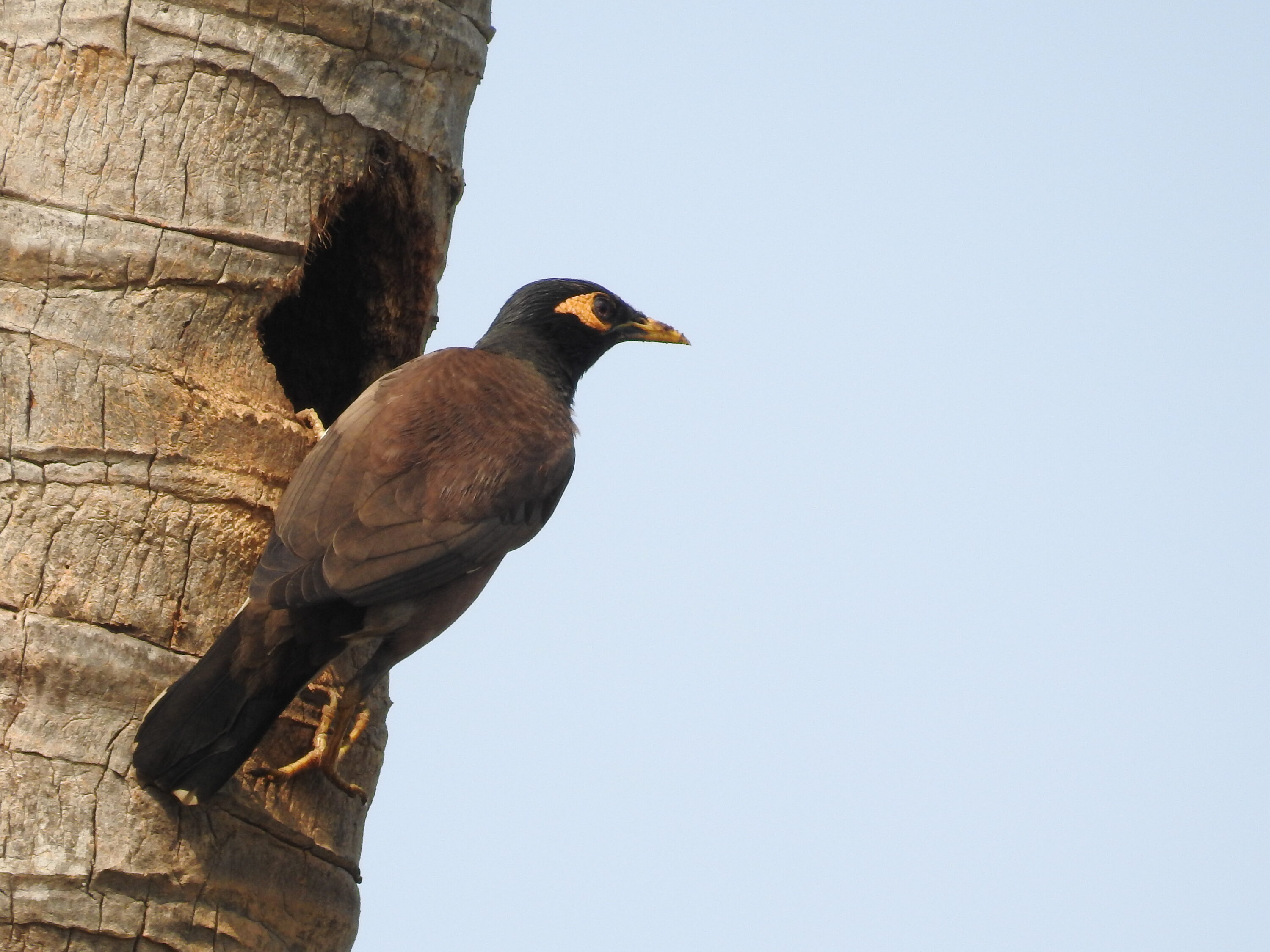
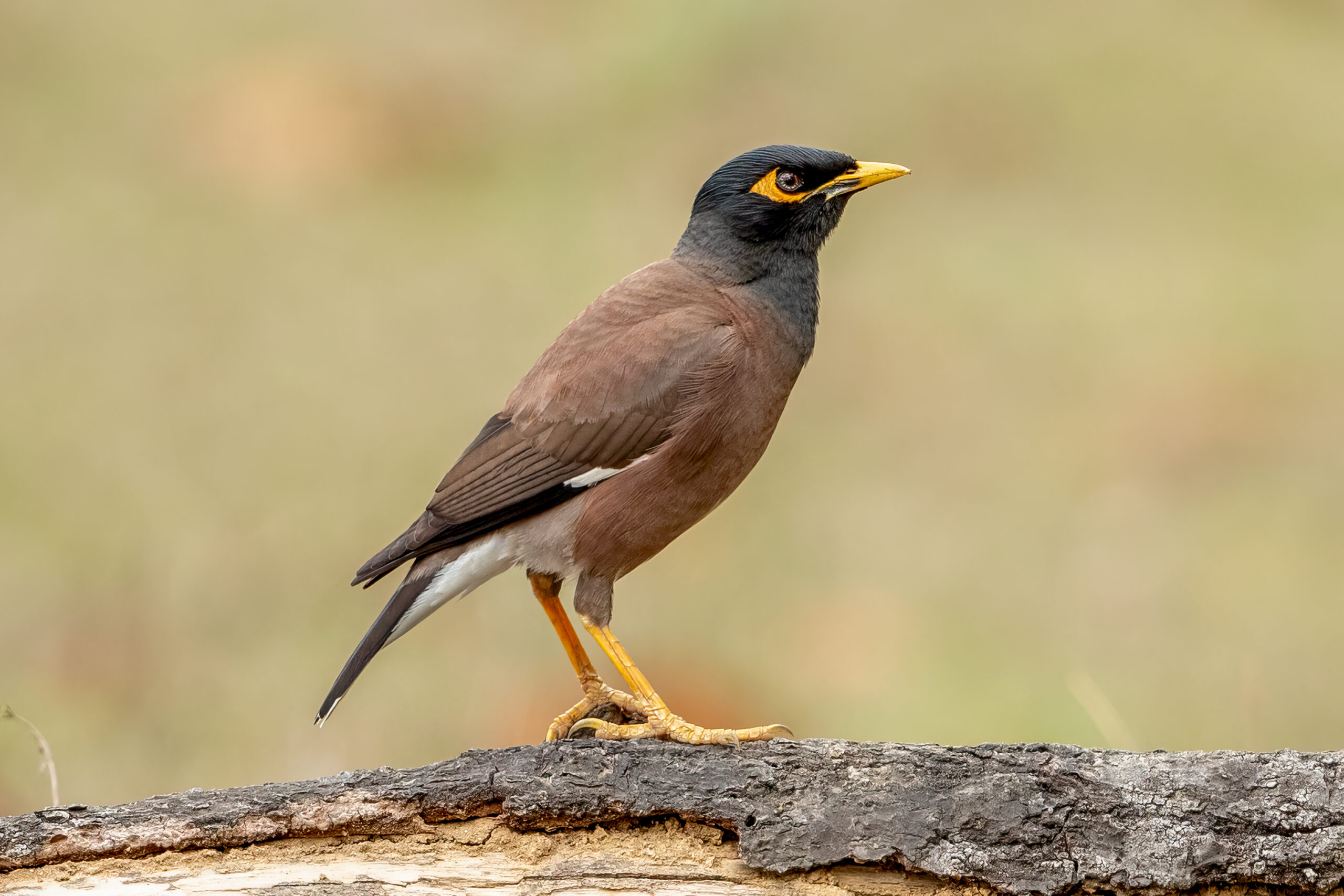
A field study of 744 active common myna (Acridotheres tristis) nests in Lower Dir, Khyber Pakhtunkhwa, Pakistan, documented breeding across both natural and human-made nesting sites. Published on 30 March 2026 in Planta Animalia, the study followed the 2025 breeding season from March to August.
Researchers surveyed farmland, orchards, roadsides, markets, settlements and semi-urban areas. Nests were included when eggs, nestlings, an incubating adult or other clear evidence showed that breeding was active.
Trees and buildings both provided nesting sites
Trees contained 318 of the 744 nests, or 42.7%. Wall cavities held 243 nests, market shutters 107 and pipes 76. Natural tree cavities were therefore the largest single category, while human-made structures together accounted for more than half of the recorded nests.
Clutch size and incubation varied among breeding attempts
Clutches ranged from two to six eggs, with individual egg mass reported between 7.3 and 7.7 grams. Incubation lasted 15–22 days. A table covering the four quantified nest-site categories listed 809 eggs, of which 680 hatched and 129 did not.
Three completed nests were collected for analysis of building materials. They contained twigs, grasses, leaves and feathers together with manufactured materials including plastic, paper and rubber. The researchers also observed adults provisioning nestlings repeatedly and using food available in the surrounding human-modified landscape.
The authors interpret the combination of varied nest sites, flexible nest materials and parental provisioning as evidence of reproductive and behavioural flexibility in Lower Dir, helping common mynas breed successfully in landscapes strongly shaped by people.
Reproduction & development
Related news
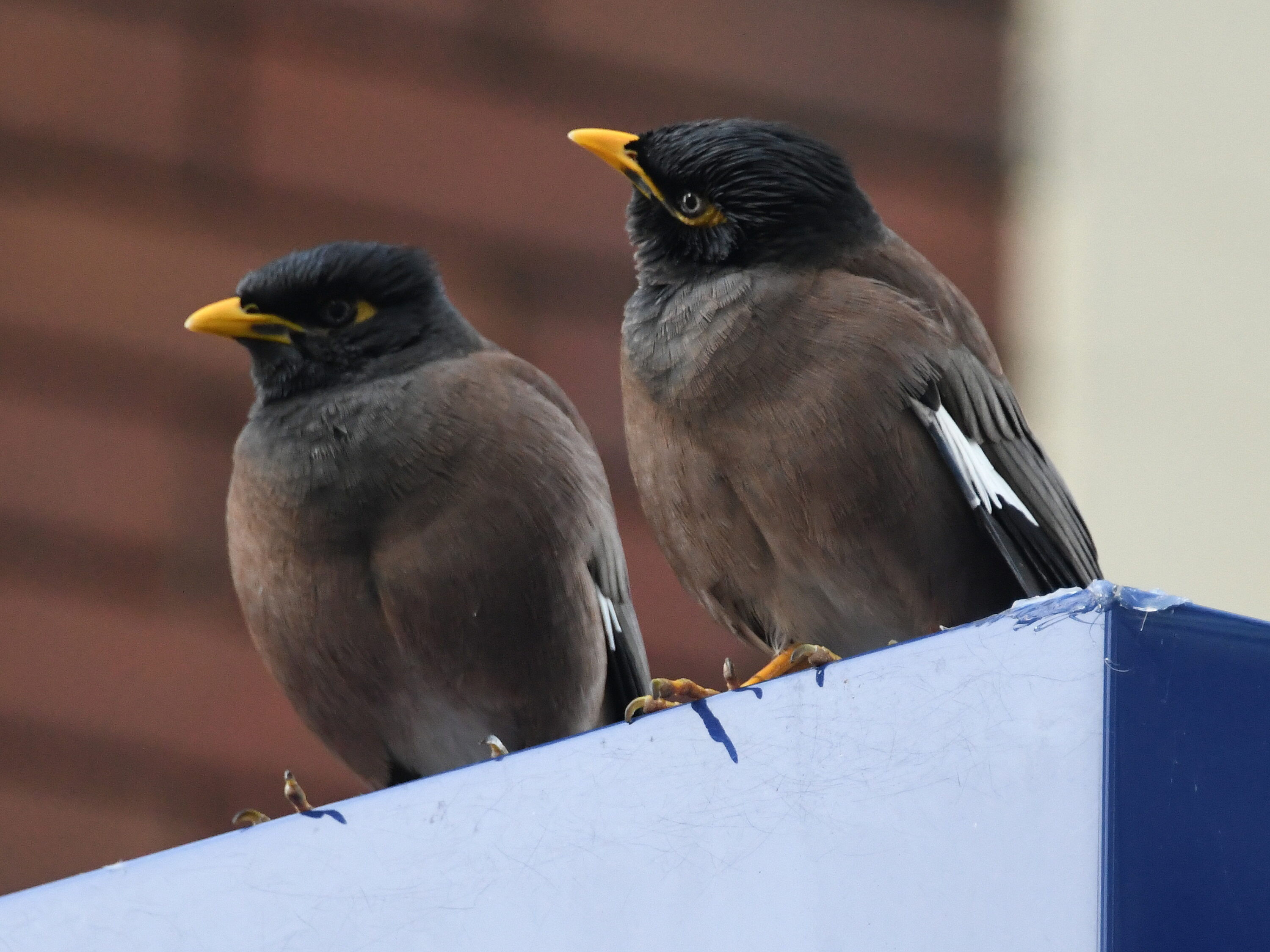
Rail Staff Say Two Common Mynas Regularly Ride Sydney Trains
Two common mynas were filmed sitting calmly inside a Sydney train, while a guard said staff know them…
Read story →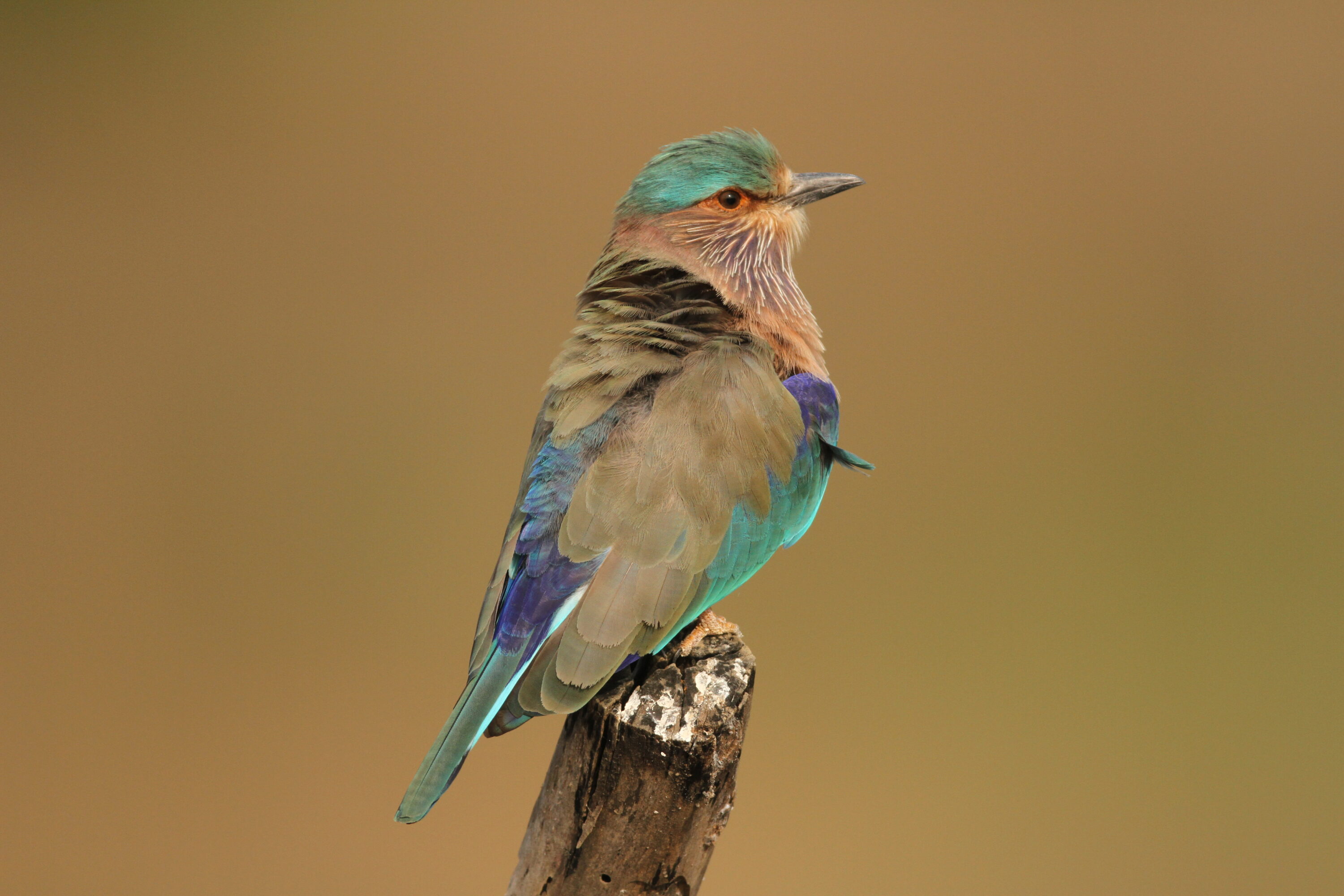
Six Cavity-Nesting Bird Species Bred Successfully in Artificial Nests in Punjab
Punjab Agricultural University reported successful breeding in artificial nests by six cavity-nesting species, including Indian roller, spotted owlet…
Read story →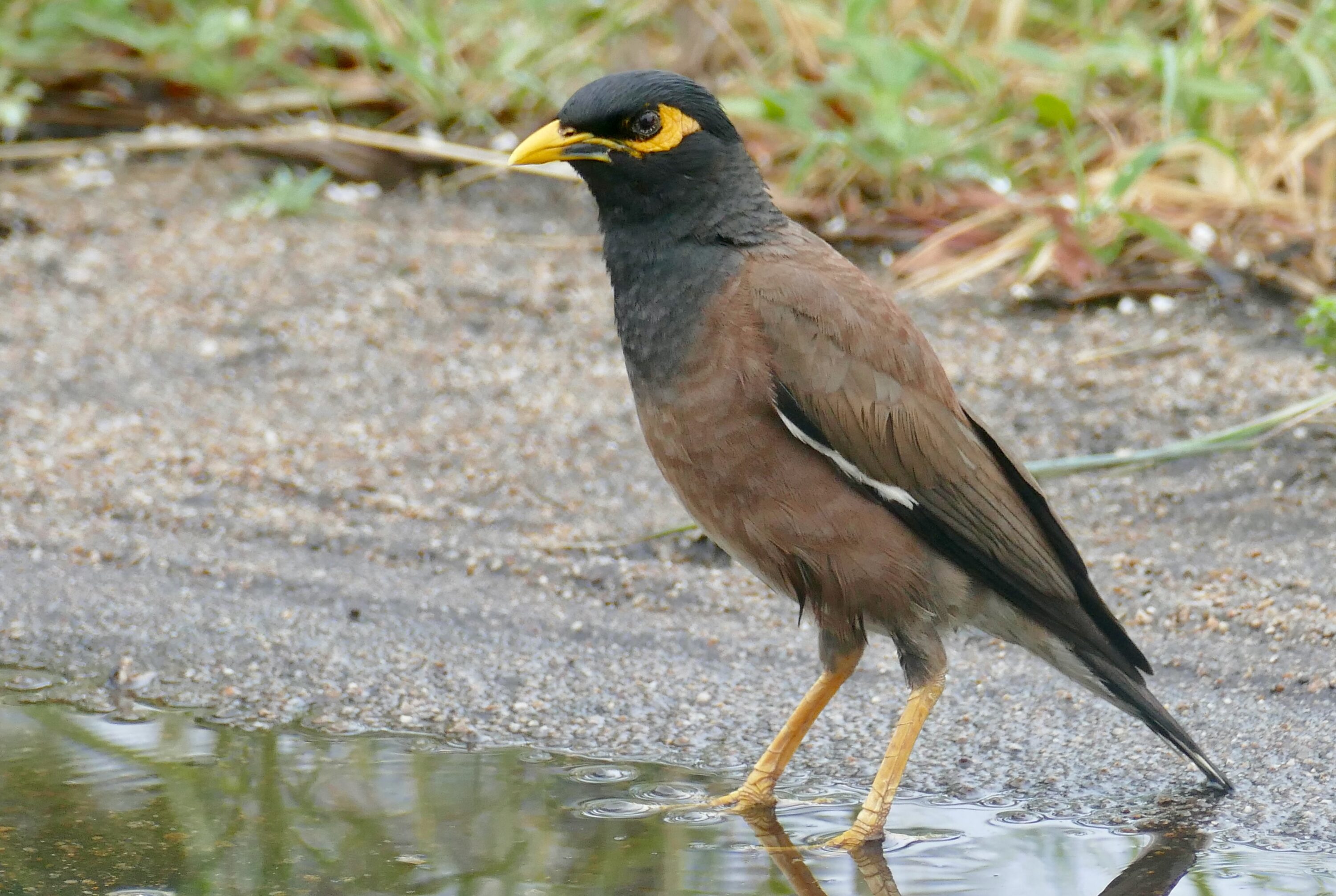
Qatar Captured 12,844 Invasive Common Mynas From January to July
Qatar reported 12,844 common mynas captured from January through July 2026, bringing the project total to 61,999. Control…
Read story →SPECIES IN THIS STORY
Species in this story
Independent research and conservation news archive
Did you find this information useful?
Wildlife Vagabond is independently built and maintained. Voluntary support helps cover source verification, hosting and continued work on research and conservation news.
Support Wildlife VagabondThe news archive will remain freely available.