
Brown Shrikes in Laos Were Most Often Found in Semi-Open Agricultural Mosaics
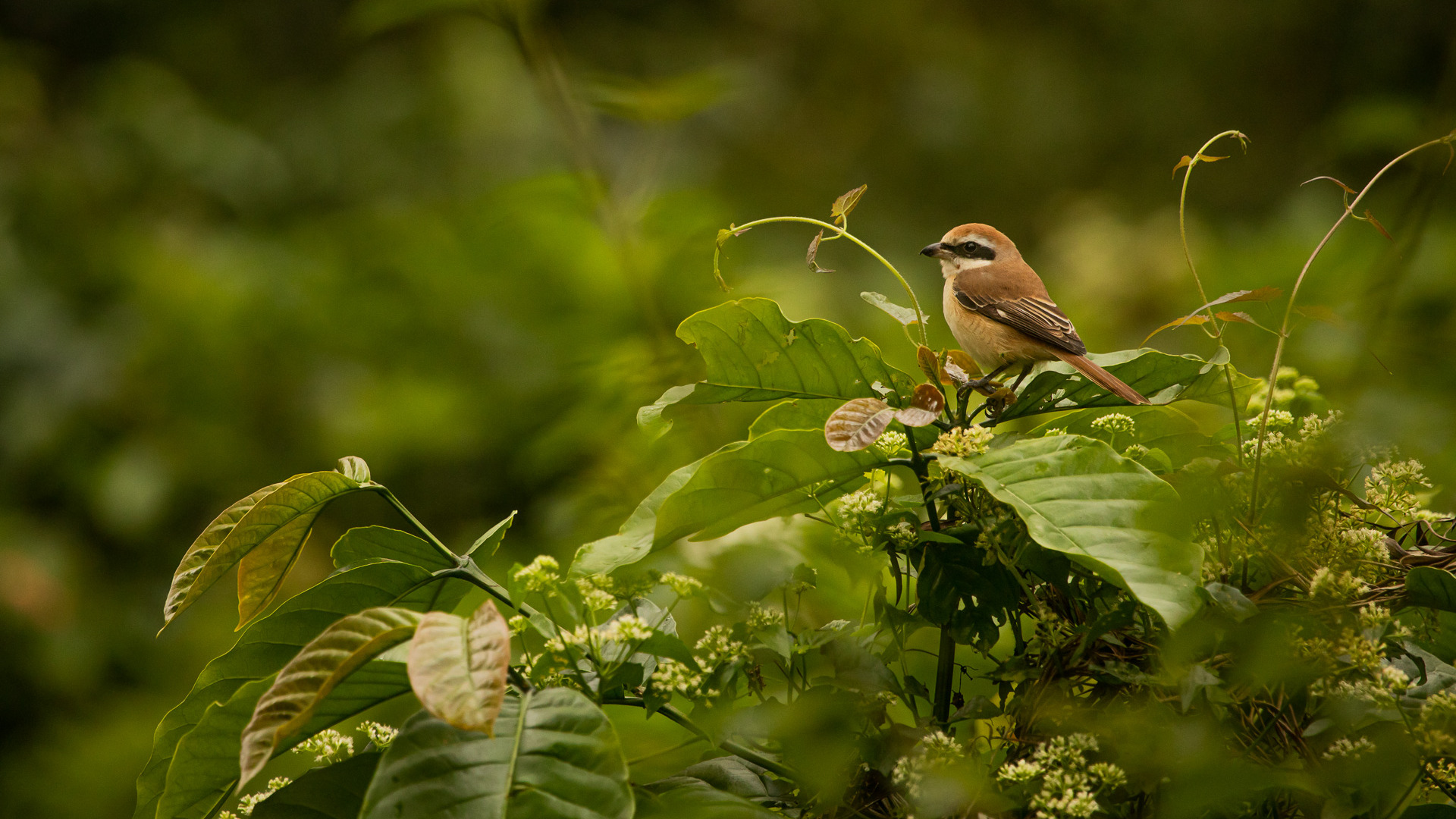
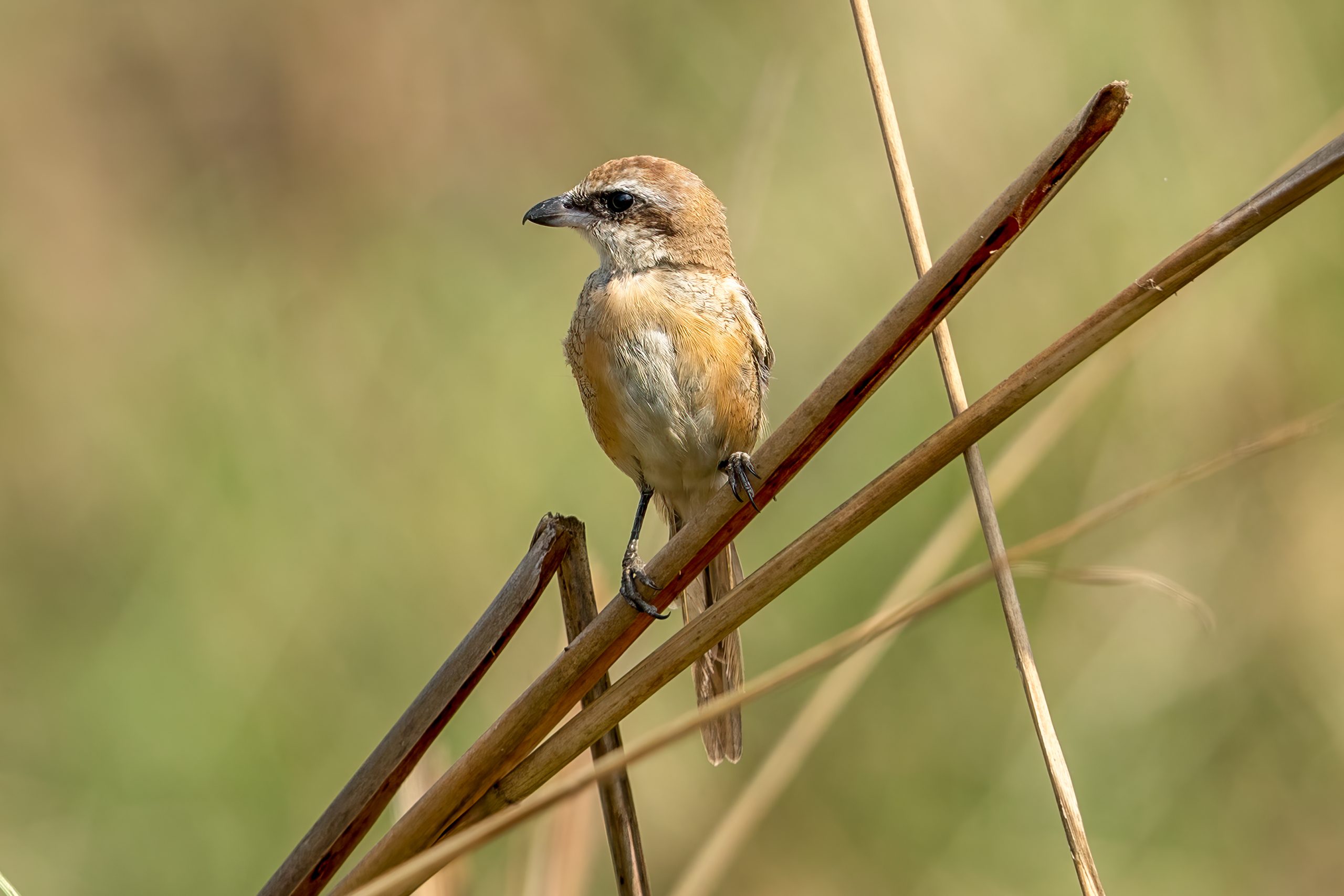
A 2026 study of brown shrike (Lanius cristatus) habitat use during the non-breeding season found the species most often in semi-open agricultural mosaics in Laos. Researchers analysed 139 field-detected occurrence sites and compared them with 139 randomly selected background points.
Three landscape variables were most strongly associated with the records. Brown shrike occurrence increased with road area, while built-up land and forest cover showed negative relationships with occurrence. The birds were especially associated with landscapes that combined open foraging space with structural elements that could be used as perches.
The researchers describe the study as the first fine-scale assessment of non-breeding habitat associations for brown shrikes in mainland Southeast Asia. Their results suggest that human-modified landscapes can still provide suitable non-breeding habitat when semi-open structure and perching opportunities remain.
Ecology
Related news
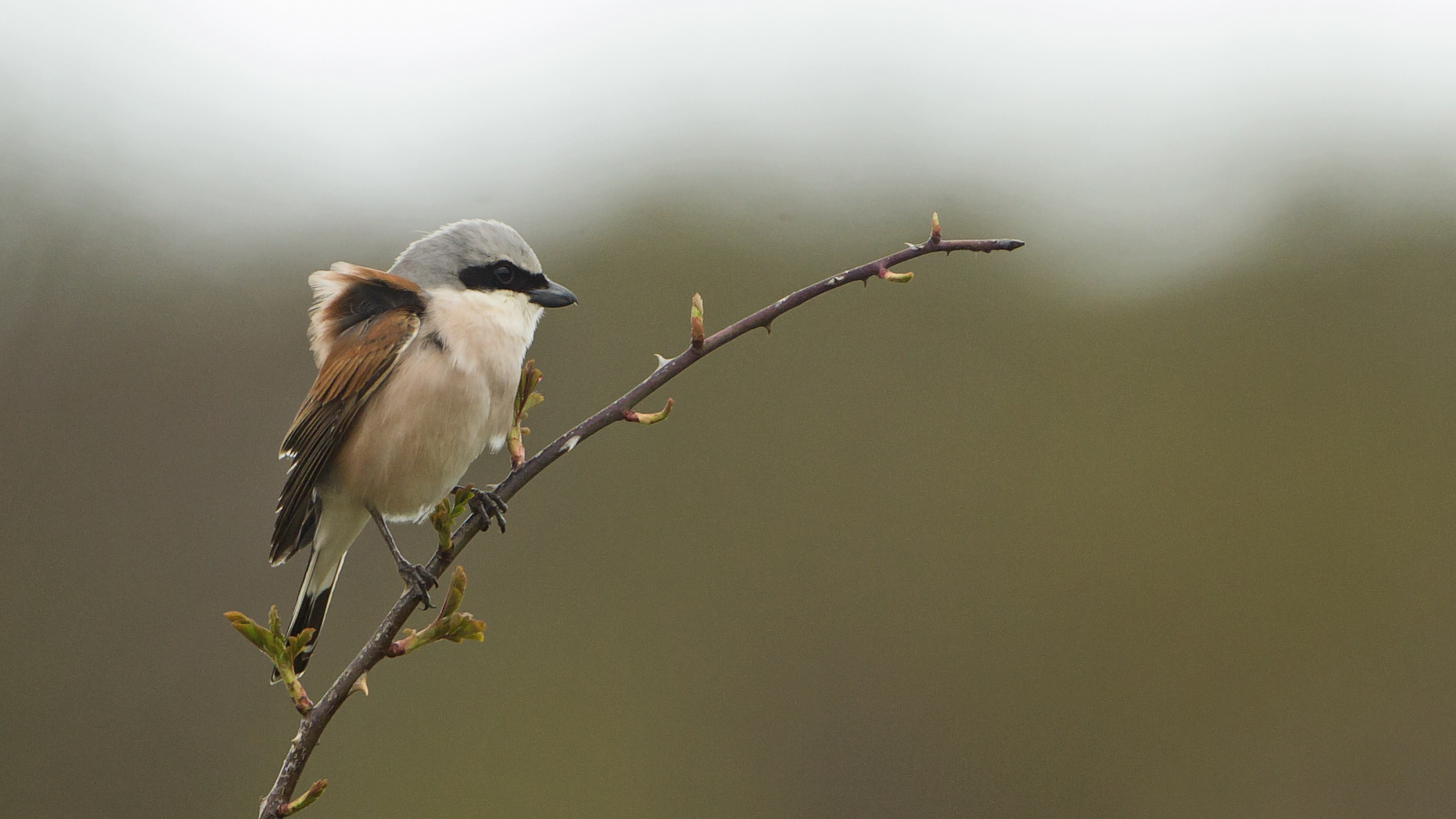
Brown Shrikes in Laos Flushed at Greater Distances Than Red-backed Shrikes in Poland
In spring 2024, brown shrikes in Laos took flight at a mean 53.7 m from an approaching observer,…
Read story →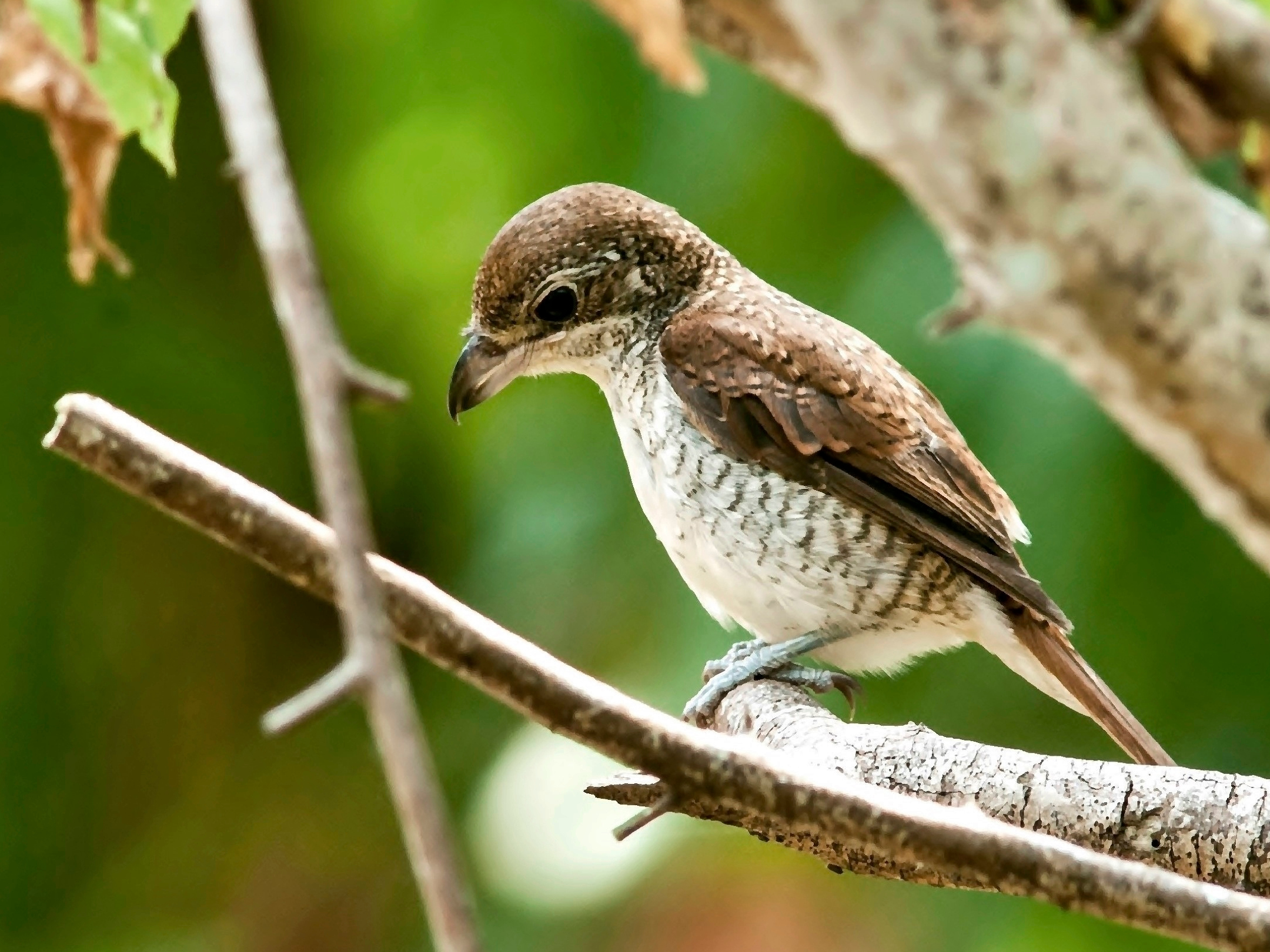
Tiger Shrikes Had the Highest Feather Arsenic and Cadmium; Brown Shrikes Also Had Elevated Lead
A 2026 study of ten predatory bird species in northeast China found the highest arsenic and cadmium concentrations…
Read story →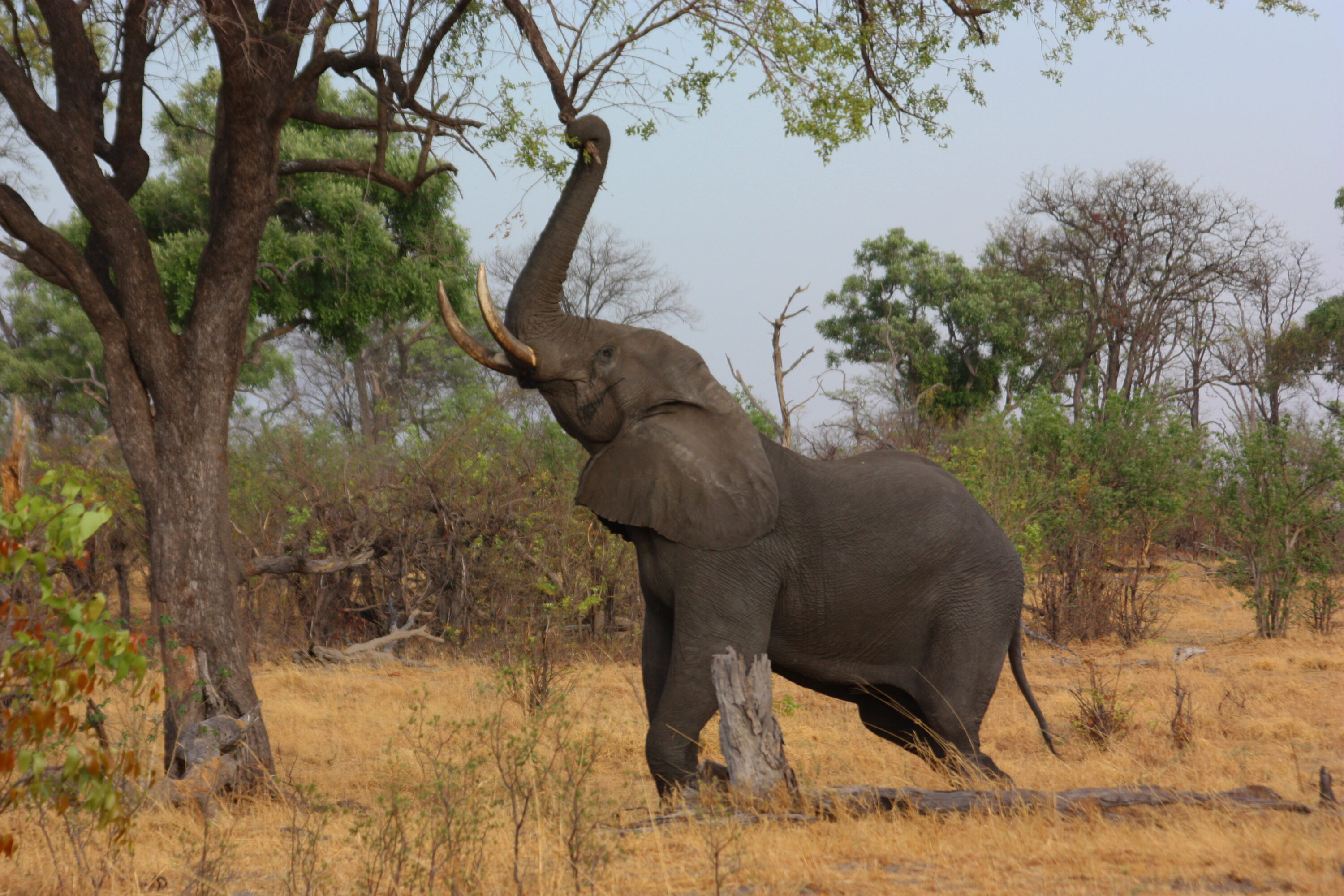
African Bush Elephants Distinguished Artificial Food-Quantity Patterns at Close Range
In experiments in South Africa, four semi-tame elephants chose between visual patterns representing canopy size and leaf density.…
Read story →SPECIES IN THIS STORY
Species in this story
Independent research and conservation news archive
Did you find this information useful?
Wildlife Vagabond is independently built and maintained. Voluntary support helps cover source verification, hosting and continued work on research and conservation news.
Support Wildlife VagabondThe news archive will remain freely available.