
A new genome reveals different closest relatives for the Italian and European hares
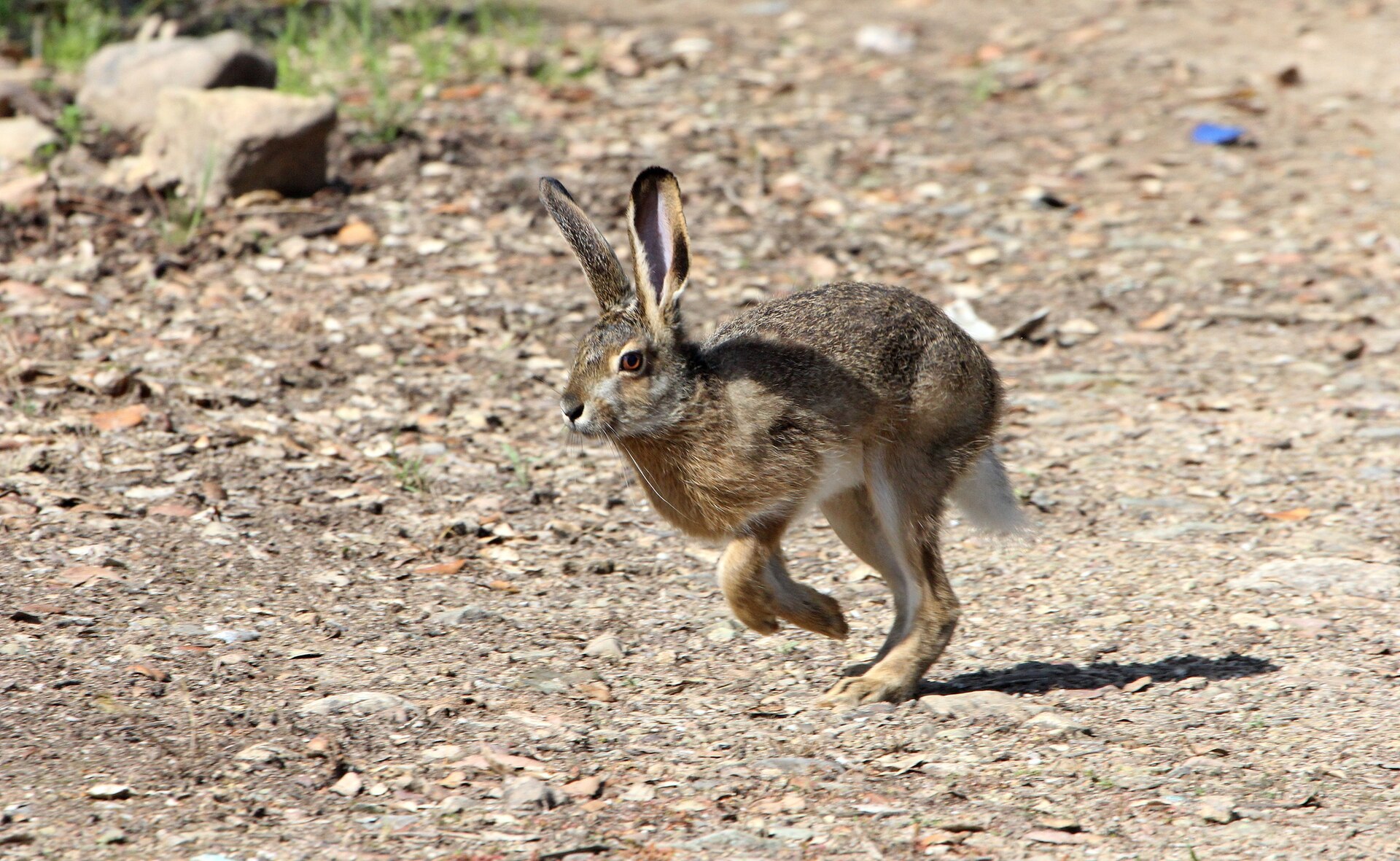
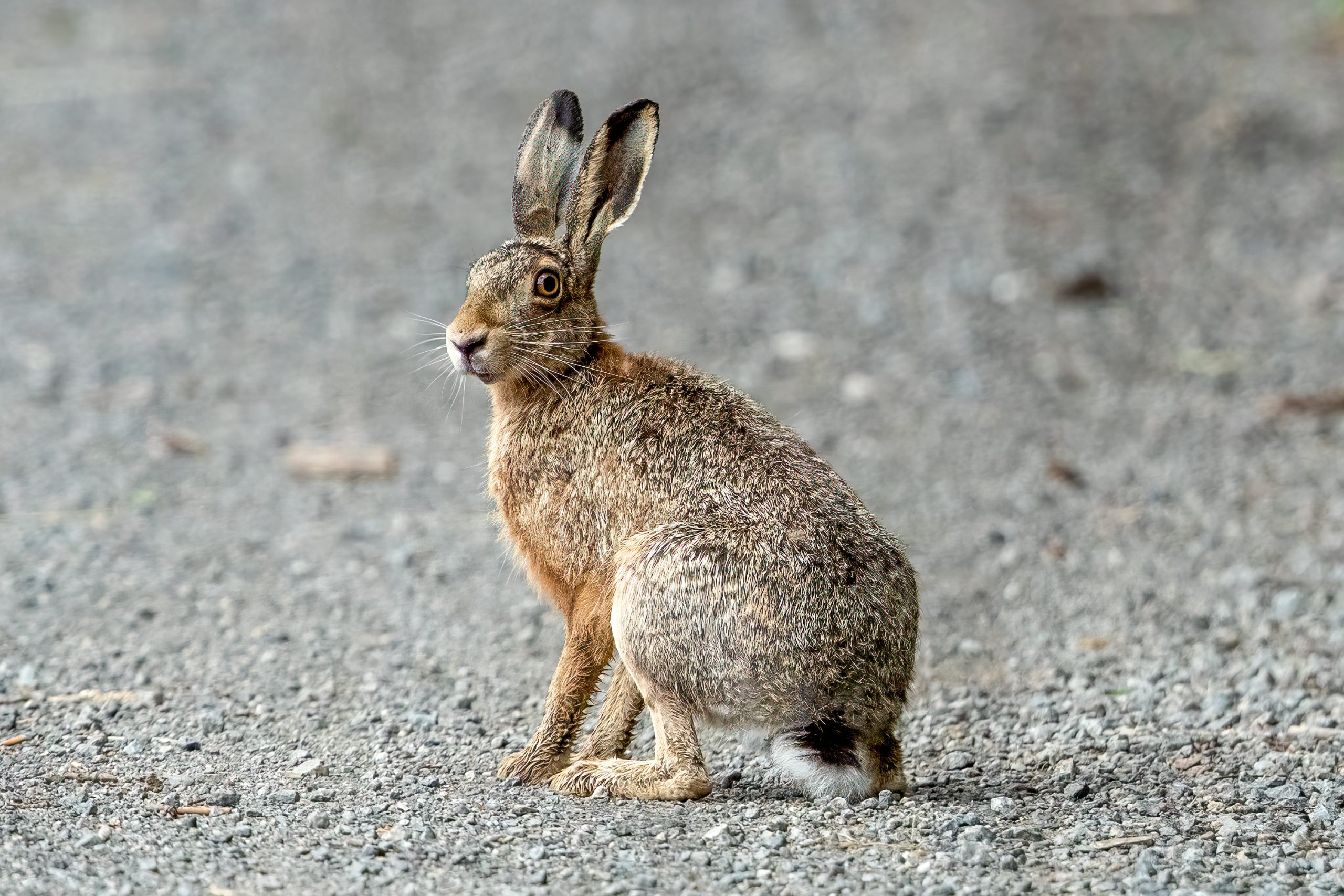
Researchers have assembled the first reported genome of the Italian hare (Lepus corsicanus), a species with a limited range in central and southern Italy and Sicily. The species is classified as Vulnerable; habitat loss, fragmented populations and the widespread introduction of the European hare (Lepus europaeus) are among the concerns cited by the study’s authors. A new genome can give researchers a reference—a baseline sequence for future comparisons—as they investigate hare evolution and conservation.
The sample came from routine wildlife health monitoring at Cerreta and Cognole in Campania, southern Italy. The researchers combined long-read DNA sequencing with an existing reference genome to assemble 2.84 billion DNA bases. The resulting scaffolds—assembled stretches of DNA—had an N50 of 129 million bases. This means that half of the assembled sequence was in scaffolds at least that long. The scaffolds were anchored to 23 autosomes and the X and Y chromosomes. A BUSCO check, which looks for expected conserved genes, reported 98.2% completeness.
Genome annotation identified 22,159 protein-coding genes, while repetitive DNA accounted for about 40% of the assembly. These features describe the new reference genome and provide material for future comparisons, including studies of variation within Italian hare populations.
Different closest relatives in the preliminary tree
In the study’s preliminary phylogeny, the Italian hare was the closest relative of Lepus castroviejoi among the species compared. The European hare, by contrast, formed a strongly supported sister pair with the mountain hare (Lepus timidus). A sister relationship means that two lineages share a more recent common ancestor with each other than either does with the other lineages in that part of the tree.
The analysis also grouped Lepus capensis with Lepus tolai. That pair was strongly associated with Lepus yarkandensis, and the larger group clustered with the European-hare–mountain-hare pair. The authors describe the phylogenetic investigation as preliminary: it offers an initial picture of relationships among the species compared, and is not a definitive reconstruction of hare evolutionary history.
The new reference genome provides a starting point for broader comparisons. With sequences from more individuals, future work can investigate genetic variation within Italian hare populations as well as relationships among hare species—information potentially useful for conservation.
Genetics & genomics
Related news
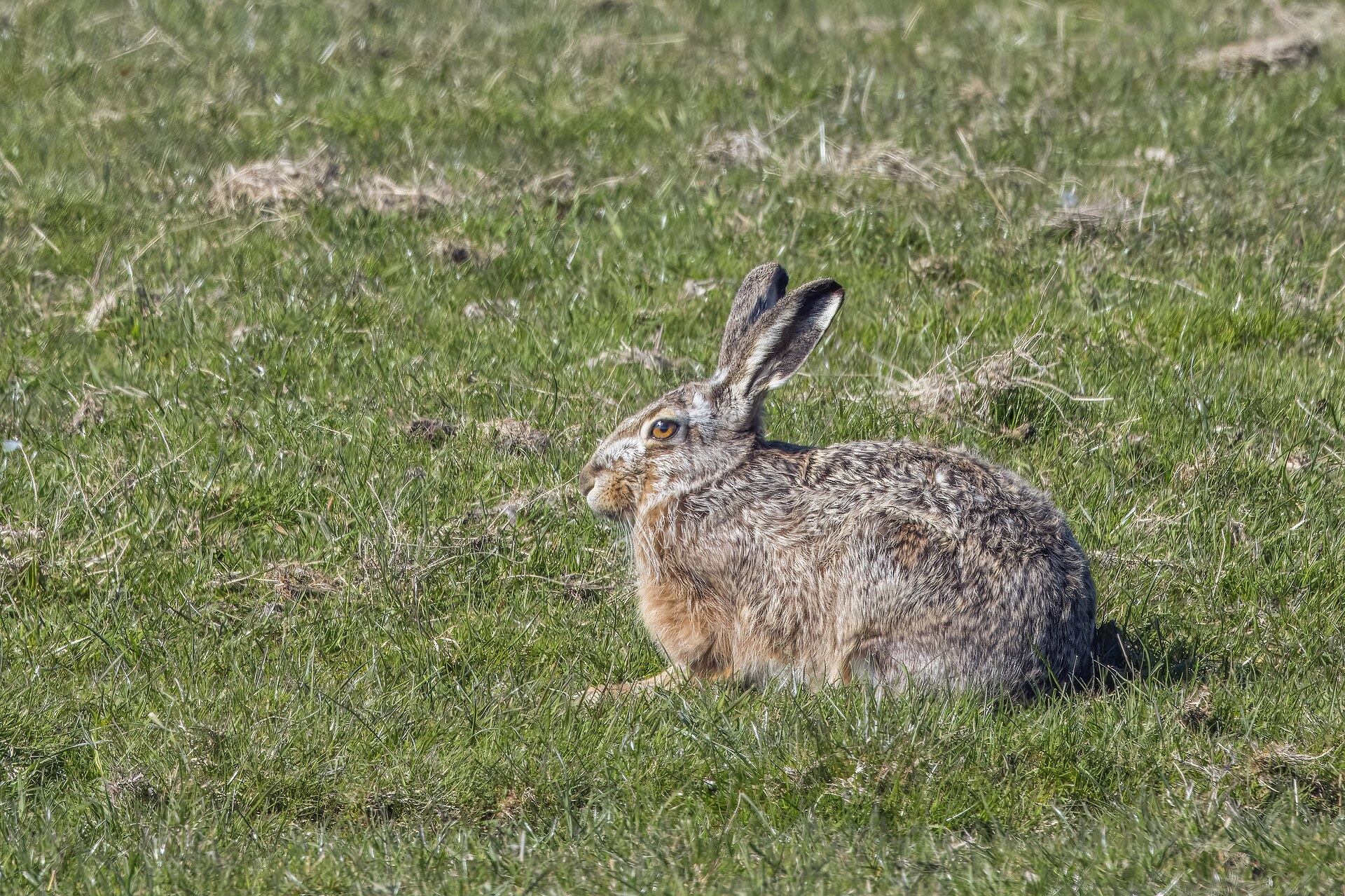
Antibodies to the virus behind brown hare syndrome were more common in European than Italian hares
A long-term survey in Grosseto, Tuscany, found antibody evidence of exposure in nearly two-thirds of sampled hares. Positivity…
Read story →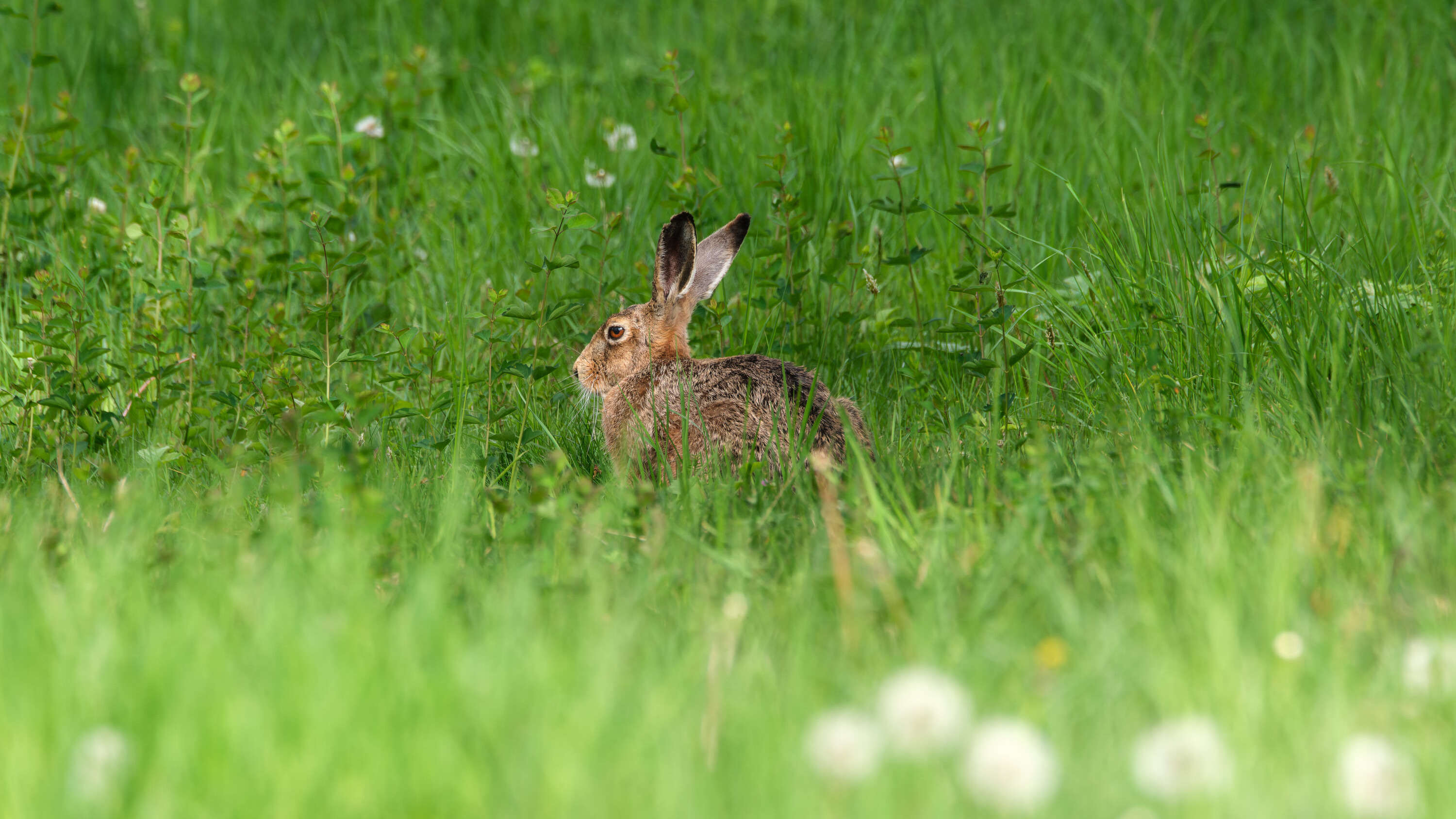
Cryptosporidium Deer Mouse Genotype IV Was Recorded in Europe for the First Time in European Hares
Five of 370 faecal samples from wild European hares in Czechia and Slovakia contained Cryptosporidium deer mouse genotype…
Read story →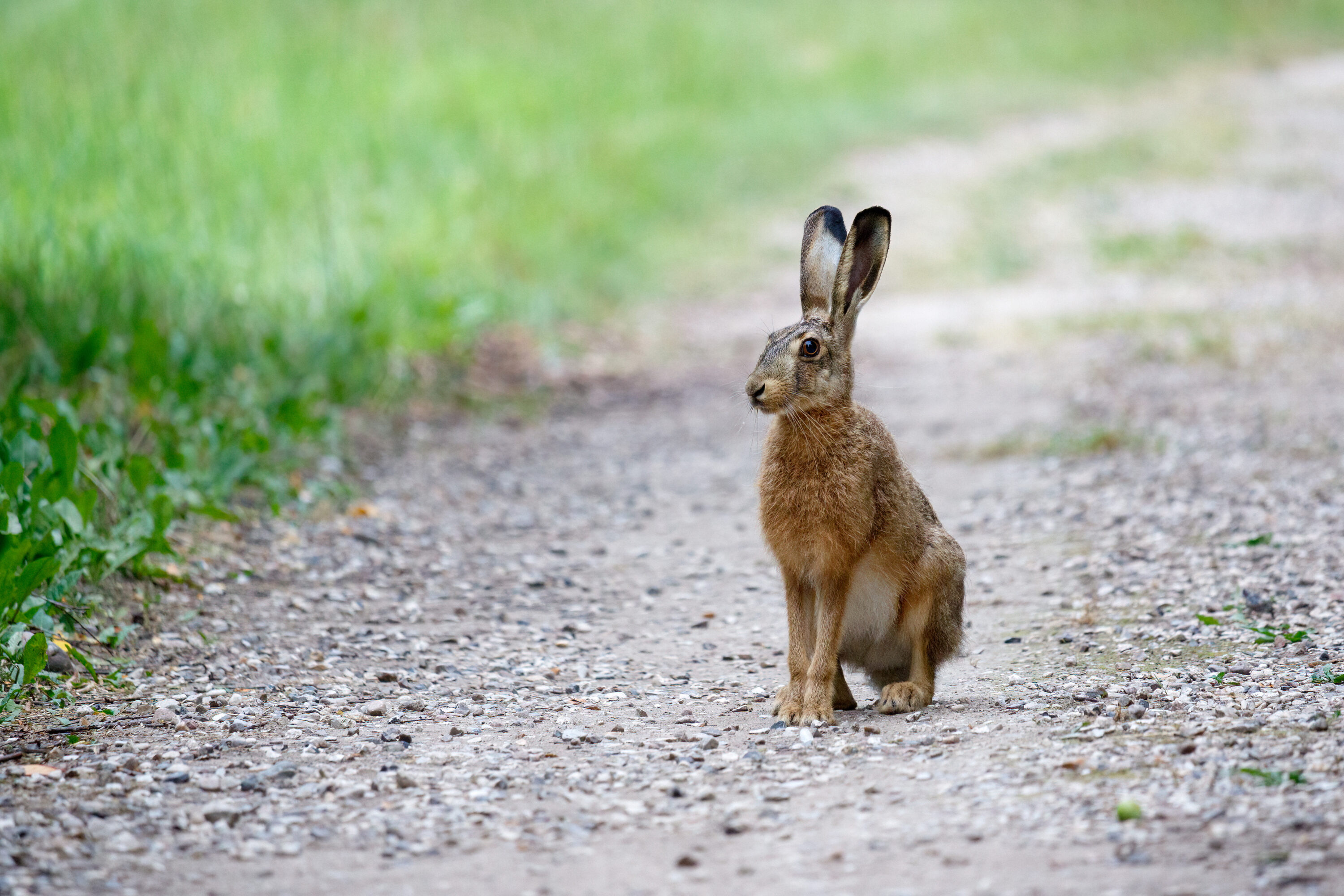
Classic and Recombinant Myxoma Viruses Were Found Together in Pooled Tissue From Two Hares in West Hungary
Whole-genome sequencing of pooled material from two European hares in western Hungary detected both classic MYXV and the…
Read story →SPECIES IN THIS STORY
Species in this story
Independent research and conservation news archive
Did you find this information useful?
Wildlife Vagabond is independently built and maintained. Voluntary support helps cover source verification, hosting and continued work on research and conservation news.
Support Wildlife VagabondThe news archive will remain freely available.