
A T-cell vaccine did not improve protection against SHIV, but was linked to better control after infection
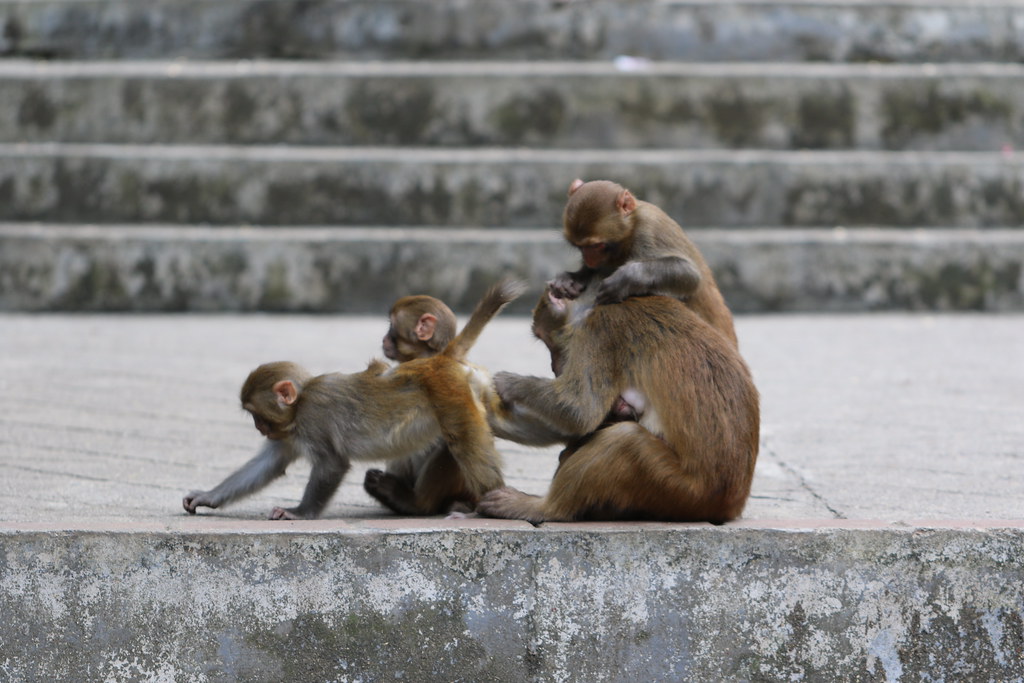
A T-cell vaccine given with the antibody PGT121 did not improve protection against SHIV infection in rhesus macaques (Macaca mulatta). But among the animals that became infected, the combination was linked to a different course of infection: virus took longer to become detectable in blood, reached a lower peak and later declined after a period at relatively steady levels. The preprint was posted on 5 November 2026.
The researchers exposed the macaques to a single high dose of SHIV, a simian–human immunodeficiency virus used to study aspects of HIV infection in monkeys. Before exposure, the animals received a partially protective dose of PGT121, a broadly neutralizing antibody that can act against many HIV variants, together with an adenovirus-5-based vaccine encoding a fusion of the simian immunodeficiency virus (SIV) proteins Gag and Tat. The vaccine was intended to prompt T cells to recognize viral proteins, while PGT121 acts directly against the virus. The two approaches target different parts of infection: antibodies act on virus, while T cells can recognize fragments of viral proteins displayed by infected cells. One challenge in HIV vaccine design is that HIV can infect CD4 T cells, so vaccine-prompted CD4 T cells may themselves become targets for the virus.
The vaccine did not improve protection against infection
The vaccine elicited Gag-specific CD4 and CD8 T-cell responses in blood and mucosal tissue, but it did not change PGT121’s protection against SHIV infection. Separately, regardless of vaccination, a greater presence in rectal tissue of activated CD4 T cells bearing α4β7 and Ki-67 was associated with weaker protection from PGT121. The α4β7 molecule helps direct T cells to gut tissue, while Ki-67 marks cells that are dividing. This association does not show that these cells caused the weaker protection.
Virus levels followed a different course after infection
Among macaques that became infected after receiving both the vaccine and PGT121, virus took longer to become detectable in blood. This early interval before virus can be detected is called the eclipse phase. The virus also reached a lower peak. Later in the infection, its level declined after a relatively steady period. SHIV nevertheless established infection: these findings concern control after infection, not prevention.
The results point to a possible distinction between preventing infection from taking hold and controlling the virus after infection has occurred. The authors propose that PGT121 and vaccine-induced T-cell responses may work together after infection, but the study did not establish that mechanism. Because the findings come from a macaque challenge study, they do not show that this approach prevents or treats HIV in people.
Disease, parasites & microbiology
Related news
Rhesus macaque vaginal microbiomes changed little across menstrual cycles
Across three cycles in six rhesus macaques, most circulating immune-cell populations and the vaginal microbiome changed little. The…
Read story →
Macaques Reacted Slowest Where Either Hand Was Equally Likely to Be Chosen
In a reaching task, two rhesus macaques were slowest to respond near the point where either hand was…
Read story →
Human and rhesus macaque immune cells share some signaling patterns—but not all
A comparison of human and rhesus macaque blood cells linked measurements of 174 protein markers to cell-signaling profiles.…
Read story →SPECIES IN THIS STORY
Species in this story
Independent research and conservation news archive
Did you find this information useful?
Wildlife Vagabond is independently built and maintained. Voluntary support helps cover source verification, hosting and continued work on research and conservation news.
Support Wildlife VagabondThe news archive will remain freely available.