
Rhesus macaque vaginal microbiomes changed little across menstrual cycles
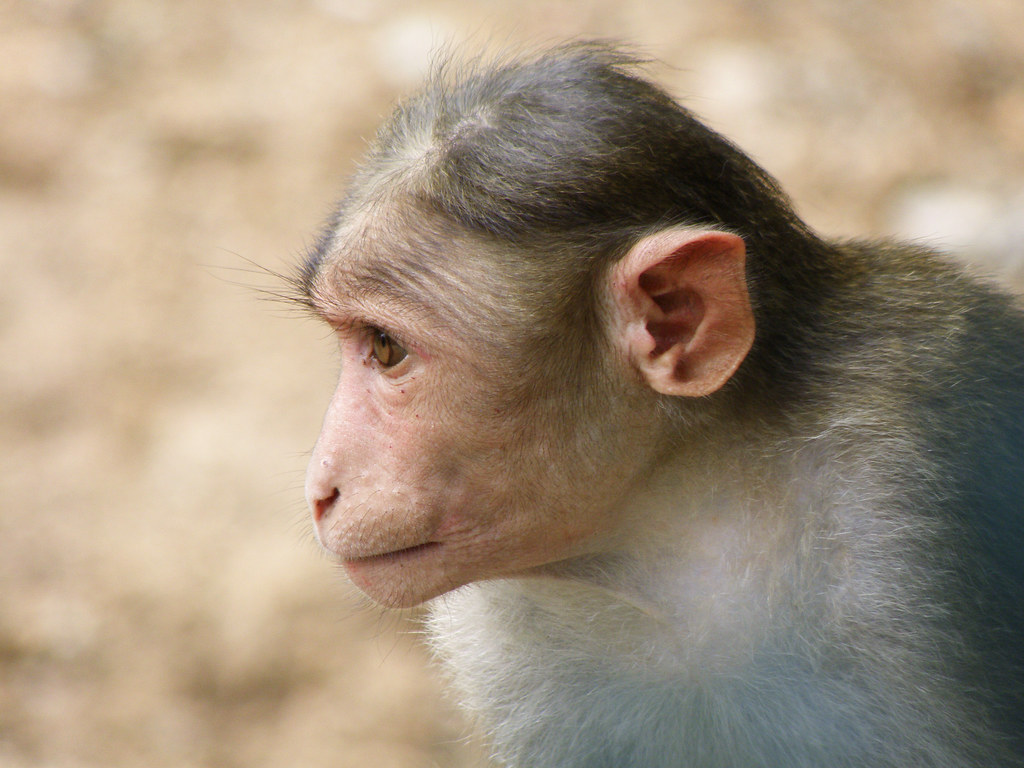
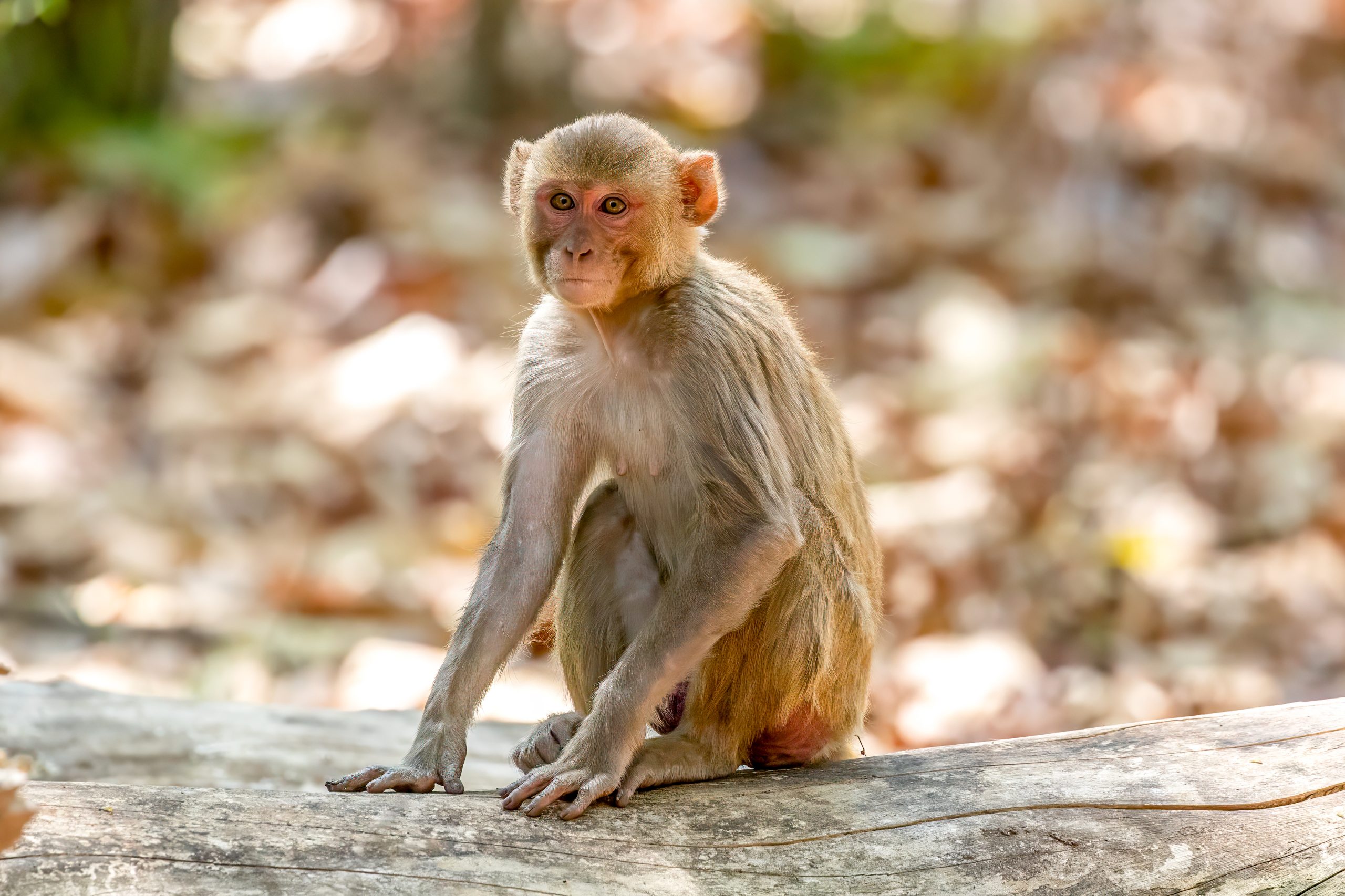
Female animals are underrepresented in preclinical research, partly because researchers have worried that hormonal fluctuations make their biology too variable to study. To examine how much changes across the menstrual cycle, researchers followed six adult female rhesus macaques (Macaca mulatta) through three cycles, measuring hormones, immune cells in blood and samples from the cervix and vagina, and the bacteria living in the vagina. Most measured immune-cell populations and the vaginal microbiota changed little. A few specific patterns were associated with hormone levels, but they did not amount to broad cycle-wide shifts.
Hormones followed the cycle, but not all hormones did
Estradiol peaked around ovulation, while progesterone rose during the luteal phase, the period after ovulation. Testosterone and cortisol also varied, but those differences reflected social hierarchy rather than menstrual-cycle phase. The researchers therefore found that not every hormone difference among the macaques followed the reproductive cycle.
Circulating immune cells stayed stable
Counts of white blood cells (leukocytes) in the blood and several immune-cell groups—including CD4+ and CD8+ T cells, natural killer cells and dendritic cells—remained stable across cycle phases. In contrast, samples from the cervix and vagina contained more leukocytes when systemic estradiol levels were elevated. This local association was not accompanied by a comparable change in the measured immune-cell populations circulating in the blood. The study found an association, not evidence that estradiol caused the difference.
The vaginal microbiota was mostly stable
The composition and diversity of the vaginal microbiota—the community of microbes living there—also remained broadly stable across menstrual phases. Differences between individual macaques accounted for more variation than cycle timing, and the dominant bacterial genera showed no detectable changes associated with hormone levels. One specific exception was Mobiluncus: this bacterial genus was more abundant in samples collected during high-progesterone states. That association does not show that progesterone caused the increase or that the microbial community as a whole shifted.
Together, the results suggest that the menstrual cycle did not produce large changes in the measured circulating immune cells or vaginal microbiota in these macaques, even though some local immune and bacterial measures were associated with hormone levels. This is relevant to preclinical research: concern about hormonal variability should not be taken to mean that female animals necessarily show broad biological swings across the cycle. The study supports including sex and reproductive-cycle biology in research design, while its findings come from six macaques and do not establish how consistently the same patterns occur in other animals.
Physiology
Related news
Macaques Reacted Slowest Where Either Hand Was Equally Likely to Be Chosen
In a reaching task, two rhesus macaques were slowest to respond near the point where either hand was…
Read story →
A macaque antibody neutralised diverse H5 flu viruses by blocking membrane fusion
An antibody isolated from immunised rhesus macaques neutralised H5 influenza viruses collected from 1997 to 2024, including recent…
Read story →
How one rhesus macaque’s brain represented coordinated finger movements
Recordings from three connected brain areas showed that coordinated finger movements were not represented as a simple sum…
Read story →SPECIES IN THIS STORY
Species in this story
Independent research and conservation news archive
Did you find this information useful?
Wildlife Vagabond is independently built and maintained. Voluntary support helps cover source verification, hosting and continued work on research and conservation news.
Support Wildlife VagabondThe news archive will remain freely available.